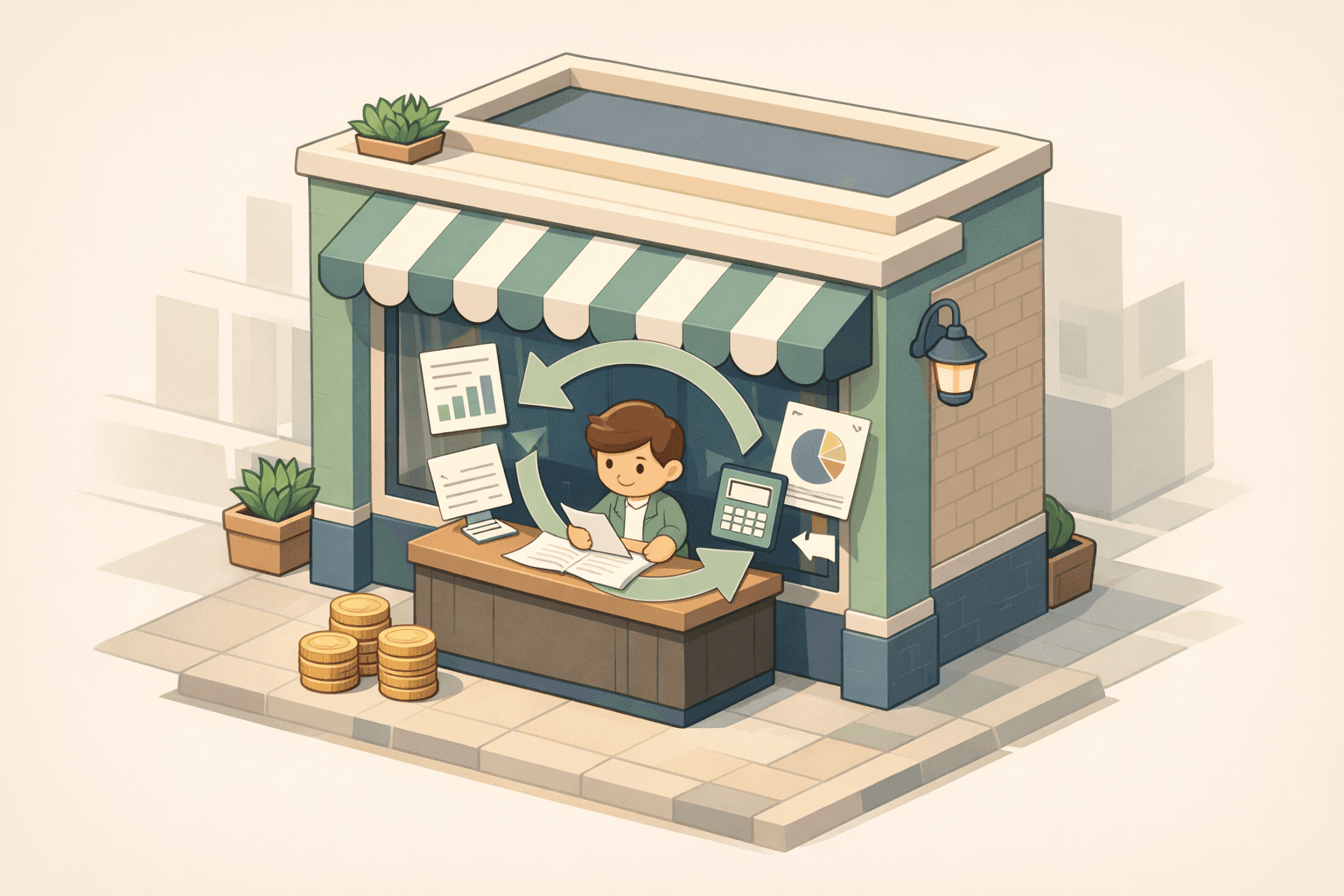
Running a small business comes with plenty of financial ups and downs. Whether you're dealing with slow seasons, unexpected expenses, or rapid growth opportunities, having fast access to funds can make all the difference. That's where understanding what is a business line of credit for working capital becomes essential. Unlike a traditional term loan, a business line of credit gives you flexible, revolving access to funds you can draw on whenever your business needs it most. In this guide, we'll break down how it works, who it's designed for, and how entrepreneurs and small business owners can use it to stay ahead of their cash flow challenges.
Understanding What a Business Line of Credit for Working Capital Actually Means
At its core, what is a business line of credit for working capital is a revolving credit facility that allows a business to borrow up to a set credit limit, repay the balance, and borrow again as needed. Think of it like a business credit card, but typically with higher limits and lower interest rates on the drawn amount.
Working capital refers to the difference between a company's current assets and its current liabilities. It's the financial fuel that keeps daily operations running smoothly. When working capital is tight — say, because a major client hasn't paid yet or inventory costs have spiked — a business line of credit can step in to bridge that gap.
Unlike a term loan, which delivers a lump sum that you repay over a fixed schedule, a line of credit only charges interest on the amount you actually draw. This makes it a highly efficient tool for managing short-term financial needs without taking on unnecessary debt. For small business owners and entrepreneurs, this distinction matters a great deal when planning cash reserves and controlling borrowing costs.
How Revolving Credit Supports Day-to-Day Operating Expenses
One of the primary reasons businesses seek a business LOC for cash flow is to cover recurring operating expenses during revenue gaps. These might include payroll, supplier invoices, utility bills, rent, or short-term inventory purchases. Rather than dipping into savings or delaying payments — which could harm vendor relationships or employee morale — a line of credit provides an immediate buffer.
Here's how revolving credit for operating expenses typically works in practice:
- Draw funds as needed: You only borrow what you need at any given time, keeping interest costs manageable.
- Repay and reuse: As you repay the drawn balance, your available credit replenishes, giving you ongoing access to funds.
- Flexible repayment terms: Many lenders offer flexible minimum payment structures, though paying more than the minimum helps reduce interest costs faster.
- Interest on drawn amounts only: You're not charged on the portion of credit you haven't used, which differs significantly from a term loan structure.
This revolving structure is particularly valuable for businesses with seasonal revenue patterns. A retail shop that earns most of its revenue during the holiday season, for example, might use a line of credit to stock inventory in October and repay the balance as holiday sales come in. The flexibility this creates is difficult to replicate with any other financing product.
Who Typically Qualifies for Flexible Funding Through a Business Line of Credit
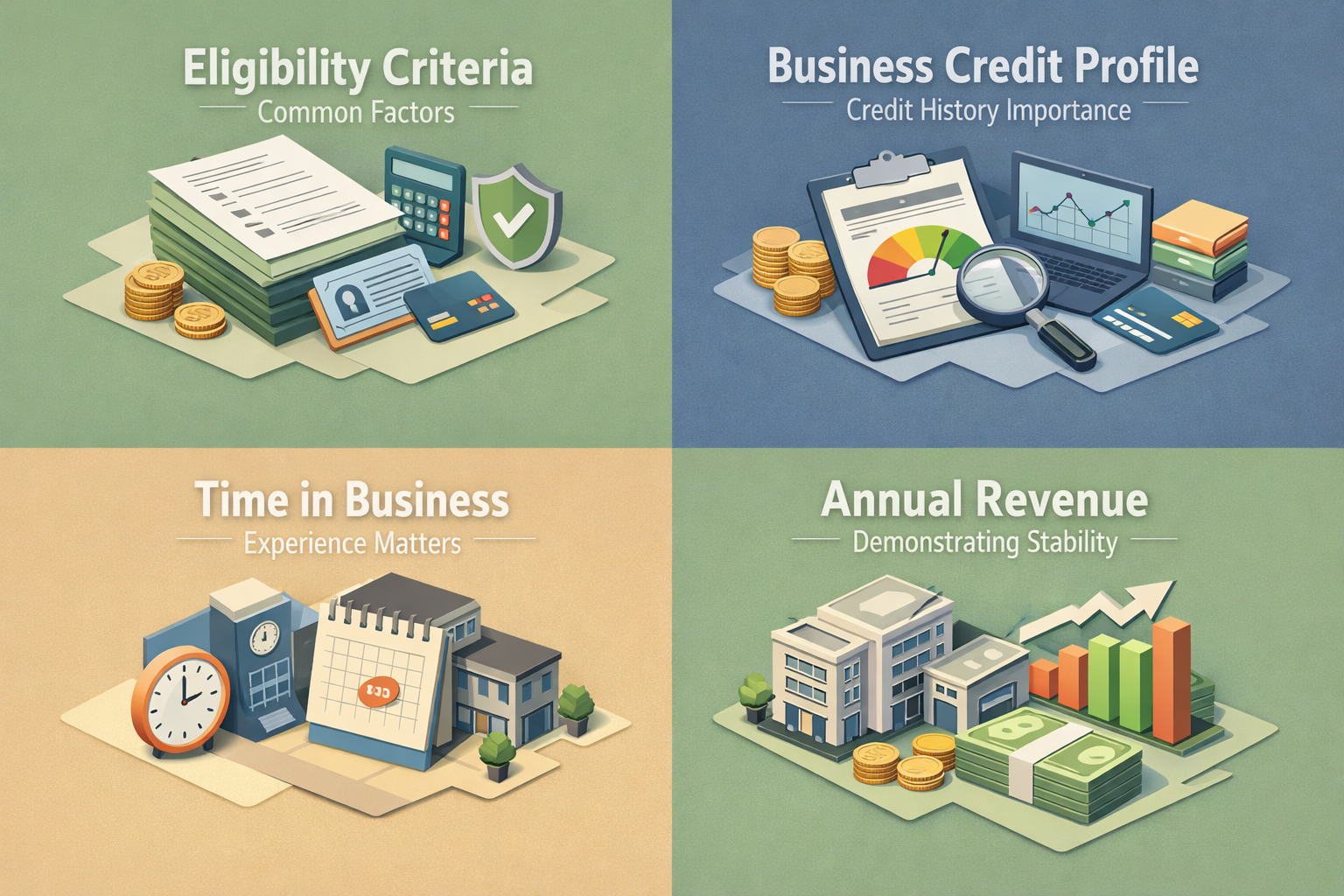
Eligibility requirements for flexible funding for small businesses can vary significantly depending on the lender, but there are several common factors that most financial institutions consider when reviewing an application.
Business Credit Profile and Personal Credit Score
Lenders often review both your business credit history and your personal credit score, especially for newer businesses that haven't yet established a strong credit profile on their own. A higher credit score may help you qualify for a larger credit limit and a lower interest rate. Borrowers with lower scores may still qualify with some lenders, though the terms could be less favorable.
Time in Business
Many traditional banks and credit unions prefer to work with businesses that have been operating for at least one to two years. That said, some online lenders and alternative financing providers may offer lines of credit to businesses that are newer, though often with stricter terms or lower credit limits.
Annual Revenue and Cash Flow History
Lenders typically want to see that your business generates enough revenue to support repayment. You may be asked to provide bank statements, tax returns, or profit-and-loss statements to demonstrate financial stability. Strong, consistent cash flow can improve your chances of approval and may result in more favorable borrowing terms.
Collateral Requirements
Some lines of credit are unsecured, meaning no collateral is required. Others may be secured by business assets such as receivables, inventory, or equipment. Secured lines often come with higher credit limits or lower rates, but they carry added risk if repayment becomes difficult.
Smart Ways to Use a Business Line of Credit Without Overextending
Knowing how to use business line of credit responsibly is just as important as qualifying for one. While the flexibility is a major advantage, it can also tempt business owners to borrow more than they truly need. Here are some practical strategies to help you use this financial tool wisely.
Use It for Short-Term Needs, Not Long-Term Investments
A line of credit is best suited for short-term cash flow gaps, not for financing major capital expenditures like equipment purchases or commercial real estate. For longer-term investments, a term loan or SBA loan may be a more appropriate and cost-effective choice. Matching the financing product to the purpose is a foundational principle of sound business borrowing.
Draw Only What You Need
Because you can access funds incrementally, there's no reason to draw your full credit limit at once. Drawing smaller amounts as specific needs arise keeps your interest costs lower and preserves your available credit for future emergencies or opportunities.
Repay Balances Promptly
Letting a balance accumulate on a revolving line of credit can become expensive over time, especially if your interest rate is variable and rises with market conditions. Creating a repayment plan aligned with your incoming revenue cycles can help you manage costs and maintain a healthy credit utilization ratio.
Keep It Open Even When You Don't Need It
Having an open and available line of credit — even if you're not actively drawing on it — can strengthen your business's financial position. It signals to lenders and partners that you have access to liquidity, which could be advantageous if you apply for other financing in the future.
Comparing Business Lines of Credit to Other Small Business Financing Options
Understanding where a line of credit fits within the broader landscape of small business financing helps entrepreneurs make more informed decisions. Here's how it generally compares to other popular options:
- Term Loans: Deliver a lump sum repaid over a set period with fixed or variable interest. Better for large, one-time purchases. Less flexible than a line of credit for ongoing cash flow needs.
- SBA Loans: Government-backed loans with competitive rates and longer repayment terms, but they often involve more paperwork and a longer approval timeline. Best for established businesses with strong credit seeking significant capital.
- Invoice Financing (Factoring): Allows you to advance funds based on outstanding receivables. Useful when your cash flow issues stem from slow-paying clients, but typically more expensive than a traditional line of credit.
- Merchant Cash Advances: Provide quick access to capital based on future sales, but often carry very high effective rates. Generally considered a last resort for businesses that can't qualify elsewhere.
- Business Credit Cards: Offer revolving credit similar to a LOC but typically at higher interest rates. Better for small, everyday purchases rather than covering large operating expenses.
For most small business owners dealing with predictable, recurring cash flow challenges, a business line of credit tends to offer the best balance of flexibility, cost-efficiency, and accessibility — particularly when compared to short-term, high-cost alternatives.
What to Look for When Choosing the Right Lender for Your Business LOC
Not all business lines of credit are created equal, and finding the right lender is an important step in the process. Here are key factors to evaluate before committing to a specific product or provider.
Interest Rate Type and Range
Lines of credit may come with fixed or variable interest rates. Variable rates are tied to benchmark rates and can fluctuate over time, which could increase your borrowing costs if market rates rise. Ask lenders to clarify how your rate is determined and what factors might cause it to change.
Credit Limit Adequacy
Make sure the credit limit offered aligns with your actual working capital needs. A limit that's too low may not provide enough support during a cash flow crunch, while borrowing up to your maximum limit frequently could negatively affect your credit profile.
Fee Structure
Some lenders charge maintenance fees, draw fees, or annual fees for keeping a line of credit open. These costs may seem small but can add up over time, particularly if you're not actively drawing on the line. Always factor total cost of credit — not just the interest rate — into your decision.
Repayment Flexibility
Understand the minimum repayment requirements, the billing cycle, and whether you can repay early without penalties. Greater repayment flexibility gives you more control over your borrowing costs and overall financial planning.
Lender Reputation and Customer Support
Working with a lender who understands small business needs and provides responsive support can make a meaningful difference, especially during stressful financial periods. Look for reviews, ask for referrals, and consider whether the lender has experience working with businesses in your industry.
●Conclusion
Understanding what is a business line of credit for working capital is one of the most valuable things a small business owner or entrepreneur can do to strengthen their financial foundation. This flexible, revolving financing tool can help you manage cash flow gaps, cover operating expenses, and respond to unexpected challenges without derailing your business growth. The key is using it strategically — drawing only what you need, repaying promptly, and choosing a lender whose terms align with your business goals. If you're ready to explore your options and find the right line of credit for your business, LoanWise is here to help you navigate the lending landscape with confidence.