Starting an artisanal soap business is an exciting venture. Whether you plan to sell handcrafted bar soaps at local farmers markets, open an online storefront, or supply boutique retailers, turning your craft into a business requires capital. That's where a startup loan comes in. But before a lender hands over funding, they'll want to see that you've done your homework. Understanding what documents are needed for a startup loan for an artisanal soap business is one of the most important steps you can take as a new entrepreneur. Being prepared not only speeds up the approval process — it also shows lenders that you're a serious, organized borrower. Let's walk through everything you'll likely need to pull together.
Why Lenders Scrutinize Startup Applications More Closely
Unlike established businesses with years of revenue history, startups present a higher level of uncertainty for lenders. Your artisanal soap business may have incredible potential, but a lender can't verify that with past tax returns or profit-and-loss statements from prior years. That's why startup loan documentation for artisanal products — and small businesses in general — tends to be more thorough than what an existing business would submit.
Lenders compensate for the lack of business history by examining your personal financial profile, the strength of your business plan, and any collateral you might offer. They want to see that you understand your market, have a realistic path to profitability, and have the personal creditworthiness to back up your request. The more organized and complete your documentation, the more confident a lender will feel about moving forward with your application.
Personal Financial Documents Every Startup Borrower Should Prepare
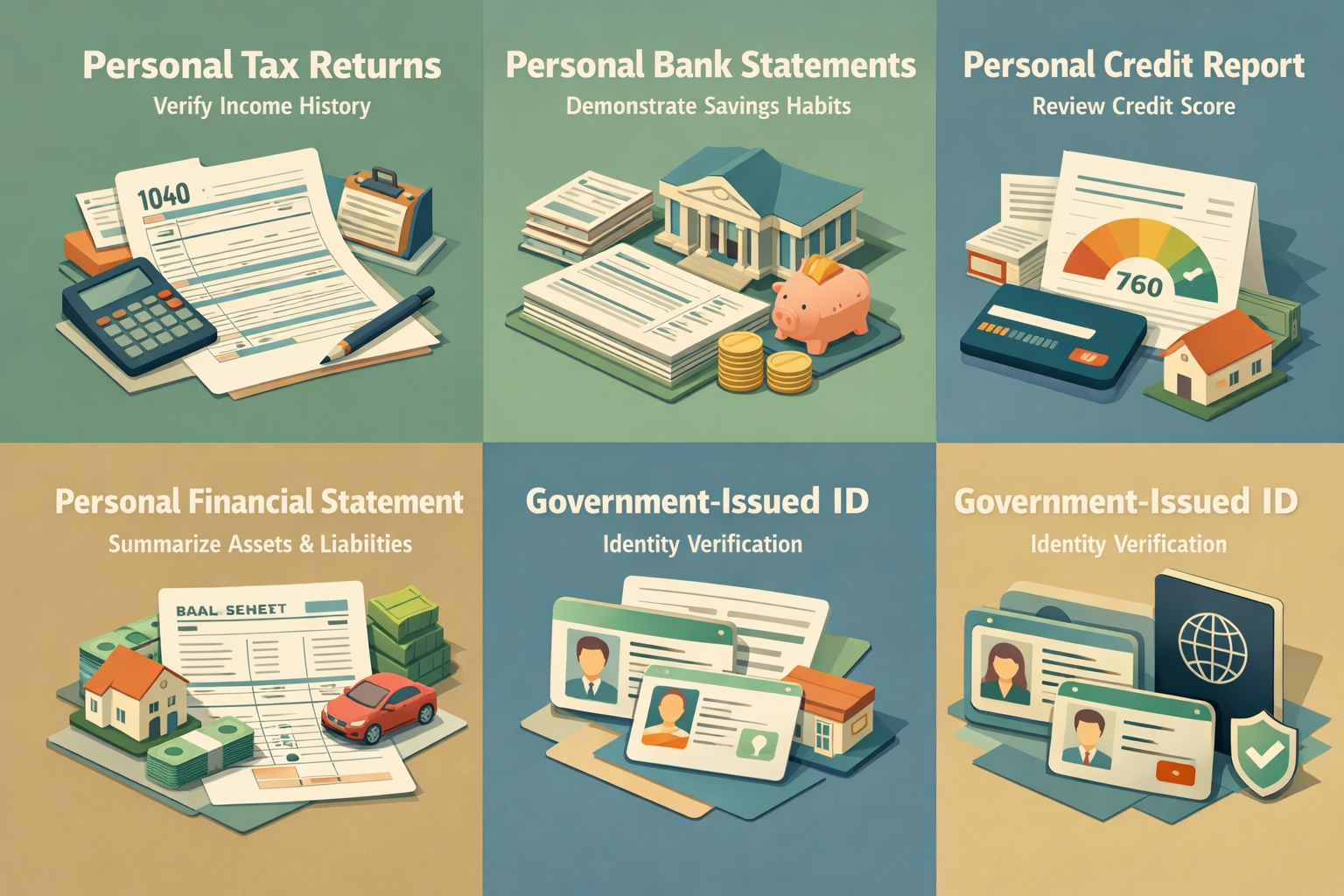
Because your business doesn't have a financial track record yet, lenders will lean heavily on your personal finances. Here's what you'll likely need to gather:
- Personal tax returns: Most lenders request two to three years of personal federal tax returns. These help verify your income history and give lenders a sense of your overall financial responsibility.
- Personal bank statements: Expect to provide three to six months of recent statements. These demonstrate your savings habits and available cash reserves.
- Personal credit report: Lenders will pull this themselves, but it's wise to review your own report in advance. A strong personal credit score — typically 650 or higher for many startup loan programs — may improve your chances of approval.
- Personal financial statement: This document summarizes your assets, liabilities, and net worth. Some lenders, particularly those offering SBA-backed loans, may require a signed personal financial statement on a standard form.
- Government-issued ID: A driver's license or passport is standard for identity verification purposes.
It's worth noting that some loan programs, like SBA Microloans, may be more flexible with credit requirements than conventional bank loans. Still, having your personal documents in order is essential regardless of which program you pursue.
Building a Business Plan That Actually Impresses Lenders
For a startup, your business plan might be the single most persuasive document in your entire application. It tells the story of your artisanal soap business — where it's going, how it'll get there, and why it's positioned to succeed. A strong business plan typically includes:
- Executive summary: A concise overview of your business concept, target market, and funding needs.
- Business description: Details about your soap products, production process, ingredients, branding, and what makes your offerings unique in a competitive marketplace.
- Market analysis: Research on your target customers, local and national demand for artisanal goods, competitor landscape, and pricing strategy.
- Sales and marketing strategy: How you plan to attract and retain customers — whether through social media, craft fairs, an e-commerce site, or wholesale partnerships with local retailers.
- Operations plan: Where you'll produce your soap, what equipment you need, how you'll manage inventory and fulfillment, and any relevant certifications or compliance considerations.
- Management team: Background information on you and any partners, highlighting relevant experience in manufacturing, retail, marketing, or finance.
- Financial projections: Projected income statements, cash flow forecasts, and balance sheets for at least two to three years. Lenders want to see that you've thought realistically about revenue timelines and expenses.
Your financial projections don't need to be perfect, but they should be grounded in realistic assumptions. Explain your methodology and be prepared to discuss the numbers if a lender asks follow-up questions.
Key Business Formation and Legal Documents to Include
Lenders need to verify that your artisanal soap business is a legitimate legal entity. Even if you're just getting started, having your business properly registered strengthens your application considerably. Common documents in this category include:
- Business registration documents: Articles of incorporation, articles of organization (for LLCs), or a DBA (doing business as) filing, depending on your business structure.
- Employer Identification Number (EIN): Issued by the IRS, this number identifies your business for tax purposes. You can apply for one online for free.
- Business licenses and permits: Depending on your state and local jurisdiction, you may need a general business license, a home occupation permit if you're producing soap at home, or specific permits related to cosmetic product manufacturing.
- Operating agreement or partnership agreement: If your soap business has multiple owners, lenders will likely want to see how ownership and decision-making authority are structured.
- Lease agreement: If you're renting a commercial kitchen, production space, or retail location, a copy of your lease shows lenders you have an operational home base.
Having these documents ready before you apply can prevent frustrating delays. Some borrowers lose momentum simply because they haven't completed basic business registration steps before approaching a lender.
What Documents Are Needed for a Startup Loan for an Artisanal Soap Business When Applying Through the SBA
The U.S. Small Business Administration offers several loan programs that may be well-suited for artisanal soap entrepreneurs, including SBA Microloans and SBA 7(a) loans. Each program has its own requirements, but in addition to the documents already mentioned, SBA applications often require:
- SBA borrower information form: A standard form that gathers background details about all principals with 20% or more ownership in the business.
- Statement of personal history: Some SBA programs ask for a brief personal history form, which may include questions about past legal issues or bankruptcies.
- Collateral documentation: While not all startup loans require collateral, SBA lenders may ask for documentation of assets you're willing to pledge, such as equipment, inventory, or personal property.
- Use of proceeds statement: A clear explanation of exactly how you intend to use the loan funds — for example, purchasing soap-making equipment, raw materials, packaging, or marketing expenses.
- Résumé or biography: Highlighting your background in soap making, small business operations, or related fields can bolster your credibility as a borrower.
SBA Microloans, which may go up to $50,000, could be particularly appropriate for artisanal soap startups that need smaller amounts of capital to get off the ground. These loans are often distributed through nonprofit intermediary lenders who may also offer business mentoring — a valuable resource for first-time entrepreneurs.
Startup Loan Documentation for Artisanal Products: Tips to Strengthen Your Application
Beyond assembling the right paperwork, there are a few strategic steps that could meaningfully improve your loan application's overall strength:
- Open a dedicated business bank account: Even if your business is brand new, having a separate account shows lenders that you treat your business finances professionally.
- Document any existing traction: Have you already sold soap at a local market, received wholesale inquiries, or built a social media following? Evidence of early demand — even informal — can support your projections.
- Include letters of intent or pre-orders: If any retailers or customers have expressed serious interest in purchasing your products, a letter of intent adds credibility to your revenue forecasts.
- Work with a SCORE mentor or SBDC advisor: Small Business Development Centers (SBDCs) and SCORE chapters offer free or low-cost guidance that can help you refine your business plan and financial projections before you apply.
- Check your personal credit well in advance: If your credit score needs improvement, addressing errors or paying down balances before applying could make a meaningful difference in your loan terms.
Preparation is everything when it comes to startup lending. Lenders appreciate borrowers who come to the table organized and knowledgeable about their own business and finances.
Choosing the Right Lender for Your Artisanal Soap Startup
Not all lenders approach startup loans the same way. It's worth exploring a few different options before committing to an application:
- Community banks and credit unions: These institutions often have more flexibility and a greater interest in supporting local entrepreneurs than large national banks might.
- Nonprofit microlenders: Organizations that administer SBA Microloans or their own microloan programs often work specifically with startups and may have more lenient documentation requirements.
- Online business lenders: Some online lenders cater to early-stage businesses, though their interest rates may be higher than traditional bank loans. Read all terms carefully.
- Crowdfunding and community lending platforms: While not traditional loans, some artisanal product entrepreneurs have successfully raised early capital through platforms that connect them with mission-aligned investors or supporters.
Comparing lenders is always a smart move. Look at interest rates, repayment terms, fees, and the lender's experience working with startups or small manufacturers. A lender who understands the artisanal products space may be better positioned to evaluate your application fairly.
●Conclusion
Knowing what documents are needed for a startup loan for an artisanal soap business puts you in a much stronger position from the very start of your financing journey. From personal tax returns and a compelling business plan to legal formation documents and a clear use-of-proceeds statement, each piece of documentation tells part of your story — and together, they make the case that your soap business is worth investing in. Take the time to organize everything carefully, seek guidance from free resources like SBDCs and SCORE, and explore the range of lenders available to small business startups. With the right preparation, the funding you need to grow your craft into a thriving business may be closer than you think. Ready to take the next step? Connect with a LoanWise business lending specialist today and get personalized guidance on your startup loan options.