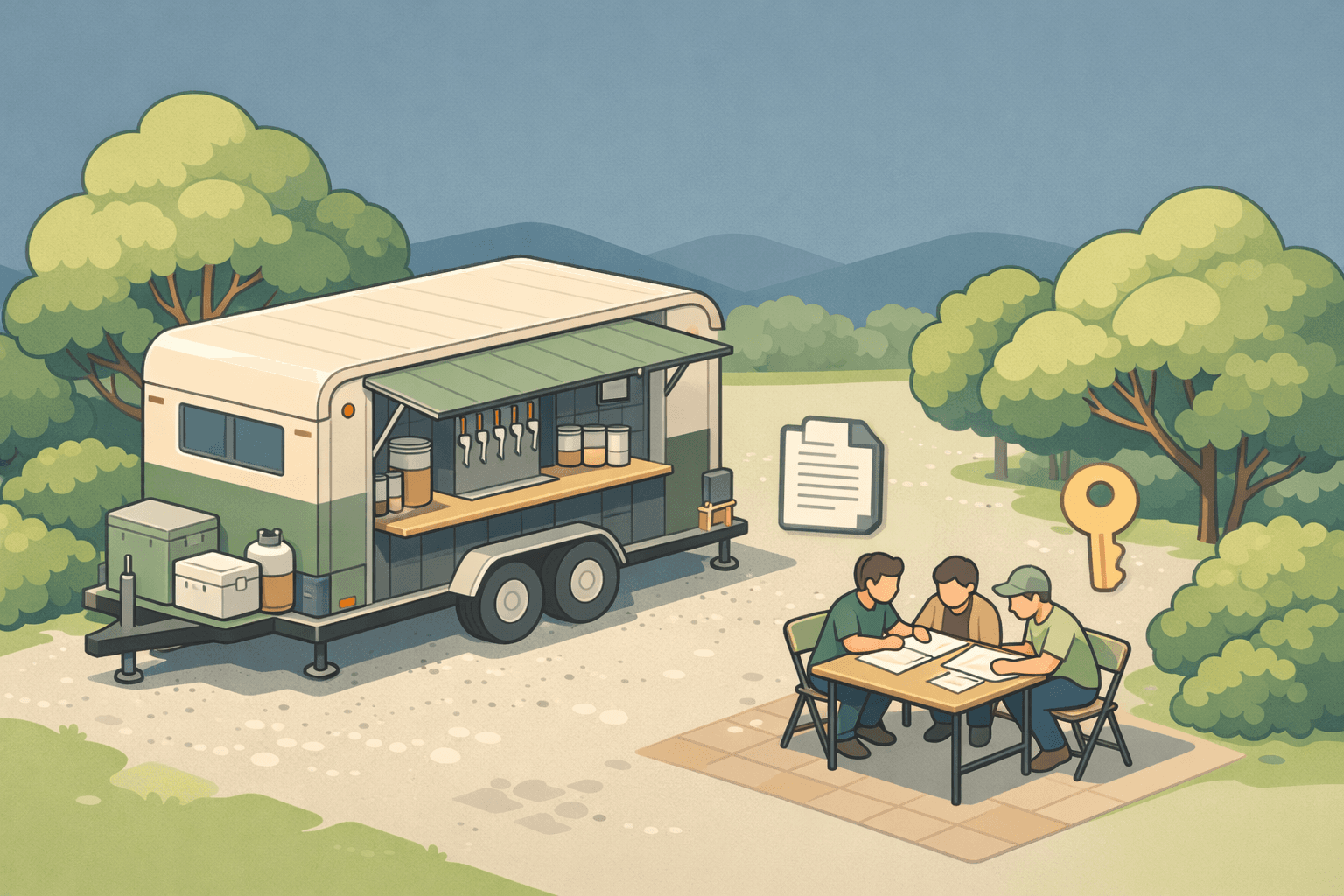
Starting a mobile craft brewery is an exciting venture for any entrepreneur passionate about craft beer. Whether you envision a taproom on wheels serving local festivals or a roaming brewing operation supplying restaurants, turning that dream into a funded business takes careful planning — and the right financing. The U.S. Small Business Administration (SBA) offers loan programs that can provide the capital new small business owners need, but the application process requires thorough documentation. If you've been wondering what documents are needed for an SBA loan for a new mobile craft brewery, this guide will walk you through everything step by step, so you can approach lenders with confidence and clarity.
Why SBA Loans Are a Strong Fit for Mobile Brewery Startups
SBA loans are among the most accessible and affordable financing options available to small business owners, particularly those launching new ventures. Programs like the SBA 7(a) loan and the SBA Microloan program may offer longer repayment terms, lower down payment requirements, and competitive interest rates compared to conventional business loans — making them especially attractive for entrepreneurs with limited startup capital.
A mobile craft brewery is a unique business model. Rather than investing in a fixed brick-and-mortar location, you're funding a mobile brewing unit, licensing, equipment, and the working capital to get operations running. This kind of asset-based, vehicle-focused startup could fit well within SBA 7(a) guidelines or the SBA 504 program depending on the size of your equipment investment. Understanding which program suits your needs is the first step before you gather your documentation.
SBA lenders typically look for businesses that demonstrate repayment ability, a sound business plan, adequate collateral, and a committed owner. As a new mobile craft brewery, you may not have years of revenue history, but a well-prepared application can still make a compelling case for approval.
Core Business Formation Documents Your Lender Will Request
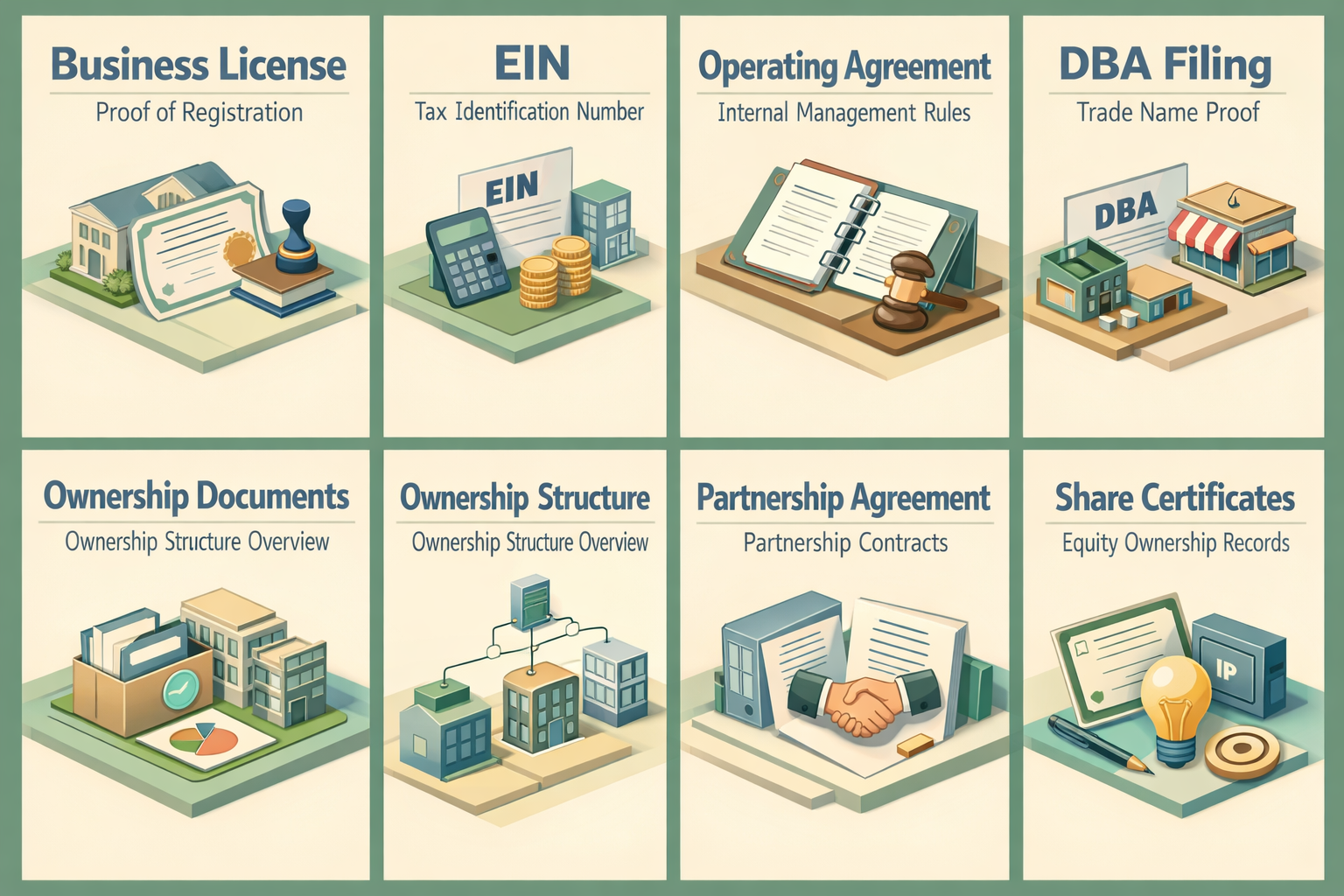
Before lenders can evaluate your loan request, they need to verify that your mobile craft brewery is a legally established business entity. This means gathering your foundational business formation paperwork. Most SBA loan lenders will require:
- Business license and registration: Proof that your business is registered with the state. This typically includes your Articles of Incorporation or Articles of Organization if you've formed an LLC.
- Employer Identification Number (EIN): Your EIN, issued by the IRS, identifies your business for tax purposes. You'll need this for virtually every part of the SBA application.
- Operating agreement or bylaws: If you have business partners or investors involved, lenders want to see the internal agreement that governs how the business is managed and how profits are distributed.
- DBA (Doing Business As) filing: If your mobile brewery operates under a trade name different from its registered name, include proof of that filing.
- Ownership and affiliation documents: SBA lenders need a complete picture of who owns the business and whether any affiliates or related businesses could affect eligibility.
Having these documents organized and ready demonstrates professionalism and helps streamline the underwriting process significantly.
Industry-Specific Permits and Licenses for a Mobile Craft Brewery
One of the most distinctive aspects of the SBA loan application for a mobile brewery is the range of industry-specific regulatory documents required. Brewing and selling alcohol is heavily regulated at the federal, state, and local levels, and lenders want assurance that your operation is — or will be — fully compliant before they commit funds.
Key permits and licenses you may need to gather or show progress on obtaining include:
- Federal Brewer's Notice: Issued by the Alcohol and Tobacco Tax and Trade Bureau (TTB), this federal permit is required before you can legally produce beer for sale. SBA lenders will likely want to see either an approved notice or evidence that an application is in progress.
- State alcohol beverage license: Each state regulates alcohol sales differently. Your state's Alcohol Beverage Control (ABC) board may issue a manufacturer's license, a mobile vendor license, or a special event permit depending on how you'll sell your product.
- Local health and food service permits: If your mobile brewery prepares or serves food alongside beverages, local health department inspections and permits may also apply.
- Vehicle registration and commercial vehicle permits: Your mobile brewing unit is likely built on a vehicle or trailer. Lenders may want to see current registration, commercial vehicle permits, and inspection records.
- Zoning and event permits: Depending on your operating model, documentation showing approval to operate at festivals, markets, or private events could strengthen your application.
Proactively organizing these regulatory documents signals to lenders that you understand the compliance landscape of the craft brewing industry and that you've planned responsibly for operations.
Financial Statements and Projections That SBA Lenders Evaluate
Because your mobile craft brewery is a startup, you likely won't have years of business financial history to present. However, SBA lenders still need robust financial documentation to assess your ability to repay the loan. Here's what you'll typically need to prepare:
- Personal financial statements: SBA Form 413 is a standard personal financial statement that all owners with 20% or more ownership must complete. It details your personal assets, liabilities, income, and net worth.
- Personal tax returns: Most SBA lenders require two to three years of personal federal tax returns. This helps the lender evaluate your personal income history even when business history is limited.
- Business tax returns (if applicable): If you operated a prior business, those returns may be requested. For brand-new startups, this requirement may be waived or replaced with other documentation.
- Startup cost summary: A detailed breakdown of how you plan to spend the loan proceeds — including the mobile brewing unit, equipment, licensing fees, initial inventory, and working capital reserves — is essential for new businesses.
- Cash flow projections: A forward-looking projection (typically covering two to three years) showing anticipated revenue, expenses, and net cash flow. Lenders want to see that your business model can generate enough income to cover loan payments.
- Profit and loss projections: Closely related to cash flow, a projected income statement gives lenders a sense of your expected profitability timeline.
It's worth working with a certified public accountant (CPA) or a financial advisor experienced in small business startups to make sure your projections are realistic, clearly formatted, and defensible during underwriting review.
The Business Plan: Your Most Important SBA Loan Document
If there's one document that carries the most weight in an SBA loan documents application for a new mobile craft brewery, it's the business plan. Since you're a startup without an established revenue track record, your business plan essentially becomes the lender's window into your market knowledge, operational strategy, and financial discipline.
A strong business plan for your mobile craft brewery should include:
- Executive summary: A concise overview of your business concept, mission, target market, and the amount of funding you're seeking.
- Business description: Details about your brewery's model — what styles of beer you'll produce, how the mobile unit will operate, and what events or venues you'll target.
- Market analysis: Research on the local craft beer market, your target customers, competitor landscape, and what makes your mobile brewery unique. Lenders want evidence of demand.
- Operations plan: How will the business run day to day? Include your brewing process, staffing plan, event booking strategy, and how you'll handle supply chain and equipment maintenance.
- Marketing and sales strategy: How will you attract customers and build brand awareness? Social media, event partnerships, taproom collaborations, and local distribution are common channels for mobile brewers.
- Management team overview: Highlight your relevant experience in brewing, food and beverage operations, or small business management. Lenders tend to favor borrowers with industry-specific expertise.
- Financial plan: This ties together your startup costs, funding request, projections, and repayment strategy into a cohesive picture.
Take time to craft this document carefully. A well-researched, clearly written business plan demonstrates the kind of credibility that can significantly improve your chances of SBA loan approval.
Collateral, Equity Injection, and Additional Supporting Documents
SBA lenders generally require that borrowers pledge available collateral when possible, though the SBA does not always decline loans solely due to insufficient collateral. For a mobile craft brewery, potential collateral may include the mobile brewing vehicle or trailer, brewing equipment, business assets, or personal real estate if applicable.
In addition to collateral documentation, most SBA startup loans require an equity injection — meaning you'll need to contribute a portion of the startup costs yourself. Lenders may ask for bank statements, investment account records, or a gift letter (if receiving funds from family) to verify that your equity contribution is genuine and not borrowed from another source.
Other supporting documents that are commonly requested include:
- Resume or curriculum vitae (CV): Particularly for startup loans, lenders want to see the owner's professional background and relevant experience. Brewing certifications, culinary training, or prior business ownership can all add credibility.
- Lease or letter of intent for a commissary kitchen: Many mobile brewing operations use a licensed commissary for production. If you have a lease or agreement in place, include it.
- Vendor quotes or equipment invoices: To substantiate your startup cost estimates, include quotes from suppliers for the mobile unit, brewing systems, refrigeration, and any other major purchases.
- Letters of intent from clients or venues: Even informal commitments from festival organizers or restaurant partners can demonstrate early market traction to a cautious lender.
Gathering these supporting materials ahead of time not only strengthens your application but can also accelerate the underwriting timeline, getting you closer to funding sooner.
●Conclusion
Understanding what documents are needed for an SBA loan for a new mobile craft brewery is the foundation of a successful application. From business formation papers and federal brewing permits to detailed financial projections and a compelling business plan, each document serves a purpose in helping lenders evaluate your creditworthiness and the viability of your venture. The process may feel daunting at first, but with a clear checklist and the right professional support, it's entirely manageable.
At LoanWise, we're here to help small business owners and entrepreneurs navigate the lending landscape with clarity and confidence. Whether you're exploring SBA loan options for a mobile craft brewery startup or looking for the right financing structure for your growing business, our team is ready to guide you through every step. Start organizing your documents today — your next great brew could be just one funded loan away.