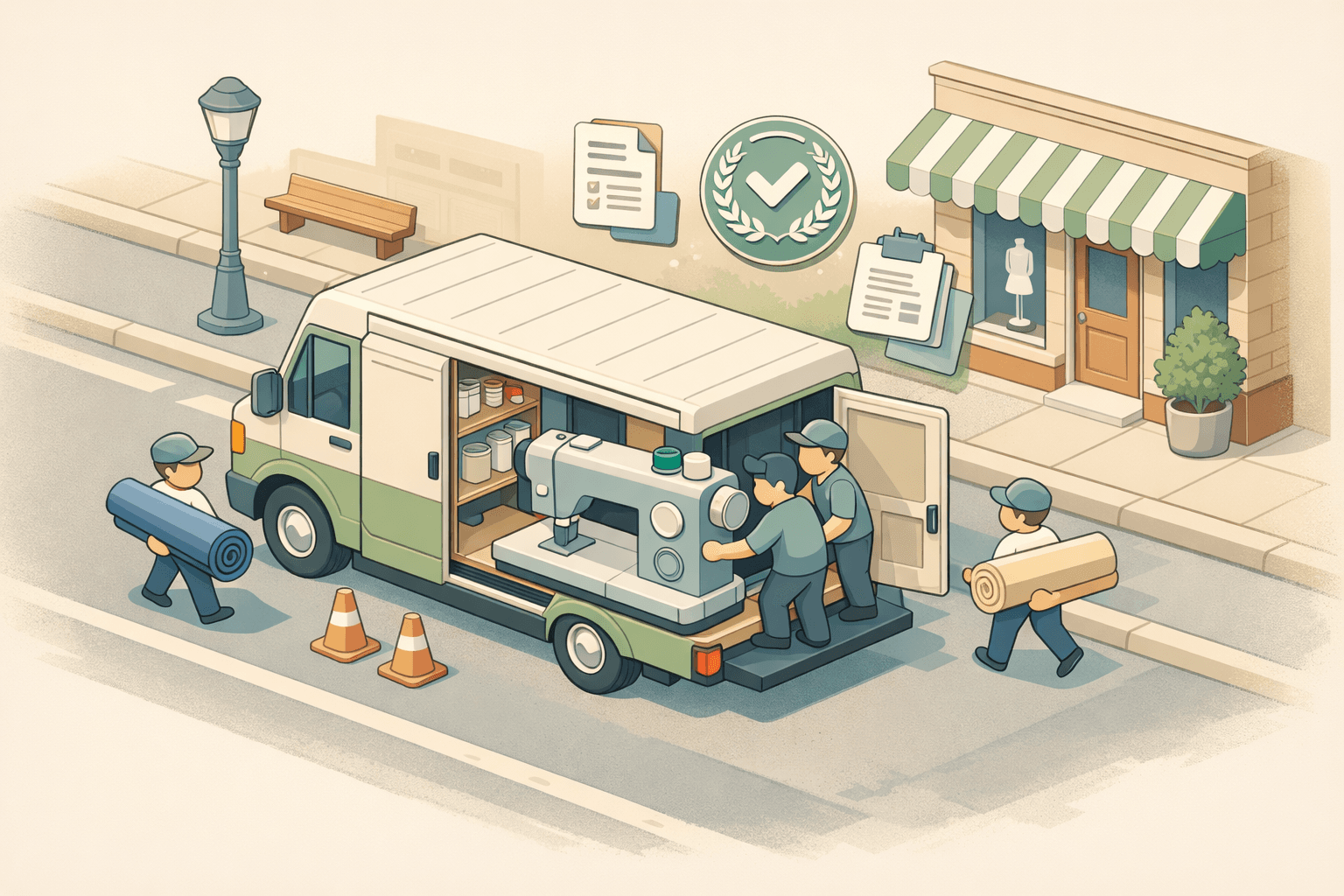
Starting a freelance mobile tailoring business is an exciting entrepreneurial move. You get the freedom to serve clients on your own schedule, build personal relationships, and grow a brand around your craft. But before you can take your skills on the road, you'll likely need one essential piece of equipment — a high-quality industrial sewing machine. These machines aren't cheap, and purchasing one upfront can strain a new business's cash flow. That's where financing comes in. Understanding the startup loan options for a freelance mobile tailoring business needing an industrial sewing machine can make the difference between launching strong and stalling before you even begin. In this guide, we'll walk through the most practical funding paths available to small business owners and self-employed tailors just getting started.
Why Financing Makes Sense for a New Mobile Tailoring Operation
Many first-time entrepreneurs assume they need to save every dollar before launching. While that's admirable, it's not always realistic — especially when the equipment you need is a core revenue driver. An industrial sewing machine capable of handling heavy fabrics, high stitch volumes, and professional-grade alterations can range from several hundred to several thousand dollars depending on the brand and features.
For a mobile tailoring business, this machine isn't just a tool — it's the engine of your entire operation. Without it, you can't deliver the quality or speed that clients expect. Taking out a small business loan or equipment financing to acquire it early can allow you to start generating income faster, which in turn helps you repay the loan more comfortably.
Financing also preserves your working capital. Rather than depleting your savings on equipment, you can keep cash on hand for vehicle expenses, marketing, fabric supplies, insurance, and other startup costs that come up in those first months of operation.
SBA Microloan Program: A Strong Starting Point for Freelance Tailors
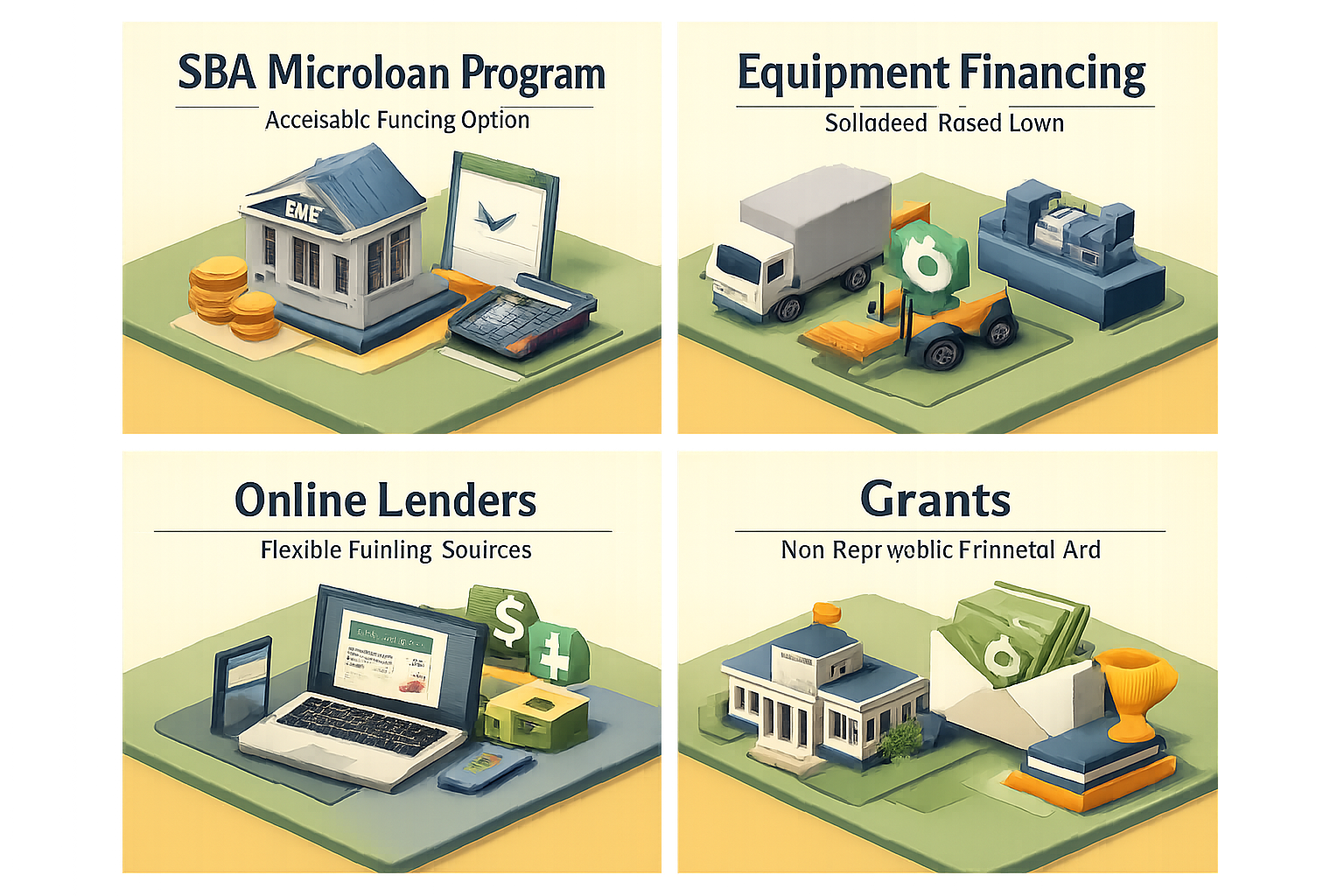
The U.S. Small Business Administration (SBA) Microloan Program is one of the most accessible funding options for new entrepreneurs with limited credit history or collateral. Designed specifically for small and startup businesses, microloans through this program can provide up to $50,000 in funding, though the average loan is significantly smaller — making it a practical fit for purchasing an industrial sewing machine and covering initial operating costs.
What makes SBA microloans particularly appealing for mobile tailors is that they're often distributed through nonprofit intermediary lenders who understand the needs of self-employed individuals and micro-businesses. These lenders may also offer technical assistance, business mentoring, and financial planning resources alongside the loan — something traditional banks typically don't provide.
- Loan amounts: Up to $50,000 (average closer to $13,000)
- Use of funds: Equipment, supplies, working capital, inventory
- Eligibility: Startups and small businesses with limited borrowing history
- Repayment terms: Up to six years
Interest rates on SBA microloans may vary depending on the intermediary lender, but they're generally considered competitive compared to alternative financing options. If you're just starting out and don't yet have strong business financials, this program could be worth exploring first.
Equipment Financing: Borrowing Specifically for Your Industrial Sewing Machine
Equipment financing is a lending structure where the equipment itself — in this case, your industrial sewing machine — serves as the collateral for the loan. This setup often makes approval more accessible for startup business owners because the lender has a tangible asset securing the debt.
With equipment financing, you typically borrow a percentage of the equipment's purchase price and repay it over a set term with interest. Once you've paid off the loan, you own the machine outright. This is different from equipment leasing, where you return the equipment at the end of the lease period (though leasing can also be a viable option if you prefer lower monthly payments or want to upgrade equipment over time).
For a freelance mobile tailoring entrepreneur, equipment financing offers several advantages:
- Easier approval since the machine itself reduces lender risk
- Fixed monthly payments that make budgeting predictable
- Potential tax benefits through depreciation deductions (consult a tax professional)
- You build equity in a business asset over time
Many banks, credit unions, and online lenders offer equipment financing programs tailored to small businesses. It's worth comparing rates and terms from multiple sources before committing, as interest rates and down payment requirements may differ meaningfully between lenders.
Online Business Lenders and Alternative Financing Platforms
If traditional bank loans feel out of reach — which they often do for brand-new businesses without years of financial statements — online lenders and alternative financing platforms may offer a faster, more flexible path to funding. These lenders typically use technology to evaluate creditworthiness beyond just credit scores, looking at factors like business potential, personal financial history, and even social proof in some cases.
Common alternative financing options for startup mobile tailors include:
- Short-term business loans: These may be available with less stringent requirements, though interest rates can be higher than traditional loans.
- Business lines of credit: A revolving credit line that lets you draw funds as needed, useful for covering both equipment and ongoing expenses.
- Personal loans for business use: If your business is too new to qualify for a business loan, a personal loan based on your personal credit may be an option — though it comes with its own risks.
- Peer-to-peer lending platforms: These connect borrowers directly with individual investors, sometimes offering competitive rates for creditworthy applicants.
When evaluating any online lender, be sure to read the fine print carefully. Look at the annual percentage rate (APR), not just the interest rate, to understand the true cost of borrowing. Reputable platforms will be transparent about fees, prepayment penalties, and repayment schedules.
Building Your Credit Profile Before Applying for Startup Funding
Your personal credit score plays a significant role in most startup loan decisions, especially when your business doesn't yet have its own credit history. Lenders typically look at your personal credit as a proxy for how responsibly you manage financial obligations. The stronger your score, the better your chances of approval — and the lower your interest rate may be.
Here are some practical steps freelance tailors can take to strengthen their credit before applying:
- Check your credit report: Review it for errors and dispute any inaccuracies. You're entitled to a free report from each major bureau annually.
- Pay down existing debt: Reducing your credit utilization ratio can give your score a meaningful boost relatively quickly.
- Avoid opening new accounts unnecessarily: Multiple hard inquiries in a short period can temporarily lower your score.
- Make all payments on time: Payment history is one of the most influential factors in credit scoring models.
In addition to personal credit, some lenders may want to see a basic business plan, revenue projections, or proof of any existing clients or contracts. Even as a startup, having a professional business plan in hand demonstrates seriousness and preparation — qualities lenders find reassuring.
Grants and Community Resources That May Supplement Your Loan
While loans require repayment, grants do not — making them an attractive supplement to your startup financing strategy. Although grant competition can be stiff, they're worth pursuing, especially if you belong to an underserved or underrepresented group in entrepreneurship.
Several organizations and government programs offer grants to small business owners, including those in creative trades like tailoring and fashion. Some possibilities to explore include:
- CDFI (Community Development Financial Institution) grants: CDFIs often serve entrepreneurs in low-income or underserved communities and may offer both grants and low-interest loans.
- State and local small business development programs: Many states have economic development agencies that provide grants or subsidized loans to new small businesses.
- Women- and minority-owned business grants: If applicable, these programs can provide meaningful financial support for qualifying entrepreneurs.
- Crowdfunding platforms: Sites like Kickstarter or GoFundMe allow you to raise startup funds from your community, which can help cover equipment costs without taking on debt.
Combining a small grant with an SBA microloan or equipment financing could significantly reduce how much you need to borrow, lowering your monthly obligations and making your new mobile tailoring business more financially sustainable from day one.
How to Choose the Right Startup Loan for Your Mobile Tailoring Goals
With several financing options on the table, it can feel overwhelming to decide which path is right for you. The best approach is to match the loan type to your specific situation and priorities. Consider the following questions as you evaluate your options:
- How quickly do you need funds? SBA loans may take weeks to process, while online lenders may fund within days.
- What's your credit score? Higher scores open more doors and lower your cost of borrowing.
- How much do you need? If you only need a few thousand dollars for a sewing machine, a microloan or equipment financing may be more appropriate than a larger term loan.
- Can you handle monthly payments? Calculate whether your projected income can comfortably cover loan repayments while leaving room for operating costs.
- What assets do you have? Equipment financing may be easier to obtain if you're comfortable using the sewing machine as collateral.
It's also wise to speak with a small business advisor before committing to any loan. The SBA's Small Business Development Centers (SBDCs) offer free consulting to entrepreneurs across the country and can help you compare startup loan options for a freelance mobile tailoring business needing an industrial sewing machine based on your unique financial picture.
●Conclusion
Launching a freelance mobile tailoring business takes skill, drive, and the right equipment. An industrial sewing machine is one of the most critical investments you'll make early on — and the good news is, you don't have to wait until you've saved every dollar to get started. From SBA microloans and equipment financing to online lenders and community grants, there are multiple viable paths to funding your startup journey. The key is understanding your options, knowing what lenders are looking for, and taking a strategic approach to borrowing. At LoanWise, we're here to help small business owners and entrepreneurs navigate the lending landscape with confidence. Explore your options today and take the next step toward turning your tailoring talent into a thriving mobile business.