Starting a custom terrarium design business is an exciting venture. Whether you plan to craft living moss walls, miniature desert landscapes, or lush tropical ecosystems in glass enclosures, there's a growing market for handcrafted, nature-inspired decor. But like any creative small business, turning your passion into a profitable operation often requires startup capital. That's where a terrarium business startup loan comes in. Before a lender hands over funding, though, they'll want to see that you're organized, credible, and financially prepared. Understanding what documents are needed for a startup loan for a custom terrarium design business is the first step toward securing the financing you need to grow.
Why Lenders Require Documentation for Creative Startup Businesses
Lenders—whether banks, credit unions, or SBA-approved institutions—take on risk every time they approve a loan. For startups, that risk is generally higher because there's no established revenue history to review. This is especially true for niche creative ventures like custom terrarium design, where lenders may not be immediately familiar with the market or its earning potential.
To offset that uncertainty, lenders rely on documentation. A thorough application package tells your story, demonstrates your expertise, and gives the lender confidence that you've thought through your business model. Think of it as building trust on paper. The more organized and complete your submission, the stronger your chances of approval for horticultural startup loans or general small business financing.
It's also worth noting that different loan types may have different requirements. SBA Microloans, for example, may have lighter documentation thresholds compared to SBA 7(a) loans, which tend to be more comprehensive. Understanding what's expected for each loan type can help you target the right program for your situation.
Core Business Documents Every Startup Loan Application Needs
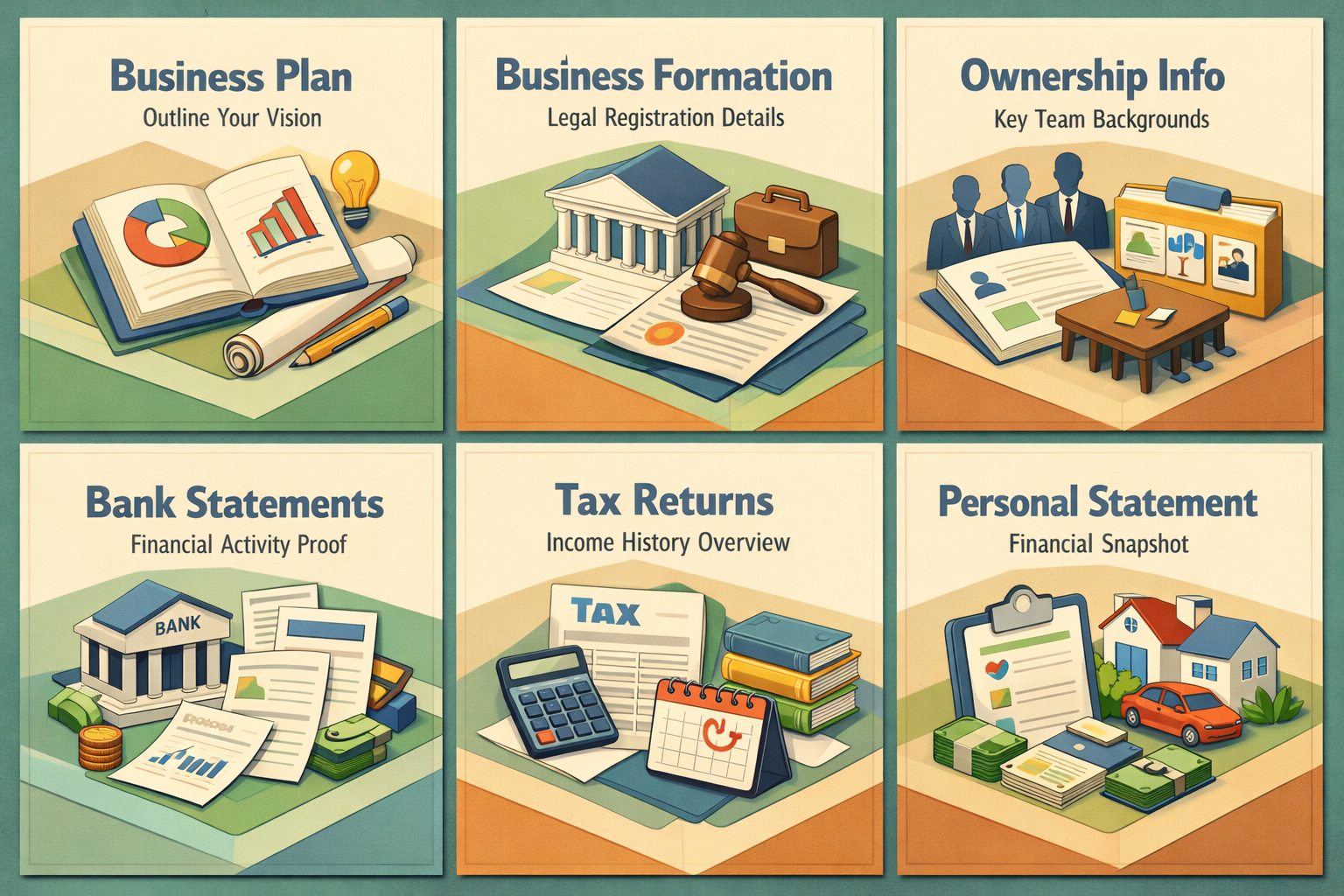
Regardless of the lender or loan type, most startup loan applications for a custom terrarium design business will require a core set of business documents. These foundational materials help establish your legitimacy as a borrower and the viability of your venture.
- Business Plan: This is arguably the most critical document in your application. Your business plan should clearly outline what your custom terrarium business does, who your target customers are, how you plan to generate revenue, and what makes your offering unique. Include sections on your products or services, marketing strategy, operational plan, and competitive landscape.
- Business Formation Documents: If you've already registered your business, include your Articles of Incorporation or Articles of Organization, your Employer Identification Number (EIN) from the IRS, and any applicable business licenses or permits required in your state or locality.
- Ownership and Management Information: Lenders want to know who is behind the business. Be prepared to provide resumes or bios that highlight relevant experience—whether that's in horticulture, retail, design, or entrepreneurship.
- Business Bank Account Statements: Even as a startup, if you've opened a dedicated business bank account, those statements can demonstrate early financial activity and show that you're operating professionally.
For small business loan documentation for creators, these foundational items set the tone for the rest of your application. Don't rush through them—quality matters more than quantity.
Financial Projections That Show Lenders Your Terrarium Business Can Grow
Since you likely won't have years of business revenue to present, financial projections become your substitute for a financial track record. These are forward-looking statements that estimate your expected income, expenses, and profitability over the next one to three years.
Your projections should be realistic and supported by research rather than optimistic guesses. For example, if you plan to sell custom terrariums at craft fairs, online, and through local boutiques, you should estimate how many units you might reasonably sell per month at each channel, what your materials and labor costs will be, and what your net profit margin might look like.
- Profit and Loss Projection (P&L): A month-by-month or quarterly breakdown of expected revenue minus operating costs for at least the first 12 to 24 months.
- Cash Flow Statement: This shows when money is expected to come in and go out, which helps lenders see whether you'll be able to make loan repayments consistently.
- Break-Even Analysis: This calculation shows how much revenue you need to cover your costs. It's a simple but powerful tool that demonstrates financial awareness.
- Use of Funds Statement: Be specific about how you plan to use the loan proceeds. Will you purchase growing supplies and containers? Invest in a website and e-commerce setup? Rent a studio space? Lenders want to see that funds are tied to business growth activities.
When preparing these documents for your custom plant business financing application, consider working with an accountant or a SCORE mentor who can help validate your assumptions and present numbers in a professionally accepted format.
Personal Financial Documents That Support Your Loan Application
For startup businesses, lenders often look closely at the owner's personal financial profile since the business itself doesn't yet have a financial history. This is especially common with SBA loans and traditional bank loans where personal guarantees are typically required.
- Personal Tax Returns: Most lenders will ask for two to three years of personal federal tax returns. These help establish your income history and give insight into your overall financial responsibility.
- Personal Financial Statement: This is a snapshot of your personal assets, liabilities, and net worth. Many lenders provide their own form for this, or you can use an SBA Form 413 if applying through an SBA-backed program.
- Personal Bank Statements: Typically the last three to six months of statements from your personal checking and savings accounts may be requested.
- Credit Report Authorization: While lenders will pull your credit directly, you may be asked to authorize this formally. A stronger personal credit score may improve your chances of approval and could influence the interest rate offered.
It's worth knowing that some lenders may be more flexible on personal credit scores for startup loans if other elements of your application are strong—such as collateral, industry experience, or a well-developed business plan. If your credit history has some gaps or blemishes, address them proactively in your application and be prepared to explain any circumstances.
Understanding What Documents Are Needed for a Startup Loan for a Custom Terrarium Design Business With SBA Programs
SBA loan programs are among the most popular financing options for small business owners because they often offer favorable terms and lower down payment requirements. For a terrarium design startup, two SBA programs may be particularly worth exploring: the SBA Microloan and the SBA 7(a) loan.
The SBA Microloan program offers loans up to $50,000 through nonprofit intermediary lenders. These are often well-suited for small creative businesses that need modest startup capital for supplies, equipment, or initial marketing. Documentation requirements for microloans may be somewhat simpler, but you'll still typically need a business plan, financial projections, and personal financial information.
The SBA 7(a) loan is a broader program that can accommodate larger funding needs and comes with a more thorough documentation requirement. In addition to the documents already mentioned, you may also need to provide:
- A completed SBA borrower information form (SBA Form 1919)
- A personal background and financial statement (SBA Form 912 and 413)
- Any existing contracts, letters of intent, or purchase orders that demonstrate customer demand
- A description of collateral you're offering, if applicable
- Any prior loan applications or business debt schedule, if relevant
Intermediary lenders and community development financial institutions (CDFIs) that participate in SBA programs may also have their own supplemental requirements, so it's smart to contact them early in your process to get a complete checklist tailored to their criteria.
Industry-Specific Documents That Strengthen a Horticultural Startup Loan Application
Because custom terrarium design is a niche business, adding industry-specific documentation to your application could set you apart from other startup applicants. These materials demonstrate that you understand your market and have done your homework.
- Supplier Agreements or Quotes: If you've already established relationships with plant wholesalers, glass suppliers, or soil and substrate vendors, include written quotes or informal agreements. This shows lenders that your cost estimates are grounded in real pricing.
- Portfolio or Product Samples: While lenders aren't designers, visual evidence of your work—such as a professional portfolio, lookbook, or website with product photos—can help make your business feel tangible and credible.
- Market Research Summary: Include data or references showing demand for custom terrariums, indoor plant decor, or sustainable green design. Trends in biophilic design and home decor that favor nature-inspired products could support your case.
- Letters of Intent from Potential Customers or Retailers: Even informal letters from boutique shops, interior designers, or event planners expressing interest in your products can demonstrate that revenue is on the horizon.
- Relevant Certifications or Training: If you've completed courses in horticulture, floral design, retail entrepreneurship, or small business management, include those credentials. They reinforce your ability to run the business successfully.
For horticultural startup loans specifically, showing that you understand plant care, supply logistics, and customer education—especially for living terrariums—can help a lender see that you're not just creative but also operationally capable.
Tips for Organizing and Submitting a Strong Loan Application Package
Knowing what documents to gather is only half the battle. Presenting them in a clear, organized, and professional way can make a meaningful difference in how lenders perceive your application. Here are some practical tips to help you put your best foot forward.
- Create a table of contents: If you're submitting a physical or PDF packet, include a simple table of contents so lenders can easily navigate your materials.
- Label every document clearly: Use consistent naming conventions for digital files and clear headers on physical documents to avoid confusion.
- Double-check for completeness: Missing documents are one of the most common reasons for loan application delays. Use a checklist and review it multiple times before submitting.
- Be honest and transparent: If there are weaknesses in your application—like limited credit history or no prior business ownership—acknowledge them and explain what steps you're taking to address them. Lenders generally respond better to honesty than to discovering issues on their own.
- Seek guidance before you apply: Organizations like SCORE, Small Business Development Centers (SBDCs), and Women's Business Centers offer free or low-cost consulting to help entrepreneurs prepare loan applications. Taking advantage of these resources before you submit could meaningfully improve your chances.
Ultimately, knowing what documents are needed for a startup loan for a custom terrarium design business is about more than compliance—it's about telling a compelling story that makes a lender want to invest in your vision.
●Conclusion
Launching a custom terrarium design business takes creativity, dedication, and the right financial foundation. Securing a startup loan can give you the capital you need to purchase materials, build your brand, and reach your first customers. By gathering the right documentation—from a solid business plan and realistic financial projections to personal financial records and industry-specific supporting materials—you give yourself the best possible chance at approval. Whether you're exploring SBA Microloans, traditional term loans, or custom plant business financing through a community lender, preparation is your greatest asset. Start building your application early, seek expert guidance where possible, and approach the process with confidence. Your terrarium business deserves a strong financial start.