Starting a freelance mobile dog grooming business is an exciting entrepreneurial venture — but funding the specialized van and equipment you need can feel overwhelming. Whether you're a pet lover ready to turn your passion into a profession or a seasoned groomer going solo, securing the right financing is one of the most important steps you'll take. The good news is that there are several practical startup loan options for freelance mobile dog grooming business needing specialized van setups, and understanding them can make a real difference in how quickly and confidently you launch. This guide walks you through what's available, what lenders typically look for, and how to position yourself for success.
Why a Specialized Van Changes Your Financing Strategy
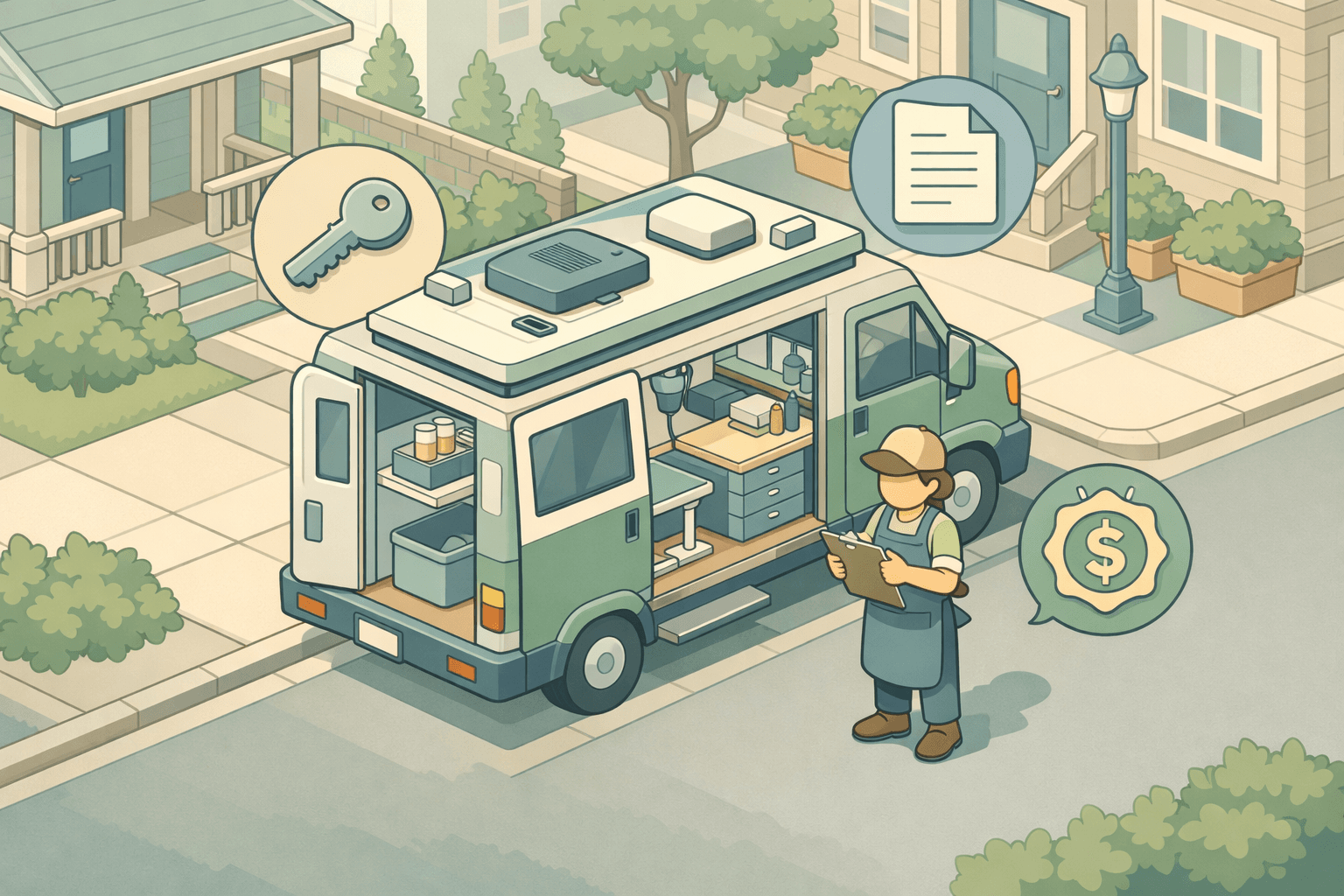
Unlike a traditional brick-and-mortar grooming salon, a mobile grooming business runs entirely out of a custom-outfitted van. These vehicles aren't your average cargo vans — they're typically equipped with grooming tables, water tanks, hydraulic tubs, blow dryers, electrical systems, and climate control units. A fully converted grooming van can cost anywhere from $30,000 to over $100,000, depending on the build and equipment level.
This distinction matters when you approach lenders. Because the van itself is a tangible, revenue-generating asset, it may qualify you for asset-based lending products rather than general-purpose business loans. That's actually a favorable position to be in as a startup borrower, since the collateral can reduce some of the lender's risk — and potentially improve your chances of approval even with limited business history.
Understanding this dynamic helps you target the right type of loan from the start, rather than applying broadly and facing multiple rejections that could affect your credit profile.
SBA Loan Programs Worth Considering for New Mobile Business Owners
The U.S. Small Business Administration (SBA) offers several loan programs that may be accessible to freelance entrepreneurs launching a mobile grooming operation. Two options stand out for startups in particular.
SBA Microloans for Small Startups
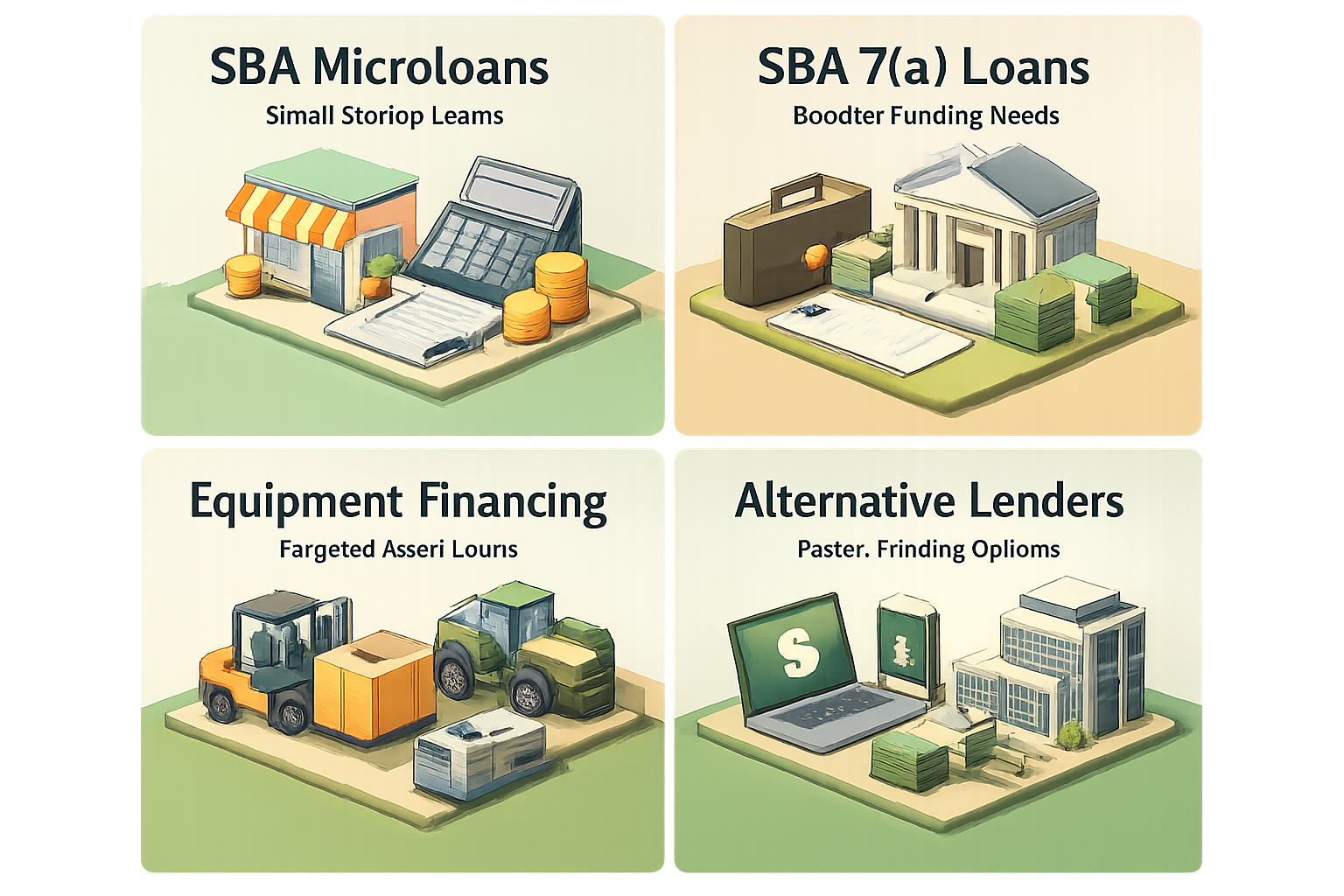
SBA Microloans are designed specifically for newer, smaller businesses that may not yet qualify for conventional bank financing. These loans go up to $50,000 and are distributed through nonprofit intermediary lenders. For a solo groomer purchasing a modest van setup or partially financing a larger build, a microloan could cover a meaningful portion of startup costs. Repayment terms can extend up to six years, which may help keep monthly payments manageable in those early months when client volume is still growing.
SBA 7(a) Loans for Broader Startup Needs
If your total startup budget — including the van, equipment, licensing, insurance, and initial operating costs — exceeds what a microloan covers, an SBA 7(a) loan might be a better fit. These loans can go up to $5 million, though most mobile grooming startups would likely seek a much smaller amount. The 7(a) program allows funds to be used for working capital, equipment, and vehicle acquisition. Approval typically requires a solid business plan, personal credit history, and sometimes collateral. As a newer business, you may also need to demonstrate relevant grooming experience to satisfy lender confidence.
Equipment and Vehicle Financing as a Targeted Funding Path
One of the most direct startup loan mobile business van solutions is equipment financing — a loan type specifically structured around purchasing business-use assets. With equipment financing, the van or grooming unit itself typically serves as collateral, which means lenders may be more willing to work with early-stage borrowers who have limited business credit history.
Here's how it generally works: the lender finances a percentage of the van's purchase price, and you repay the loan over a fixed term with interest. Once the loan is paid off, you own the asset outright. Some lenders also offer equipment leasing arrangements, where you essentially rent the van for a set period. Leasing may offer lower monthly payments and the option to upgrade equipment over time, but you won't build equity in the vehicle.
For a freelance groomer just starting out, equipment financing often makes sense because:
- Approval decisions are frequently tied to the asset's value rather than business revenue history
- Terms may be structured to match the useful life of the vehicle
- It keeps other credit lines open for working capital needs
It's worth shopping multiple lenders — including online lenders, credit unions, and specialty commercial vehicle financiers — to compare rates and terms before committing.
Alternative Lenders and Online Platforms for Faster Startup Funding
Traditional bank loans can be slow to process and may require extensive documentation that a brand-new freelance business doesn't yet have. That's where alternative lenders and online lending platforms can offer a practical middle ground. Many of these lenders specialize in working with startups and self-employed borrowers, and their application processes tend to be faster and more flexible.
Some options worth exploring include:
- Online term loans: Offered by fintech lenders with streamlined applications. Terms and rates vary widely, so comparing offers is essential.
- Business lines of credit: Useful for covering fluctuating startup expenses like grooming supplies, marketing, or insurance — separate from the van purchase itself.
- Peer-to-peer lending platforms: Some platforms connect small business borrowers directly with individual investors. Credit requirements may differ from traditional banks.
- CDFI lenders (Community Development Financial Institutions): These mission-driven lenders often serve entrepreneurs who face barriers to conventional credit, including those launching nontraditional businesses like mobile grooming.
Keep in mind that alternative lenders may charge higher interest rates than SBA or bank loans, particularly for borrowers with limited credit history. Always read the full loan terms — including origination fees, prepayment penalties, and APR — before signing.
How Lenders Evaluate Startup Loan Applications in This Niche
Whether you're approaching a bank, an SBA lender, or an online platform, understanding how lenders think about startup risk can help you prepare a stronger application. Here are the key factors they typically assess:
Personal Credit Score
For a brand-new business with no credit history, lenders will lean heavily on your personal credit score. A score in the mid-600s or higher may open more doors, though some alternative lenders work with scores below that. Checking your credit report in advance — and addressing any errors — is a smart first step.
Business Plan and Revenue Projections
A well-structured business plan signals to lenders that you've thought through the opportunity seriously. Include your target service area, pricing model, projected client volume, and operating cost breakdown. For a mobile grooming business, showing that recurring clientele is realistic in your local market can strengthen your case.
Industry Experience and Credentials
Some lenders, especially SBA intermediaries, may want to see that you have relevant grooming experience or certifications. Professional grooming credentials — such as those from the National Dog Groomers Association of America — could help demonstrate that you're not just buying a van but entering a field where you have real expertise.
Down Payment Capacity
Many equipment lenders and SBA programs may require a down payment, often ranging from 10% to 30% of the total asset cost. Having some capital saved shows financial responsibility and reduces the lender's exposure.
Grants and Community Resources That Could Supplement Your Loan
While loans are the primary vehicle for startup funding, it's worth knowing that grants and local resources may help reduce how much you need to borrow. Small business grants don't require repayment, which makes them an attractive supplement — though competition is typically high and award amounts can be modest.
Places to look for small business grants relevant to mobile or pet-industry entrepreneurs include:
- Your state or local economic development office
- Women-owned or minority-owned business grant programs, if applicable
- Pet industry associations that may offer startup support funds
- Local chambers of commerce or Small Business Development Centers (SBDCs)
SBDCs in particular can be genuinely valuable — they offer free consulting to help you refine your business plan, identify appropriate funding sources, and prepare loan applications. Connecting with one before you apply for any loan could improve both your strategy and your approval odds.
●Conclusion
Launching a freelance mobile dog grooming business takes real courage — and real capital. The good news is that the startup loan options for freelance mobile dog grooming business needing specialized van needs are more varied than many entrepreneurs realize. From SBA microloans and 7(a) programs to equipment financing and CDFI lenders, there's a pathway worth exploring for almost every credit profile and budget. The key is to prepare thoroughly — build your business plan, know your numbers, check your credit, and shop multiple lenders before committing. At LoanWise, we're here to help small business owners and entrepreneurs find the right financing solutions for every stage of their journey. Ready to take the next step? Connect with a lending specialist today and get clarity on which loan program fits your mobile grooming startup best.