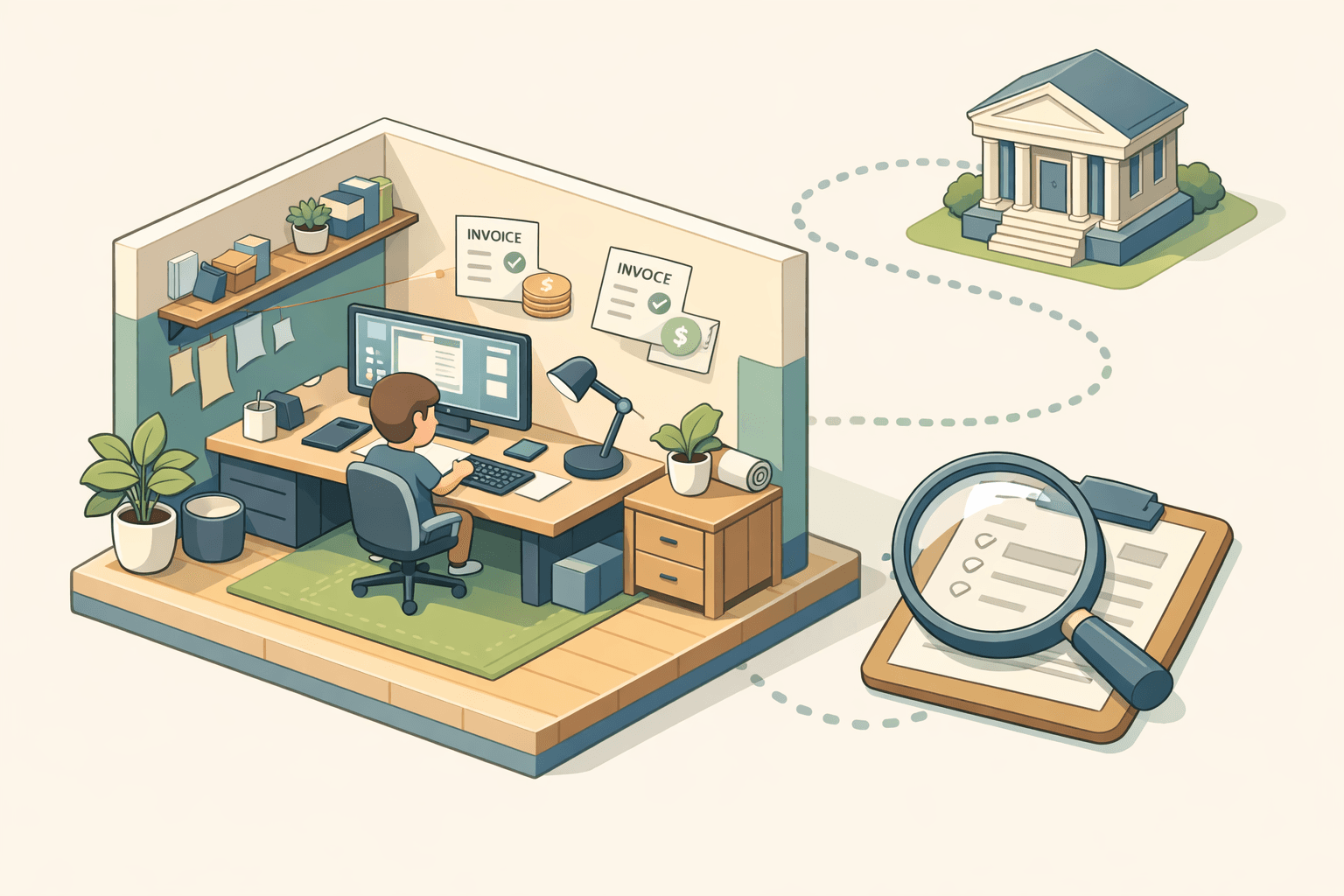
Freelance graphic design is a rewarding career — but it comes with a financial reality that salaried employees rarely face: income that rises and falls with every project cycle. One month you might land three major contracts, and the next month your pipeline runs dry. This inconsistency makes it difficult to cover recurring expenses like software subscriptions, equipment upgrades, marketing costs, and even everyday living bills. That's where a working capital loan for freelancers can make a real difference. If you've ever wondered how to get a working capital loan for freelance graphic designer with fluctuating payments, you're not alone — and the good news is that lenders are increasingly recognizing the unique needs of self-employed creative professionals. This article walks you through everything you need to know, from understanding your loan options to strengthening your application.
Why Freelance Graphic Designers Struggle With Traditional Financing
Traditional lenders — especially banks — were largely built around borrowers with predictable, verifiable income. For a W-2 employee, proving income is straightforward: a few pay stubs and a tax return are usually enough. But for a freelance graphic designer, income documentation looks very different. Payments may come from a dozen different clients, arrive at irregular intervals, and vary significantly in size from month to month.
This unpredictability can make lenders nervous. Many conventional loan products require a consistent monthly income or a minimum debt-to-income ratio that freelancers may struggle to demonstrate on paper — even when their annual earnings are strong. Additionally, newer freelancers who haven't yet built two years of self-employment history may find themselves disqualified from programs that require it.
The challenges don't stop there. Freelancers often lack business collateral, don't have a long business credit history, and may mix personal and business finances — all of which can complicate the approval process. Understanding these hurdles ahead of time is the first step toward overcoming them.
What Is a Working Capital Loan and How Can It Help You
A working capital loan is a type of short-term financing designed to cover day-to-day operational expenses rather than long-term investments or asset purchases. For a freelance graphic designer, this might mean using borrowed funds to pay for Adobe Creative Cloud subscriptions, invest in a new computer or tablet, cover a slow billing month, hire a part-time assistant, or run a targeted marketing campaign to attract new clients.
Unlike a business term loan that might require collateral or a lengthy repayment schedule, working capital loans are typically more flexible and faster to access. They're meant to bridge the gap between when expenses occur and when client payments actually arrive — a common pain point for creative freelancers who may invoice clients and then wait 30, 60, or even 90 days for payment.
A working capital loan for freelancers can also help you say "yes" to larger projects that require upfront investment in tools, subcontractors, or materials before you collect payment. In this way, the right financing could actually help you grow your freelance business rather than just survive a slow period.
How to Get a Working Capital Loan for Freelance Graphic Designer With Fluctuating Payments
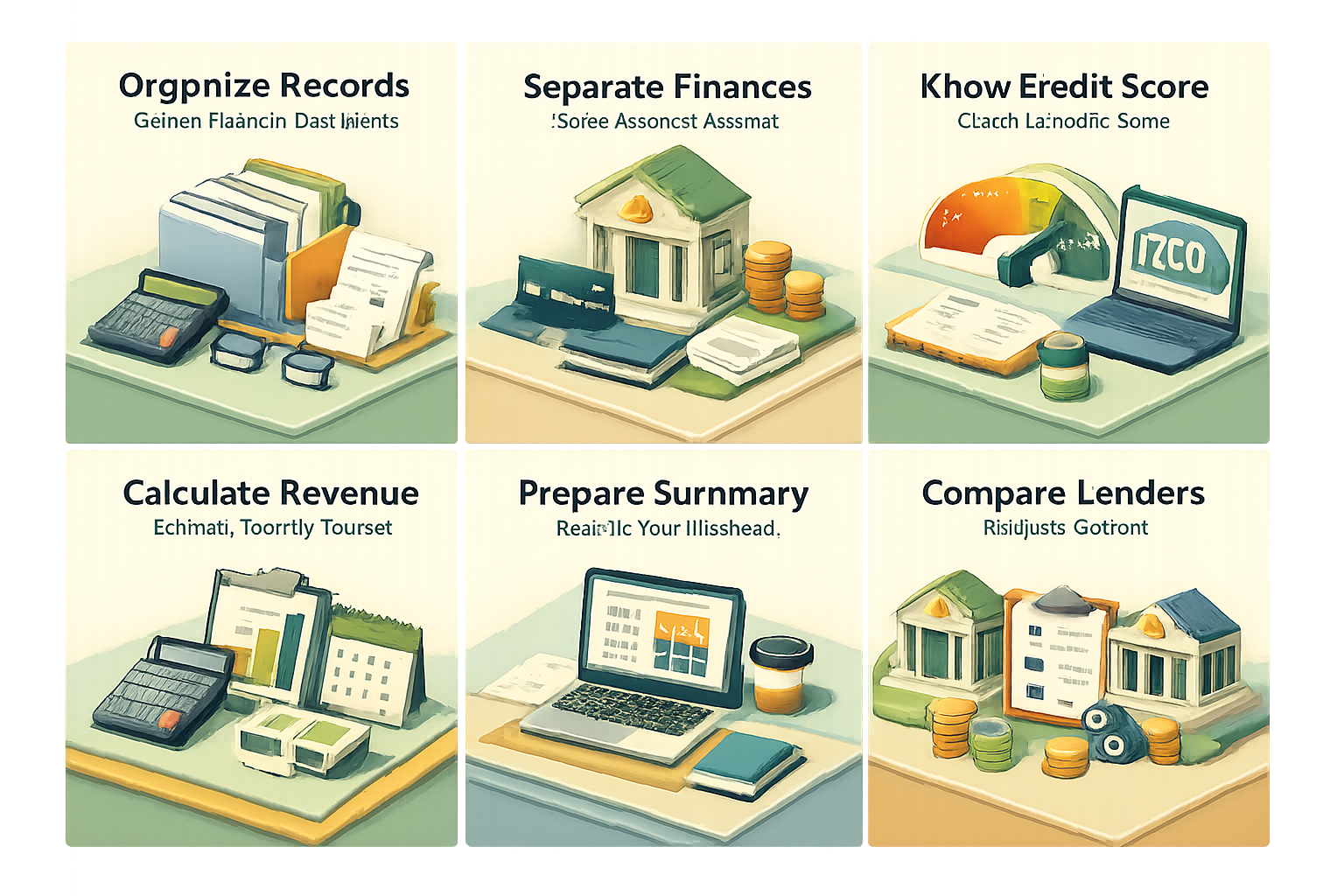
Learning how to get a working capital loan for freelance graphic designer with fluctuating payments starts with knowing what lenders actually look for when traditional income documentation is limited. Here's a practical step-by-step approach:
- Organize your financial records: Gather bank statements from the past 6 to 12 months, invoices, contracts, and tax returns. Even if your income varies, a consistent average monthly deposit can work in your favor.
- Separate business and personal finances: Open a dedicated business bank account if you haven't already. Lenders may look more favorably on applicants whose business transactions are clearly documented and separate from personal spending.
- Know your credit score: Many working capital loan providers — especially online lenders — place significant weight on personal credit scores for sole proprietors. A score of 600 or above may open more doors, though requirements vary by lender.
- Calculate your average monthly revenue: Lenders often use an average of your last 3 to 6 months of deposits to estimate your income. Be prepared to explain any major dips or spikes in your revenue.
- Prepare a brief business summary: Some lenders may ask for a description of what you do, who your clients are, and how long you've been freelancing. A clear, confident summary can strengthen your application.
- Compare multiple lenders: Don't apply to just one. Online lenders, credit unions, and community banks may each have different eligibility thresholds, rates, and terms for freelance borrowers.
Taking these steps before you apply can meaningfully improve your chances of approval and help you secure terms that actually work for your cash flow cycle.
Loan Types That May Work Best for Freelance Creative Professionals
Not every loan product is well-suited to the freelance lifestyle. Here are some financing options that may be worth exploring:
Business Line of Credit
A business line of credit is one of the most flexible tools available to freelancers. You're approved for a maximum credit limit and can draw funds as needed, paying interest only on what you use. This works well for managing unpredictable cash flow because you can borrow during slow months and repay when client payments come in. Some online lenders offer lines of credit to freelancers with as little as six months in business.
SBA Microloans
The U.S. Small Business Administration's Microloan program offers loans up to $50,000 through nonprofit intermediary lenders. These could be a solid option for freelance graphic designers who need a modest amount of capital and are willing to work with a community-based lender. Eligibility requirements may be more flexible than traditional bank loans, and some programs include business mentoring support.
Invoice Financing
If slow-paying clients are your primary cash flow problem, invoice financing (also called accounts receivable financing) may offer a targeted solution. You essentially sell your outstanding invoices to a financing company at a slight discount in exchange for immediate cash. This can work well for designers who regularly invoice larger clients on net-30 or net-60 terms.
Online Term Loans
Many fintech lenders now offer short-term business loans to self-employed individuals and freelancers. Approval is often based on bank statement analysis rather than tax returns alone, which may help applicants with variable income. Repayment terms and interest rates vary widely, so comparing offers carefully is important.
Strengthening Your Application When Income Is Unpredictable
One of the biggest concerns lenders have with freelance borrowers is risk — specifically, the risk that irregular income could make loan repayments difficult. You can address this concern directly by making your application as thorough and transparent as possible.
Consider providing a client roster or list of recurring contracts if you have them. Long-term clients or retainer agreements are especially persuasive because they demonstrate a degree of income stability. If you have signed contracts for upcoming projects, including those in your application file could also help a lender feel more confident about your future cash flow.
It may also be worth working on your personal credit score before applying. Paying down existing balances, correcting errors on your credit report, and avoiding new hard inquiries in the months before you apply could all have a positive effect on your score — and your loan terms.
If you've been freelancing for a while, consider applying for a business credit card first. Building a history of responsible credit use on a smaller limit may make it easier to qualify for a working capital loan for freelancers later. Some lenders also look at how long you've had a business bank account, so establishing one early — even before you need financing — is a smart move.
Common Mistakes Freelancers Make When Applying for Business Financing
Understanding what not to do can be just as valuable as knowing the right steps. Here are some pitfalls to avoid:
- Applying without reviewing your credit report: Errors on your credit report could be dragging down your score unfairly. Always check and dispute inaccuracies before submitting loan applications.
- Underreporting income: Some freelancers write off so many business expenses that their reported net income looks very low. While this is great for taxes, it can hurt loan eligibility. Talk to a financial advisor about strategies that balance tax efficiency with borrowing power.
- Applying for too much too soon: Requesting a larger loan than your average monthly revenue can justify may lead to rejection. Start with an amount that reflects your realistic repayment capacity.
- Ignoring the total cost of the loan: Some working capital products — particularly merchant cash advances — can carry very high effective interest rates. Always calculate the total repayment amount, not just the monthly payment, before signing.
- Not shopping around: The first offer you receive may not be the best. Multiple lenders may review your application with soft pulls that don't affect your credit score, so comparing offers is usually worth the extra effort.
Building Long-Term Financial Stability as a Freelance Designer
Getting a working capital loan can solve an immediate cash flow problem, but building long-term financial resilience as a freelancer requires a broader strategy. Here are some habits that may help you stay financially strong over time:
Create a cash reserve fund. Setting aside a portion of every client payment into a dedicated savings account can create a buffer for slow months. Even a modest emergency fund can reduce your reliance on borrowed capital over time.
Invoice strategically. Consider requiring partial payment upfront — especially for new clients or large projects. A 25% to 50% deposit can significantly reduce the gap between when you work and when you get paid.
Diversify your client base. Relying heavily on one or two major clients creates income risk. Gradually expanding your client roster across different industries can smooth out revenue fluctuations and make your income history look stronger to future lenders.
Track your finances consistently. Using accounting software designed for freelancers can make it much easier to generate reports, track invoices, and prepare documentation for loan applications. The more organized your records are, the more confident a lender may feel about your application.
Over time, these habits can position you not just as a creditworthy borrower, but as a financially empowered freelancer who can access capital on favorable terms whenever it's needed.
●Conclusion
Navigating the lending landscape as a freelance graphic designer isn't always easy — but it's far from impossible. By understanding the right loan types, organizing your financial documentation, and presenting a clear picture of your business to potential lenders, you can genuinely improve your chances of approval. Whether you're looking to bridge a slow billing cycle, invest in new tools, or scale your creative business to the next level, a working capital loan for freelancers could be the financial bridge you need. At LoanWise, we're here to help small business owners and self-employed professionals like you find financing solutions that fit your unique situation. Reach out today to explore your options and take the next step toward a more financially stable freelance career.