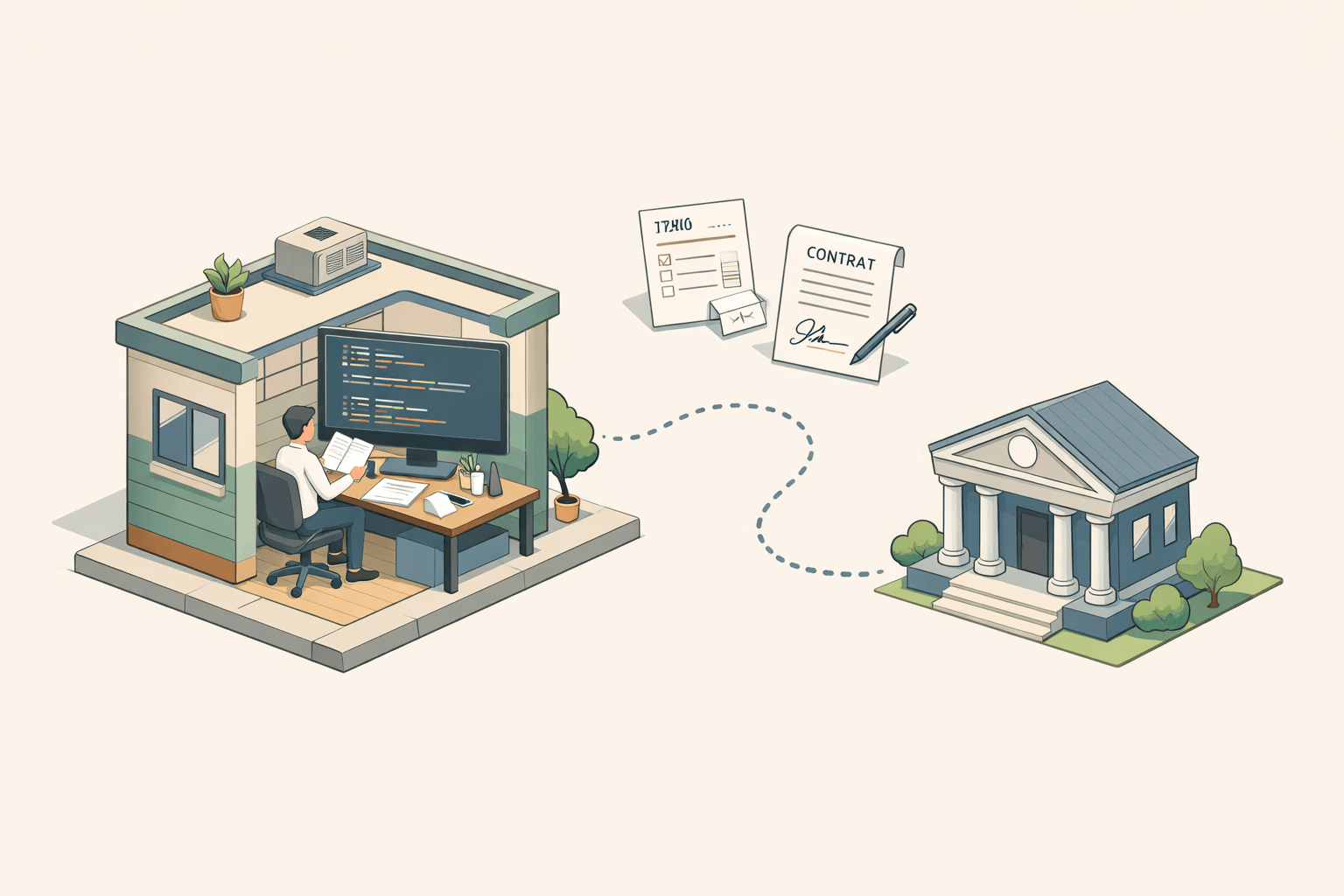
Freelancing as a web developer offers incredible freedom, but it also comes with financial unpredictability. Even when you have reliable retainer clients, there are moments when cash flow dips — a client pays late, a server upgrade is overdue, or a new hire is needed to handle growing demand. That's exactly where knowing how to get a working capital loan for a freelance web developer with recurring retainers becomes essential. With the right financing strategy, you can bridge those gaps, invest in growth, and keep your business running smoothly without draining your savings.
What Working Capital Means for Freelance Web Developers
Working capital is simply the money available to cover your day-to-day business expenses. For a freelance web developer, that might include software subscriptions, hosting fees, marketing costs, contractor payments, and even personal income during slow months.
Unlike traditional employees, freelancers don't receive a steady paycheck. Even with retainer agreements in place, payments can be delayed, invoices can sit unpaid, and project timelines can shift. A working capital loan is designed to fill those gaps — giving you access to funds when your business needs them most, rather than waiting for cash to arrive.
The good news is that recurring retainers actually work in your favor when applying for financing. Lenders view predictable, contracted income as a sign of business stability. If you have clients committed to monthly retainer payments, you may be in a stronger position than you think when approaching lenders.
Types of Working Capital Loans Suited for Freelance Web Developers
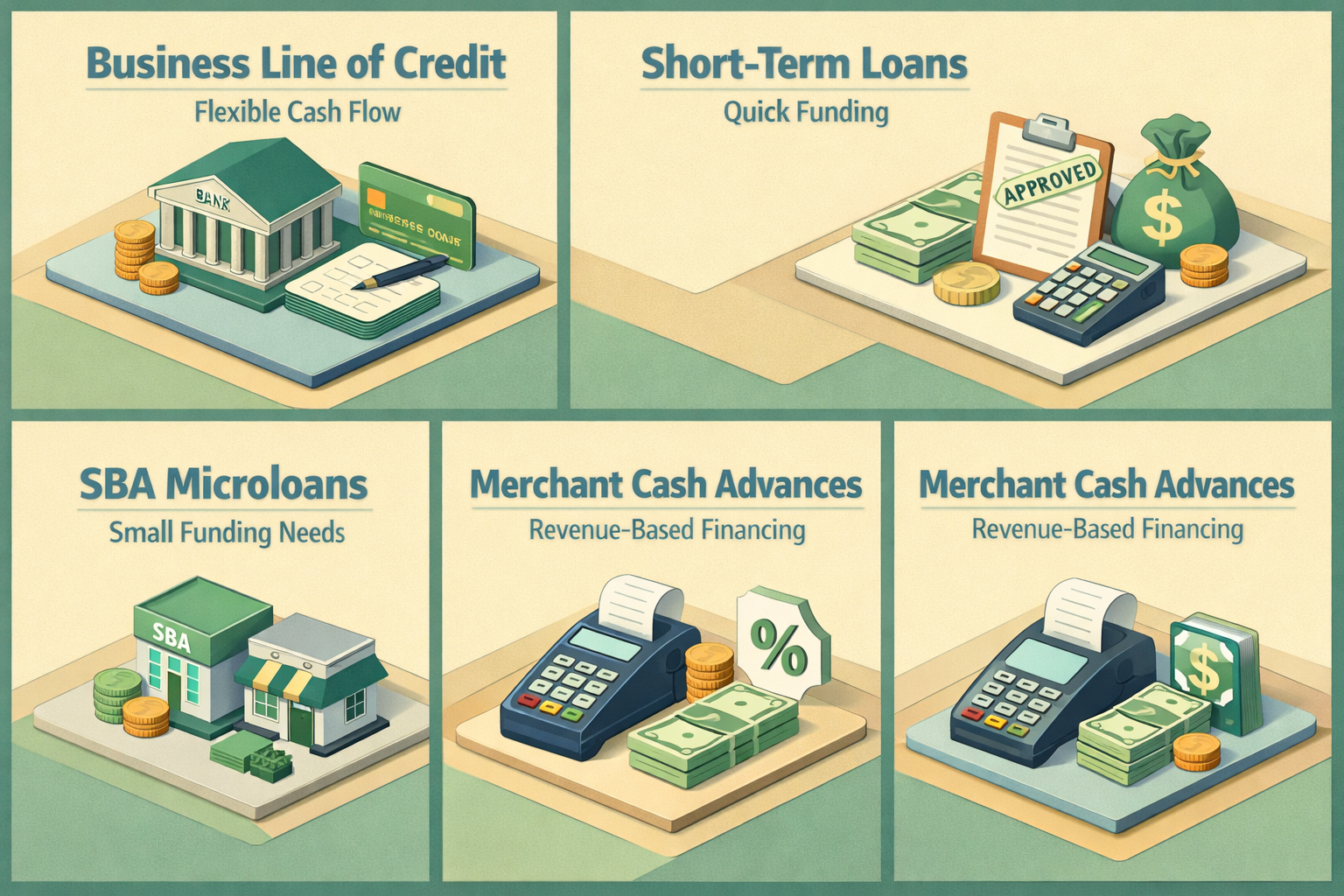
There's no single loan product built exclusively for freelancers, but several financing options may work well depending on your situation.
- Business Line of Credit: This is one of the most flexible options for self-employed professionals. You're approved for a set credit limit and only draw what you need, paying interest only on what you use. It's ideal for managing irregular cash flow between retainer payments.
- Short-Term Business Loans: These provide a lump sum upfront, repaid over a shorter period — often six to eighteen months. They can work well when you need a specific amount for a defined purpose, like upgrading your development stack or hiring a part-time contractor.
- Invoice Financing: If your retainer clients are slow to pay, invoice financing allows you to borrow against outstanding invoices. Lenders may advance a percentage of the invoice value upfront, which could help stabilize your cash flow while waiting on payments.
- SBA Microloans: For smaller funding needs, SBA Microloans — typically up to $50,000 — may be available to self-employed individuals and small business owners. These often come with more favorable terms and may be accessible even with limited credit history.
- Merchant Cash Advances (Revenue-Based Financing): Though typically more expensive, revenue-based financing products repay themselves as a percentage of your incoming revenue. For developers with variable monthly earnings, this structure can offer some flexibility.
Each option carries different requirements, costs, and repayment structures. It's worth comparing several before committing to one.
How Recurring Retainers Strengthen Your Loan Application
One of the biggest challenges freelancers face when applying for financing is demonstrating consistent, documentable income. This is where recurring retainers become a significant advantage. Lenders assessing working capital loan freelance web developer retainer situations will often look at your average monthly revenue, income trends, and business history.
Retainer contracts signal to lenders that your income isn't purely project-based or unpredictable. When you can show signed agreements, consistent invoices, and a history of on-time payments from clients, you build a stronger case for loan approval.
Here are some documents that may help demonstrate your retainer income:
- Signed retainer contracts with active clients
- Bank statements showing regular deposits
- Invoices and payment records spanning at least six to twelve months
- Tax returns or Schedule C forms showing self-employment income
- Profit and loss statements if you've structured your freelance business as an LLC or sole proprietorship
The more organized and consistent your documentation, the better your chances of being viewed as a creditworthy borrower. Lenders want to see that money is coming in — and retainers help tell that story clearly.
Steps to Qualify and Apply for a Working Capital Loan as a Freelancer
Understanding how to get a working capital loan for a freelance web developer with recurring retainers means knowing what lenders are looking for and preparing accordingly. Here's a step-by-step approach to improve your chances of approval.
Step 1: Establish or Formalize Your Business Structure
Operating as a registered sole proprietor, LLC, or other business entity can make a significant difference. Some lenders prefer or require a formal business structure before extending credit. Registering your business, obtaining an EIN, and opening a dedicated business bank account are practical first steps that signal professionalism and financial organization.
Step 2: Build and Monitor Your Credit Profile
Both personal and business credit scores may be evaluated, particularly for smaller lenders or SBA-backed loans. Reviewing your credit reports, correcting errors, and reducing outstanding balances before applying could strengthen your application. Many online lenders may consider applicants with credit scores in the mid-600s, though better scores typically unlock more favorable terms.
Step 3: Organize Your Financial Documentation
Gather your bank statements, tax returns, retainer contracts, and income records well in advance. Having at least twelve months of financial history available — ideally showing stable or growing revenue — gives lenders confidence in your ability to repay.
Step 4: Determine How Much You Actually Need
Overborrowing can strain your cash flow, while underborrowing may leave gaps unfilled. Calculate your average monthly operating expenses, factor in any planned investments or hires, and request an amount that makes practical sense for your current revenue level.
Step 5: Compare Lenders and Loan Products
Don't limit yourself to traditional banks. Online lenders, credit unions, and community development financial institutions (CDFIs) may offer products specifically tailored for self-employed borrowers. Compare interest rates, repayment terms, fees, and any prepayment penalties before making a decision.
Common Challenges Freelancers Face — and How to Overcome Them
Even with recurring retainers, freelance web developers may encounter obstacles when applying for business financing. Understanding these challenges in advance can help you navigate them more effectively.
Inconsistent Income Documentation
Not all retainer arrangements are formalized with written contracts. If you've been operating on informal agreements or verbal understandings, now is a good time to put things in writing. A simple retainer agreement signed by both parties adds legitimacy to your income claims and can make a meaningful difference in a lender's eyes.
Limited Business Credit History
Many freelancers operate without a formal business credit profile. Building one takes time, but it can start with something as simple as a business credit card used responsibly or a small credit-builder loan. The earlier you start, the better positioned you'll be for future financing needs.
Tax Deductions Reducing Apparent Income
Freelancers often take significant tax deductions, which is financially smart — but it can make your taxable income appear lower than your actual earnings. Some lenders offer bank statement loans or alternative income verification methods that look at gross deposits rather than net taxable income, which may be more favorable for self-employed borrowers.
Lack of Collateral
Many working capital loans are unsecured, meaning they don't require physical collateral. However, lenders may still request a personal guarantee, particularly for newer businesses. Being prepared for this expectation can prevent surprises during the application process.
Smart Ways to Use Working Capital as a Freelance Web Developer
Securing a loan is only part of the equation. Using the funds wisely is what truly determines whether financing helps or hurts your business. Here are some practical and growth-oriented uses of working capital for freelance web developers.
- Upgrade your development tools and software: Investing in premium IDEs, design tools, project management platforms, or security software can improve your efficiency and the quality of your deliverables.
- Hire contract support: During busy periods, bringing on a part-time developer or virtual assistant can allow you to take on more retainer clients without burning out.
- Fund a marketing push: Building a portfolio site, running targeted ads, or investing in content marketing could help attract higher-paying retainer clients.
- Cover operating costs during a client transition: Losing one retainer client while onboarding another can create a short-term income gap. Working capital can smooth that transition without forcing you to dip into personal savings.
- Invest in professional development: New certifications, courses, or conference attendance can make you more competitive and potentially justify higher retainer rates.
The key is to treat borrowed capital as a business investment rather than a personal financial cushion. When used thoughtfully, working capital financing can accelerate your growth in measurable ways.
●Conclusion
Knowing how to get a working capital loan for a freelance web developer with recurring retainers isn't just about filling a short-term gap — it's about building a more resilient and scalable business. Your retainer agreements are a genuine asset, and lenders who understand self-employed borrowers recognize their value. By formalizing your business structure, organizing your financial documentation, and selecting the right loan product, you could unlock financing that gives your freelance web development business the runway it needs to grow. At LoanWise, we're here to help entrepreneurs and self-employed professionals navigate their lending options with clarity and confidence. Reach out today to explore what financing solutions might be available for your unique situation.