
Expanding an art supply store is an exciting milestone for any small business owner. Whether you're adding a new location, increasing your inventory, or upgrading your retail space, growth takes capital — and that's where an SBA loan can make a real difference. The Small Business Administration backs several loan programs designed to help entrepreneurs like you access affordable financing. But before any lender can evaluate your application, they'll need a thorough set of documents that tells the story of your business. If you've been wondering what documents are needed for an SBA loan for an art supply store expansion, this guide breaks it all down in plain language so you can prepare with confidence.
Understanding SBA Loans for Retail Business Growth
Before diving into the paperwork, it helps to understand what kind of SBA loan might suit your situation. The most commonly used programs for retail expansion are the SBA 7(a) loan and the SBA 504 loan. The 7(a) program is flexible and can be used for working capital, equipment, inventory, and leasehold improvements — all things a growing art supply store might need. The 504 program is more focused on fixed assets like real estate or large equipment purchases.
For an art supply store expansion specifically, the SBA 7(a) loan is often the go-to choice. It typically offers competitive interest rates, longer repayment terms, and loan amounts that can support meaningful retail growth. However, both programs require lenders — known as SBA-approved lenders — to review a detailed application package. That package is built almost entirely from the documents you provide.
Understanding this upfront helps you appreciate why document preparation isn't just a formality. It's the foundation of your entire loan application. A well-organized, complete file can speed up the process and signal to lenders that your business is professionally managed and creditworthy.
Business Financial Statements That Lenders Expect to See
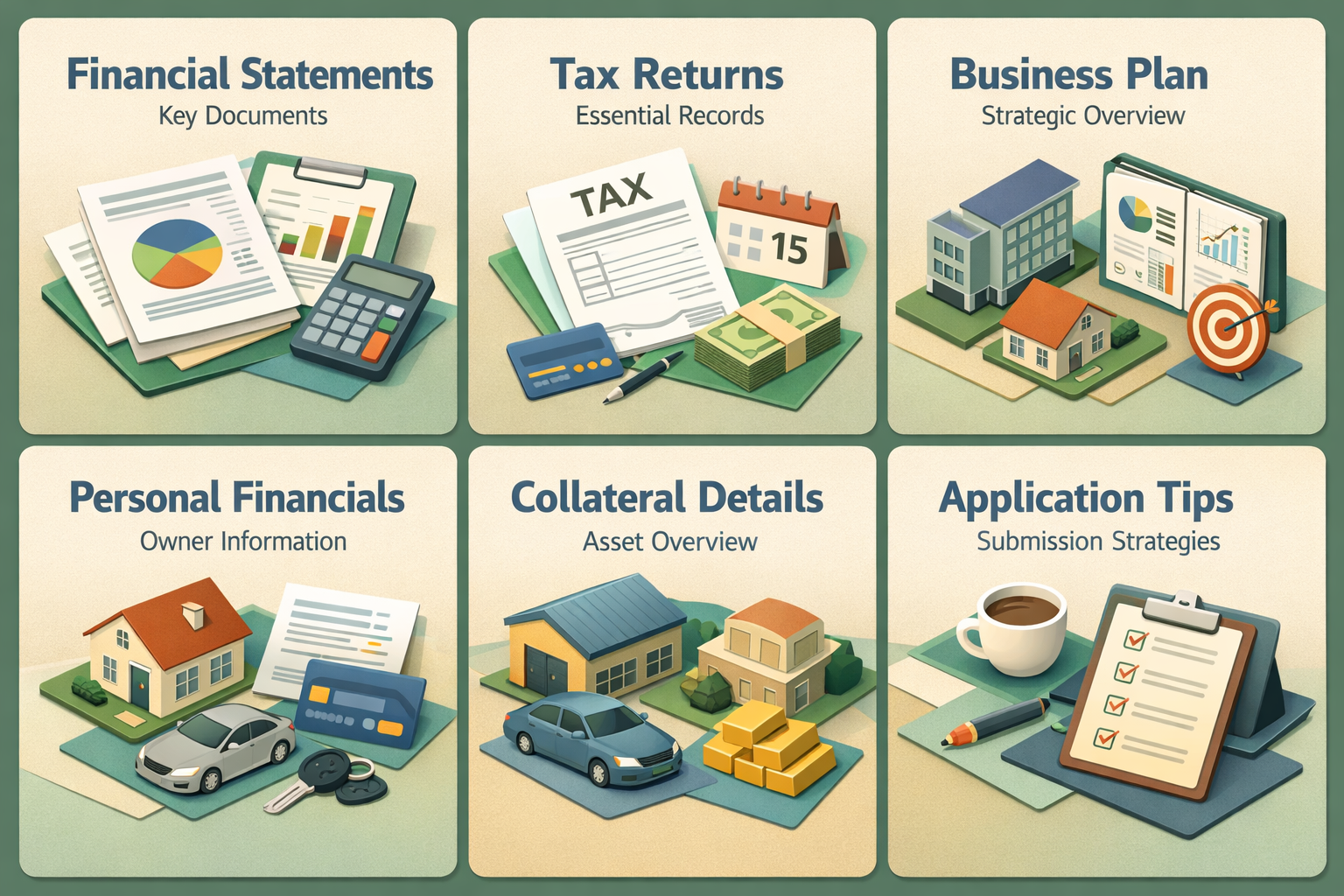
One of the first things an SBA loan lender will request is a set of financial statements for your business. These documents give lenders a clear picture of how your art supply store has been performing financially and whether it generates enough cash flow to repay a loan.
- Profit and Loss Statements (P&L): Most lenders will want to see two to three years of P&L statements. These show your revenue, cost of goods sold, operating expenses, and net income over time.
- Balance Sheets: A current balance sheet outlines your business assets, liabilities, and equity. It helps lenders assess the overall financial health of your store.
- Cash Flow Statements: These demonstrate how money moves in and out of your business. Strong, consistent cash flow is one of the most important indicators lenders look for in a retail expansion loan.
- Year-to-Date Financials: If you're applying mid-year, lenders may also want current financials that reflect recent performance, especially if your revenue trends have shifted since your last full-year statements.
If your financials are prepared by a certified public accountant (CPA), that typically adds credibility to your application. It's worth investing in professional bookkeeping if you haven't already, especially when pursuing an SBA loan for retail expansion in art supplies.
Tax Returns and Legal Business Records You'll Need to Gather
Tax documents are a cornerstone of any SBA loan application. Lenders use them to verify the financial information in your statements and to confirm that your business is in good standing with the IRS.
- Business Tax Returns: Typically, you'll need the past two to three years of federal business tax returns. These should be complete with all schedules attached.
- Personal Tax Returns: Because SBA loans often require a personal guarantee, lenders will also want two to three years of personal tax returns from all owners holding 20% or more of the business.
- Business Legal Documents: This includes your business license, articles of incorporation or organization, operating agreement (for LLCs), partnership agreements (if applicable), and any fictitious name filings (DBA documents).
- Employer Identification Number (EIN) Documentation: A copy of your EIN assignment letter from the IRS confirms your business's tax identity.
It's also wise to confirm that all tax filings are current before you apply. Lenders may be hesitant to approve a loan if there are outstanding tax obligations or unfiled returns. Getting those resolved ahead of time can prevent unnecessary delays.
What Documents Are Needed for SBA Loan for an Art Supply Store Expansion: The Business Plan
A well-crafted business plan is often one of the most persuasive documents in your SBA loan application. It tells lenders not just where your business has been, but where it's going — and how the loan will help you get there.
Your business plan for an art supply store expansion should include:
- Executive Summary: A concise overview of your business, your expansion goals, and the amount of financing you're seeking.
- Business Description: Details about your store's history, what products you carry, your target customer base, and your competitive advantages in the local market.
- Expansion Plan: Specifically outline what the loan funds will be used for — whether that's opening a second retail location, renovating an existing space, purchasing new inventory categories, or upgrading point-of-sale systems.
- Market Analysis: Demonstrate your understanding of the art supply retail market in your area. Include information about your customer demographics, local competitors, and any market trends that support your growth strategy.
- Financial Projections: Lenders want to see realistic revenue forecasts for the next two to three years post-expansion. Include projected income statements, cash flow projections, and break-even analysis.
- Management Team Overview: Highlight your experience as a business owner and any key staff members who contribute to your store's success.
A strong business plan doesn't need to be overly complex, but it should be specific and grounded in real data. Vague projections or unsupported growth claims may raise red flags for underwriters reviewing your file.
Personal Financial Information and Owner Documentation
Because SBA loans typically require a personal guarantee from principal owners, lenders will review your personal financial situation alongside your business records. This helps them assess overall risk and determine whether you have the personal means to support the loan if business revenue falls short.
- Personal Financial Statement (SBA Form 413): This standardized form lists your personal assets, liabilities, income sources, and contingent liabilities. All owners with 20% or more equity in the business are usually required to complete it.
- Personal Credit Report: Lenders will pull your personal credit history. A strong credit score — typically in the mid-600s or higher, though requirements can vary by lender — may improve your chances of approval and could influence the loan terms you're offered.
- Resume or Personal Background Statement: Some SBA lenders request a brief professional biography to understand your background in retail, business management, or the art industry.
- Government-Issued Identification: A copy of your driver's license or passport is standard for identity verification purposes.
Being transparent on your personal financial statement matters. Inconsistencies between your personal financials and tax returns can slow down the underwriting process or result in requests for additional documentation.
Collateral Details and Supporting Business Documents
While SBA loans aren't always fully collateralized, lenders are still required to take available collateral when it exists. For a retail expansion, this might include business assets like inventory, equipment, or even personal real estate owned by the business owner.
- List of Business Assets: Provide a detailed inventory of equipment, fixtures, and other tangible assets your art supply store owns. Include estimated current market values where possible.
- Real Estate Documents: If you own the property where your store operates, lenders may want a copy of the deed, a recent appraisal, and any existing mortgage statements.
- Lease Agreement: If you rent your retail space, include a copy of your current lease. Lenders want to confirm that your location is stable and that your lease term aligns reasonably with the loan repayment period. If you're expanding into a new location, provide the proposed lease agreement as well.
- Accounts Receivable and Payable Aging Reports: These help lenders understand your current billing cycle and any outstanding obligations to suppliers or owed payments from customers.
- Vendor and Supplier Contracts: If your expansion involves agreements with new art supply distributors or manufacturers, including those contracts can strengthen your application.
Keep in mind that collateral requirements can vary significantly between lenders and loan programs. If you're pursuing an SBA loan for retail expansion in art supplies, it's worth discussing collateral expectations with your lender early in the process to avoid surprises later.
Tips for Organizing and Submitting a Strong SBA Loan Application
Pulling together all the required paperwork can feel overwhelming, but a methodical approach makes the process much more manageable. Here are some practical strategies to help your application stand out:
- Start a dedicated loan folder: Whether digital or physical, keep all documents organized in one place from day one. Label everything clearly so lenders can navigate your file easily.
- Work with a CPA or financial advisor: A professional who understands SBA loan requirements can help ensure your financial statements are accurate, formatted correctly, and consistent with your tax returns.
- Connect with an SBA-approved lender early: Different lenders may have slightly different document requirements. Speaking with a lender before you compile everything could save you from gathering unnecessary paperwork — or missing something critical.
- Consider SBA resource partners: The SBA's SCORE program and Small Business Development Centers (SBDCs) offer free or low-cost guidance for small business owners navigating loan applications. They can review your business plan and help you prepare.
- Be proactive about follow-ups: After submitting your application, stay responsive to lender requests for additional information. Delays in responding can slow down underwriting significantly.
- Double-check for consistency: Make sure the numbers across your P&L statements, tax returns, and financial projections all align. Inconsistencies — even minor ones — can trigger additional scrutiny.
The stronger and more organized your application, the smoother the path to funding. Taking the time to prepare thoroughly now could mean the difference between a quick approval and a drawn-out back-and-forth with underwriters.
●Conclusion
Knowing what documents are needed for an SBA loan for an art supply store expansion puts you in a much stronger position before you ever walk into a lender's office. From financial statements and tax returns to a compelling business plan and personal financial disclosures, each piece of documentation plays a role in building a complete and credible application. While the process may seem involved, it's designed to give lenders the confidence they need to invest in your vision. If you're ready to take your art supply store to the next level, start gathering your documents today — and consider reaching out to LoanWise for guidance on the right SBA loan program for your expansion goals.