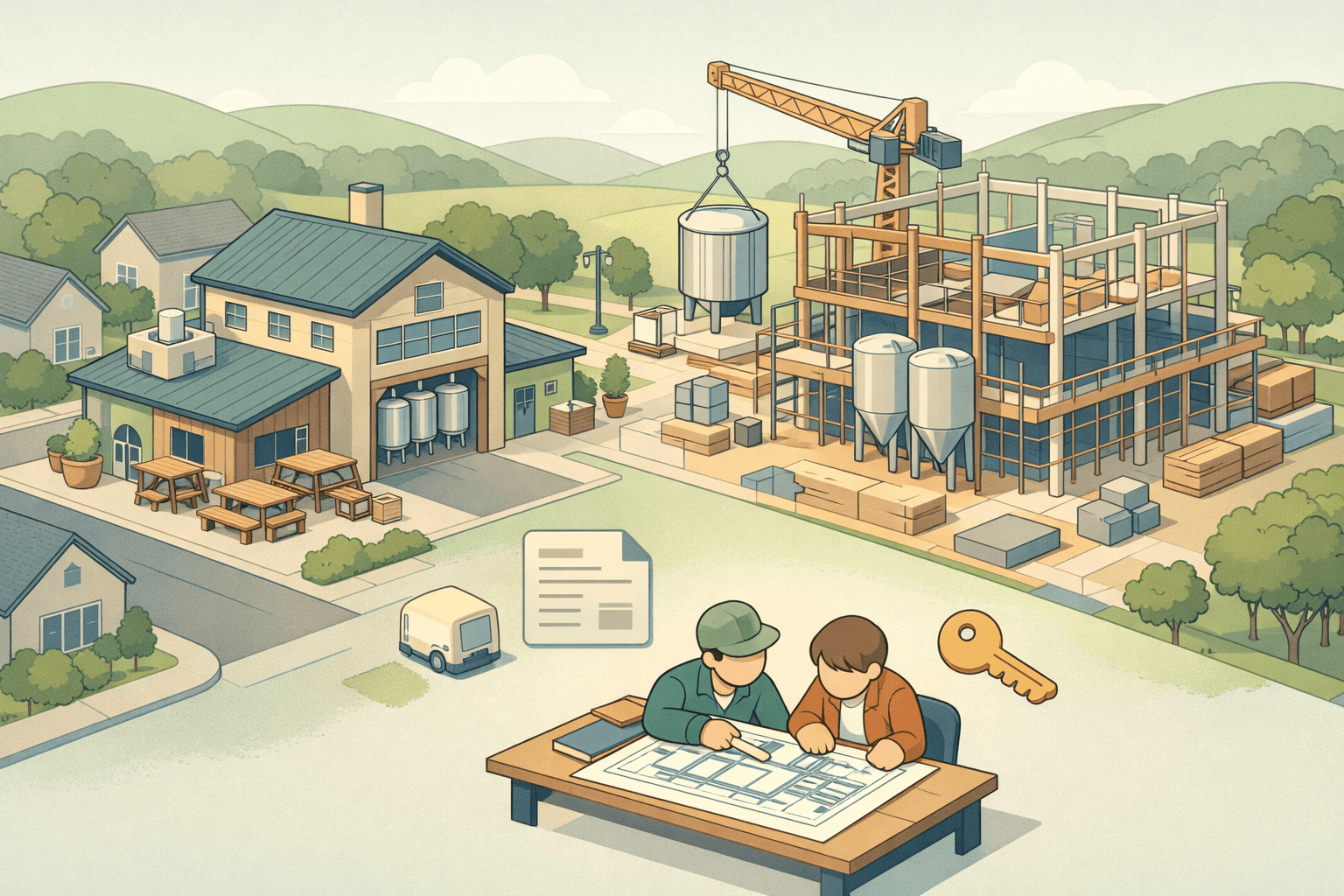
Growing a craft brewery from a single taproom into a multi-location operation is an exciting milestone. But expansion takes capital — and for many small business owners in the brewing industry, that means exploring government-backed financing options. If you've been researching how to fund your next chapter, understanding the requirements for an SBA loan for a craft brewery expanding into a second location is a smart place to start. SBA loans are among the most accessible and affordable financing tools available to small business owners, offering longer repayment terms and competitive interest rates compared to many conventional loan products. This guide walks you through what lenders and the SBA typically look for, how to prepare your application, and what steps you can take to improve your chances of approval.
Why SBA Loans Are a Strong Fit for Craft Brewery Growth
Craft breweries operate in a capital-intensive industry. Equipment costs, leasehold improvements, licensing fees, and working capital needs can add up quickly — especially when you're opening a second production facility or taproom. SBA loans are designed to help small businesses like yours access funding that might otherwise be difficult to secure through traditional lending channels.
The two most commonly used SBA programs for SBA loan craft brewery expansion are the SBA 7(a) loan and the SBA 504 loan. Each serves a slightly different purpose:
- SBA 7(a) loans are flexible and can be used for a wide range of purposes, including working capital, equipment purchases, leasehold improvements, and real estate acquisition. Loan amounts may go up to $5 million.
- SBA 504 loans are structured specifically for major fixed-asset purchases, such as buying commercial real estate or large brewing equipment. These loans are typically funded through a partnership between a Certified Development Company (CDC), a conventional lender, and the borrower.
Both programs offer longer repayment periods than most conventional business loans, which can help keep monthly payments manageable while your second location ramps up. That said, eligibility requirements and documentation expectations differ between the two programs, so it's worth understanding each one carefully before you apply.
Core Eligibility Criteria Every Craft Brewery Must Meet
Before diving into paperwork, it's important to know whether your brewery meets the SBA's baseline eligibility standards. While lenders may have their own overlays, the SBA sets certain non-negotiable criteria that all applicants must satisfy.
Business Size and Structure
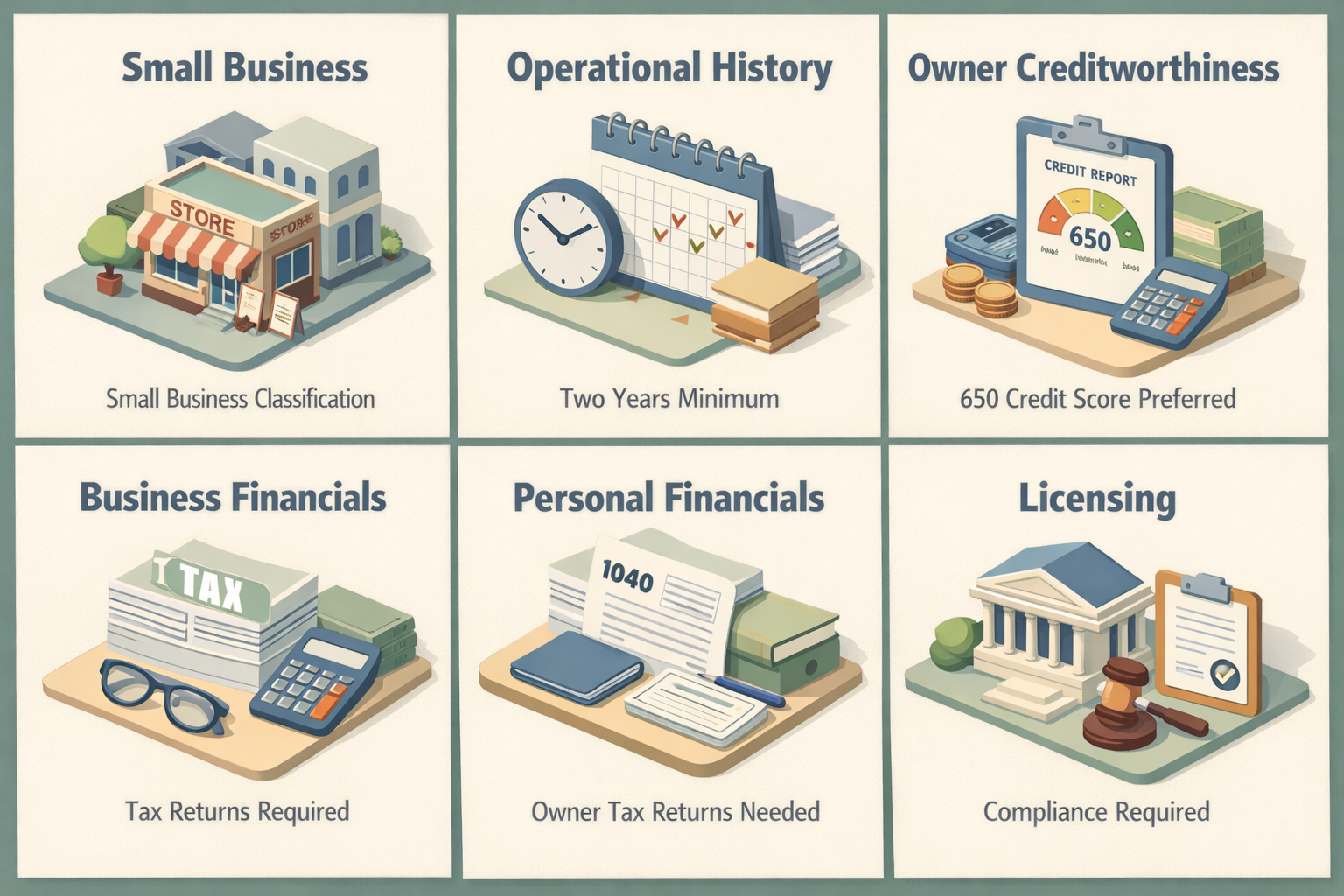
To qualify for SBA financing, your brewery must be classified as a small business under the SBA's size standards. For most breweries, this is measured by average annual receipts or number of employees, depending on the industry classification. In general, craft breweries tend to fall well within these thresholds, but it's worth confirming your NAICS code and the associated size limit with your lender.
Your business must also be a for-profit entity operating in the United States. Most legal structures — including sole proprietorships, partnerships, LLCs, and corporations — are eligible, provided the business is legally registered and in good standing.
Operational History and Revenue
Lenders typically prefer to work with businesses that have at least two years of operating history. If your brewery has been running for a few years and has established revenue streams, you're likely in a stronger position to apply. Startups can sometimes access SBA financing, but it tends to be more challenging without a proven track record — which is another reason why expanding an existing location rather than launching from scratch can work in your favor.
Owner Creditworthiness
Your personal credit score plays a meaningful role in the SBA loan approval process. Most SBA lenders look for a personal credit score of at least 650, though some preferred lenders may set their threshold higher. A stronger credit history can also help you qualify for better terms. It's a good idea to review your credit report before applying and address any errors or outstanding issues that might drag your score down.
Understanding the Full Requirements for an SBA Loan for a Craft Brewery Expanding Into a Second Location
Meeting the general eligibility criteria is just the starting point. When you apply for SBA financing specifically to open a second brewery location, lenders will conduct a thorough review of your business finances, expansion plan, and collateral position. Here's what to expect across each of these areas.
Business Financial Statements
Most SBA lenders will request two to three years of business tax returns, along with year-to-date profit and loss statements and balance sheets. These documents help the lender evaluate your current debt load, cash flow, and overall financial health. Strong, consistent revenue from your existing location can significantly bolster your application.
Personal Financial Disclosure
Because SBA loans often require a personal guarantee from any owner holding 20% or more of the business, lenders will also want to see personal tax returns — typically for the past two to three years — along with a personal financial statement. This gives the lender a complete picture of your total financial obligations and assets.
A Detailed Business Plan and Expansion Proposal
One of the most critical components of your application is a well-crafted business plan for the new location. This should include projected revenue and expenses, a break-even analysis, market research for the new area, your planned staffing model, and a clear explanation of how the expansion will be funded and managed. Lenders want to see that you've thought through the risks and have a realistic path to profitability at the second location.
Collateral
The SBA generally requires lenders to take available collateral to secure the loan. This may include business assets such as equipment and real estate, as well as personal assets if business collateral is insufficient. A lack of collateral doesn't automatically disqualify you, but it may affect the loan terms you're offered.
Licensing and Permits
Operating a brewery requires federal Alcohol and Tobacco Tax and Trade Bureau (TTB) licensing in addition to state and local permits. When applying to expand, you'll likely need to demonstrate that you're in compliance with all existing licensing requirements and outline your plan for obtaining the necessary permits for the new location.
How Lenders Evaluate Cash Flow for a Second Brewery Location
Cash flow analysis is at the heart of nearly every SBA loan decision. Lenders use a metric called the Debt Service Coverage Ratio (DSCR) to measure whether your business generates enough income to cover its existing and projected debt payments. A DSCR of 1.25 or higher is commonly considered the minimum threshold — meaning your net operating income should be at least 25% more than your total annual debt obligations.
For an expansion scenario, this calculation becomes more nuanced. Lenders may evaluate your current location's cash flow independently, then model projected income from the second site. If the new location is expected to take time to reach profitability — which is common in the food and beverage industry — your lender may want to see that your existing location generates enough surplus cash flow to support debt service during the ramp-up period.
Being transparent about your financial projections and grounding them in realistic, data-supported assumptions can go a long way toward building lender confidence. If your current brewery has a strong, consistent track record, that history can serve as a meaningful anchor for your expansion projections.
Choosing the Right SBA Lender for Your Brewing Business
Not all SBA lenders are created equal, and the lender you choose can meaningfully impact both your approval odds and your overall experience. Here are a few things to consider when selecting a lending partner for your SBA loan craft brewery expansion.
SBA Preferred Lender Program (PLP) Status
Lenders with PLP status have been granted authority to make final credit decisions on SBA loans without going through the full SBA review process. This can significantly shorten your approval timeline — which matters if you're trying to move quickly on a lease or property purchase for your second location.
Industry Experience
Some lenders have more experience working with food and beverage businesses or have specific programs for breweries, distilleries, and restaurants. Working with a lender who understands the unique financial dynamics of the craft beverage industry — including seasonal cash flow patterns and the capital requirements of brewing equipment — may result in a smoother underwriting process.
Loan Packaging Support
Putting together an SBA loan application can be complex, especially for an expansion with multiple moving parts. Some lenders offer dedicated loan packaging support or assign a dedicated relationship manager to help you organize your documentation and present your business in the best possible light. This kind of hands-on guidance can be especially valuable for first-time SBA borrowers.
Steps to Strengthen Your Application Before You Apply
Whether you're applying for an SBA 7(a) or SBA 504 loan, there are several things you can do now to improve your chances of a successful outcome.
- Review and repair your credit: Pull your personal and business credit reports and address any inaccuracies, delinquencies, or high utilization rates before submitting your application.
- Organize your financial records: Lenders will want clean, well-organized financial statements. If your books aren't already managed by an accountant or bookkeeping software, now is the time to get them in order.
- Build your business plan: Invest time in crafting a thorough, data-driven expansion plan. Include local market research, competitor analysis, and detailed financial projections for the new location.
- Reduce existing debt where possible: Lowering your current debt obligations can improve your DSCR and make your business more attractive to lenders.
- Consult an SBA resource partner: Organizations like SCORE and Small Business Development Centers (SBDCs) offer free or low-cost advising for small business owners navigating SBA financing. They can help you identify gaps in your application before you submit it.
Taking these steps proactively can save time and reduce the likelihood of delays or denials during the underwriting process.
●Conclusion
Expanding your craft brewery into a second location is a significant undertaking — but with the right financing strategy, it's absolutely achievable. SBA loans offer small business owners access to long-term, government-backed capital that can cover everything from real estate and equipment to working capital and leasehold improvements. By understanding the requirements for an SBA loan for a craft brewery expanding into a second location, preparing your financial documentation thoroughly, and partnering with an experienced lender, you'll be in a much stronger position to turn your growth plans into reality. At LoanWise, we're here to help you navigate the lending landscape with confidence. Reach out today to speak with a business financing specialist who can walk you through your options and help you find the right loan program for your next chapter.