The mobile escape room industry has been gaining serious traction among entrepreneurs looking for flexible, experience-driven business models. Unlike traditional brick-and-mortar escape rooms, a mobile setup travels directly to customers — making it an appealing low-overhead concept with strong revenue potential. But turning that vision into reality requires capital, and knowing how to secure a business loan for a mobile escape room startup can make all the difference. Whether you're building custom trailers, purchasing puzzle equipment, or covering your first few months of operating costs, the right financing strategy could help you launch with confidence. This guide walks you through what lenders typically look for, which loan products may fit your needs, and how to position your startup for approval.
Understanding What Makes a Mobile Escape Room a Unique Business Model
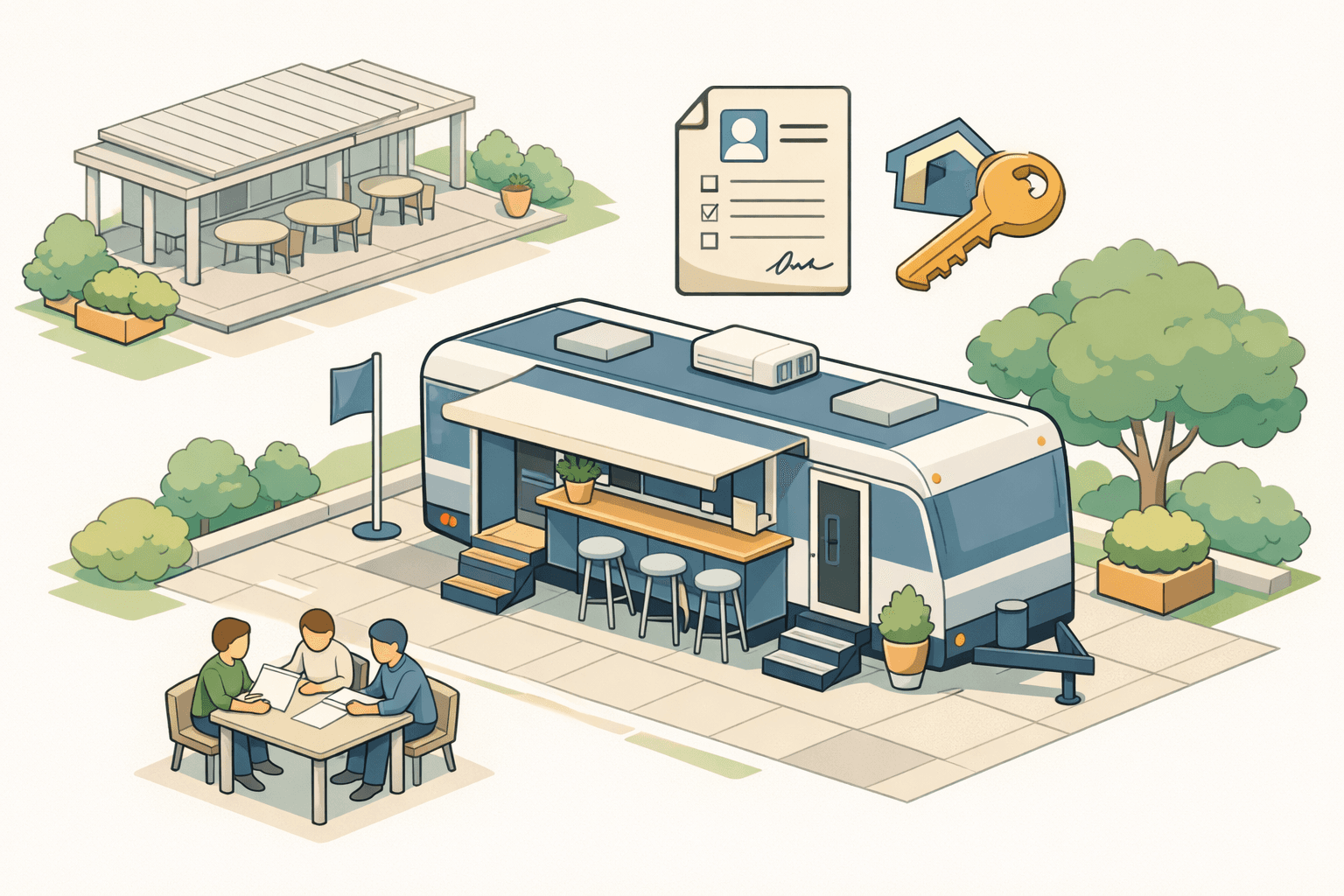
Before approaching any lender, it helps to understand how your business fits into the broader lending landscape. A mobile escape room is typically classified as an entertainment or experiential event business. It operates from a customized trailer, van, or modular unit that can be transported to corporate events, birthday parties, festivals, and private venues.
This mobility is a strength in terms of market reach, but it also means lenders may view your business differently than they would a fixed-location retail shop or restaurant. Because you're a new venture without an established physical address or long operating history, some traditional lenders may apply stricter scrutiny. That said, plenty of financing options exist for entrepreneurs in exactly this position — you just need to know where to look and how to present your concept compellingly.
From a financing perspective, your key startup costs are likely to include:
- Custom vehicle or trailer build-out and branding
- Puzzle design, props, technology, and audio-visual systems
- Business licensing, insurance, and permits
- Marketing and website development
- Working capital for the first several months of operations
Having a clear, itemized breakdown of these costs before you approach a lender demonstrates preparedness and professionalism — two qualities that can meaningfully influence a credit decision.
Startup Business Loan Options Worth Exploring for Mobile Ventures
When it comes to startup business loan options for a mobile business, entrepreneurs typically have several avenues to consider. Each comes with its own eligibility criteria, funding amounts, and repayment structures. Understanding the differences can help you identify which path aligns best with your financial situation and business goals.
SBA Microloans
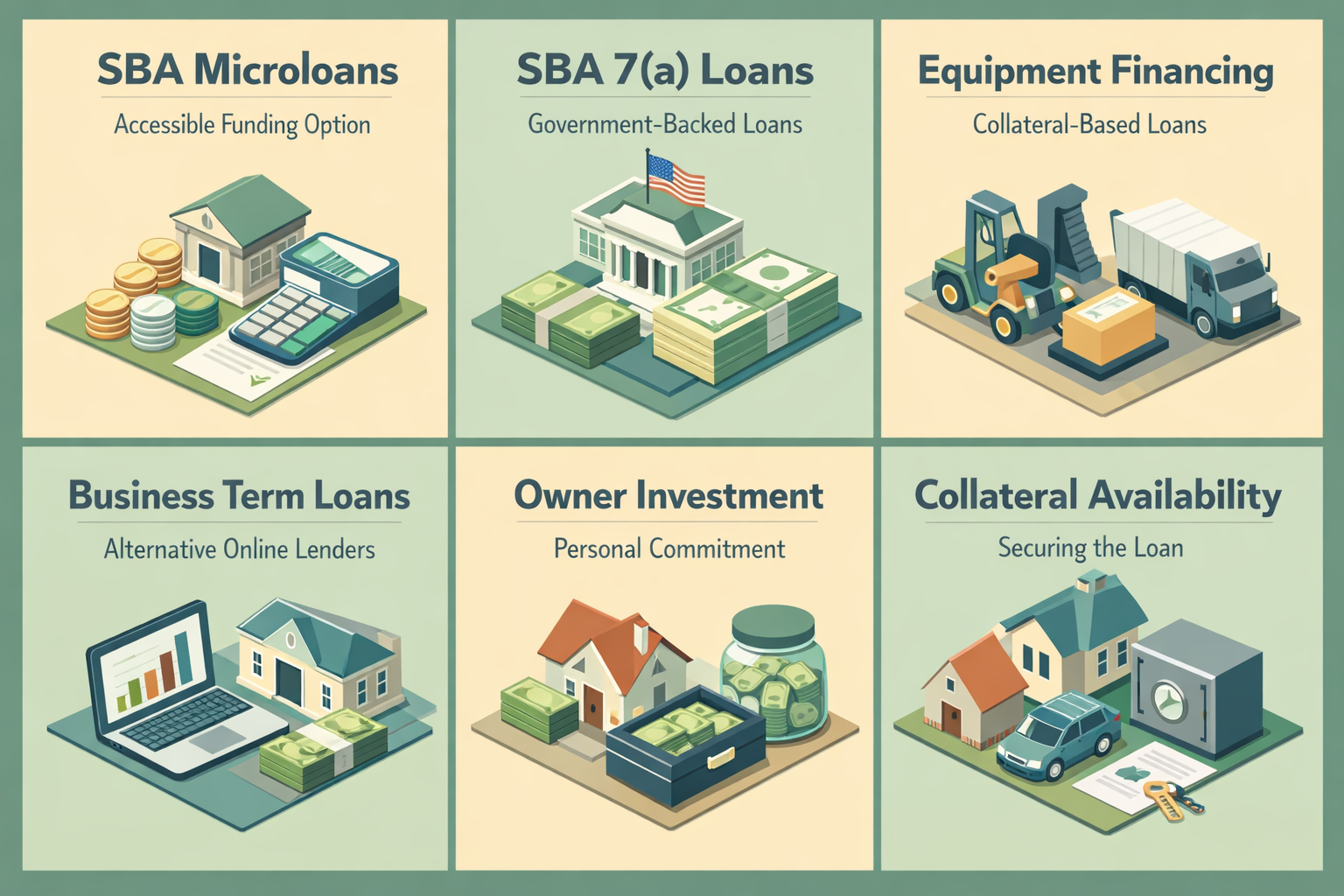
The U.S. Small Business Administration's Microloan program is often one of the most accessible options for brand-new businesses. SBA Microloans may offer up to $50,000 in funding through nonprofit intermediary lenders, and they're specifically designed to help startups and small businesses that might not qualify for conventional bank loans. These loans typically come with relatively competitive interest rates and longer repayment terms than many alternative lenders offer. For a mobile escape room startup, a microloan could potentially cover vehicle modifications, initial equipment, and early working capital needs.
SBA 7(a) Loans
For entrepreneurs who need more capital, an SBA 7(a) loan may be worth exploring. These government-backed loans can fund a broader range of business needs and often carry more favorable terms than purely commercial loans. However, lenders participating in the SBA 7(a) program typically require a solid business plan, demonstrated owner creditworthiness, and sometimes collateral. Because this is a startup, you may need to rely more heavily on personal credit history and a well-documented business projection.
Equipment Financing
If your primary funding need centers on the trailer, vehicle, or puzzle technology systems, equipment financing could be a practical fit. This type of loan uses the equipment itself as collateral, which may make approval somewhat easier even for newer businesses. Lenders offering equipment loans for a mobile business typically evaluate the value and useful life of the asset being financed. This approach lets you preserve working capital for operational expenses while still getting your physical setup off the ground.
Business Term Loans from Online Lenders
Alternative and online lenders have broadened access to capital for startups that don't yet meet traditional bank requirements. These lenders may move faster and have more flexible qualification criteria, though their interest rates can sometimes be higher. If you have decent personal credit and a well-prepared business plan, an online term loan might serve as a bridge while you build the business history needed to qualify for lower-cost financing later.
How Lenders Evaluate Escape Room Business Financing Applications
When you apply for escape room business financing, lenders are essentially trying to answer one central question: how likely are you to repay this loan? For a startup without years of revenue history, that evaluation leans heavily on a few key factors.
Your Personal Credit Score
For new businesses, your personal credit profile often carries significant weight. Lenders may view your personal credit history as a proxy for how you manage financial obligations in general. A score in the good-to-excellent range — typically 680 or higher, though thresholds vary by lender — may improve your chances and help you access more favorable terms. If your score needs work, it may be worth spending a few months paying down existing balances and addressing any errors on your credit report before applying.
A Detailed Business Plan
Lenders want to see that you've thought through the business thoroughly. A strong business plan for a mobile escape room should include your target market, pricing model, projected revenue by month, operating cost breakdown, and a competitive analysis. It should also explain your marketing strategy — how you plan to attract corporate clients, private events, or festival bookings. The more specific and realistic your projections appear, the more confidence a lender is likely to have in your ability to generate the cash flow needed to repay the loan.
Owner Investment and Skin in the Game
Many lenders — particularly SBA lenders — expect the business owner to contribute some of their own funds to the startup. This might be a percentage of total startup costs, often somewhere in the range of 10% to 30%, though the exact requirement varies. Demonstrating that you've already committed personal resources to the venture signals seriousness and reduces the lender's perceived risk.
Collateral Availability
Some loan types require collateral to secure the debt. For a mobile escape room, the trailer and equipment could potentially serve as collateral for equipment-specific financing. For other loan types, lenders might ask about personal assets. Understanding what collateral you can offer — and what you're comfortable pledging — should be part of your pre-application planning.
Building a Business Plan That Supports Your New Venture Loan Application
A compelling business plan isn't just a formality — it's arguably one of the most powerful tools you have when pursuing new venture loan options. For a mobile escape room, your plan should tell the story of your business in a way that makes financial sense to someone who may not be familiar with the escape room industry.
Start with an executive summary that clearly explains what your business does, who your customers are, and why there's demand in your target market. Follow that with a deeper market analysis. Research local competition, event booking trends in your area, and the kinds of organizations — schools, corporations, community groups — that frequently hire mobile entertainment vendors. Show the lender that you understand your market and that there's real opportunity to capture revenue.
Your financial projections are especially important. Break down your startup costs clearly, then model out your first 12 to 24 months of revenue based on realistic booking assumptions. For example, if you're targeting corporate events at a certain price point and estimate a conservative number of bookings per month, show what that generates in gross revenue and what remains after expenses. Conservative, well-reasoned projections often read as more credible than overly optimistic numbers that seem detached from market realities.
Don't forget to include your management background. Even if you haven't run a business before, relevant experience — event coordination, entertainment, logistics, customer service — can strengthen your case. Lenders are partly betting on the person behind the plan, so make sure yours reflects your qualifications clearly.
Practical Steps to Strengthen Your Loan Application Before You Apply
Knowing how to secure a business loan for a mobile escape room startup isn't just about choosing the right loan product — it's also about preparing yourself to be the kind of borrower lenders want to work with. A few strategic steps taken before you submit your application could meaningfully improve your outcome.
- Formally establish your business entity. Register your LLC or corporation, obtain an Employer Identification Number (EIN), and open a dedicated business bank account. These steps signal that you're running a legitimate operation, not just a side project.
- Check your personal credit report. Request your free credit reports from the major bureaus and review them for errors or outdated information. Dispute any inaccuracies before applying.
- Gather financial documentation early. Lenders will likely request personal tax returns, bank statements, and a personal financial statement. Having these organized and ready speeds up the process and reduces friction.
- Research lenders that specialize in startup or mobile business financing. Community development financial institutions (CDFIs), SBA-approved microlenders, and alternative online lenders may be more startup-friendly than large commercial banks.
- Consider working with a business advisor or SCORE mentor. Free mentorship from experienced entrepreneurs can help you refine your business plan and prepare for lender conversations. SCORE, which partners with the SBA, is a widely respected resource for small business owners.
Taking these steps before you apply demonstrates readiness and reduces the likelihood of delays or rejections tied to incomplete documentation or unresolved credit issues.
What to Expect During the Loan Process and After Approval
Once you've identified a lender and submitted your application, the review process can vary significantly depending on the loan type. SBA loans, while offering favorable terms, often involve a more thorough underwriting process that can take several weeks or longer. Online lenders and alternative financing sources may move more quickly — sometimes within days — though that speed often comes with trade-offs in cost or loan size.
During underwriting, the lender may request additional documentation, clarification on your business plan, or updated financial statements. Responding promptly and thoroughly to these requests can help keep your application moving forward. It's also a good idea to stay in communication with your loan officer and ask questions if anything is unclear.
After approval, make sure you fully understand the repayment terms before signing. Key details to review include the interest rate, whether it's fixed or variable, the repayment schedule, any prepayment penalties, and what fees are associated with the loan. For a startup, cash flow can be unpredictable in the early months, so understanding your monthly obligations upfront allows you to plan accordingly.
Once funded, consider tracking your revenue and expenses carefully from day one. Building strong financial habits early — and keeping business finances entirely separate from personal ones — positions you for better borrowing opportunities as your escape room business grows.
●Conclusion
Launching a mobile escape room is an exciting entrepreneurial journey, and securing the right financing is one of the most important early steps you'll take. From SBA microloans and equipment financing to alternative online lenders, there are genuinely viable paths to funding — especially for entrepreneurs who come prepared. By understanding how lenders evaluate startup applications, building a thoughtful business plan, and taking time to strengthen your financial profile before applying, you give your venture the best possible foundation. At LoanWise, we're here to help small business owners and entrepreneurs navigate the lending landscape with clarity and confidence. If you're ready to explore your options, connect with a LoanWise advisor today and take the first step toward turning your mobile escape room concept into a thriving business.