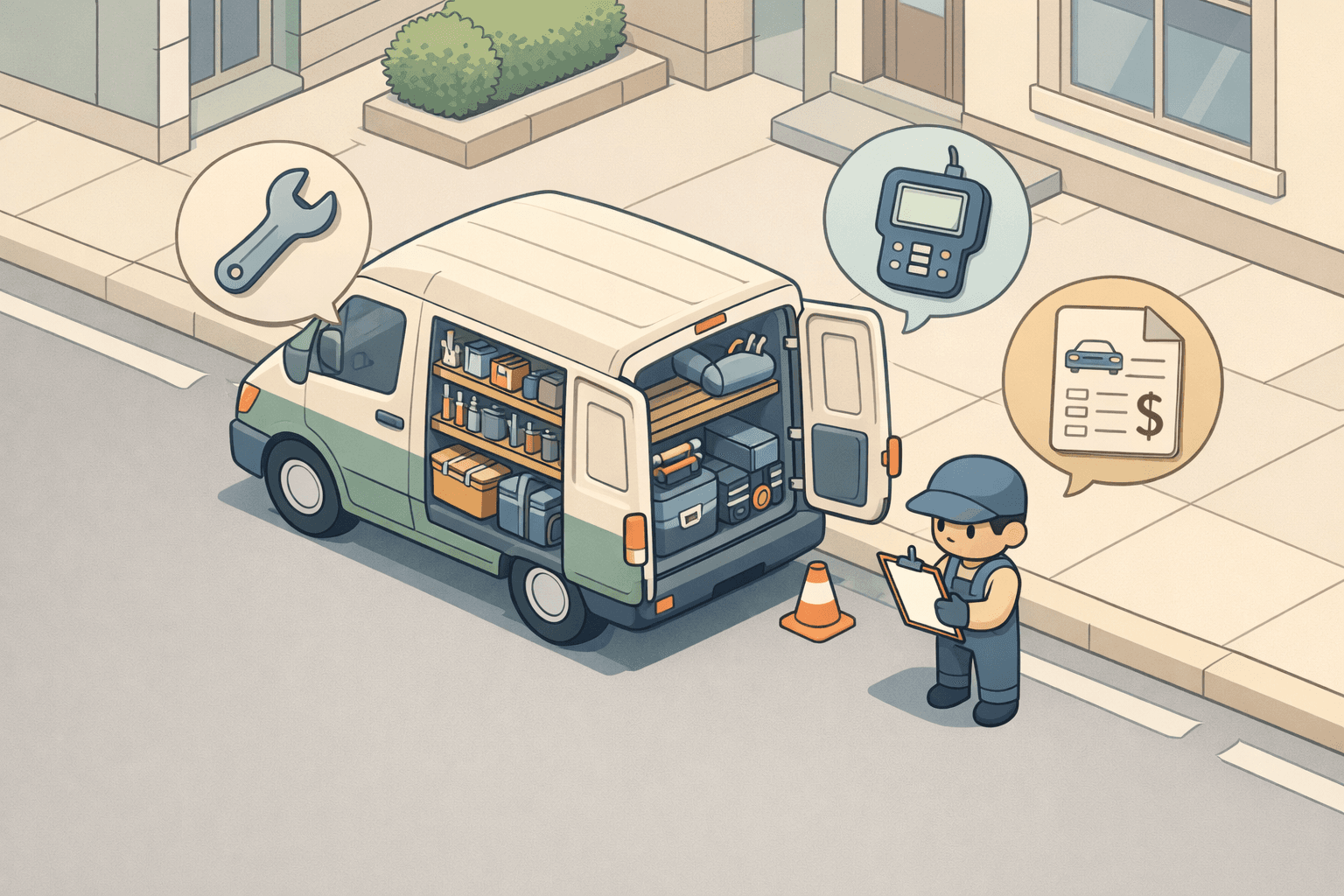
Starting a freelance mobile mechanic business is an exciting venture — but it comes with some serious upfront costs. From diagnostic equipment and hydraulic lifts to a fully equipped service van, the tools of the trade don't come cheap. If you're ready to turn your mechanical skills into a thriving small business, understanding your startup loan options for a freelance mobile mechanic needing specialized tools is one of the most important steps you can take. This guide walks you through the financing landscape so you can make informed decisions and get your business rolling.
Why Financing Matters for Mobile Mechanic Startups
Unlike a traditional repair shop, a mobile mechanic business keeps overhead relatively low — no storefront lease, no waiting room, no utility bills for a large facility. That's a real advantage. However, the specialized equipment required to do the job professionally can still add up to a significant investment before you earn your first dollar.
A well-stocked mobile mechanic setup might include a heavy-duty diagnostic scanner, air compressor, generator, brake lathe, sets of hand tools, a lift jack system, and a reliable commercial van or truck to carry it all. Depending on the quality and quantity of equipment, startup costs could range from a few thousand dollars to well over $50,000 for a fully outfitted rig.
That's where business financing comes in. Rather than draining personal savings or delaying your launch indefinitely, the right loan product can help you acquire the tools you need now and repay the cost over time as your business generates revenue. Understanding your options puts you in the driver's seat — literally and financially.
Equipment Financing: Built for Borrowers Who Need Specialized Gear
When it comes to freelance business startup loan specialized equipment needs, equipment financing is often one of the most practical solutions available. This type of loan is specifically designed to help business owners purchase machinery, vehicles, and tools that are essential to daily operations.
With equipment financing, the equipment itself typically serves as collateral for the loan. This can be a major advantage for newer businesses or entrepreneurs who haven't yet built up a long credit history. Because the lender has a tangible asset backing the loan, approval may be more accessible compared to unsecured business loans.
Here's what equipment financing may cover for a mobile mechanic:
- Diagnostic and scan tools — professional-grade OBD systems and computer interfaces
- Hydraulic floor jacks and jack stands — essential for safe undercarriage work
- Air compressors and impact wrenches — powering pneumatic tools in the field
- Commercial van or truck — the mobile workshop itself
- Generators and power inverters — providing electricity at any job site
Loan terms for equipment financing can vary by lender, but repayment periods often align with the expected useful life of the equipment. This structure may help keep monthly payments manageable as your business builds momentum.
SBA Microloans: A Strong Path for Early-Stage Entrepreneurs
The U.S. Small Business Administration offers a microloan program that could be a strong fit for freelancers and sole proprietors launching a new service-based business. SBA Microloans are administered through nonprofit intermediary lenders and are designed specifically for startups and small businesses that may not yet qualify for conventional bank financing.
SBA Microloans may provide up to $50,000 in funding, though the average loan amount tends to be considerably smaller. For a freelance mobile mechanic who needs to purchase a core set of specialized tools and equipment, this funding range could be well-suited to cover startup essentials without overextending debt obligations.
One notable benefit of the SBA Microloan program is that it often comes paired with technical assistance and business training resources. For a new entrepreneur navigating the early challenges of running an independent service business — from managing invoicing to setting competitive rates — that kind of support can be genuinely valuable alongside the capital itself.
Eligibility requirements and loan terms vary depending on the intermediary lender, so it's worth researching which nonprofit lenders operate in your area and what their specific criteria might be. Credit history, a basic business plan, and a clear explanation of how funds will be used are typically part of the application process.
SBA 7(a) Loans: Flexible Capital for Growing Your Mobile Business
If your funding needs extend beyond just tools — say, you're also looking to cover working capital, marketing expenses, insurance, or initial operating costs — the SBA 7(a) loan program might offer a broader solution. The 7(a) is the SBA's most widely used loan program and can provide funding for a wide range of business purposes.
For a freelance mobile mechanic, an SBA 7(a) loan could potentially fund:
- Purchase of a service vehicle or commercial van
- Specialized tool sets and diagnostic equipment
- Business insurance premiums and licensing fees
- Initial marketing and website development
- Working capital to cover expenses in the early months
SBA 7(a) loans are partially guaranteed by the federal government, which may help borrowers who don't yet have an established business track record. Lenders participating in the program are still responsible for underwriting, so approval criteria will vary. Applicants typically need to demonstrate reasonable creditworthiness, a solid business plan, and the ability to repay the loan.
Because the application process can be more involved than other financing options, it may help to work with a lender experienced in SBA programs. The approval timeline can also be longer, so planning ahead is important if you have a target launch date in mind.
Business Term Loans and Lines of Credit for Mechanics on the Move
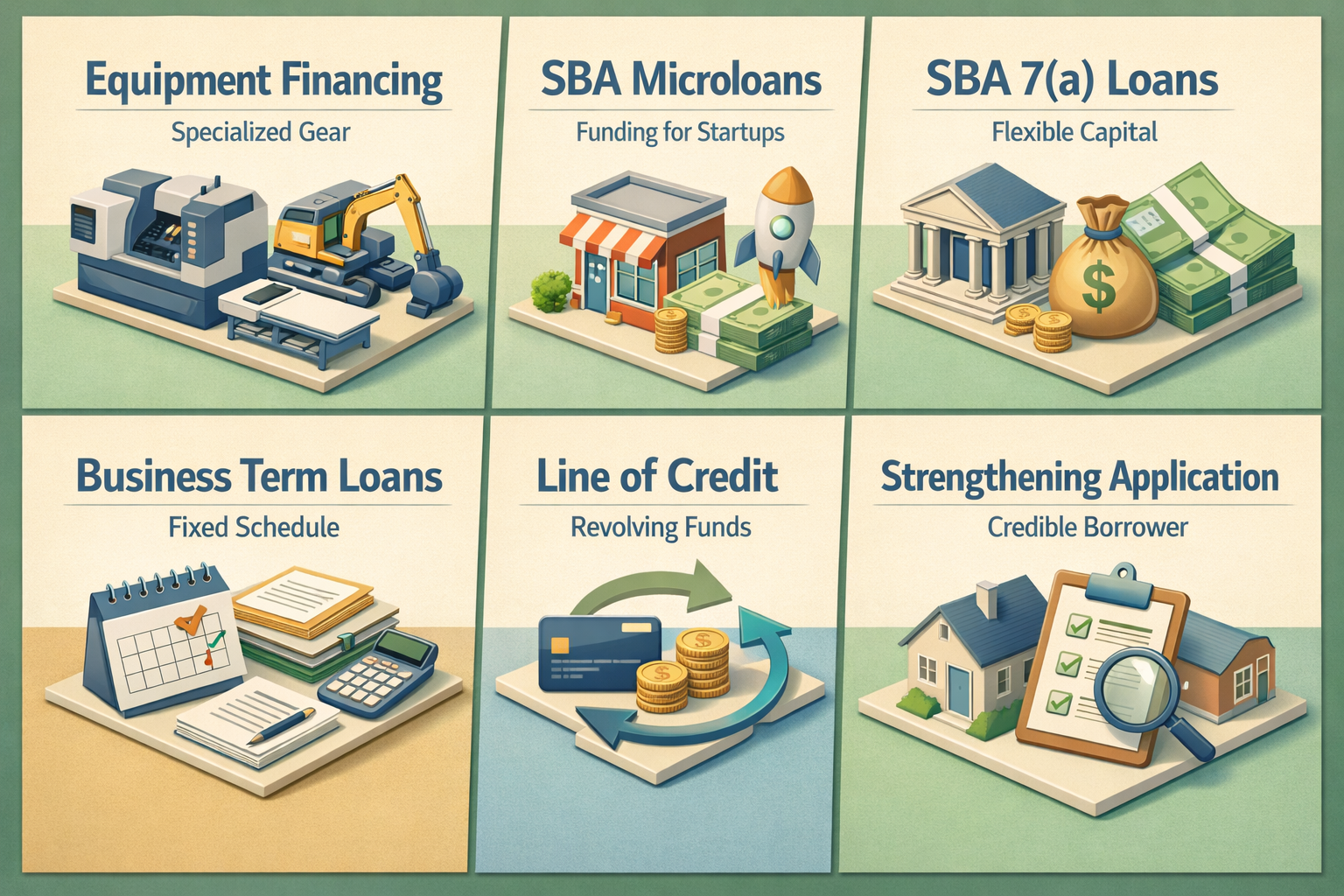
Beyond government-backed programs, traditional business term loans and revolving lines of credit are also worth exploring as startup loan options for a freelance mobile mechanic needing specialized tools. These products are offered by banks, credit unions, and online lenders, each with their own qualification standards and rate structures.
A business term loan provides a lump sum of capital that's repaid over a fixed schedule with interest. This can work well if you have a clear picture of exactly what equipment you need and how much it will cost. The predictability of fixed monthly payments may also make budgeting easier in the early stages of your business.
A business line of credit, on the other hand, gives you access to a revolving pool of funds that you draw from as needed. This flexibility could be useful if your equipment needs evolve over time — for example, adding specialized tools as you expand the types of services you offer. You typically only pay interest on what you borrow, which may help manage costs when business is slower.
Online lenders have expanded access to these products in recent years, with some offering faster decisions and more flexible underwriting than traditional banks. However, interest rates from alternative online lenders can sometimes be higher, so it's wise to compare total loan costs carefully before committing.
Strengthening Your Loan Application as a Self-Employed Borrower
As a freelancer or independent contractor, you may face unique challenges when applying for business financing. Lenders typically want to see evidence that a business can generate enough revenue to repay a loan. When you're just starting out, that track record doesn't exist yet — but there are steps you can take to present yourself as a credible borrower.
Consider these strategies to strengthen your loan application:
- Write a clear business plan — outline your target market, service offerings, pricing strategy, and projected income. A well-prepared plan demonstrates seriousness and planning ability.
- Check and improve your personal credit score — for new businesses, lenders often rely heavily on the owner's personal credit profile. Paying down existing debts and correcting any errors on your credit report may help.
- Register your business formally — obtaining a business license, EIN, and business bank account signals legitimacy to lenders.
- Document any existing income — if you've already done informal mechanic work, gather records such as invoices or tax returns to show earning potential.
- Gather quotes for equipment — specific cost estimates show lenders exactly how funds will be used, which can build confidence in the request.
Self-employed borrowers can absolutely qualify for business financing — it may just require a little more preparation upfront. Taking the time to organize your documents and tell a compelling story about your business can meaningfully improve your chances of approval.
●Conclusion
Launching a freelance mobile mechanic business is a smart move for skilled tradespeople who value independence and flexibility. The right financing can turn your expertise into a fully equipped, revenue-generating operation without requiring you to wait years to save up enough capital on your own. Whether you explore equipment financing, an SBA Microloan, an SBA 7(a) loan, or a business line of credit, there are real paths forward — even for entrepreneurs just getting started.
The most important step is to research your options thoroughly, compare lenders, and apply with a clear plan in hand. At LoanWise, we're here to help small business owners and entrepreneurs navigate the lending landscape with confidence. Ready to explore your startup loan options for a freelance mobile mechanic needing specialized tools? Connect with a lending specialist today and take the first step toward building the business you've been working toward.