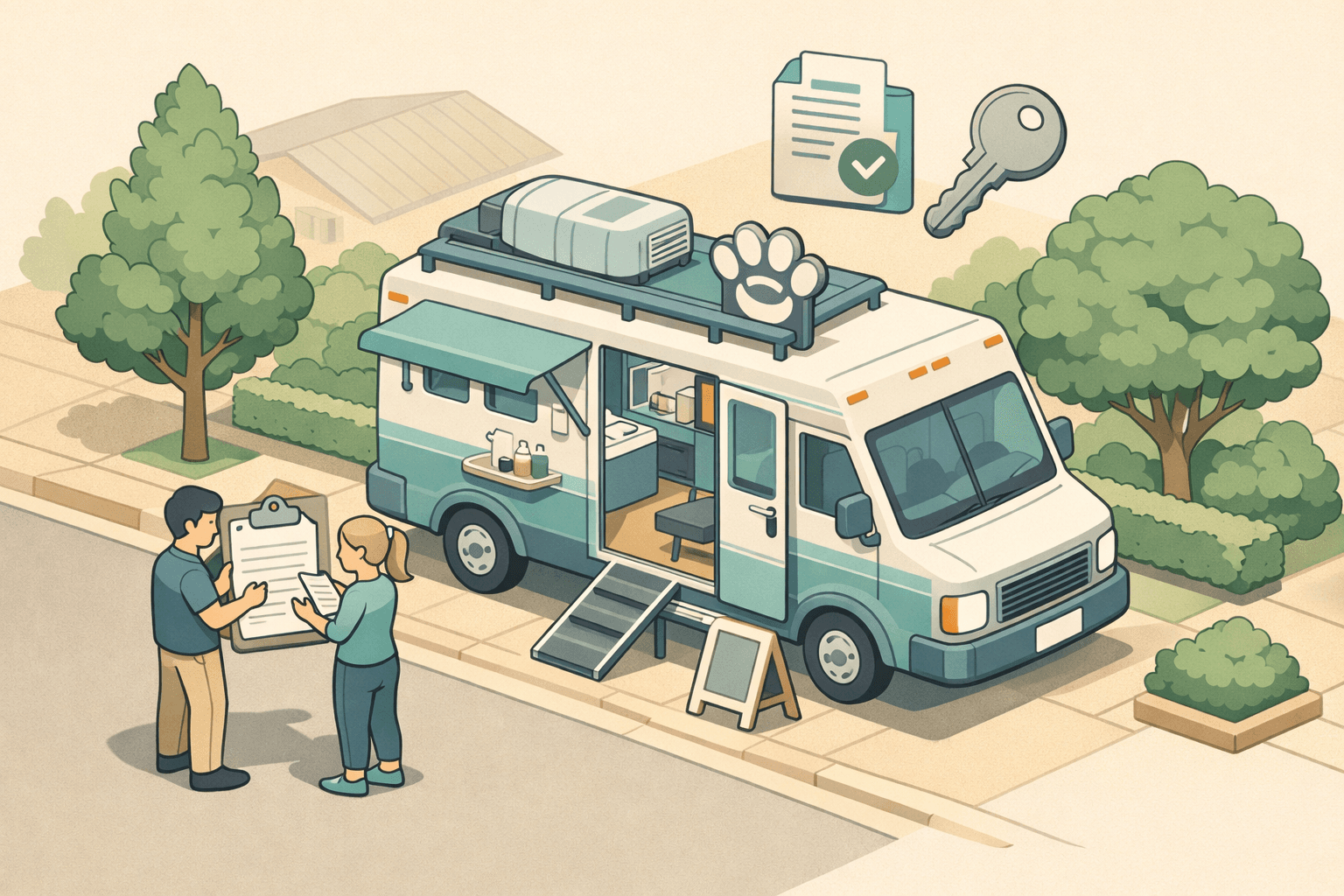
Starting a freelance mobile dog grooming business is an exciting venture — but it comes with one major upfront challenge: the cost of a specialized grooming van. These custom-outfitted vehicles aren't cheap, and for most new entrepreneurs, securing the right financing is the first real hurdle. The good news is that there are several viable startup loan options for a freelance mobile dog grooming business needing a specialized van, ranging from SBA microloans to equipment financing and beyond. Whether you're just beginning to research or you're ready to apply, understanding your funding landscape can make a real difference in getting your business rolling — literally.
Why a Specialized Van Is Central to Your Business Model
Unlike a traditional brick-and-mortar grooming salon, a mobile dog grooming business depends almost entirely on its vehicle. The van isn't just transportation — it's your grooming studio, your brand on wheels, and your primary income-generating asset. A purpose-built grooming van typically includes a tub, grooming table, dryers, water storage tanks, a generator or shore power connection, and climate control systems. These features make the vehicle significantly more expensive than a standard cargo van.
Depending on the configuration and whether you're buying new or used, a fully equipped mobile grooming van could range anywhere from $30,000 to over $100,000. That's a substantial investment for a freelance entrepreneur who may not yet have business revenue to show lenders. This is why choosing the right loan product matters so much from day one. The vehicle itself often serves as collateral, which can actually work in your favor when seeking specialized vehicle financing.
Beyond the van, you'll also want to budget for licensing, insurance, grooming supplies, and initial marketing. Lenders will want to see that you've thought through the full picture, not just the vehicle cost. A well-prepared business plan can significantly improve your chances of loan approval, even as a startup with no operating history.
Exploring SBA Loan Programs for New Mobile Business Owners
The U.S. Small Business Administration (SBA) offers several loan programs that could be well-suited for small business startups, including mobile service businesses. Two programs in particular stand out for new entrepreneurs looking for startup loans for mobile business ventures.
SBA Microloans: A Strong Starting Point
The SBA Microloan Program provides loans of up to $50,000 through nonprofit community lenders. For a freelance groomer purchasing a used or mid-range van, this could cover a meaningful portion of the startup cost. Microloans are often more accessible to new business owners because they're administered by mission-driven intermediaries who may weigh your business plan and community impact alongside your credit score. Repayment terms can extend up to six years, and the program may also include technical assistance and business training.
SBA 7(a) Loans for Larger Financing Needs
If you're looking at a brand-new, fully equipped grooming van — or need capital for both the vehicle and startup operating costs — the SBA 7(a) loan might be a better fit. This is the SBA's most popular general-purpose loan program, with loan amounts that can go significantly higher than microloans. While SBA 7(a) loans typically require some form of collateral and a demonstrated ability to repay, they offer competitive interest rates and longer repayment terms compared to many alternative lenders. Keep in mind that startup businesses may face additional scrutiny, so a strong business plan and personal credit history become especially important.
It's worth noting that SBA loans often involve more paperwork and a longer approval timeline than other options. If you need funding quickly, you may want to explore other avenues alongside or instead of SBA programs.
Equipment and Vehicle Financing: Using the Van as Collateral
One of the most practical funding paths for a dog grooming business loan scenario is equipment or vehicle financing. Because the specialized grooming van is a tangible, depreciable asset, many lenders are willing to use it as collateral for the loan itself. This structure reduces the lender's risk and can make approval more accessible, even for borrowers without extensive business credit history.
With equipment financing, you typically borrow the amount needed to purchase the van, and the van secures the loan. If you default, the lender may repossess the vehicle. This arrangement often allows for:
- Lower down payment requirements compared to unsecured loans
- Fixed monthly payments that are easier to budget around
- Loan terms that align with the expected useful life of the vehicle
- Potential tax advantages through depreciation deductions
Some equipment lenders specialize in commercial vehicles and may have experience working with mobile service businesses. It's a good idea to compare offers from multiple lenders, including banks, credit unions, and online lenders, to find the most favorable terms. Interest rates and fees can vary considerably, so shopping around is a worthwhile step.
Commercial Auto Loans as an Alternative
If the grooming van is purchased through an automotive dealer or manufacturer, a commercial auto loan may be available directly through the dealership's financing arm or a bank. These loans function similarly to personal auto loans but are structured for business use. While they may have shorter terms and slightly different qualification criteria, they can be a fast and straightforward option — particularly if the dealer works frequently with mobile business operators.
Alternative Lending Solutions Worth Considering for Freelance Capital
Traditional bank loans and SBA programs aren't the only routes available. The alternative lending market has grown substantially, and several options may be particularly relevant for freelancers and sole proprietors seeking freelance business capital.
Online Term Loans
Online lenders often have faster application processes and more flexible qualification requirements than traditional banks. For a startup business, you might still need to meet minimum credit score thresholds and provide a business plan, but the turnaround time from application to funding can be significantly shorter. Interest rates may be higher than bank loans, so it's important to carefully evaluate the total cost of borrowing before committing.
Business Lines of Credit
A business line of credit offers flexible access to funds up to a set limit, and you only pay interest on what you draw. While this might not cover the full cost of a specialized van, it could complement another loan by covering operational startup costs like insurance, licensing, supplies, and marketing. Some lenders offer lines of credit to startups, though qualification requirements vary widely.
Personal Loans for Business Purposes
Some new entrepreneurs use a personal loan to fund early-stage business expenses, particularly if they haven't yet established a business entity or credit profile. Personal loans are based on your individual credit history and income, and they don't require business documentation. However, mixing personal and business finances can create complications, so this path is generally better suited as a short-term bridge while you build your business credit.
It's also worth exploring whether any local or state small business development programs offer grants or low-interest loans for mobile entrepreneurs. Community development financial institutions (CDFIs) and nonprofit lenders sometimes have programs tailored to underserved entrepreneurs that standard banks don't offer.
How Lenders Evaluate a Dog Grooming Startup Loan Application
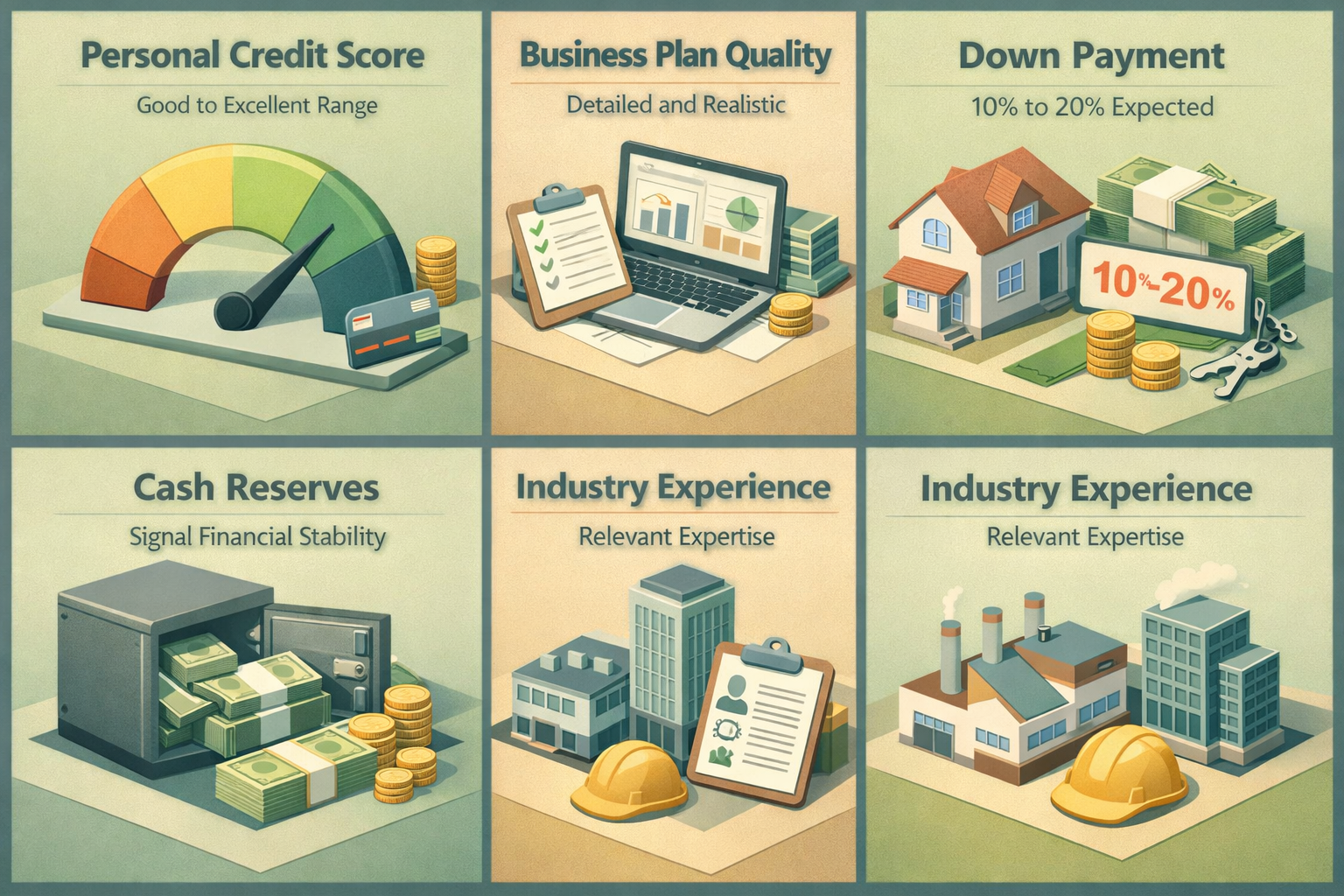
Understanding what lenders look for can help you prepare a stronger application. When you're seeking startup loans for a freelance mobile dog grooming business needing a specialized van, lenders will typically assess several key factors.
- Personal credit score: As a startup, your personal credit history often carries significant weight. A score in the good-to-excellent range may open more doors and lead to better interest rates.
- Business plan quality: A detailed, realistic business plan demonstrates that you've thought through your market, pricing, expenses, and growth strategy. This can offset the lack of business operating history.
- Down payment: Many lenders for vehicle or equipment loans expect a down payment — often somewhere in the range of 10% to 20%, though this can vary. A larger down payment reduces lender risk and may improve your loan terms.
- Cash reserves: Showing that you have some personal savings or reserves signals financial stability and reduces perceived default risk.
- Industry experience: If you've worked as a groomer before — even as an employee — documenting that experience can strengthen your application by demonstrating relevant expertise.
It's also helpful to register your business formally before applying. Operating as an LLC or sole proprietor with a registered business name, business bank account, and an Employer Identification Number (EIN) shows lenders that you're serious and organized. Some lenders may require these elements as part of their application criteria.
Building Your Credit Profile Before You Apply for Specialized Vehicle Financing
If your personal credit score isn't where you'd like it to be, taking a few months to improve it before applying could make a meaningful difference. Even a modest improvement in your credit score might result in a lower interest rate, which adds up significantly over the life of a loan for a high-cost asset like a grooming van.
Some practical steps to consider include:
- Paying down existing revolving debt to lower your credit utilization ratio
- Ensuring there are no errors on your credit report — you're entitled to free annual reports from each major bureau
- Avoiding new hard inquiries or large new debts in the months before applying
- If you don't have a business credit profile yet, opening a business credit card and using it responsibly can begin building one
Keep in mind that some lenders — particularly CDFIs and microloan intermediaries — may be more flexible about credit scores if you have a compelling business case and strong character references. Don't assume a less-than-perfect score automatically disqualifies you from all programs. It's always worth having a conversation with a lender before giving up on a particular option.
●Conclusion
Launching a freelance mobile dog grooming business is a genuinely promising entrepreneurial path — the pet care industry continues to grow, and mobile services offer a level of convenience that many pet owners are willing to pay a premium for. The biggest hurdle for most new operators is financing that specialized van, but as this guide shows, there are multiple credible pathways to make it happen. From SBA microloans and equipment financing to online term loans and CDFIs, the right solution will depend on your credit profile, how much capital you need, and how quickly you need it. Exploring startup loan options for a freelance mobile dog grooming business needing a specialized van doesn't have to be overwhelming — it just requires some research, preparation, and the willingness to compare your options carefully. At LoanWise, we're here to help small business owners and freelance entrepreneurs find the financing that fits their unique situation. Take the next step today and explore what's available to you.