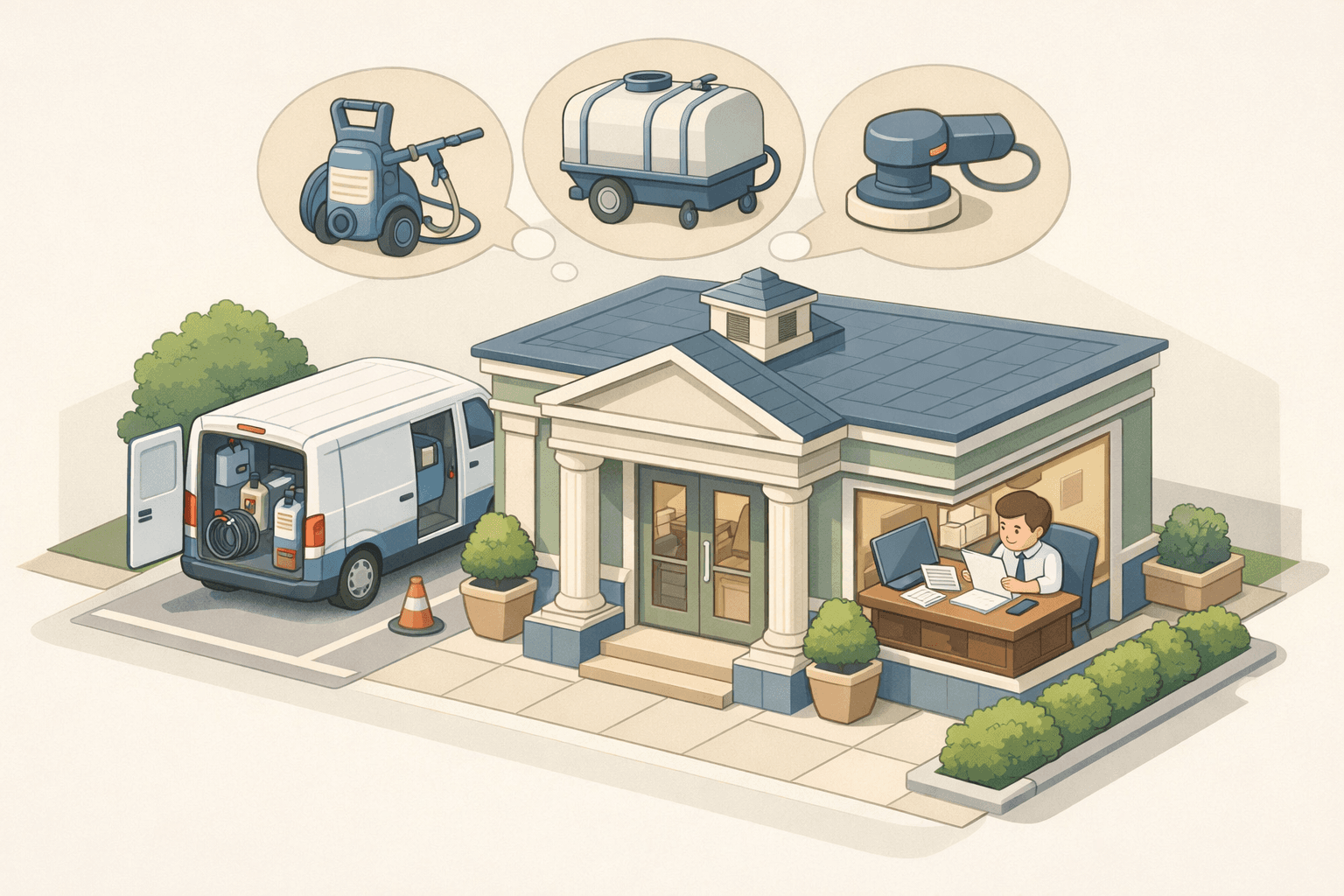
Starting a mobile detailing business is an exciting opportunity for entrepreneurs who want low overhead, flexible schedules, and strong earning potential. But before you can book your first client, you'll need the right equipment — pressure washers, vacuums, polishers, water tanks, and a reliable vehicle to carry it all. That upfront cost can feel overwhelming, especially if you're just getting started. The good news is that there are several startup loan options for a freelance mobile detailing business needing equipment that may help you bridge the gap between your vision and your first paying customer. This guide walks you through the most relevant financing paths so you can make a confident, informed decision.
Understanding the Equipment Costs Before You Borrow
Before approaching any lender, it helps to have a clear picture of what your startup equipment needs will actually cost. A basic mobile detailing setup might include a portable pressure washer, a wet-dry vacuum, a water tank or reclaim system, microfiber supplies, polishing machines, and chemicals. Depending on whether you go with entry-level or professional-grade tools, your initial investment could range from a few thousand dollars to well over ten thousand.
You'll also need to factor in vehicle costs if you don't already own a suitable van or truck, as well as any branding, business registration, and insurance expenses. Creating a detailed list of your startup equipment needs gives you a realistic borrowing target — and it signals to lenders that you're a serious, organized entrepreneur rather than someone guessing at numbers.
Having a written business plan that outlines your projected revenue, target market, and pricing structure can also significantly strengthen your loan application. Many lenders — especially those focused on small business financing — will want to see that you've thought through how you'll repay what you borrow.
SBA Microloans: A Strong Starting Point for New Entrepreneurs
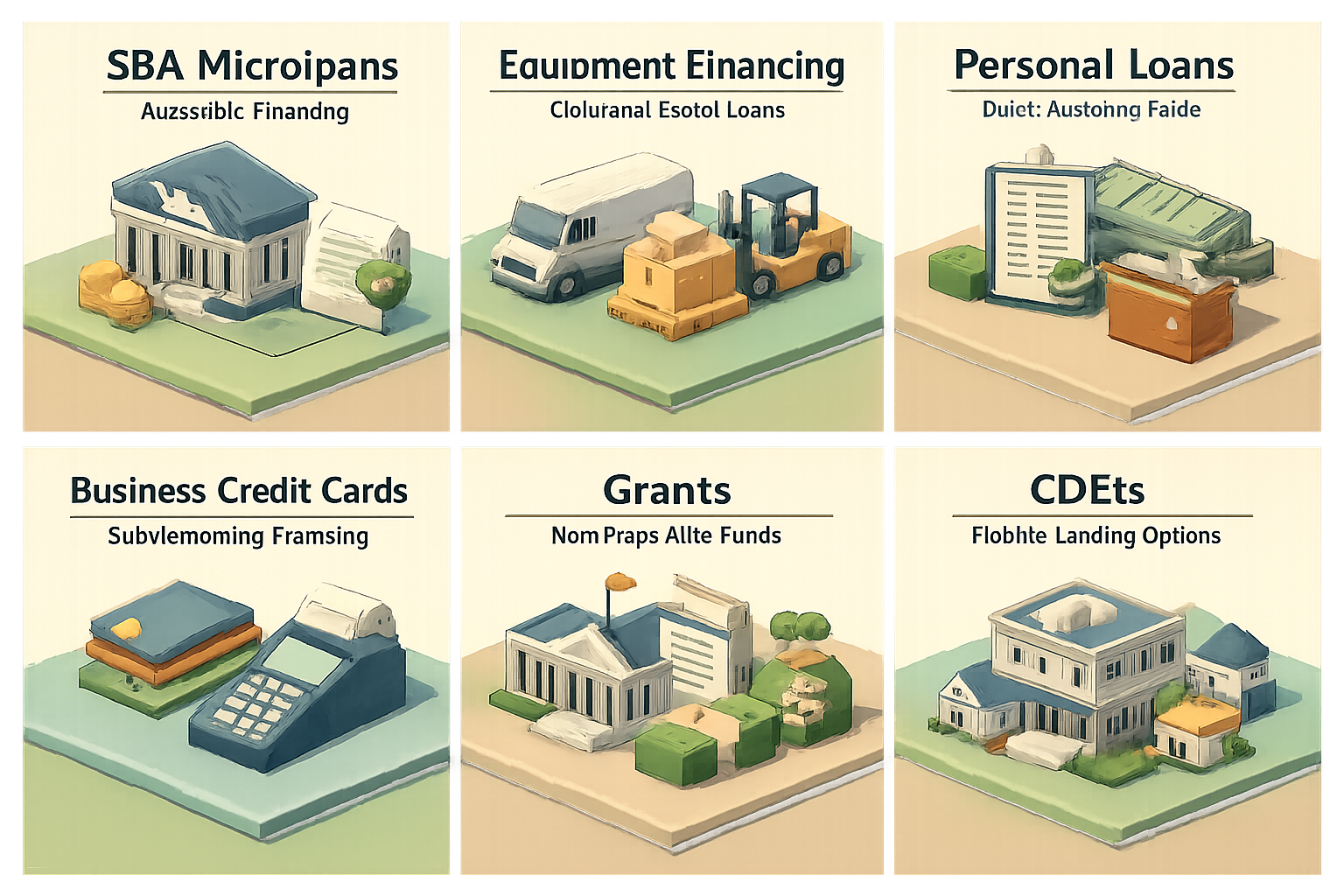
One of the most accessible financing programs for brand-new business owners is the SBA Microloan program. Administered by the U.S. Small Business Administration and delivered through nonprofit intermediary lenders, this program offers loans of up to $50,000 to help startups and small businesses purchase equipment, supplies, and working capital.
For a freelance mobile detailer, an SBA Microloan could be an especially practical fit. The loan amounts align well with typical startup equipment costs, and the program is specifically designed to support entrepreneurs who may not yet have an established business credit history. Interest rates and repayment terms vary by intermediary lender, but they tend to be more borrower-friendly than many alternative financing options.
One thing to keep in mind is that SBA Microloans may require some form of collateral or a personal guarantee, and the application process can take time. Still, if you're willing to put in the paperwork, this program may offer some of the most favorable terms available to a new sole proprietor or freelancer just launching their detailing operation.
Equipment Financing: Borrowing Against What You're Buying
Equipment financing is another option that's particularly well-suited to the startup loan mobile detailing equipment needs scenario. With this type of loan, the equipment itself serves as collateral — meaning the lender has security in the form of the physical asset you're purchasing. This often makes it easier to qualify compared to unsecured loan products, even if your credit history is limited.
Under a typical equipment financing arrangement, you borrow the cost of the equipment and repay it over a set term, often ranging from one to five years. Once the loan is repaid, you own the equipment outright. Some lenders may finance up to 100% of the equipment value, though it's common to see requirements for a down payment of around 10% to 20%.
For mobile detailers, this could mean financing a professional-grade pressure washer, a detail van, or a complete starter kit through a single loan tied directly to those assets. It's worth shopping around, as terms can vary significantly between banks, credit unions, and online lenders that specialize in equipment-based financing for small businesses.
Personal Loans and Business Credit Cards as Bridge Financing
If you haven't yet established a business entity or you need funds quickly, a personal loan might serve as a short-term bridge to get your equipment purchased and your business operational. Personal loans are generally unsecured, meaning no collateral is required, and they can sometimes be approved faster than traditional business loan products.
Your credit score will play a significant role in determining whether you qualify and what interest rate you'll receive. Borrowers with strong personal credit may access more favorable terms, while those with limited credit history could face higher rates or lower borrowing limits. It's important to borrow only what you realistically need and can repay, since carrying high-interest personal debt can strain your cash flow in the early months of business.
Business credit cards can also serve a supplementary role, particularly for purchasing smaller supplies, chemicals, and consumables. Some cards offer introductory 0% APR periods that may give you a window to spread out costs without accruing interest. However, relying heavily on credit cards for large equipment purchases can quickly become costly if balances aren't paid down promptly.
Exploring Grants and Community Lending Programs
While loans require repayment, grants do not — which makes them an attractive option worth researching alongside traditional financing. Various federal, state, and local programs offer small business grants to entrepreneurs, particularly those from underserved communities, minority-owned businesses, veteran-owned businesses, or women-owned enterprises.
Community Development Financial Institutions (CDFIs) are another resource worth exploring. These mission-driven lenders are specifically designed to serve small businesses and entrepreneurs in underserved markets, and they may offer more flexible qualification criteria than conventional banks. Many CDFIs also provide technical assistance, financial coaching, and mentoring alongside their lending products — which can be invaluable when you're just starting out.
Local Small Business Development Centers (SBDCs) and SCORE chapters can help you identify grant opportunities and community lending programs available in your area. The process of researching and applying for grants can be time-consuming, but even a small grant that covers part of your equipment costs could meaningfully reduce the amount you need to borrow.
Building Your Credit Profile to Improve Future Borrowing Power
Whether you secure financing right away or need to take some time to strengthen your financial profile first, building both your personal and business credit should be a priority from day one. Lenders evaluating startup loan options for a freelance mobile detailing business needing equipment will often look at your personal credit score, particularly in the early stages when your business has no established credit history of its own.
To build business credit, start by formally registering your business and obtaining an Employer Identification Number (EIN) from the IRS. Open a dedicated business bank account and apply for a small business credit card or a net-30 trade account with a supplier. Making consistent, on-time payments is the most reliable way to grow your credit profile over time.
As your credit strengthens and your business demonstrates a track record of revenue, you'll likely find it easier to qualify for larger loan amounts, better interest rates, and more favorable repayment terms. Starting small and building deliberately puts you in a much stronger position when it's time to expand your fleet, hire staff, or upgrade your equipment down the road.
●Conclusion
Launching a mobile detailing business as a freelancer is a genuinely achievable goal, and the right financing can help you get there faster. Whether you pursue an SBA Microloan, equipment financing, a personal loan, or a combination of resources, the key is to go in prepared — with a clear understanding of your equipment needs, a realistic business plan, and a commitment to responsible borrowing. Each financing path has its own eligibility requirements, costs, and timelines, so it pays to compare your options carefully before committing. At LoanWise, we're here to help small business owners and entrepreneurs navigate the lending landscape with confidence. Ready to explore your options? Connect with a lending specialist today and take the first step toward building the business you've been planning.