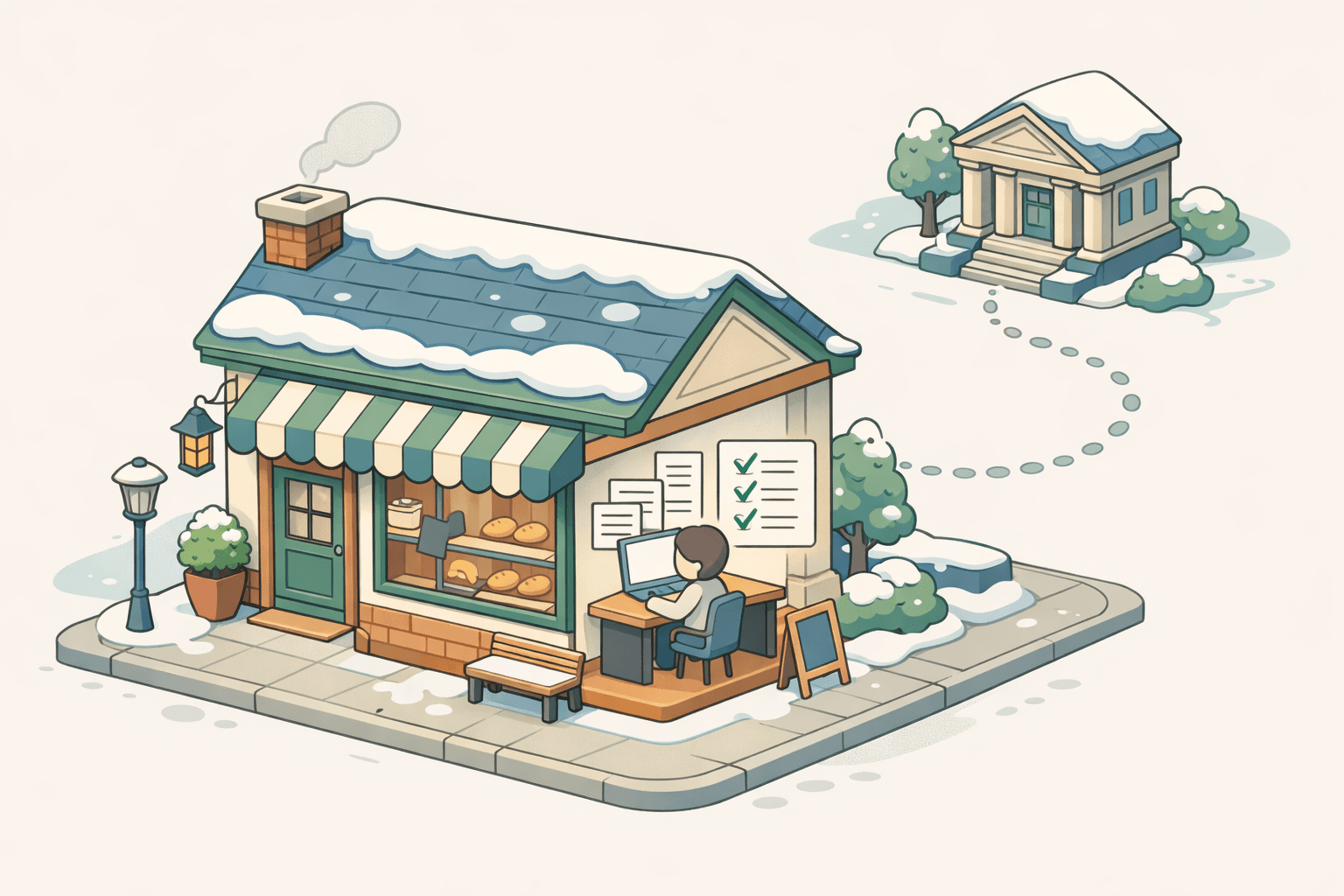
Running a seasonal bakery is a rewarding venture, but it comes with a familiar challenge: the off-peak months. When foot traffic slows and revenue dips, keeping the lights on, paying staff, and restocking supplies can feel like an uphill climb. That's where SBA loans can make a meaningful difference. However, many bakery owners are caught off guard by the documentation process — especially during slower seasons when financial statements may not paint the rosiest picture. If you've been wondering what documents are needed for an SBA loan for a seasonal bakery during off-peak months, this guide is designed to walk you through every key requirement so you can approach lenders with confidence.
Why Seasonal Bakeries Face Unique Lending Challenges
Lenders evaluate loan applications based on a business's ability to repay debt. For most businesses, this is straightforward — consistent monthly revenue tells a clear story. But for a seasonal bakery, revenue may spike dramatically during the holidays and drop sharply in January or February. This natural ebb and flow can make lenders uneasy if they don't fully understand the business model.
The good news is that the Small Business Administration (SBA) recognizes the unique nature of seasonal businesses. SBA loan programs, particularly the SBA 7(a) loan, may offer flexible repayment structures that accommodate businesses with irregular income cycles. Still, you'll need to present a well-organized set of documents that tells your bakery's full financial story — including both the peak and off-peak periods.
Understanding the documentation requirements in advance can help you avoid delays and improve your chances of approval, even when you're applying during your slowest time of year.
Core Business Documents Every SBA Applicant Must Provide
Regardless of your industry, SBA lenders typically require a set of foundational business documents. For a seasonal bakery, these serve as the baseline proof that your business is legally established and operating. Here's what you'll likely need to gather:
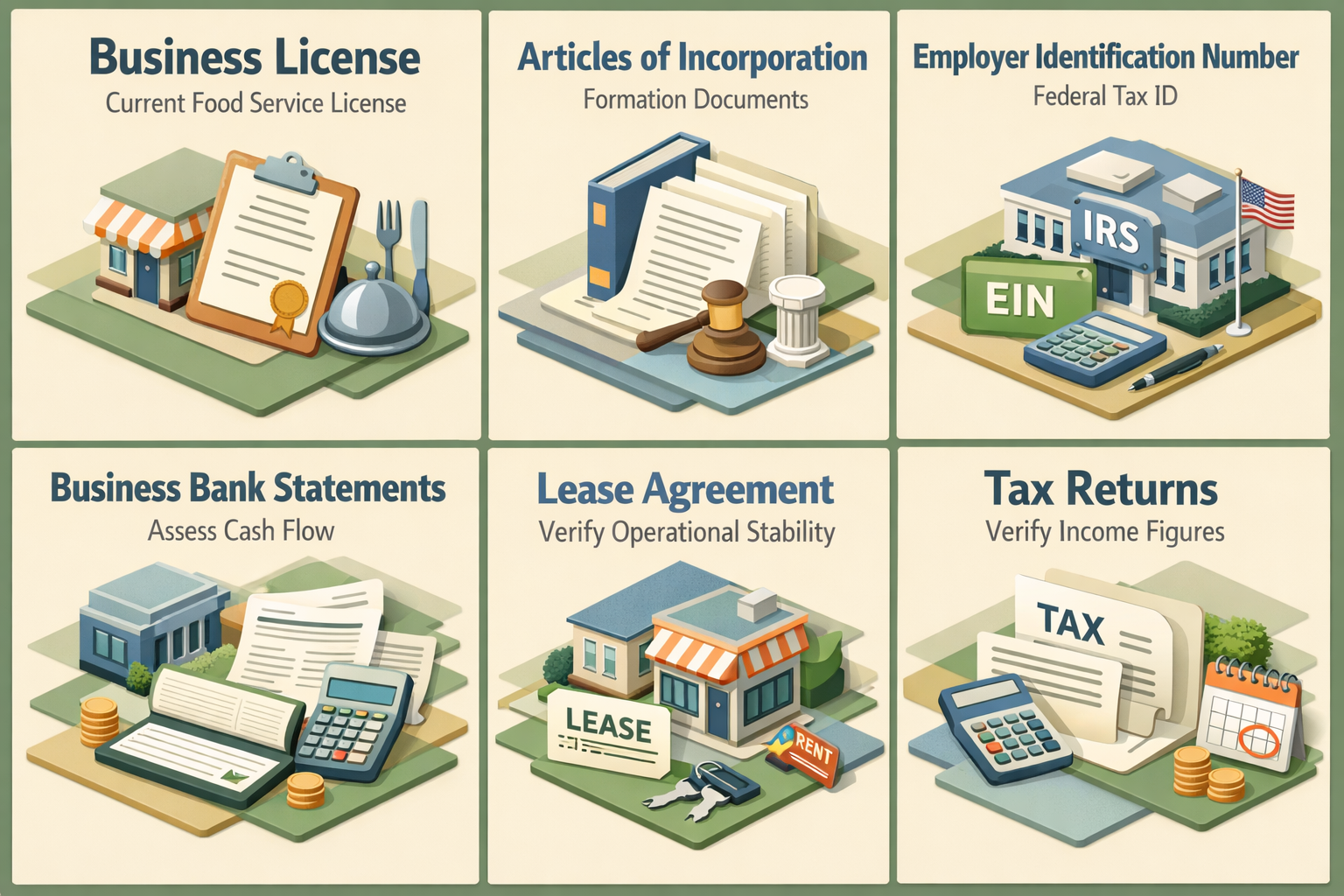
- Business license and permits: Copies of your current food service license, health department permits, and any state or local business registrations.
- Articles of Incorporation or Organization: If your bakery is structured as an LLC or corporation, you'll need to provide your formation documents.
- Employer Identification Number (EIN): Your federal tax ID number is essential for all SBA applications.
- Business bank statements: Most lenders request 12 to 24 months of bank statements to assess cash flow patterns — this is especially important for seasonal businesses.
- Lease agreement or proof of location: If you rent your bakery space, a copy of your commercial lease helps lenders verify operational stability.
Having these documents organized and ready before you begin the application can significantly speed up the review process.
Financial Statements That Reflect Your Seasonal Revenue Cycle
Financial statements are the heart of any SBA loan application, and for a seasonal bakery, they require some extra context. Lenders want to see that your business generates enough annual revenue to support loan repayment — even if that revenue is concentrated in certain months.
Here are the financial documents you'll typically need to provide:
- Profit and loss (P&L) statements: These should cover at least two to three years of business activity. If your bakery is newer, provide as much history as you have. Monthly P&L breakdowns can be especially helpful for showing seasonal patterns clearly.
- Balance sheet: A current balance sheet gives lenders a snapshot of your assets, liabilities, and equity. This helps them assess overall financial health beyond just income.
- Cash flow projections: This is critical for seasonal businesses. A detailed month-by-month cash flow forecast — ideally covering 12 to 24 months — demonstrates that you've planned for the slow season and can still meet repayment obligations.
- Accounts receivable and payable aging reports: These show how money moves in and out of your bakery, which can support your case for needing bridge financing during off-peak months.
When preparing these documents, it may help to add a brief written explanation of your seasonal revenue cycle. Lenders who specialize in small business lending will often appreciate the transparency.
Tax Returns and Personal Financial Disclosures for Bakery Owners
SBA lenders don't just evaluate the business — they also look closely at the owners behind it. Personal financial health plays a significant role in the approval decision, particularly for small bakeries where the owner's finances and the business's finances may be closely linked.
Expect to provide the following:
- Business tax returns: Typically, lenders request two to three years of complete federal business tax returns, including all schedules. These help verify the income figures shown on your P&L statements.
- Personal tax returns: Owners with a 20% or greater stake in the business are usually required to submit two to three years of personal federal tax returns.
- Personal financial statement (SBA Form 413): This standardized form outlines your personal assets, liabilities, income, and expenses. It's a required document for most SBA loan programs.
- Personal credit report authorization: Lenders will pull your credit report, and you'll need to authorize this as part of the application process.
If your personal credit score has taken a hit during a difficult off-peak period, it may be worth reviewing your credit report beforehand and addressing any inaccuracies. A stronger credit profile could improve your terms and overall approval chances.
SBA Loan for Seasonal Businesses Documentation: What Makes Your Application Stand Out
When it comes to SBA loan for seasonal businesses documentation, a complete and well-presented application can be the difference between approval and rejection. Beyond the standard requirements, there are a few additional documents and strategies that could strengthen your file significantly.
A Compelling Business Plan
If your bakery is applying for a larger loan amount or is a newer business, a thorough business plan is often expected. This should include your business overview, target market, competitive analysis, marketing strategy, and detailed financial projections. For a seasonal bakery, your plan should specifically address how you manage cash flow year-round and what strategies you use to generate revenue during slower months — such as catering contracts, online orders, or wholesale partnerships.
Explanation Letter for Off-Peak Revenue Dips
A brief, professional letter explaining your seasonal revenue model can go a long way. This letter should outline your peak season, typical off-peak revenue trends, and how you plan to use the loan funds to bridge the gap or invest in growth. Lenders are more likely to view your application favorably when you proactively address potential concerns.
Collateral Documentation
While not all SBA loans require collateral, lenders may request documentation of business or personal assets that could secure the loan. For a bakery, this might include baking equipment, a vehicle used for deliveries, or real estate. Providing appraisals or purchase records for significant assets can be helpful.
How to Prepare Your SBA Loan Application During the Off-Peak Season
Timing your application during the off-peak season isn't necessarily a disadvantage — in fact, it can give you the time you need to gather documents carefully and apply without the rush of a busy season. Here are some practical steps to help you prepare:
- Start organizing documents early: Don't wait until you're in financial distress. Begin pulling together tax returns, bank statements, and financial reports well before you need the funds.
- Work with an accountant: A CPA familiar with small food businesses can help ensure your financial statements are accurate, complete, and presented in a format lenders expect.
- Contact an SBA-approved lender: Not all banks offer SBA loans, and requirements can vary slightly between lenders. Speaking with an SBA-preferred lender early in the process can help you understand exactly what documentation they require.
- Use the SBA's resources: The SBA offers free counseling through organizations like SCORE and Small Business Development Centers (SBDCs), which can help you prepare your application and financial documents.
- Be transparent about seasonality: Rather than hiding your off-peak revenue dips, explain them clearly. Lenders who understand seasonal business cycles are more likely to work with you when you're upfront about your model.
The more prepared and organized your application is, the smoother the process is likely to go — and the faster you may receive a lending decision.
●Conclusion
Understanding what documents are needed for an SBA loan for a seasonal bakery during off-peak months can feel overwhelming at first, but breaking it down into clear categories makes the process much more manageable. From business licenses and financial statements to personal tax returns and cash flow projections, each document plays a role in telling your bakery's complete financial story. The key is to be organized, transparent, and proactive — especially when applying during slower revenue periods. At LoanWise, we're here to help small business owners like you navigate the lending landscape with confidence. Whether you're exploring SBA 7(a) options or simply want guidance on what to prepare, our team is ready to support your next step. Connect with a LoanWise lending specialist today and let's find the right financing path for your seasonal bakery.