
Turning a passion for the ocean into a thriving business is an exciting journey. But before you can stock your shaping bay with foam blanks, fiberglass, and finishing tools, you'll likely need financing. If you've been wondering what documents are needed for a startup loan for a custom surfboard shaping business, you're in the right place. Lenders want to see that you've done your homework, that you understand your market, and that you have a realistic plan to repay what you borrow. This guide walks you through the key paperwork you'll need to gather — and why each piece matters to the lender reviewing your application.
Why Lenders Pay Close Attention to Startup Applications
Startup businesses carry more perceived risk than established companies. Without years of revenue history to review, lenders rely heavily on documentation to evaluate your creditworthiness, your business concept, and your ability to manage money responsibly. A custom surfboard shaping business — while niche — can be compelling to the right lender, especially if you can demonstrate local demand, a defined customer base, and relevant industry experience.
Small business lenders, including banks, credit unions, and SBA-approved lenders, typically follow structured underwriting processes. They're not just evaluating your idea — they're evaluating you as a borrower. That means your personal financial history, your business plan, and your projected cash flow all play important roles in the decision. The more organized and thorough your application package, the stronger your chances of moving forward.
A Solid Business Plan Is the Foundation of Your Application
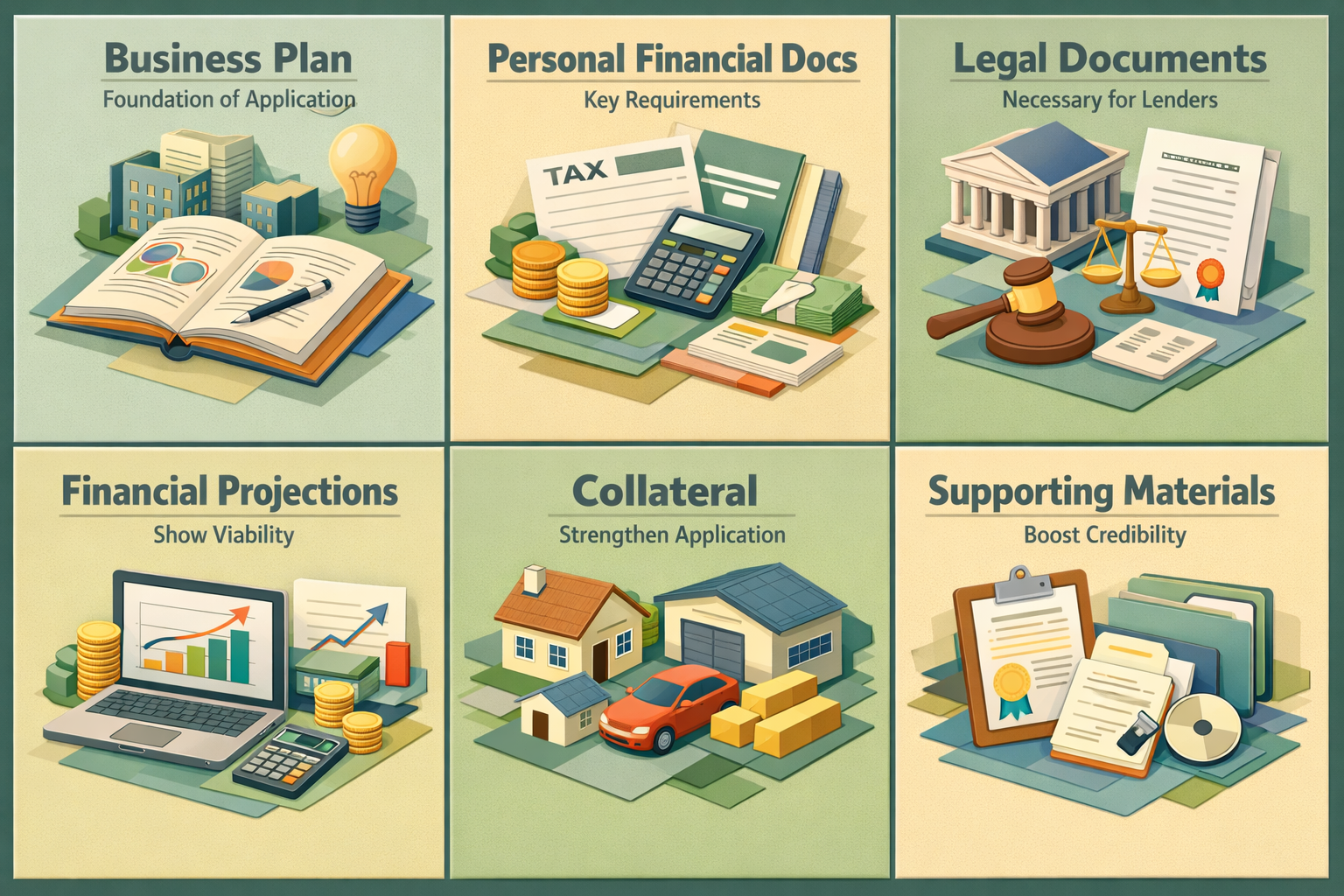
For nearly every startup loan, a well-written business plan is one of the most critical documents you can provide. Lenders use it to understand what your business does, who your customers are, how you plan to generate revenue, and how you'll manage expenses. For a custom surfboard shaping business, this should go beyond a general description — it needs to be specific and market-informed.
Your business plan should typically include:
- Executive summary: A brief overview of your business concept, mission, and goals.
- Business description: Details about your shaping services, product offerings (custom shortboards, longboards, fish designs, etc.), and what makes your work unique.
- Market analysis: Research on your local surf market, target customers, competitors, and demand trends.
- Operations plan: Where you'll operate, the equipment you'll need, your production process, and any staff or contractors involved.
- Marketing strategy: How you plan to attract customers — social media, surf shop partnerships, local events, or word of mouth.
- Financial projections: Monthly revenue and expense estimates for at least the first two to three years.
This document tells your story and shows lenders that you've thought seriously about running a sustainable operation — not just shaping boards in a garage with no clear path to profit.
Personal Financial Documents That Most Lenders Will Request
Because your business is new and has no financial track record, lenders will look closely at your personal finances as a proxy for how you manage money. Be prepared to provide several key personal documents.
Government-Issued Identification
A valid driver's license or passport is typically required to verify your identity. This is standard for any loan application.
Personal Tax Returns
Most lenders will ask for two to three years of personal federal tax returns. These help lenders assess your income history, any existing debt obligations, and your overall financial stability. If you've had years where income was irregular — which is common for freelance shapers or surf instructors — be ready to explain those fluctuations.
Personal Credit Report and Score
Your personal credit score may carry significant weight with startup loan lenders since your business doesn't yet have an established credit profile. Lenders may look for a score in the mid-600s or higher, though requirements can vary depending on the loan type and lender. If your score needs work, it may be worth spending a few months paying down balances and correcting any errors before applying.
Personal Bank Statements
Providing three to six months of personal bank statements helps lenders understand your cash flow patterns, savings habits, and whether you have reserves to cover early business expenses. Consistent deposits and a positive average balance tend to make a favorable impression.
Personal Financial Statement
Some lenders — particularly SBA lenders — require a completed personal financial statement that lists your assets, liabilities, income, and net worth. This gives underwriters a snapshot of your total financial picture.
Business Registration and Legal Documents You'll Need Ready
Even for a startup, lenders want to see that your business is properly set up as a legal entity. These documents confirm that your company is real, registered, and operating within the law.
- Business formation documents: Articles of incorporation or organization, depending on whether you've structured your business as an LLC, S-Corp, or sole proprietorship.
- Business licenses and permits: Any required local or state licenses to operate a manufacturing or retail business in your area. Surfboard shaping may also require compliance with environmental regulations related to resin and chemical use.
- Employer Identification Number (EIN): Issued by the IRS, this is essentially your business's tax ID. You'll need it to open business bank accounts and file business taxes.
- Operating agreement or partnership agreement: If you have a business partner or co-owner, lenders will want to review how ownership and responsibilities are divided.
- Business bank account statements: Even as a startup, having a dedicated business checking account shows financial organization and separates personal and business finances — something lenders appreciate.
Getting your legal structure sorted before applying can save time and signal to lenders that you're operating with professionalism and accountability.
Financial Projections and Startup Cost Estimates That Speak to Viability
One of the most important things a lender wants to know is: can this business generate enough income to repay the loan? Since you don't have historical revenue to point to, your financial projections become the next best thing. These should be realistic, data-informed, and tied directly to your business plan.
Startup Cost Breakdown
Provide an itemized list of everything you need to launch your surfboard shaping business. This might include:
- Shaping room setup and ventilation equipment
- Foam blanks, fiberglass cloth, resin, and finishing materials
- Shaping tools — planers, sanding blocks, and racks
- A spray booth or glassing setup
- Website development and branding
- Initial inventory and supplies
- Rent deposits and utility costs for your workspace
Being specific here shows lenders that you've thought through your actual needs rather than guessing at a round number.
Projected Income Statement
Estimate your monthly revenue based on how many boards you expect to shape and sell, your pricing per board, and any additional income from repairs or lessons. Even conservative estimates are valuable — lenders understand that projections are assumptions, but they want to see that your logic is sound.
Break-Even Analysis
A simple break-even calculation shows lenders how many boards you need to sell each month to cover your fixed and variable costs. This demonstrates financial awareness and helps underwriters gauge the realism of your plan.
Collateral, References, and Additional Supporting Materials
Depending on the type of startup loan you're applying for, lenders may also ask for collateral or supplementary supporting materials. Understanding these requirements ahead of time can prevent delays.
Collateral Documentation
Some lenders — especially for larger loan amounts — may require collateral to secure the loan. This could include personal assets like a vehicle or real estate, or business assets such as equipment. If you're offering equipment as collateral, be prepared to provide appraisals or purchase receipts. Not all startup loan programs require collateral, but having assets available can strengthen your application.
Professional References or Industry Experience
If you have years of experience shaping boards professionally, documentation of that experience — such as past employment records, certifications, or testimonials from surf shops — can significantly boost your credibility. Lenders are more confident lending to entrepreneurs who understand their craft and their industry inside out.
Letters of Intent or Pre-Orders
If you've already lined up customers — even informally — a letter of intent from a surf shop willing to stock your boards or pre-orders from surfers who've committed to custom shapes can be powerful supporting evidence. This signals genuine demand before you've even opened your doors.
Resumes of Key Team Members
If you have a business partner, a glasser, or a key contractor involved, including their resumes shows lenders that your team has the skills to execute the plan. Even for a solo operation, your own resume highlighting relevant shaping experience adds weight to your application.
Choosing the Right Loan Type and Understanding What Documents Are Needed for a Startup Loan for a Custom Surfboard Shaping Business
Not all startup loans are the same, and the specific documents required can vary based on the lender and loan program you choose. Knowing your options helps you prepare the right paperwork from the start.
SBA Microloans
The SBA Microloan program is often well-suited for small startups like a custom surfboard shaping business. These loans — typically up to $50,000 — are administered through nonprofit intermediary lenders and may have more flexible requirements than traditional bank loans. You'll still need a business plan, personal financial documents, and projections, but the bar for approval may be somewhat more accessible for newer entrepreneurs.
SBA 7(a) Loans
For larger funding needs, the SBA 7(a) program is a popular option. These loans require a more robust documentation package — including a full business plan, personal and business financial statements, tax returns, and sometimes collateral. The application process can take longer, but the loan terms are often favorable.
Equipment Financing
If your primary funding need is shaping and glassing equipment, equipment financing may be an efficient path. Lenders typically use the equipment itself as collateral, which can simplify the approval process. You'll still need basic financial documents and identification, but the documentation burden may be lighter than with a general-purpose term loan.
Community Development Financial Institutions (CDFIs)
CDFIs are mission-driven lenders that often work with underserved entrepreneurs and small startups. They may be more willing to look beyond limited credit history and instead evaluate your story, your skills, and your community impact. Documentation requirements vary but typically mirror standard startup loan requirements.
Understanding what documents are needed for a startup loan for a custom surfboard shaping business across these different programs helps you choose the right fit — and prepare efficiently without scrambling for paperwork at the last minute.
●Conclusion
Launching a custom surfboard shaping business takes more than talent with a planer — it takes financial preparation and a well-organized loan application. By gathering your personal financial documents, building a compelling business plan, itemizing your startup costs, and understanding the legal requirements in your area, you'll walk into the lender's office — or submit your online application — with confidence. Every piece of documentation tells a part of your story. Make sure that story is clear, credible, and complete. If you're ready to take the next step toward funding your shaping business, LoanWise is here to help you explore your options and connect with lenders who understand small business lending.