Using your VA home loan benefit to purchase a multi-family property is one of the smartest financial moves an eligible veteran or service member can make. You get to live in one unit, rent out the others, and build long-term wealth — all with no down payment required. But before you close the deal, it's important to understand what are closing costs for VA loan on multi-family owner occupied properties so there are no surprises at the settlement table. The good news is that the VA loan program comes with built-in borrower protections that limit certain fees. The reality, though, is that closing costs still exist and can add up. This guide breaks down every fee you're likely to encounter, what the VA allows or restricts, and how to reduce your out-of-pocket expenses when purchasing a duplex, triplex, or fourplex.
How VA Loans Work for Multi-Family Owner Occupied Properties
The VA loan program is designed exclusively for eligible veterans, active-duty service members, and qualifying surviving spouses. While most people associate VA loans with single-family homes, the program actually allows financing for properties with up to four units — as long as the borrower intends to occupy one of those units as their primary residence. This owner-occupancy requirement is the foundation of VA loan eligibility for multi-family properties.
So a veteran could purchase a duplex, triplex, or fourplex, live in one unit, and collect rental income from the remaining units. That rental income may even be considered by lenders when qualifying for the loan, which could help offset the monthly mortgage payment. It's a powerful strategy, but like any real estate transaction, it comes with closing costs that buyers need to plan for.
Multi-family properties financed with a VA loan follow the same general program rules as single-family homes — including the VA funding fee, appraisal requirements, and lender fee restrictions. However, because multi-unit homes tend to have higher purchase prices, the total dollar amount of closing costs is often higher as well. Understanding each component helps you budget accurately and negotiate effectively.
What Are Closing Costs for VA Loan on Multi-Family Owner Occupied Purchases
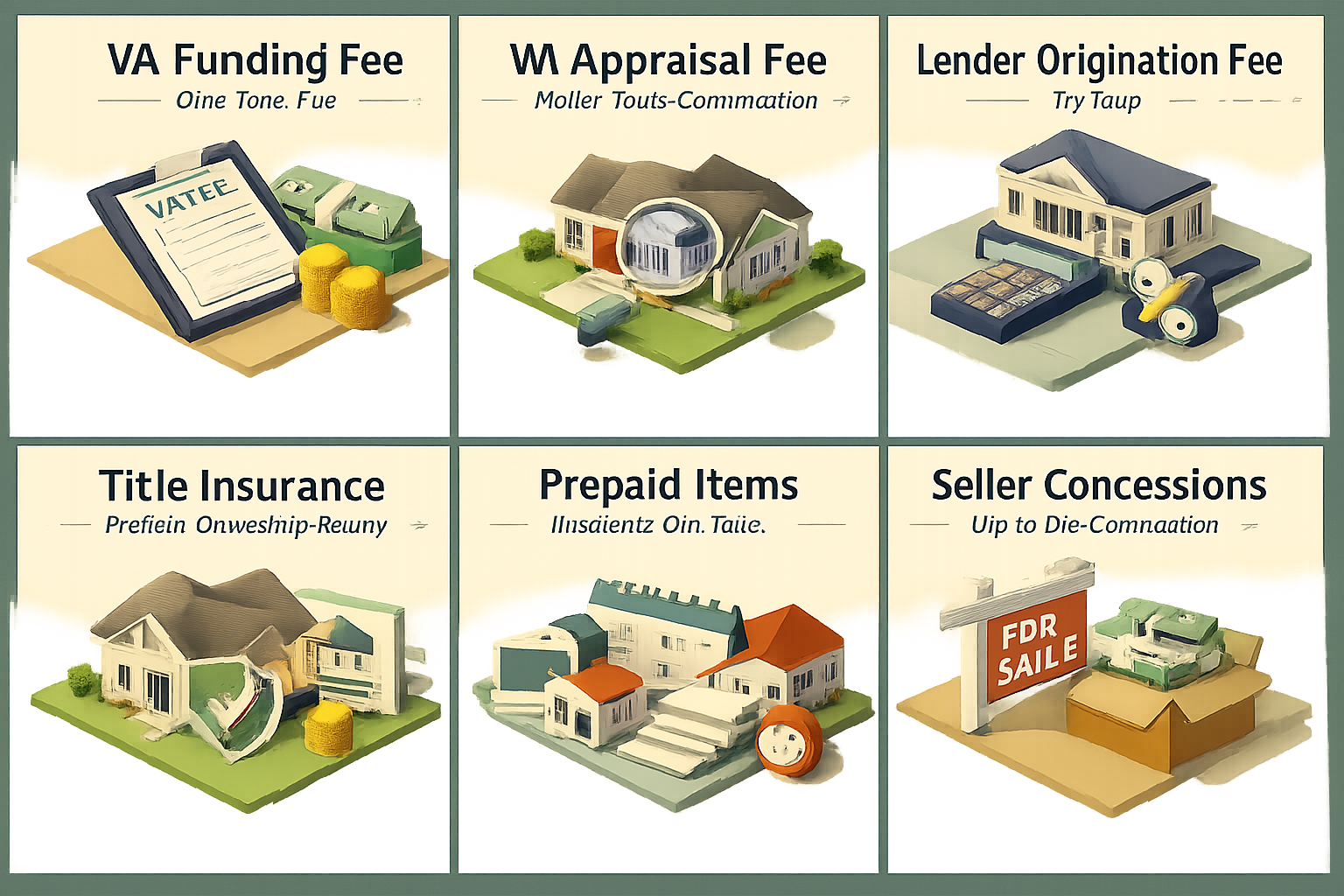
Closing costs on a VA loan for a multi-family owner occupied property typically fall into two broad categories: fees the VA allows and fees the VA does not permit the borrower to pay. Knowing the difference is essential. In general, total VA loan closing costs on a VA purchase loan may range from roughly 2% to 5% of the loan amount, though this can vary based on the lender, location, property type, and purchase price.
VA Funding Fee
The VA funding fee is one of the most significant costs associated with any VA loan. It's a one-time fee paid to the Department of Veterans Affairs to help sustain the program for future borrowers. The amount depends on several factors, including whether it's your first time using a VA loan, your down payment amount, and whether you're a regular military member or a reservist.
For a first-time VA loan user with no down payment, the funding fee is typically around 2.3% of the loan amount, though this percentage has changed over time and may vary. For subsequent use, the fee is generally higher — often around 3.6%. Importantly, veterans with a service-connected disability rating of 10% or more are typically exempt from the funding fee entirely, which can represent significant savings on a multi-family property with a higher purchase price. The funding fee can be rolled into the loan balance, meaning you don't necessarily need to pay it out of pocket at closing.
VA Appraisal Fee
Every VA purchase loan requires a VA-approved appraisal. This appraisal serves two purposes: it confirms the property's market value and ensures it meets the VA's Minimum Property Requirements (MPRs). For multi-family properties, the appraisal process may take longer and cost more than for a single-family home, since the appraiser must evaluate multiple units and assess rental income potential. VA appraisal fees vary by state and property type, so it's wise to ask your lender for a local estimate early in the process.
Origination and Lender Fees
VA guidelines limit what lenders can charge borrowers. Specifically, the VA caps the lender's origination fee at 1% of the loan amount. This fee covers the lender's administrative costs for processing and underwriting your loan. Lenders may charge this flat 1% fee or itemize certain allowable costs in its place — but they cannot do both. This protection can save VA borrowers hundreds or even thousands of dollars compared to conventional loans.
Title and Settlement Fees
Title insurance, title search fees, and settlement or closing agent fees are standard in any real estate transaction. On a VA loan, the borrower is permitted to pay these costs. Title insurance protects against defects in the property's ownership history. For multi-family properties, these fees may be slightly higher due to the added complexity of the title review. Shopping around for title services in states that allow it could help reduce these expenses.
Prepaid Items and Escrow Deposits
Prepaid costs are not unique to VA loans — they apply to virtually all mortgage transactions. These typically include prepaid homeowners insurance, prepaid property taxes, and prepaid mortgage interest for the days remaining in the closing month. On a multi-family property, your lender may also require an initial escrow deposit to fund your impound account for future tax and insurance payments. These amounts depend on your closing date, local tax rates, and insurance premiums.
Fees the VA Does Not Allow Borrowers to Pay
One of the strongest protections in the VA loan program is the list of fees that lenders are prohibited from charging VA borrowers. These so-called "non-allowable" fees help keep the loan program affordable for veterans. If a lender tries to charge you any of these fees, you have the right to push back — or find another lender.
- Attorney fees charged by the lender's attorney (not a settlement attorney representing both parties)
- Loan application or processing fees beyond what's covered by the 1% origination cap
- Rate lock fees
- Document preparation fees
- Underwriting fees (when a flat 1% origination fee is already charged)
- Escrow or settlement fees charged by the lender directly (though third-party settlement fees are allowed)
It's worth noting that while these fees cannot be charged to the borrower, the seller may agree to pay them as part of a negotiated purchase contract. VA rules allow sellers to contribute up to 4% of the loan amount in concessions, which can be used to cover the funding fee and other allowable closing costs.
VA Loan Closing Costs for a Duplex Owner Occupied: A Practical Example
To make these numbers more tangible, let's walk through a general scenario involving VA loan closing costs for a duplex owner occupied purchase. Suppose a first-time VA loan user is purchasing a duplex for $400,000 with no down payment. Here's how the estimated closing costs might break down:
- VA Funding Fee (approx. 2.3%): ~$9,200 (can be financed into the loan)
- VA Appraisal Fee: $600–$900 depending on location
- Lender Origination Fee (1%): $4,000
- Title Insurance and Search: $1,000–$2,000
- Settlement/Closing Agent Fee: $500–$800
- Prepaid Homeowners Insurance: $1,200–$1,800 (annual premium)
- Prepaid Mortgage Interest: Varies by closing date
- Escrow Deposit (taxes and insurance): $2,000–$4,000
In this scenario, the out-of-pocket closing costs — excluding the funded VA fee — could range from approximately $8,000 to $15,000 or more. That's a meaningful sum, but keep in mind the buyer avoided a down payment entirely, which on a $400,000 purchase would have been $80,000 on a conventional loan with 20% down. The net financial advantage of the VA loan program for multi-family buyers is often substantial.
These figures are illustrative and not guaranteed. Actual costs depend on your lender, location, credit profile, and the specific property. Always request a Loan Estimate within three business days of your application to see your personalized cost breakdown.
How to Reduce Out-of-Pocket Closing Costs on a VA Multi-Unit Purchase
There are several legitimate strategies that may help you reduce how much cash you bring to the closing table when using a VA loan on a multi-family property.
Negotiate Seller Concessions
As mentioned earlier, VA guidelines allow sellers to contribute up to 4% of the loan amount toward the borrower's closing costs and other expenses. In a buyer-friendly market, sellers may be willing to cover a significant portion of your fees. Even in competitive markets, it's worth asking — especially if the seller is motivated to close quickly.
Finance the VA Funding Fee
Rolling the VA funding fee into your loan balance is a common approach that eliminates this large upfront cost. While it does slightly increase your monthly payment and total interest paid over the life of the loan, it preserves your cash for reserves, repairs, or improvements on your new multi-unit property.
Shop Lenders and Third-Party Services
Not all lenders charge the same fees within the 1% origination cap, and third-party service providers like title companies may vary in cost. In many states, borrowers are allowed to shop for their own title insurance provider. Comparing quotes from multiple lenders and service providers could result in meaningful savings.
Request Lender Credits
Some lenders offer lender credits in exchange for a slightly higher interest rate. This means the lender covers some of your closing costs upfront, and you repay the credit indirectly through a higher rate over time. This strategy works well if you plan to sell or refinance within a few years before the rate difference accumulates significantly.
Check for Disability Exemption
If you have a qualifying service-connected disability rating, confirm your VA funding fee exemption before closing. This exemption should be reflected in your Loan Estimate, but errors can occur. Catching this early ensures you're not charged a fee you're entitled to waive.
VA Property Requirements for Multi-Family Homes
Beyond the closing cost conversation, it's important to understand that the VA has specific property standards that apply to multi-family homes. The property must meet the VA's Minimum Property Requirements, which assess health, safety, and structural soundness. For multi-unit properties, each unit — not just the one you'll occupy — must meet these standards.
Common issues that might arise during a VA appraisal of a multi-family property include inadequate heating systems in individual units, electrical or plumbing deficiencies, roof condition concerns, or safety hazards like exposed wiring. Any required repairs identified during the VA appraisal may need to be completed before the loan can close, which could affect your timeline and budget.
Additionally, lenders may have their own overlays — internal requirements beyond VA minimums — related to multi-family properties. Some lenders require documented rental income history or a minimum number of months of reserves to cover the full mortgage payment. It's worth discussing these requirements with your lender early in the process so you can plan accordingly.
●Conclusion
Understanding what are closing costs for VA loan on multi-family owner occupied properties empowers you to plan confidently and avoid last-minute financial surprises. From the VA funding fee and appraisal to lender origination charges and prepaid escrow deposits, each cost has a purpose — and many can be reduced or negotiated. Veterans purchasing a duplex, triplex, or fourplex with a VA loan enjoy remarkable advantages: no required down payment, competitive interest rates, and meaningful lender fee protections that simply don't exist in conventional lending. By knowing your numbers upfront, working with a VA-experienced lender, and using smart negotiation strategies, you can keep your out-of-pocket costs manageable while stepping into a property that builds both a home and an income stream. Ready to explore your options? Connect with a LoanWise mortgage specialist who understands VA multi-family financing and can guide you from pre-approval to closing day.