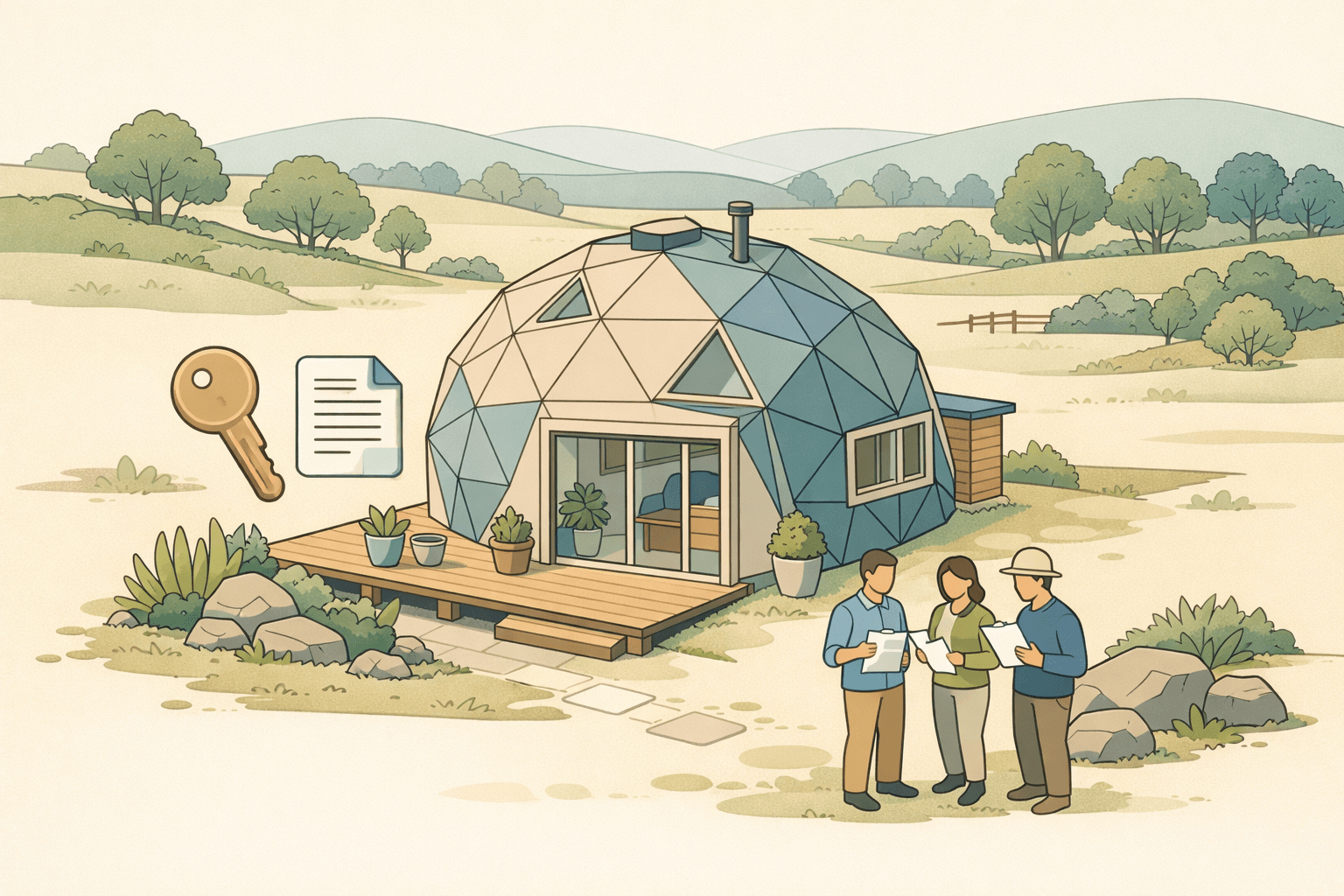
Geodesic dome homes are one of the most distinctive and energy-efficient housing options available today. Their curved walls, triangular panels, and open interior layouts make them stand out from traditional single-family homes — and that uniqueness can create real challenges when it comes to financing. If you're a veteran or active-duty service member hoping to purchase a geodesic dome property using your hard-earned VA benefit, it's important to understand how the VA loan process works for non-traditional home types. Qualifying for a VA loan on a geodesic dome home with land is possible, but it requires careful preparation, the right lender, and a clear understanding of what the Department of Veterans Affairs expects from both the borrower and the property.
What Makes Geodesic Dome Homes Challenging to Finance
Geodesic dome homes are considered non-traditional or unique properties in the eyes of most mortgage lenders and government-backed loan programs. While they're admired for their structural strength, energy efficiency, and aesthetic appeal, they present several hurdles during the loan process that a standard ranch-style or colonial home simply wouldn't face.
The core challenge lies in comparability. When a VA-approved appraiser evaluates a home, they rely on recent sales of similar properties — commonly called comparable sales or "comps" — to determine market value. In most neighborhoods, finding recently sold geodesic dome homes nearby is difficult, sometimes impossible. This makes it harder for appraisers to establish a reliable and defensible value, which can delay or complicate the approval process.
Beyond appraisal, lenders themselves may be unfamiliar with dome construction methods, making them hesitant to approve the loan even if the borrower is fully qualified. Dome homes are sometimes grouped with other specialty structures like earthships, yurts, or A-frame cabins, which many lenders treat with extra caution. Understanding these obstacles upfront gives veteran homebuyers a much better chance of navigating the process successfully.
VA Loan Eligibility Basics Every Veteran Should Know
Before focusing on the property itself, it helps to confirm that you meet the VA's borrower eligibility requirements. The VA loan program is one of the most powerful home financing tools available to those who've served, offering benefits like no down payment, no private mortgage insurance, and competitive interest rates. However, to access these benefits, you'll need to meet specific service and financial criteria.
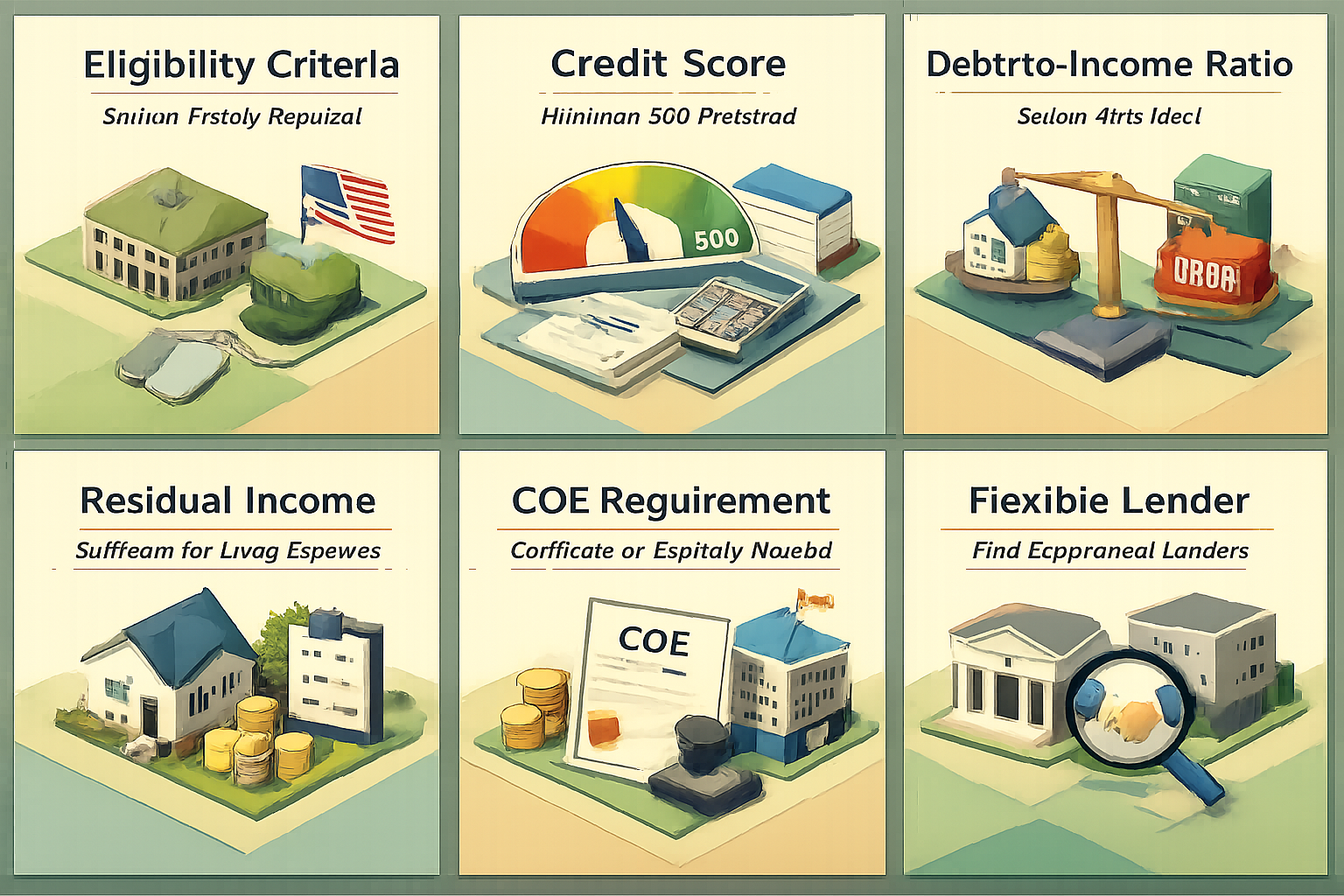
- Certificate of Eligibility (COE): You'll need to obtain a COE from the VA, which confirms your service history and entitlement. This can often be requested online through the VA's eBenefits portal or through your lender.
- Minimum Service Requirements: Generally, veterans need at least 90 consecutive days of active duty during wartime or 181 days during peacetime. National Guard and Reserve members typically need six years of service, though this may vary.
- Credit Score: The VA doesn't set a minimum credit score, but most VA-approved lenders require a score of at least 580 to 620. Higher scores typically improve your chances, especially with a complex property like a dome home.
- Debt-to-Income Ratio (DTI): A DTI below 41% is generally preferred, though lenders may allow exceptions with strong compensating factors.
- Residual Income: The VA uniquely requires borrowers to have sufficient residual income — money left over after all monthly obligations — to cover living expenses. This requirement varies by family size and region.
Meeting these borrower requirements is the foundation. Once confirmed, the focus shifts to whether the property itself can pass VA scrutiny.
How the VA Appraisal Process Works for a Dome Property with Land
The VA appraisal is one of the most important — and most unpredictable — steps when trying to qualify for a VA loan on a geodesic dome home with land. Unlike a conventional appraisal, the VA appraisal serves a dual purpose: it establishes market value and assesses whether the property meets the VA's Minimum Property Requirements (MPRs).
VA Minimum Property Requirements are designed to ensure the home is safe, sound, and sanitary. For a geodesic dome, this means the appraiser will carefully evaluate the following:
- Structural integrity: The dome's frame, panels, and foundation must be in good condition with no signs of rot, water damage, or structural compromise.
- Roofing and weatherproofing: The exterior skin of the dome must protect against the elements and show no signs of leaking or deterioration.
- Mechanical systems: Heating, plumbing, and electrical systems must function properly and meet local building codes.
- Access and egress: The home must have safe access in and out, including adequate egress windows or exits in living areas.
- Land considerations: When land is included in the purchase, the appraiser will evaluate whether it's usable, whether there are any encroachments or easements, and whether the overall site is appropriate for residential use.
The biggest challenge for the appraiser is finding comparable sales. They may need to expand their search radius significantly or use paired sales analysis to adjust for the dome's unique features. In some cases, the VA may allow an appraiser to use non-dome comparable sales with appropriate adjustments, but this is handled on a case-by-case basis. If the appraiser cannot establish a credible value, the loan could be denied regardless of the borrower's qualifications.
Finding a VA Lender Experienced with Unique Property Types
Not all VA-approved lenders are equally comfortable with non-traditional home types. Some lenders have internal overlays — additional requirements beyond VA guidelines — that effectively rule out geodesic domes, log homes, or earth-sheltered structures. Finding the right lender may be the most important step in this entire process.
Here's what to look for when searching for a lender to help with a VA loan geodesic dome property purchase:
- Experience with unique or specialty properties: Ask specifically whether the lender has closed VA loans on dome homes, log homes, or other non-traditional structures. Lenders with this experience will know what documentation to gather and how to present the file.
- Flexible overlay policies: Some lenders layer extra restrictions on top of VA guidelines. Look for lenders with fewer overlays who are willing to evaluate the property on its own merits.
- Strong appraiser network: An experienced lender may have relationships with VA appraisers who have handled unique properties before, which can make the valuation process smoother.
- Patience and communication: Financing a dome home takes longer than a standard purchase. Choose a lender who communicates clearly and sets realistic expectations.
It's also worth noting that portfolio lenders — institutions that hold loans on their own books rather than selling them to the secondary market — may have more flexibility when it comes to approving unusual property types. While these lenders may not always offer VA loans specifically, they could serve as a backup option if the VA route proves difficult.
The Role of Land in the VA Loan Approval Process
When a geodesic dome home comes with land — whether it's a few acres in a rural setting or a larger parcel in a semi-rural community — that land becomes part of the overall property being financed. The VA does allow land to be included in a home purchase loan, but there are some important considerations that could affect approval.
First, the VA requires that the land be typical for the area. A small parcel consistent with neighboring properties is generally easier to finance than a large agricultural tract. If the land is excessive in size relative to the home's market area, the appraiser may struggle to find comparable sales, adding another layer of complexity.
Second, lenders will want to confirm that the land doesn't include income-producing features — like a working farm or commercial operation — that would complicate the residential nature of the loan. VA home loans are intended for primary residences, so properties with significant commercial land use may not qualify.
Third, the land must be accessible by a road that meets VA standards. Private roads should ideally have a recorded maintenance agreement, and the property should not require crossing another owner's land without a recorded easement. These access and title requirements are standard for VA loans but take on added importance with rural dome properties.
Getting a title search done early in the process can help identify any easement, encroachment, or access issues before they become deal-breakers at closing.
Steps to Strengthen Your Application Before You Apply
Because geodesic dome homes require extra scrutiny, it pays to prepare your application more thoroughly than you might for a conventional home purchase. The stronger your file, the better your chances of getting approved — even when the property itself is unconventional.
Improve Your Credit Profile
While the VA doesn't set a minimum credit score, lenders handling complex properties often prefer scores above 640 or even 680. Before applying, review your credit reports for errors, pay down revolving debt, and avoid opening new credit accounts. Even a modest improvement in your score could make a meaningful difference in a lender's willingness to approve a non-traditional property.
Build Financial Reserves
Having two to six months of mortgage payments in savings — sometimes called cash reserves — can reassure lenders that you'll be able to handle unexpected costs associated with maintaining a unique home. Dome homes may require specialized repair contractors, and lenders know this.
Gather Property Documentation
If the dome home is already built, collect any available records including building permits, architectural drawings, certificates of occupancy, and past inspection reports. These documents help both the lender and appraiser understand the home's construction quality and legal standing. If the property has known issues, addressing them before the VA appraisal is strongly advised.
Get Pre-Approved Before Making an Offer
Because dome home transactions can fall apart at the appraisal stage, it's wise to have a candid conversation with your lender before submitting an offer. Some lenders may be willing to do a preliminary property review to flag potential issues early, saving you time and earnest money if the property is unlikely to meet VA requirements.
●Conclusion
Qualifying for a VA loan on a geodesic dome home with land is genuinely achievable for veterans who go in prepared. The process involves more moving parts than a standard home purchase, from finding a lender with specialty property experience to navigating a VA appraisal with limited comparable sales. But for veterans who've found their dream dome — set on a peaceful piece of land — the effort is often worth it.
The key is to approach the process strategically: confirm your VA eligibility early, work with a lender who has handled unique properties before, and make sure the home and land can meet the VA's Minimum Property Requirements. When all the pieces align, the VA loan's powerful benefits — including no down payment and no mortgage insurance — make it one of the most attractive financing tools available for any type of home, even an unconventional one.
If you're ready to explore your options, LoanWise can connect you with experienced VA lenders who understand the nuances of specialty property financing. Reach out today to start your journey toward homeownership — on your terms.