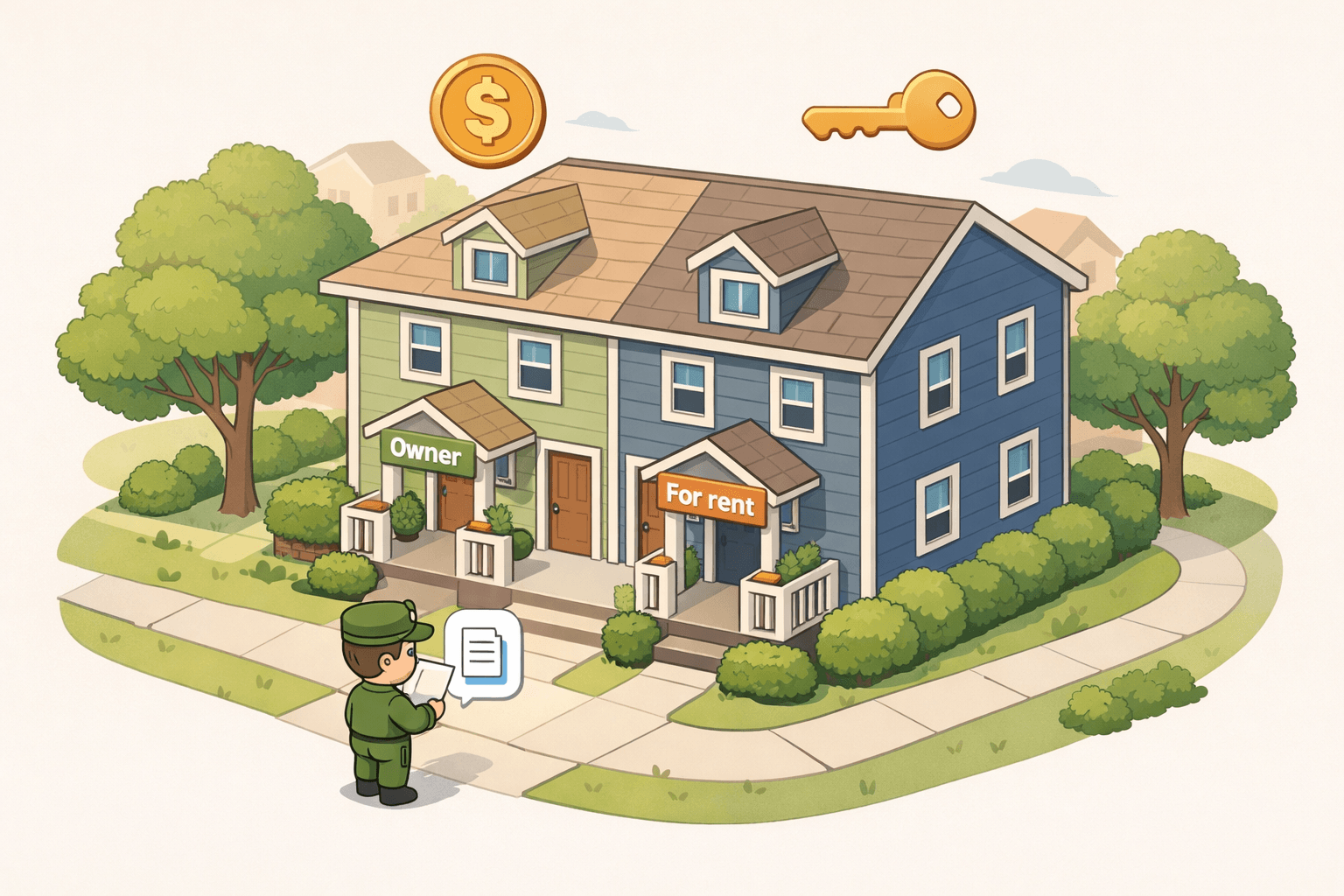
Buying a duplex with a VA loan is one of the smartest moves a veteran or active-duty service member can make. You get to live in one unit, rent out the other, and use a government-backed loan program that doesn't require a down payment. But before you close on that property, it's important to understand exactly what you'll owe at the settlement table. Many borrowers are surprised to learn that VA loans come with their own unique set of allowable and non-allowable fees — and multi-family properties like duplexes can add a layer of complexity. So, what are closing costs for VA loan on a duplex with owner occupied unit? Let's break it all down so you can plan ahead with confidence.
How VA Loans Work for Owner-Occupied Multi-Family Properties
Before diving into costs, it helps to understand the ground rules. The VA loan program allows eligible veterans, active-duty service members, and qualifying surviving spouses to purchase properties with up to four units — as long as the borrower intends to live in one of them as their primary residence. A duplex, which has exactly two units, fits squarely within these guidelines.
When you purchase an owner occupied VA multi-family property, the VA treats it similarly to a single-family home purchase in terms of loan structure. You still benefit from no down payment (in most cases), no private mortgage insurance, and competitive interest rates. However, the property must pass a VA appraisal, which evaluates not just market value but also whether the home meets the VA's Minimum Property Requirements (MPRs). For a duplex, both units typically need to meet these standards.
It's also worth noting that lenders may apply slightly different underwriting criteria for multi-unit properties. Some lenders, for example, may consider a portion of projected rental income from the second unit when calculating your qualifying income — though this varies by lender and situation. Understanding these fundamentals sets the stage for a clearer picture of the costs involved.
What Are Closing Costs for VA Loan on a Duplex With Owner Occupied Unit
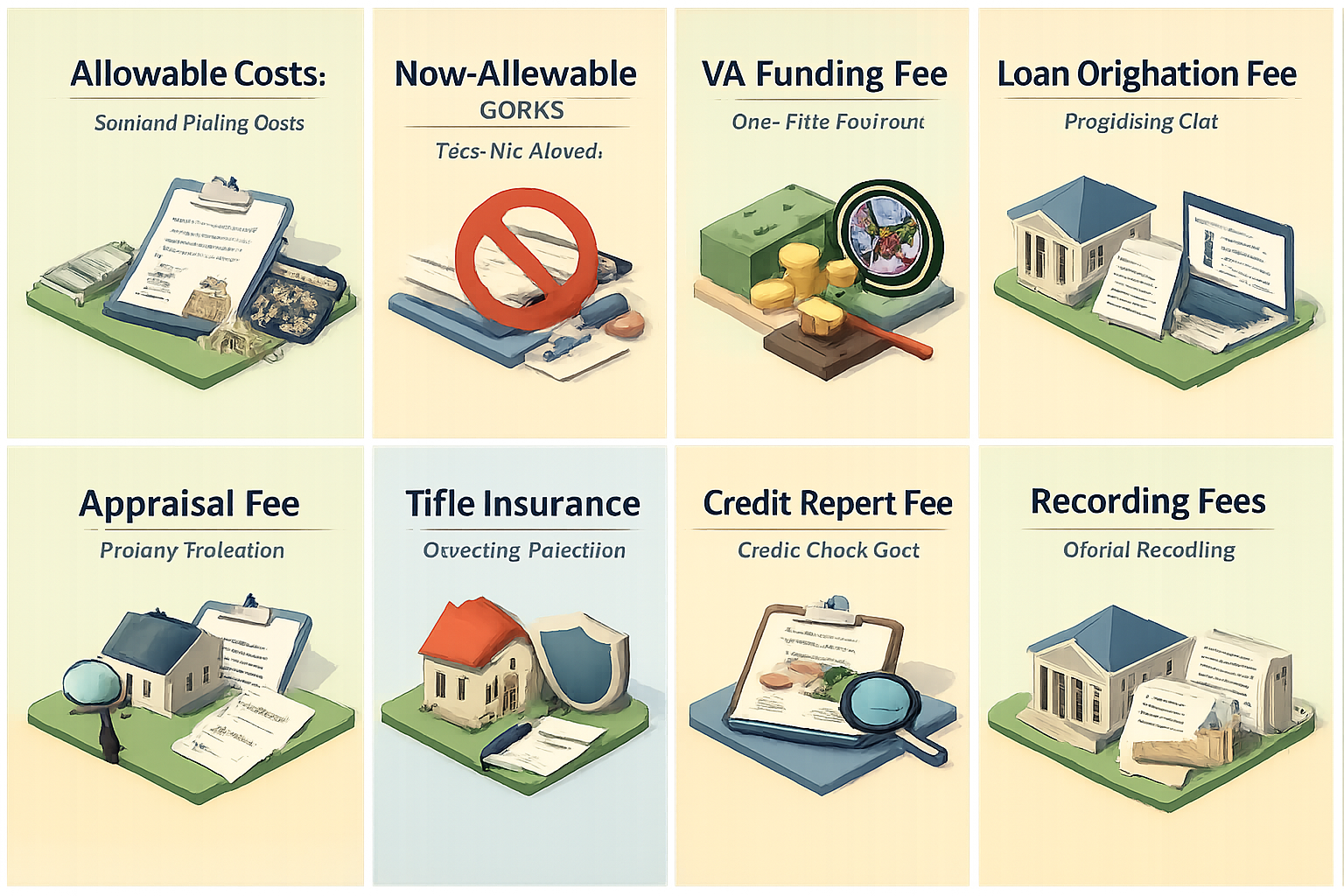
When buyers ask what are closing costs for VA loan on a duplex with owner occupied unit, the answer involves two main categories: costs the VA allows veterans to pay, and costs the VA prohibits lenders from charging borrowers. This distinction is one of the most borrower-friendly features of the program.
Allowable Closing Costs
The VA permits veterans to pay several standard closing costs. These typically include:
- VA Funding Fee: This is the most significant VA-specific cost. It's a one-time fee paid to the Department of Veterans Affairs to help sustain the loan program. The amount depends on your down payment, whether it's your first VA loan use, and your military category. First-time users with no down payment typically pay a higher percentage than those making a down payment or using the benefit again. Certain veterans with service-connected disabilities may be exempt from this fee entirely.
- Loan Origination Fee: Lenders may charge an origination fee, though the VA caps what lenders can charge. This fee generally covers the lender's cost of processing your loan.
- Appraisal Fee: A VA-approved appraiser must evaluate the duplex. Because multi-unit properties involve more square footage and complexity, appraisal fees for duplexes may be slightly higher than for single-family homes.
- Title Search and Title Insurance: These protect both you and your lender from potential ownership disputes or liens on the property.
- Credit Report Fee: Lenders typically pass along the cost of pulling your credit report.
- Recording Fees: Your local government charges these to officially record the property transfer and mortgage documents.
- Prepaid Items: These include prepaid homeowners insurance, property taxes placed into escrow, and prepaid mortgage interest covering the days between closing and your first payment due date.
- Survey Fee: Some lenders or local requirements may call for a property survey, particularly for multi-unit properties.
Non-Allowable Closing Costs
The VA also maintains a list of fees that lenders are not permitted to charge VA borrowers. These non-allowable fees might include certain attorney fees, real estate broker commissions charged to the buyer, and various administrative or processing fees that go beyond what the VA considers reasonable. If a lender attempts to charge these, it's a red flag worth questioning.
The VA Funding Fee Explained for Duplex Purchases
The VA funding fee is a critical part of understanding VA loan fees for any purchase, including a duplex. Unlike most closing costs, this fee goes directly to the federal government rather than to a lender or third party. Its purpose is to keep the VA loan program self-sustaining so future veterans can benefit from it as well.
The funding fee is calculated as a percentage of the total loan amount. For a duplex purchase, the loan amount is often larger than it would be for a single-family home, which means the funding fee in dollar terms can be more substantial — even if the percentage rate is the same. This is something buyers should factor carefully into their budget.
The good news is that the VA funding fee doesn't have to be paid out of pocket at closing. Many borrowers choose to roll it into the loan balance, which spreads the cost over the life of the loan. While this increases your monthly payment slightly and the total interest paid, it also reduces what you need to bring to the closing table on day one.
Veterans who receive VA disability compensation at any rating level are typically exempt from paying the funding fee. If you believe you may qualify for this exemption, it's worth verifying your status with your lender and the VA before closing, as it can result in meaningful savings.
Appraisal and Inspection Costs Specific to Duplexes
One area where duplex buyers may see higher costs compared to single-family home buyers is the appraisal. A VA appraisal on a duplex must assess two living units, evaluate comparable rental properties in the area, and confirm that both units meet the VA's Minimum Property Requirements. This added complexity often translates to a higher appraisal fee.
Beyond the VA appraisal, it's highly advisable — though not always required — to hire an independent home inspector for a duplex. A thorough inspection of both units, shared systems like roofing, plumbing, HVAC, and electrical can help you identify potential repair costs before you finalize the purchase. Inspection fees vary by location and property size, but investing in this step can protect you from expensive surprises after closing.
For VA purposes, if the appraiser identifies issues that don't meet MPR standards, the seller may be required to make repairs before the loan can close. In some cases, buyers and sellers negotiate who covers these repair costs. Understanding this dynamic ahead of time helps you set realistic expectations during your offer and negotiation phase.
Seller Concessions and How They Can Reduce Your Out-of-Pocket Costs
One of the advantages of VA loans is the ability to negotiate seller concessions. The VA allows sellers to contribute up to four percent of the loan amount in concessions — a limit that actually goes beyond what many conventional loan programs allow. These concessions can cover a wide range of items, including the VA funding fee, prepaid taxes and insurance, and even paying down discount points to lower your interest rate.
When purchasing a duplex, seller concessions can be a powerful tool. Because duplexes often carry higher purchase prices than comparable single-family homes, even a modest concession percentage can translate into a significant dollar amount that offsets your VA duplex closing costs meaningfully.
It's worth working with an experienced real estate agent who understands VA transactions when negotiating these terms. Not all sellers are familiar with VA loan rules, and some may initially resist concessions due to misconceptions about VA buyers. A knowledgeable agent can help educate sellers and frame your offer competitively while still protecting your financial interests.
Estimating Your Total Closing Costs as a VA Duplex Buyer
While every transaction is different, VA duplex closing costs may typically range from two to five percent of the loan amount — though this estimate can shift depending on your location, lender, loan size, and whether you choose to roll the funding fee into the loan. It's important to treat any estimate as a starting point rather than a fixed number.
Your lender is required by federal law to provide you with a Loan Estimate within three business days of receiving your complete loan application. This document outlines all anticipated closing costs in a standardized format, making it easier to compare offers from different lenders. Reviewing this document carefully — and asking your lender to explain any fees you don't recognize — is one of the best ways to avoid surprises at closing.
A few days before your closing date, you'll receive a Closing Disclosure, which provides the final, confirmed figures. Comparing this document to your Loan Estimate can help you spot any unexpected changes and address them before you sign.
Smart Ways to Reduce What You Pay
- Negotiate seller concessions to cover prepaid items and fees
- Roll the VA funding fee into the loan if cash reserves are limited
- Shop multiple lenders to compare origination fees and rate options
- Verify disability exemption status to potentially eliminate the funding fee
- Ask lenders about lender credits in exchange for a slightly higher interest rate
●Conclusion
Understanding what are closing costs for VA loan on a duplex with owner occupied unit is essential before you make one of the most significant financial decisions of your life. From the VA funding fee and appraisal charges to title insurance and prepaid escrow items, these costs add up — but they're manageable with the right preparation. The VA loan program remains one of the most generous financing tools available to eligible service members, and using it to purchase a duplex can set you on a path toward building real estate wealth while keeping your own housing costs low. If you're ready to explore your options, connecting with a VA-experienced lender who understands multi-family transactions is the smartest first step you can take. LoanWise is here to help you navigate every part of that journey.