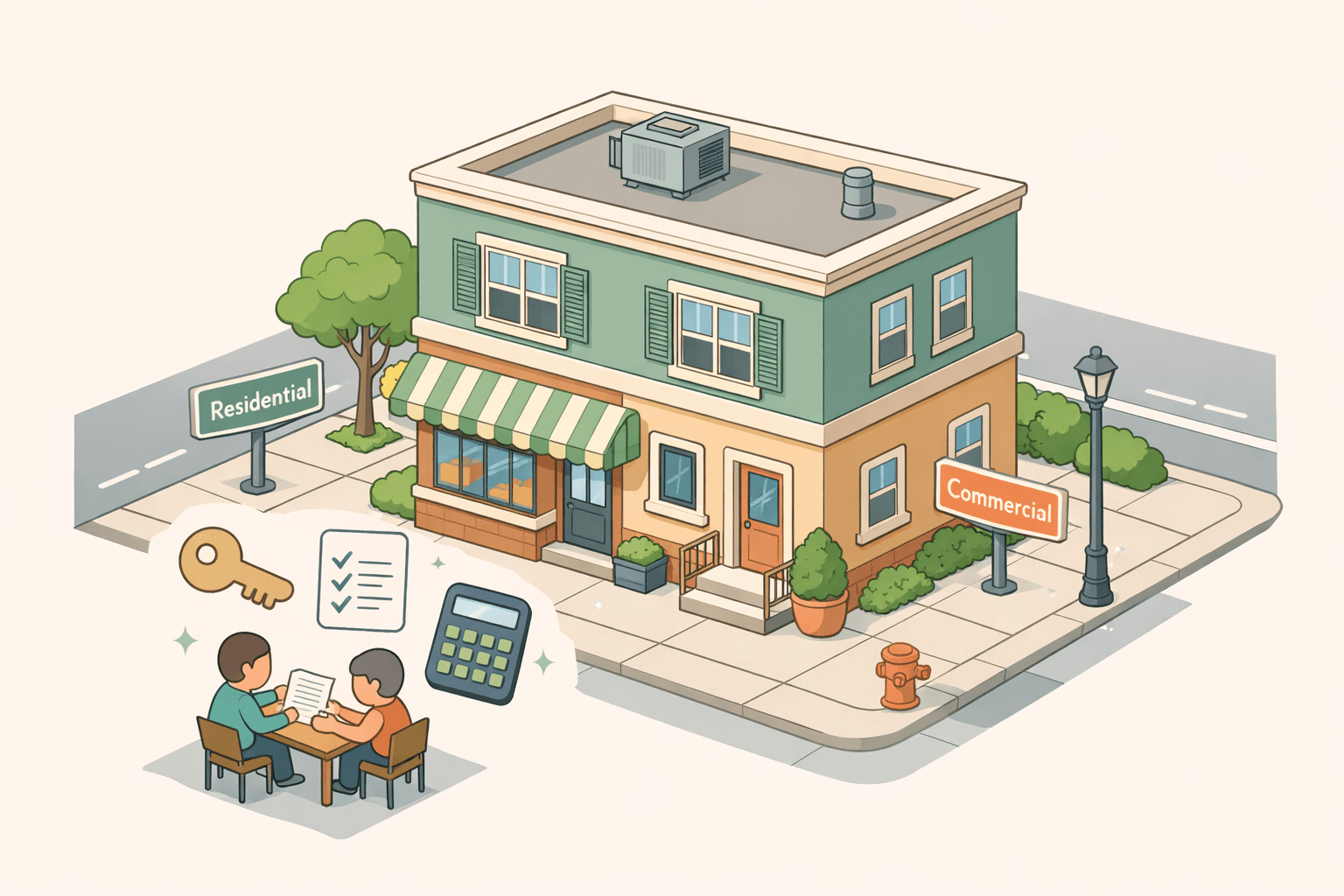
Purchasing a duplex is one of the smartest ways to build wealth through real estate — and doing it with an FHA loan can make the process more accessible for many buyers. But when that duplex sits on a property with mixed-use zoning, the financing picture becomes a bit more layered. If you've been asking yourself what are closing costs for FHA loan on duplex with mixed-use zoning, you're not alone. This type of purchase blends residential and commercial elements, and that combination affects everything from loan eligibility to the fees you'll pay at the closing table. In this guide, we'll walk through exactly what to expect so you can plan with confidence.
Understanding FHA Loans and Duplex Eligibility
FHA loans are backed by the Federal Housing Administration and are designed to help borrowers — particularly first-time homebuyers — access financing with lower down payment requirements and more flexible credit guidelines. One of the lesser-known benefits of FHA financing is that it may be used to purchase small multi-unit properties, including duplexes, triplexes, and fourplexes, as long as the borrower intends to occupy one of the units as their primary residence.
For a duplex specifically, FHA guidelines typically allow financing on two-unit properties under its standard loan program. The borrower must move into one unit, while the other may be rented out. This owner-occupant requirement is a core condition of FHA eligibility and it distinguishes FHA loans from investment-only financing products.
However, when a duplex carries mixed-use zoning — meaning the property is designated for both residential and commercial use — FHA eligibility becomes more nuanced. The FHA may still allow financing on such a property, but lenders will scrutinize the zoning classification closely. In general, the residential portion of the property must represent the primary use, and the commercial component must be considered incidental to that residential function.
- Owner-occupancy is required — you must live in one unit of the duplex
- Zoning compatibility matters — lenders and FHA appraisers will evaluate how the property is classified
- Commercial use must be secondary — the residential character of the property should dominate
Working with an experienced FHA lender who understands multi-unit and mixed-use properties is essential before you commit to a purchase agreement.
How Mixed-Use Zoning Affects the Mortgage Process
Mixed-use zoning introduces a layer of complexity that standard residential purchases don't face. When a property is zoned for both residential and commercial purposes, the lender — and the FHA appraiser — must verify that the property meets program guidelines before approving the loan.
One of the primary concerns is whether the property will be appraised as a residential asset or a commercial one. FHA appraisals use residential valuation standards, and if the commercial component of the duplex is too prominent, the appraiser may flag the property as ineligible for FHA financing. This could require the borrower to explore alternative loan products such as conventional financing or a commercial mortgage.
Lenders may also request additional documentation for mixed-use properties, including local zoning certificates, a breakdown of the square footage dedicated to each use, and information about any existing commercial tenants or leases. These requirements can extend the underwriting timeline and, in some cases, add to your overall closing costs.
It's also worth noting that some municipalities define mixed-use zoning differently. In certain areas, a duplex above a retail space is clearly mixed-use. In others, a duplex on a commercially zoned street may technically carry a mixed-use designation even if no commercial activity occurs on the property. Understanding your local zoning laws — and how your lender interprets them — is a critical early step in the process.
What Are Closing Costs for FHA Loan on Duplex with Mixed-Use Zoning
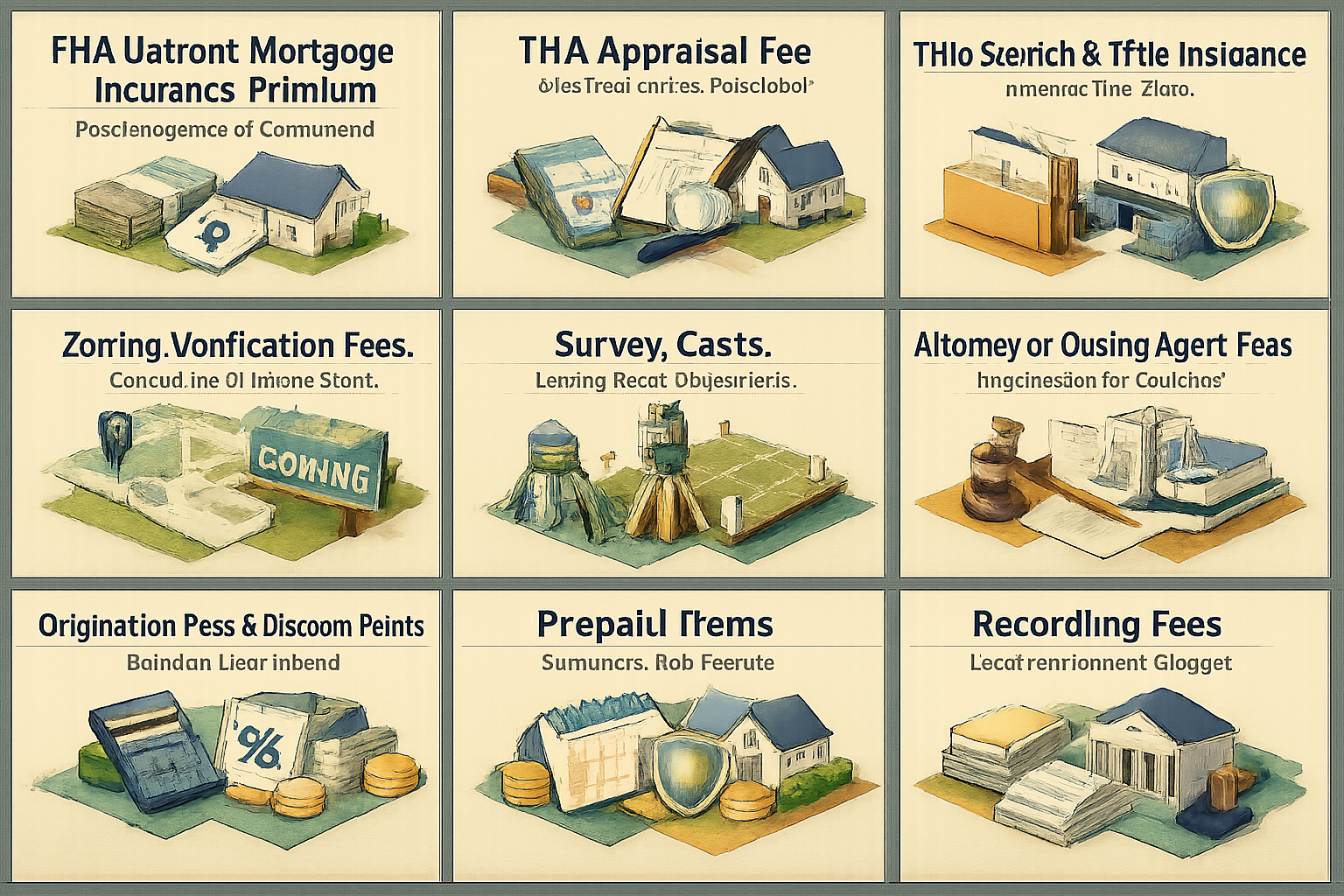
So, what are closing costs for FHA loan on duplex with mixed-use zoning? The short answer is that they'll likely be higher than a standard single-family FHA purchase — and potentially higher than a straightforward duplex transaction as well. That's because mixed-use zoning adds layers of due diligence that translate into additional fees.
Typical FHA closing costs on any purchase generally range from roughly 2% to 5% of the loan amount, though this range can shift based on the property type, location, lender, and transaction complexity. For a mixed-use duplex, you may find yourself toward the higher end of that range or slightly beyond it.
Common Closing Cost Line Items to Anticipate
- FHA Upfront Mortgage Insurance Premium (UFMIP): One of the defining features of FHA loans is the upfront MIP, which is typically financed into the loan. This is a fixed percentage of the base loan amount and applies regardless of property type.
- FHA Appraisal Fee: FHA requires a specialized appraisal that meets its own standards. For a duplex with mixed-use zoning, the appraiser may need additional time to assess the property, which could increase the appraisal fee compared to a single-family home.
- Title Search and Title Insurance: Title work on multi-unit or mixed-use properties may be more involved, particularly if commercial interests or prior liens are attached to the property. Both lender's title insurance and owner's title insurance are typically recommended.
- Zoning Verification and Compliance Fees: Some lenders or municipalities charge fees to certify zoning status and confirm that the property's use complies with local ordinances. These fees may be unique to mixed-use transactions.
- Survey Costs: A property survey may be required or recommended for mixed-use duplexes, especially if the boundaries between residential and commercial spaces need to be clearly defined.
- Attorney or Closing Agent Fees: Depending on the state, an attorney may be required at closing. For more complex transactions like mixed-use properties, legal review may take longer and cost more.
- Origination Fees and Discount Points: Lenders may charge origination fees based on the loan amount. Borrowers may also choose to pay discount points to lower their interest rate.
- Prepaid Items: These include prepaid interest, homeowner's insurance premiums, and the initial escrow deposits for property taxes and insurance. On a duplex, insurance premiums may be higher due to the multi-unit structure.
- Recording Fees: Local government fees for recording the deed and mortgage documents. These are standard but vary by county and municipality.
Because of the additional complexity involved in mixed-use duplex transactions, it's wise to request a detailed Loan Estimate from your lender early in the process. This document will itemize all anticipated closing costs so you can compare options and plan your finances accordingly.
The Role of the FHA Appraisal in a Mixed-Use Purchase
The FHA appraisal is one of the most important steps in any FHA-backed transaction, and it carries even more weight when the property has mixed-use zoning. The appraiser must not only determine the market value of the property but also confirm that it meets FHA's minimum property standards and that it qualifies as primarily residential in nature.
For a duplex with mixed-use zoning, the appraiser will typically evaluate the percentage of the property dedicated to residential use versus commercial use. FHA guidelines generally require that the residential portion represent the majority of the property's value and livable space. If a significant portion of the building is configured for retail or office use, the appraiser may determine that the property doesn't meet FHA's residential property criteria.
Additionally, FHA appraisers assess health and safety conditions throughout the entire structure. This includes both residential units and any common areas. If commercial activity has led to modifications — such as altered entryways, shared utilities, or structural changes — those factors may trigger repair requirements before the loan can close.
It's important to understand that a failed or challenged FHA appraisal can delay closing and add costs. If repairs are required, the seller typically must address them before the transaction can proceed. In some cases, buyers may have the option to escrow repair costs, but this depends on lender policy and HUD guidelines at the time of your transaction.
Strategies to Manage and Potentially Reduce Your Closing Costs
While closing costs on a mixed-use duplex FHA loan may run higher than a standard purchase, there are several strategies that could help you manage those expenses more effectively.
Negotiate Seller Concessions
FHA guidelines allow sellers to contribute toward the buyer's closing costs, up to a certain percentage of the purchase price. Negotiating seller concessions as part of your purchase offer can meaningfully reduce the amount of cash you need to bring to the closing table. However, the seller's contribution cannot exceed the actual closing costs, so there's a practical limit to how much this can help.
Shop Multiple Lenders
Not all lenders price their fees the same way. Origination fees, processing fees, and underwriting charges can vary significantly from one lender to another. Getting Loan Estimates from at least two or three lenders allows you to compare total costs — not just interest rates — and identify the most competitive offer for your specific transaction.
Ask About Lender Credits
Some lenders offer lender credits, where they cover some closing costs in exchange for a slightly higher interest rate. Depending on your financial situation and how long you plan to hold the property, this trade-off may make sense. It's worth running the numbers with your loan officer.
Review the Loan Estimate Carefully
Once you receive your Loan Estimate, review every line item. Ask your lender to explain any fee you don't recognize. Occasionally, errors or duplicate charges appear on closing disclosures, and catching them early can save you money.
Time Your Closing Near the End of the Month
Prepaid interest — one component of closing costs — is calculated from your closing date through the end of the month. Closing later in the month means fewer days of prepaid interest, which can modestly reduce your cash-to-close figure.
Financing the FHA Upfront Mortgage Insurance Premium
One of the most significant FHA-specific closing costs is the Upfront Mortgage Insurance Premium (UFMIP). This fee is charged on virtually all FHA loans and is typically financed directly into the loan balance rather than paid out of pocket at closing. This means it doesn't usually affect your cash-to-close requirement, but it does increase your total loan amount and, therefore, your monthly payment.
The UFMIP rate is set by FHA and may change over time. Borrowers should confirm the current rate with their lender, as HUD periodically adjusts mortgage insurance premiums. In addition to the upfront premium, FHA loans also carry an annual mortgage insurance premium (annual MIP), which is paid monthly as part of your mortgage payment. The annual MIP rate for a duplex may differ from that of a single-family home, so it's important to ask your lender for the specific rate applicable to your loan scenario.
For borrowers purchasing a mixed-use duplex as an investment-adjacent strategy — living in one unit while renting the other — the rental income from the second unit may help offset the cost of MIP over time. Lenders may allow a portion of projected rental income to count toward your qualifying income, though documentation requirements apply.
Is an FHA Loan the Right Fit for Your Mixed-Use Duplex Purchase
FHA financing can be an excellent pathway for buyers who want to enter the real estate market through a duplex purchase — but not every mixed-use duplex will qualify. Before moving forward, it's worth asking a few key questions to determine whether an FHA loan is truly the best fit for your situation.
- Does the property meet FHA's residential use requirements? If the commercial component is too substantial, a conventional loan or commercial mortgage may be a better option.
- Are you prepared to live in one unit? Owner-occupancy is non-negotiable for FHA financing. If your intent is purely investment, FHA won't be the right program.
- Can the property pass FHA's minimum property standards? Mixed-use properties with aging infrastructure or code issues may face appraisal challenges that delay or derail closing.
- Have you compared total costs across loan products? Sometimes a conventional loan with a slightly higher down payment may yield lower overall costs when MIP, appraisal complexity, and rate are all factored in.
The mixed-use property mortgage landscape offers more options than many buyers realize. Beyond FHA, some conventional lenders have programs designed for owner-occupied multi-unit properties, and certain portfolio lenders specialize in mixed-use transactions. Exploring all available options — with guidance from a knowledgeable mortgage professional — puts you in the strongest position to make the right choice.
FHA duplex closing costs can feel overwhelming at first glance, but with the right preparation and the right lending partner, the process becomes much more manageable. Understanding the full cost picture before you sign a purchase contract is the most important step you can take.
●Conclusion
Navigating the question of what are closing costs for FHA loan on duplex with mixed-use zoning requires a clear understanding of FHA guidelines, property appraisal standards, and the additional due diligence that comes with mixed-use real estate. From the upfront mortgage insurance premium to zoning verification fees, each line item on your closing disclosure tells part of the story. The good news is that with careful planning, lender comparison, and smart negotiation, these costs can be managed effectively. At LoanWise, our team is here to help you understand every aspect of your financing journey — so you can move forward with clarity and confidence. Connect with a LoanWise mortgage specialist today to get a personalized Loan Estimate for your duplex purchase.