If you're eyeing a rural homestead that includes a working beekeeping apiary, financing it with a USDA loan could be a smart move — but the closing process may look a little different than a standard home purchase. Many rural homebuyers are surprised to learn that specialized property features like apiaries can influence certain costs at the closing table. Understanding what are closing costs for a USDA loan on a property with a beekeeping apiary before you make an offer could save you from unexpected expenses and help you plan your budget more confidently. Let's walk through the key fees, rural lending guidelines, and what makes this type of purchase uniquely rewarding — and uniquely complex.
How USDA Loans Work for Rural Properties
The USDA loan program — officially known as the USDA Rural Development Guaranteed Housing Loan — is designed to help low-to-moderate income borrowers purchase homes in eligible rural and suburban areas. One of its biggest draws is the zero down payment requirement, which makes homeownership more accessible for buyers who might not have significant savings.
When it comes to USDA loans for agricultural property, there's an important distinction to understand. The USDA Single Family Housing Guaranteed Loan Program is primarily designed to finance a primary residence — not an income-producing farm. However, properties with minor agricultural features, such as a small apiary, a hobby garden, or a few livestock, may still qualify as long as the primary use of the property is residential.
To be eligible, the property must be located in a USDA-designated rural area, and the land size and agricultural activity must be considered incidental to the residential use. A beekeeping apiary that operates as a hobby or small supplemental income source may fall within acceptable limits, but a large commercial apiary operation could push the property outside USDA's guidelines. It's always wise to confirm eligibility with a knowledgeable lender before proceeding.
Standard Closing Costs on a USDA Loan
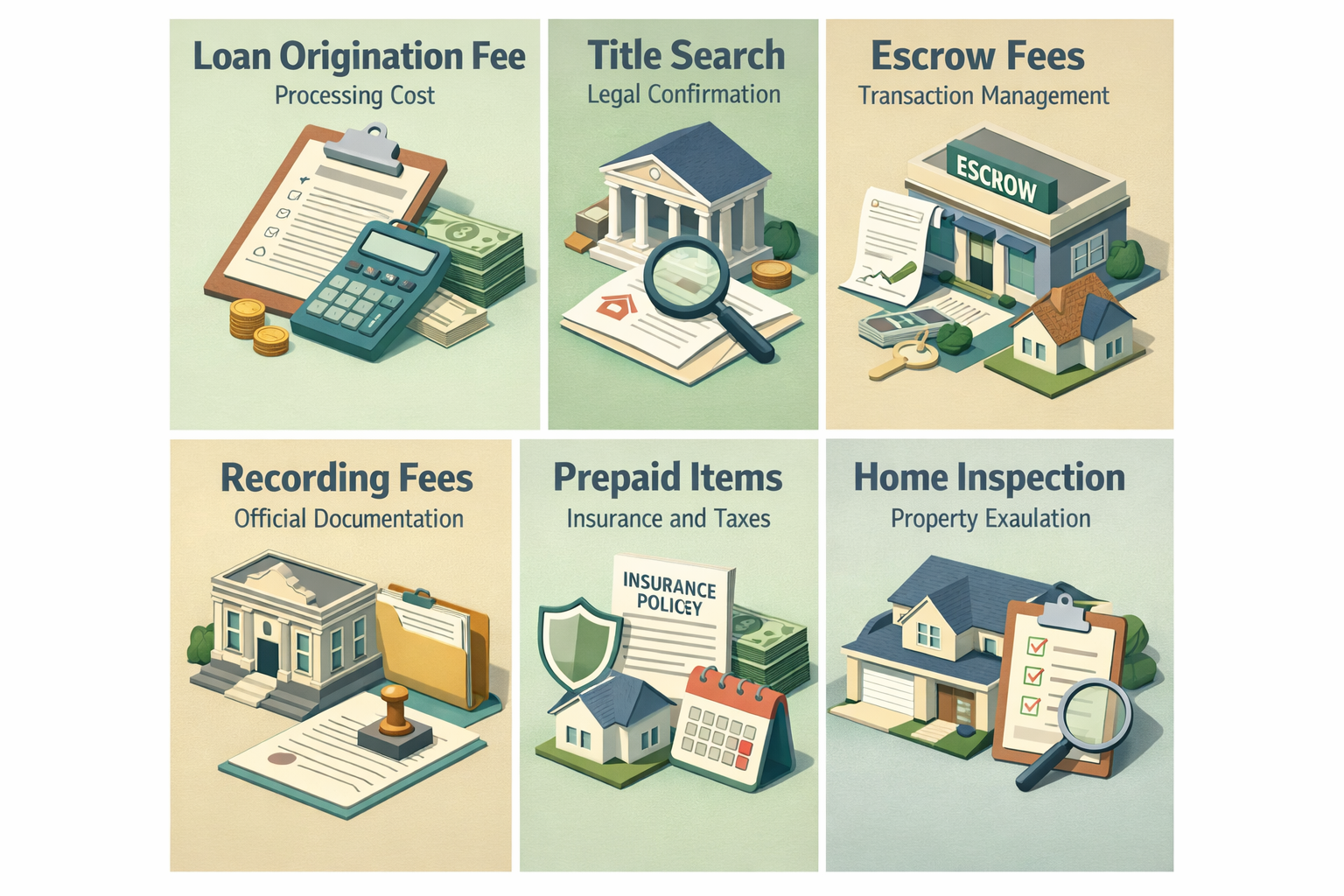
Regardless of the property type, USDA loans come with a set of standard closing costs that most borrowers will encounter. Understanding these baseline fees helps you separate what's typical from what's added due to the specialized nature of a property with an apiary.
- Loan origination fee: Lenders typically charge a fee for processing and underwriting your loan, often ranging from 0.5% to 1% of the loan amount, though this can vary.
- Title search and title insurance: A title search confirms there are no liens or legal issues on the property. Title insurance protects both you and the lender going forward.
- Escrow and settlement fees: These are paid to the closing agent or escrow company that handles the transaction and manages the transfer of funds.
- Recording fees: Local government agencies charge a fee to officially record the deed and mortgage documents.
- Prepaid items: These include prepaid homeowner's insurance, property taxes placed into an escrow account, and prepaid mortgage interest from the closing date to the end of the month.
- Home inspection fee: While not always required by the lender, a home inspection is strongly recommended and is typically paid at or before closing.
In total, USDA loan closing costs typically range between 2% and 5% of the loan amount, though the actual figure depends on the purchase price, location, lender, and property characteristics. One helpful feature of USDA loans is that sellers may be permitted to contribute toward the buyer's closing costs, which can significantly reduce out-of-pocket expenses.
The USDA Guarantee Fee: A Cost Unique to This Program
One cost that sets USDA loans apart from conventional mortgages is the guarantee fee. This fee serves a similar purpose to mortgage insurance on FHA loans — it protects the lender in case the borrower defaults. There are two components:
- Upfront guarantee fee: This is a one-time fee charged at closing, typically expressed as a percentage of the loan amount. Borrowers may finance this fee into the loan balance rather than paying it out of pocket, which is a helpful option for buyers trying to minimize upfront costs.
- Annual fee: This is an ongoing fee included in your monthly mortgage payment, calculated as a percentage of the remaining loan balance each year.
The specific percentages for these fees are set by the USDA and may change from year to year. It's important to check with your lender or the USDA's official program guidelines for the most current figures. What matters for your planning is knowing that these fees exist and that the upfront portion does appear on your Closing Disclosure document as part of your total closing costs.
Specialized Property Appraisal Costs for an Apiary
This is where things get notably different for buyers of properties with a beekeeping apiary. A specialized property appraisal may be required — or at minimum, a more complex appraisal than usual — when a home includes non-standard features like beehive structures, honey extraction equipment, or dedicated apiary land use.
USDA loans require an appraisal to confirm the property's value and ensure it meets minimum property requirements (MPRs). For a standard rural home, this is a fairly routine process. However, when the property includes an active apiary, the appraiser must evaluate the residential value separately from any agricultural or commercial value associated with the beekeeping operation.
Finding a qualified appraiser with experience in rural home closing costs and agricultural properties may be more challenging in some areas, and their fees could be higher than average. A typical home appraisal might cost between $400 and $600, but a more complex rural home closing costs involving agricultural features could run higher. This is one of the costs worth budgeting for explicitly when planning your financing for a property with an apiary.
Additionally, if the apiary structures — such as hive stands, sheds, or fencing — are considered permanent improvements, the appraiser will need to address how they affect the overall property value. If they're deemed part of a commercial operation, they may be excluded from the appraised residential value, which could affect your loan amount.
How Apiary Features Can Influence Loan Eligibility and Fees
Beyond the appraisal, the presence of a beekeeping apiary might trigger additional steps in the USDA loan approval process. Lenders and USDA underwriters will typically want to confirm that the agricultural use is secondary to the residential purpose of the property. This review process could lead to additional documentation requirements, such as:
- A description of the scale and commercial nature of the beekeeping operation
- Evidence of how much land is dedicated to the apiary versus residential use
- Documentation showing the apiary is not the primary source of household income
- Any local zoning or use permits associated with the apiary operation
Gathering this documentation may require the assistance of a real estate attorney or a specialized lender familiar with USDA loans for agricultural property. Legal and consultation fees could add to your overall closing costs, even if these aren't standard line items on every Closing Disclosure.
Environmental assessments are another possibility. If the apiary operation involves chemical treatments for hive management, a lender might request a review to ensure there are no contamination concerns on the land. This isn't guaranteed, but it's a realistic consideration for some rural apiary properties.
Strategies to Reduce Closing Costs on Your Apiary Property Purchase
Even with the added complexity of a specialized rural property, there are several strategies that could help you manage or reduce your closing costs:
- Negotiate seller concessions: USDA guidelines generally allow sellers to pay a portion of the buyer's closing costs. Negotiating this upfront can make a meaningful difference in your out-of-pocket expenses at closing.
- Roll in the upfront guarantee fee: As mentioned earlier, the USDA upfront guarantee fee can often be financed into the loan, reducing the cash you need at closing.
- Shop for lender services: Not all lender fees are fixed. Comparing loan estimates from multiple USDA-approved lenders can reveal meaningful differences in origination fees and third-party service costs.
- Choose providers from the lender's list wisely: For services like title insurance and settlement, you may have the option to shop around. Reviewing your Loan Estimate carefully will indicate which services are open to comparison shopping.
- Ask about closing cost assistance programs: Some state housing finance agencies offer grants or low-interest loans to help rural homebuyers cover closing costs. Eligibility varies, but it's worth exploring.
Working with a lender who has experience in rural home closing costs and USDA rural lending can also streamline the process, potentially reducing delays that add to carrying costs like extended rate lock fees.
●Conclusion
Purchasing a rural property with a beekeeping apiary is a genuinely exciting prospect — and a USDA loan can be a powerful tool to make it happen with little or no down payment. That said, understanding what are closing costs for a USDA loan on a property with a beekeeping apiary requires looking beyond the standard fee schedule. Between the potential for a more complex appraisal, additional documentation requirements, and the USDA's own guarantee fees, your closing costs could be higher than a typical rural home purchase. Planning ahead, working with experienced professionals, and leveraging the flexibility USDA allows — like seller concessions and rolled-in fees — can help make the process much smoother. At LoanWise, we're here to help you navigate every step of the rural financing journey with clarity and confidence. Reach out today to connect with a lender who understands the nuances of specialty rural properties.