
Opening a specialized artisanal cheese shop is an exciting venture — one that combines culinary passion with genuine entrepreneurial ambition. But like any brick-and-mortar food business, getting started requires real capital. From sourcing aged wheels of Manchego to outfitting a temperature-controlled aging cave, the upfront costs can add up quickly. That's where understanding your startup loan options for a specialized artisanal cheese shop becomes absolutely essential. Whether you're a first-time small business owner or an experienced entrepreneur entering the specialty food market, the right financing strategy can make the difference between a dream on paper and a thriving shop on Main Street. This guide breaks down the most practical and accessible funding paths available to artisanal food entrepreneurs today.
Why Artisanal Cheese Shops Have Unique Financing Needs
Not all small businesses require the same type of financing, and an artisanal cheese shop is a great example of a niche operation with very specific capital demands. Unlike a standard retail store, a specialty cheese business may need refrigerated display cases, humidity-controlled storage units, specialized cutting and packaging equipment, and a carefully curated inventory of perishable goods — all before a single customer walks through the door.
Additionally, artisanal cheese shops often source products from small-batch producers, which can mean longer lead times and higher per-unit costs compared to mass-market alternatives. Many shop owners also invest in staff training, tasting events, and premium interior design to create an experiential retail environment that justifies their price points.
These factors mean that an artisanal business startup loan needs to be structured thoughtfully — covering not just one-time setup costs, but also working capital for the critical early months when cash flow may be inconsistent. Understanding this from the outset helps you choose the right loan type and apply with realistic projections.
SBA Loans: A Strong Foundation for Specialty Food Startups
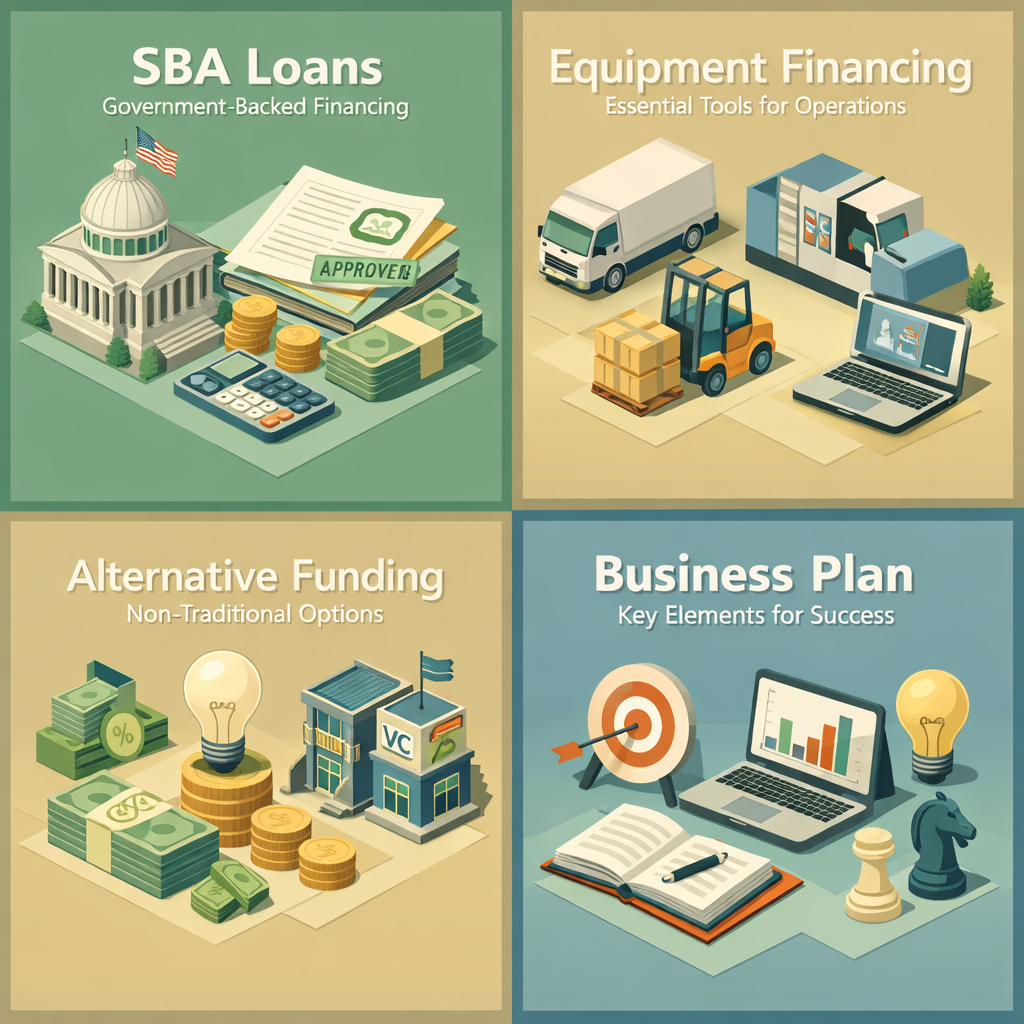
For many small business owners entering niche markets like specialty food business retail, SBA loans are often among the most attractive financing options available. The U.S. Small Business Administration partners with approved lenders to offer government-backed loans that typically come with competitive interest rates, longer repayment terms, and lower down payment requirements than conventional business loans.
SBA 7(a) Loans
The SBA 7(a) loan is the agency's most widely used program and may be well-suited for an artisanal cheese shop startup. These loans can potentially be used for a wide range of purposes, including leasehold improvements, equipment purchases, inventory acquisition, and working capital. Loan amounts can go up to $5 million, though most startups in the specialty food space may seek significantly smaller amounts. Approval typically depends on factors such as your personal credit score, a solid business plan, and demonstrated industry knowledge.
SBA 504 Loans
If you're planning to purchase commercial real estate for your shop or invest in major fixed assets like custom refrigeration infrastructure, the SBA 504 loan program may be worth exploring. This program is designed specifically for long-term, fixed-rate financing of major assets and typically involves a partnership between a Certified Development Company and a conventional lender. It's generally more appropriate for established businesses, but some lenders may consider well-prepared startups with strong collateral and business plans.
SBA Microloans
For entrepreneurs who need a smaller amount to get started, the SBA Microloan program offers loans of up to $50,000 through nonprofit intermediary lenders. This option could be particularly relevant for artisanal cheese shop owners who are starting small — perhaps with a farmers market presence or a compact retail footprint — and want to scale up gradually. Microloans often come with business mentorship and technical assistance, which can be invaluable for first-time food entrepreneurs.
Equipment Financing: Powering Your Cheese Shop's Core Operations
A specialized artisanal cheese shop depends heavily on the right equipment to maintain product quality and regulatory compliance. Refrigerated display cases, cheese caves, vacuum sealers, slicers, and point-of-sale systems all represent significant capital expenditures. Equipment financing allows you to spread these costs over time while preserving working capital for day-to-day operations.
With equipment loans or leases, the equipment itself typically serves as collateral, which can make approval more accessible for startups that may not have an extensive credit history. Lenders offering asset-based lending in this category often evaluate the value and useful life of the equipment rather than relying solely on your business's financial track record.
It's worth comparing loan terms carefully. Some equipment financing agreements may include end-of-term purchase options, while leasing arrangements might offer more flexibility if you anticipate needing upgrades as your business grows. Speaking with a lending advisor who understands the food retail sector could help you identify the most cost-effective structure for your situation.
Alternative Funding Paths Worth Exploring for Your Startup
Beyond traditional bank loans and SBA programs, there are several alternative financing options that could complement or even replace conventional debt for an artisanal cheese shop startup.
Business Lines of Credit
A business line of credit functions similarly to a credit card — you draw from an approved limit as needed and only pay interest on what you use. For a specialty cheese shop, this can be particularly useful for managing inventory purchases that fluctuate with seasons, events, or supplier availability. While lines of credit may be harder to secure for brand-new businesses, some lenders offer starter versions tied to personal creditworthiness.
Community Development Financial Institutions (CDFIs)
CDFIs are mission-driven lenders that often serve small businesses in underserved markets or niche industries that traditional banks might overlook. If your artisanal cheese shop is located in a rural area, an economically distressed neighborhood, or serves a specific community, a CDFI might offer more flexible underwriting criteria along with below-market interest rates and business development support.
Grants for Specialty Food Businesses
While not a loan, small business grants deserve mention here. Various state agriculture departments, local economic development agencies, and private foundations occasionally offer grants for food entrepreneurs — particularly those working with locally sourced, sustainable, or culturally significant products. Grants don't need to be repaid, making them an excellent supplement to any loan strategy. Research availability in your state before finalizing your funding plan.
Crowdfunding and Community Investment
Platforms that allow community members to invest in or pre-purchase from local businesses have helped numerous specialty food shops get off the ground. While not a guaranteed path to full funding, a well-executed crowdfunding campaign can validate your concept, build a customer base, and raise enough capital to reduce the loan amount you need from traditional sources.
Building a Loan-Ready Business Plan for Your Cheese Shop
No matter which loan type you pursue, lenders will almost certainly want to see a detailed, credible business plan before approving your application. For a specialized artisanal cheese shop, this document should go beyond generic business plan templates and speak directly to the unique characteristics of your concept.
Your plan should include a clear description of your product offering — the types of cheeses you'll carry, your sourcing philosophy, and what sets your shop apart from grocery store cheese counters or online retailers. Include a realistic analysis of your target market, whether that's food-savvy urban professionals, local restaurant chefs purchasing wholesale, or tourists seeking regional specialty products.
Financial projections are particularly important for startup loan options applications. Lenders want to see that you've thought carefully about startup costs, monthly operating expenses, revenue ramp-up timelines, and break-even points. If you're new to financial modeling, consider working with a SCORE mentor, a small business development center (SBDC) advisor, or an accountant familiar with food retail businesses. Demonstrating that you understand your numbers — even when those numbers are projections — builds significant credibility with lenders.
Also include information about your personal financial background, relevant industry experience, and any commitments you've already secured, such as a signed lease, supplier agreements, or letters of intent from potential wholesale customers. The more concrete evidence you can provide that your business is viable, the stronger your loan application will be.
Credit and Collateral: What Lenders Typically Look For
Understanding what lenders evaluate during the underwriting process can help you prepare a stronger application for any artisanal business startup loan. While specific criteria vary by lender and loan type, most institutions assess a combination of personal creditworthiness, business viability, and available collateral.
Your personal credit score will likely play a significant role in most startup loan decisions, since your business won't yet have an established credit history of its own. A score in the mid-600s or higher may open more doors, though some lenders — particularly CDFIs and microloan providers — may be more flexible if you can demonstrate strong character references, relevant experience, or a compelling business model.
Collateral is another common consideration. Equipment, inventory, real estate, or personal assets may be used to secure a loan and reduce the lender's risk. Some SBA loan programs also allow for personal guarantees, which means you personally agree to repay the loan if the business cannot. It's important to understand these obligations clearly before signing any agreement.
Finally, lenders often evaluate your debt-service coverage ratio — essentially, whether your projected business income will be sufficient to cover your loan payments. This reinforces the importance of realistic, well-supported financial projections in your business plan.
●Conclusion
Launching a specialized artisanal cheese shop is a bold and rewarding entrepreneurial pursuit, and the right financing strategy can give your vision the foundation it deserves. From SBA microloans and equipment financing to CDFIs and community crowdfunding, the startup loan options for a specialized artisanal cheese shop are more varied than many entrepreneurs realize. The key is to start your research early, build a compelling business plan, understand your credit profile, and speak with lenders who have experience working with specialty food businesses. At LoanWise, we're here to help small business owners navigate the lending landscape with confidence. Ready to take the next step? Connect with a LoanWise lending advisor today and explore which financing solution is the right fit for your artisanal cheese shop dream.