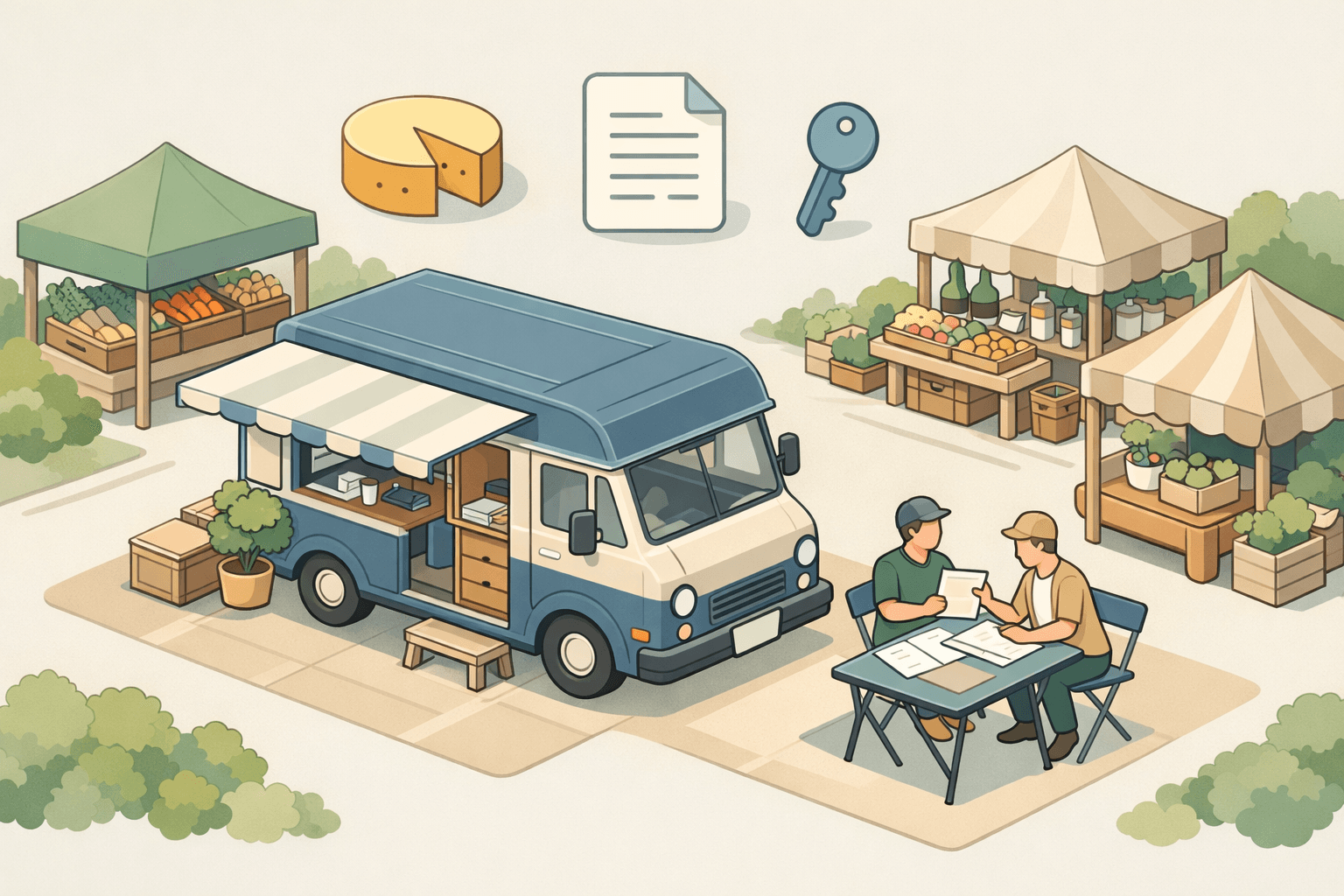
Starting a mobile artisanal cheese making business is an exciting venture that combines culinary craft with entrepreneurial ambition. Whether you're dreaming of serving small-batch aged cheddars at farmers markets or supplying specialty grocery stores from a custom-built mobile unit, one thing is certain — you'll need capital to get started. The good news is that several financing pathways exist for food entrepreneurs ready to take the leap. Understanding the startup loan options for a mobile artisanal cheese making business can make the difference between a great idea and a thriving operation. This guide walks you through the most relevant funding options, what lenders typically look for, and how to position yourself for approval.
Why Financing a Mobile Artisanal Cheese Business Comes With Unique Challenges
A mobile artisanal cheese making business sits at the intersection of food manufacturing, retail, and transportation — and that complexity can make traditional lenders a little cautious. Unlike a brick-and-mortar restaurant or a standard food truck, your business model involves specialized equipment, food safety compliance, mobile infrastructure, and often a slower revenue ramp-up period as you build your customer base.
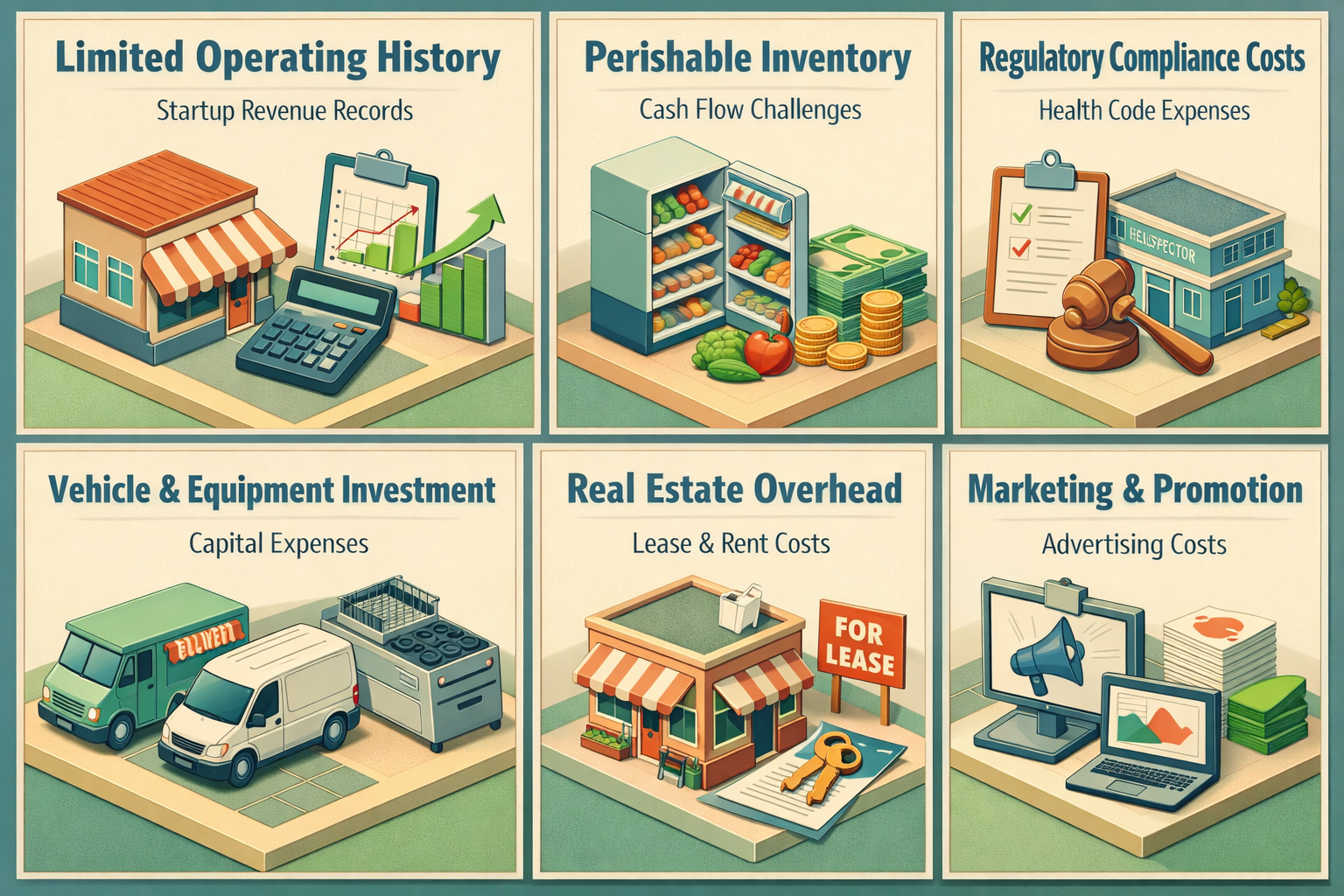
Lenders evaluating a small business loan for food startups like yours will typically look at the following risk factors:
- Limited operating history: As a startup, you won't have years of revenue records to show. Most lenders prefer to see at least one to two years of financials, which means you'll likely need to lean on alternative funding sources early on.
- Perishable inventory: Cheese production involves perishable goods and aging timelines that can complicate cash flow projections.
- Regulatory compliance costs: Mobile food businesses must meet local health codes, USDA regulations, and potentially state dairy licensing requirements — all of which carry upfront costs.
- Vehicle and equipment investment: Outfitting a mobile unit with commercial-grade refrigeration, pasteurization equipment, and sanitization systems can be a significant capital expense.
Understanding these hurdles upfront helps you prepare a stronger loan application and choose the most appropriate financing product for your situation.
SBA Microloans: A Smart Starting Point for Food Entrepreneurs
For many food startup founders, the SBA Microloan program is one of the most accessible entry points into business financing. Administered through the U.S. Small Business Administration, this program offers loans of up to $50,000 through nonprofit community-based lenders. The average microloan is closer to $13,000, but amounts can vary depending on your intermediary lender and your business needs.
SBA microloans are particularly well-suited to mobile artisanal food businesses because they're designed for early-stage companies that may not yet qualify for conventional bank loans. Interest rates and repayment terms vary by lender, but these loans tend to be more flexible and accessible than traditional term loans.
What might you use a microloan for in your cheese making operation?
- Purchasing initial cheesemaking supplies and cultures
- Covering licensing, permits, and food safety certifications
- Funding your first batch of aging inventory
- Paying for branding, packaging, and initial marketing materials
- Covering working capital during your first few months of operations
Many SBA microloan intermediaries also provide technical assistance and business training alongside the funding — a valuable resource for first-time food entrepreneurs navigating the complexity of launching a mobile operation.
Equipment Financing: Funding Your Mobile Unit and Production Tools
One of the largest startup costs for a mobile cheese making business is the physical infrastructure — the vehicle, refrigeration systems, and production equipment. Equipment financing is a lending product specifically designed to help business owners purchase the tools they need to operate, using the equipment itself as collateral.
This collateral structure can make equipment loans more accessible for startups, since the lender has a tangible asset to secure the loan against. Repayment terms typically align with the useful life of the equipment, which may range from three to seven years depending on the asset.
Common equipment purchases an artisanal cheese maker might finance include:
- A refrigerated commercial vehicle or trailer conversion
- Pasteurization and homogenization units
- Cheese vats, molds, and pressing equipment
- Temperature-controlled aging compartments
- Point-of-sale systems and display cases for market days
It's worth noting that lenders may look at the condition of the equipment, whether new or used, when evaluating your application. New equipment is often easier to finance, while used or custom-built mobile units may require additional documentation or a larger down payment. Shopping around among specialty lenders familiar with the food manufacturing sector could help you find more favorable terms.
SBA 7(a) Loans: Broader Capital for Growth-Minded Entrepreneurs
If your funding needs exceed what a microloan can cover, the SBA 7(a) loan program may be worth exploring. This is the SBA's most popular and flexible loan program, offering up to $5 million in financing for a wide range of business purposes. For a mobile artisanal cheese making business, a 7(a) loan could potentially cover vehicle acquisition, equipment, working capital, and even startup costs — all in a single loan package.
That said, qualifying for an SBA 7(a) loan as a startup can be more challenging. Lenders participating in this program typically want to see:
- A detailed and realistic business plan with financial projections
- Strong personal credit history (often a score of 680 or higher is preferred)
- Evidence of industry experience or relevant expertise in food production
- Some form of collateral, which could include personal assets for startups
- A personal guarantee from the business owner
Because the SBA guarantees a portion of the loan, participating lenders carry less risk — which can translate into more competitive interest rates and longer repayment terms than conventional small business loans. This makes the 7(a) program a strong option for entrepreneurs who are well-prepared and ready to demonstrate the viability of their concept.
Alternative Funding Sources Worth Considering
Traditional loans aren't the only path forward. Many food startup founders piece together their initial funding from multiple sources, and that strategy can work well for a mobile artisanal operation. Here are a few alternatives that may complement or substitute traditional lending:
Crowdfunding and Community Support
Platforms that allow you to pre-sell products or offer equity in exchange for community investment have become popular among artisan food producers. Cheese, especially small-batch and locally sourced varieties, tends to resonate with food-conscious consumers who may be eager to support your launch. A successful campaign can also serve as proof of concept when you later approach lenders.
Grants for Food and Agricultural Businesses
Depending on your location, there may be state or federal grants available for small food producers, farmers market participants, or rural agricultural businesses. The USDA's Value-Added Producer Grant program, for example, is designed to help agricultural producers develop new products and enter new markets — which could apply to a mobile artisanal cheese operation depending on your sourcing model.
Community Development Financial Institutions (CDFIs)
CDFIs are mission-driven lenders that serve underserved entrepreneurs and communities. They often offer more flexible underwriting than traditional banks and may have specific programs for food businesses or minority-owned startups. If you've struggled to qualify elsewhere, a CDFI could be a valuable resource.
Business Lines of Credit
Once your business has some operating history — even six to twelve months — a business line of credit could give you flexible access to working capital for seasonal inventory builds or unexpected expenses. It's typically not a first-day funding solution, but it's worth planning for as your business matures.
How to Build a Loan Application That Stands Out
Lenders reviewing a small business loan for food startups want to see that you've done your homework. A polished, detailed application can go a long way in building lender confidence, especially when you lack years of operating history. Here's what to focus on:
A Thorough Business Plan
Your business plan should clearly explain your concept, target market, competitive landscape, pricing strategy, and how you plan to generate revenue from a mobile platform. Include realistic financial projections that account for seasonal fluctuations, production timelines for aged cheeses, and the cost of regulatory compliance.
Industry Experience and Credentials
If you've worked in food production, dairy farming, culinary arts, or a related field, highlight that experience prominently. Lenders want to know that you understand the industry you're entering. Certifications in food safety (such as ServSafe or equivalent) can also add credibility to your application.
Personal Credit and Financial Health
Your personal credit score will likely play a significant role in your startup loan application, since your business hasn't yet established its own credit profile. Review your credit report before applying, address any errors, and work to pay down outstanding balances where possible. A score in the mid-600s or higher is typically preferred, though some microloan programs may be more flexible.
Collateral and Personal Guarantee Readiness
Be prepared to offer collateral — whether that's the mobile unit itself, equipment, or personal assets — and to sign a personal guarantee. These are common requirements for startup business loans, particularly when the business has no established revenue history.
●Conclusion
Launching a mobile artisanal cheese making business is a bold and creative entrepreneurial pursuit — and the right financing can help turn your vision into reality. The most important step is understanding the full range of startup loan options for a mobile artisanal cheese making business before you apply, so you can match your needs to the right product and present the strongest possible case to lenders. Whether you start with an SBA microloan, pursue equipment financing, explore CDFI partnerships, or combine several funding sources, there's a path forward for motivated food entrepreneurs who come prepared. At LoanWise, we're here to help you navigate your options and connect with lending solutions tailored to your goals. Take the next step today and speak with a lending advisor who understands the unique needs of small business owners like you.