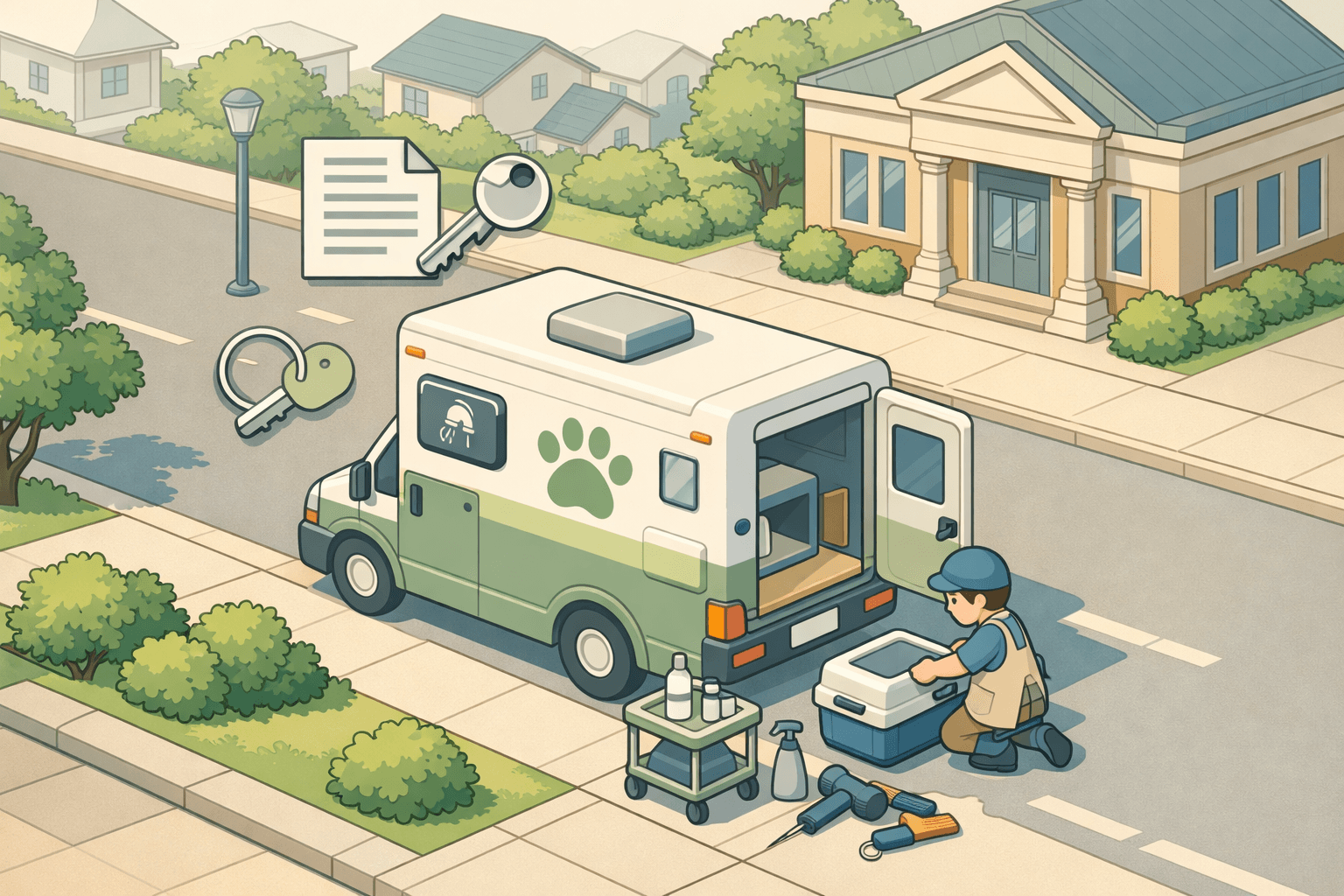
Starting a freelance mobile pet grooming business is an exciting venture — but it comes with real upfront costs. Between a fully outfitted grooming van, supplies, licensing, and insurance, getting off the ground can feel financially overwhelming. The good news is that there are several startup loan options for a freelance mobile pet grooming business needing a van that may be well-suited to your situation. Whether you're brand new to entrepreneurship or transitioning from a brick-and-mortar salon, understanding your financing path early could save you time, money, and stress. This guide walks you through the most practical lending options available to mobile pet grooming entrepreneurs.
Understanding the True Cost of Launching a Mobile Pet Grooming Business
Before you apply for any loan, it helps to get a clear picture of what you're actually borrowing for. A mobile pet grooming setup typically involves several significant expenses that go well beyond simply buying a van.
- Grooming van or trailer: A purpose-built or converted grooming van can range considerably in price depending on whether it's new, used, or custom-fitted. Used vans may start around $15,000, while fully equipped new units can exceed $60,000 or more.
- Grooming equipment: Tubs, dryers, clippers, tables, and plumbing fixtures add up quickly.
- Business licensing and permits: Depending on your state or municipality, you may need specific permits to operate a mobile grooming business.
- Insurance: Commercial auto insurance and general liability coverage are typically required and represent ongoing costs.
- Marketing and branding: A website, signage, and local advertising help you attract your first clients.
When you total these startup costs, many new mobile groomers find they need anywhere from $20,000 to $80,000 or more to launch comfortably. That's a meaningful number — and it's why identifying the right startup loan mobile pet grooming product matters so much from the very beginning.
SBA Microloans: A Practical Starting Point for New Entrepreneurs
The U.S. Small Business Administration's Microloan program is often one of the most accessible paths for new small business owners, including freelance groomers. SBA Microloans are administered through nonprofit intermediary lenders and offer loan amounts of up to $50,000, though many borrowers receive smaller amounts in the $5,000–$25,000 range.
What makes this program attractive for startup situations is that it's designed with newer businesses in mind. You don't necessarily need years of business history to qualify. Many intermediary lenders also offer technical assistance, mentoring, and business planning support alongside the loan — which could be genuinely valuable if this is your first venture.
Interest rates and repayment terms vary by lender, but microloans tend to carry reasonable rates compared to alternative lenders, and terms can extend up to six years. If your grooming van falls within the $20,000–$40,000 range and you have some personal creditworthiness, an startup loan might cover a significant portion of your launch costs.
Keep in mind that some intermediary lenders may require collateral or a personal guarantee. It's worth reaching out to your local SBA district office or a Small Business Development Center (SBDC) to find participating lenders near you.
Equipment and Commercial Vehicle Financing for Your Grooming Van
If the van itself is your primary concern, a small business van loan or equipment financing arrangement may be worth exploring. These loan types use the asset being purchased — in this case, the vehicle — as collateral. That secured structure often makes lenders more comfortable working with startups that lack an established business credit history.
Equipment loans and commercial vehicle loans typically offer:
- Fixed repayment terms: Often ranging from two to seven years depending on the lender and the asset's useful life.
- Competitive interest rates: Because the loan is secured by the van, lenders may offer better rates than unsecured alternatives.
- Faster approvals: Some lenders specialize in equipment financing and can move more quickly than traditional banks.
One important consideration is that if you're purchasing a van that also serves as a grooming unit — essentially a custom outfitted vehicle — some lenders may classify it differently than a standard commercial vehicle. It's wise to clarify upfront how the lender categorizes the asset, as this could affect loan terms and eligibility.
Many online lenders, credit unions, and community banks offer equipment financing. Startups may face slightly higher interest rates or shorter terms compared to established businesses, but the option is broadly available and worth comparing across multiple lenders.
SBA 7(a) Loans: When You Need a More Comprehensive Funding Solution
The SBA 7(a) loan program is the SBA's flagship lending product and offers greater flexibility than microloans. Loan amounts can go up to $5 million, making this program suitable for borrowers who need to cover not just the van but also working capital, equipment, and other startup costs under a single loan structure.
For a mobile pet grooming entrepreneur, the 7(a) program could be especially useful if you're looking to purchase a high-end grooming van, fund your first few months of operating expenses, and still have breathing room for unexpected costs — all at once.
That said, SBA 7(a) loans do come with more rigorous qualification requirements than microloans. Lenders participating in the program will typically review:
- Your personal credit score and financial history
- A detailed business plan with financial projections
- Evidence of industry experience or relevant skills
- Collateral, if available
As a startup, you may find this path more challenging, but it's not impossible — particularly if you have strong personal credit, some savings to contribute as a down payment, and a well-documented business plan. Working with an SBA-preferred lender or visiting your local SBDC can help you navigate the application process with more confidence.
Personal Loans and Business Credit Cards as Bridge Financing
When traditional business lending isn't immediately accessible — which is common for brand-new startups — some entrepreneurs turn to personal financing options as a bridge strategy. These aren't always ideal as long-term solutions, but they may help you get moving while you build business credit history.
Personal loans from banks, credit unions, or online lenders can sometimes be used for business purposes. If your personal credit score is solid, you might qualify for a personal loan with a competitive interest rate. However, using personal credit for business purposes means you're taking on personal liability, so this approach requires careful consideration.
Business credit cards can help cover smaller startup expenses like supplies, marketing, or licensing fees. Some cards offer introductory 0% APR periods, which could provide short-term breathing room. Just be mindful that carrying a balance after the promotional period can result in high interest charges.
Neither of these options is likely to cover the full cost of a grooming van on their own, but used strategically alongside a primary loan, they might help fill in the gaps. The key is to treat them as tools within a broader financing plan — not as your primary source of startup capital.
Building the Financial Profile Lenders Want to See
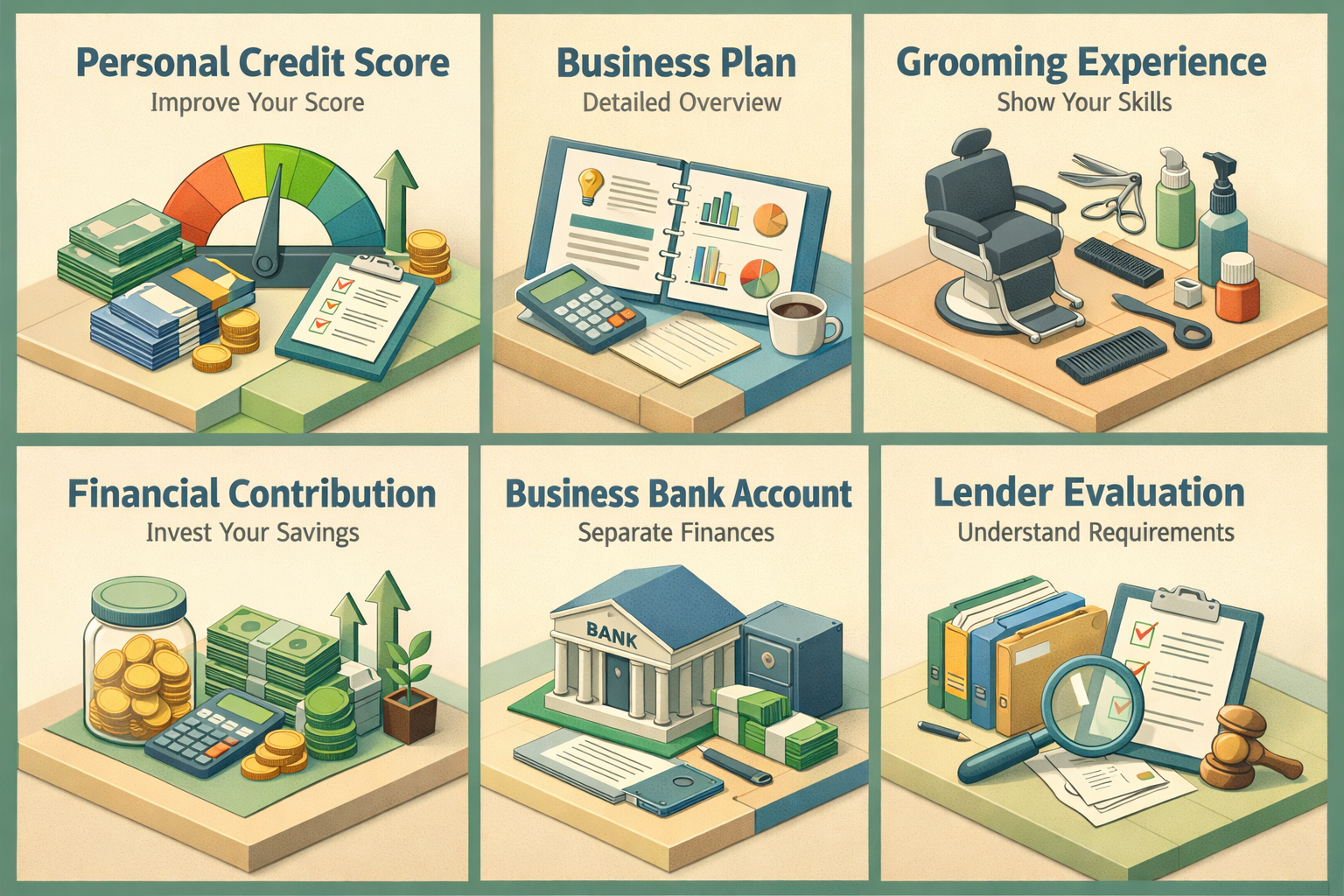
No matter which loan type you pursue, lenders will evaluate your financial profile before approving funds. As a startup without years of business history, your personal financial standing becomes especially important. Here's what you can do to strengthen your application:
- Check and improve your personal credit score: Pay down existing debts, correct any errors on your credit report, and avoid opening new credit lines right before applying.
- Create a detailed business plan: Include market research, projected revenue, pricing structure, target service area, and a realistic break-even timeline. Lenders want to see that you understand your market.
- Document your grooming experience: If you've worked as a groomer before — even as an employee — gather any certifications, references, or records that demonstrate your expertise.
- Show a personal financial contribution: Being willing to invest some of your own savings signals commitment to lenders and may improve your chances of approval.
- Open a business bank account: Separating your personal and business finances is a basic step that demonstrates organizational readiness.
These steps won't guarantee approval, but they meaningfully improve your position when approaching lenders about startup loan options for a freelance mobile pet grooming business needing a van.
Comparing Lenders: Where to Start Your Search
Once you know which loan type fits your needs, the next step is finding the right lender. Here are some of the most common places mobile grooming entrepreneurs might explore:
- Community banks and credit unions: These institutions often have more flexibility when working with local small business owners. They may be more willing to consider your full story rather than just your credit score.
- Online lenders: Fintech lenders have made it easier than ever to apply for small business loans quickly. While they may charge higher rates, they're often more startup-friendly and can fund loans faster.
- SBA-approved lenders: If you're pursuing a microloan or 7(a) loan, you'll need to work through an SBA-approved intermediary or preferred lender. The SBA's Lender Match tool can help you find one.
- CDFI lenders (Community Development Financial Institutions): CDFIs specifically serve underbanked borrowers and small businesses in underserved communities. They're often more flexible on credit requirements and may offer business coaching alongside financing.
Wherever you apply, be sure to compare annual percentage rates (APR), repayment terms, prepayment penalties, and any fees before committing. It can also help to get pre-qualified with multiple lenders before making a final decision — this gives you negotiating power and a clearer sense of what's available to you.
●Conclusion
Launching a freelance mobile pet grooming business is a real and achievable goal, and the financing landscape offers several viable paths to get you there. From SBA Microloans and equipment financing to personal bridge strategies and community lenders, the startup loan options for a freelance mobile pet grooming business needing a van are more varied than many first-time borrowers expect. The most important step is to start with a clear budget, build a strong personal financial profile, and compare multiple lending options before committing. At LoanWise, we're here to help small business owners and entrepreneurs find the financing paths that make sense for their unique situations. Ready to take the next step? Explore your business loan options with us today.