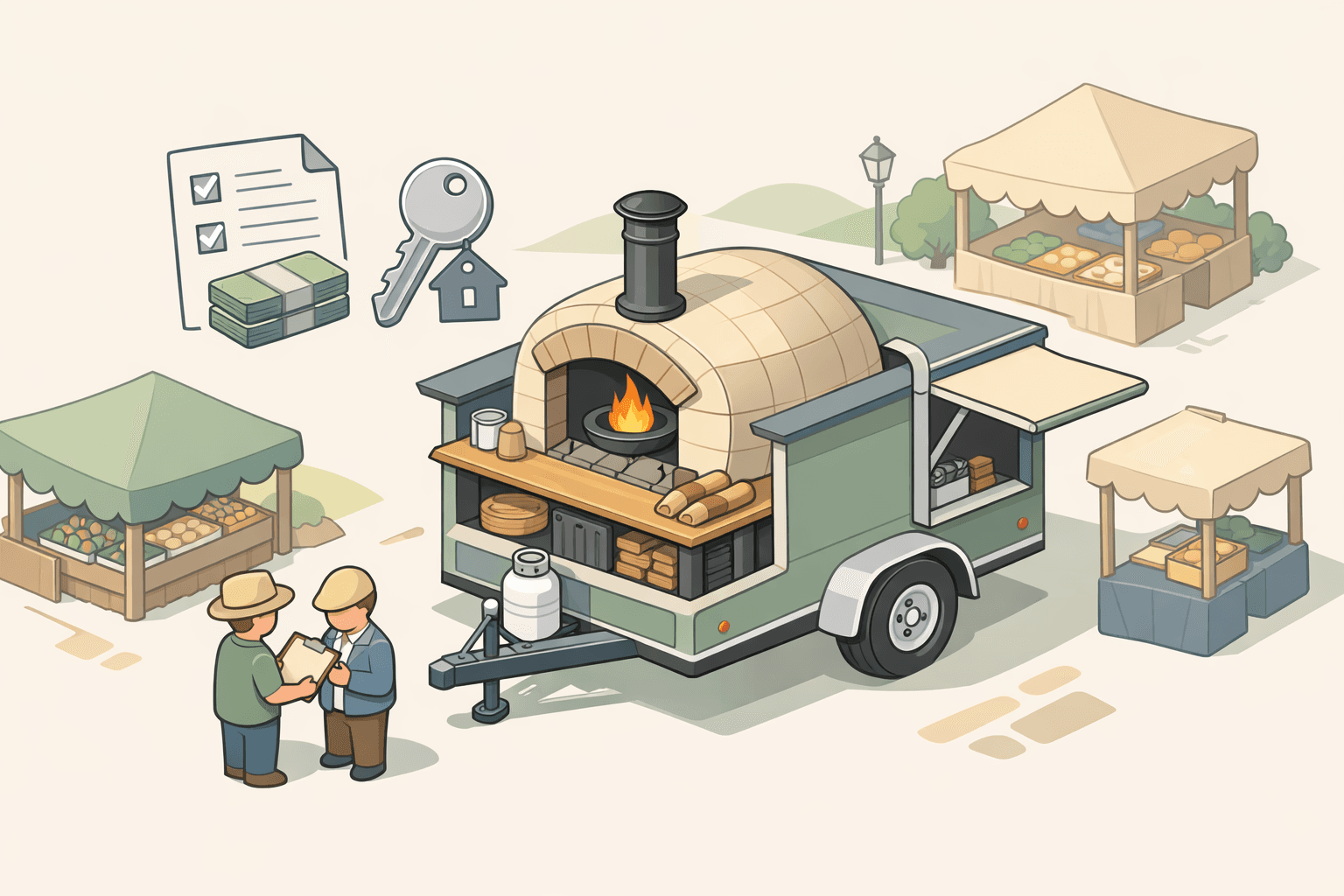
Running a mobile bakery with a wood-fired oven is a dream for many passionate bakers and food entrepreneurs. The aroma of freshly baked artisan bread, the craftsmanship of a hand-built oven, and the freedom of a mobile business model all come together in a truly unique venture. But turning that dream into reality takes more than talent — it takes capital. Specialized bakery equipment, particularly a custom wood-fired oven mounted on a mobile unit, can represent a significant upfront investment. That's why understanding how to secure equipment financing for a mobile bakery with a wood-fired oven is one of the most important steps any aspiring mobile food entrepreneur can take. In this guide, we'll walk through your financing options, what lenders typically expect, and how to put your best foot forward when applying.
Why Wood-Fired Oven Equipment Financing Is a Unique Challenge
Not all equipment loans are created equal. Traditional lenders are often comfortable financing standard commercial kitchen equipment — refrigerators, mixers, or ovens found in brick-and-mortar restaurants. However, a wood-fired oven built into a mobile trailer or truck is a different story. This type of equipment is highly specialized, and its resale value may be harder for lenders to assess compared to off-the-shelf commercial appliances.
This creates what's sometimes called a collateral risk gap. Lenders who offer equipment financing typically use the equipment itself as collateral. If the asset is unusual or has limited secondary market demand, lenders may view the loan as higher risk. That doesn't mean financing is out of reach — it just means you may need to be more strategic about which lenders you approach and how you present your application.
Additionally, mobile food businesses operate differently from traditional storefronts. Revenue can be seasonal, event-driven, or dependent on permits and market access. Lenders who aren't familiar with the mobile food industry might apply stricter scrutiny. Knowing this upfront helps you prepare a stronger case and target lenders who understand your business model.
Loan Options for Financing Mobile Bakery Equipment
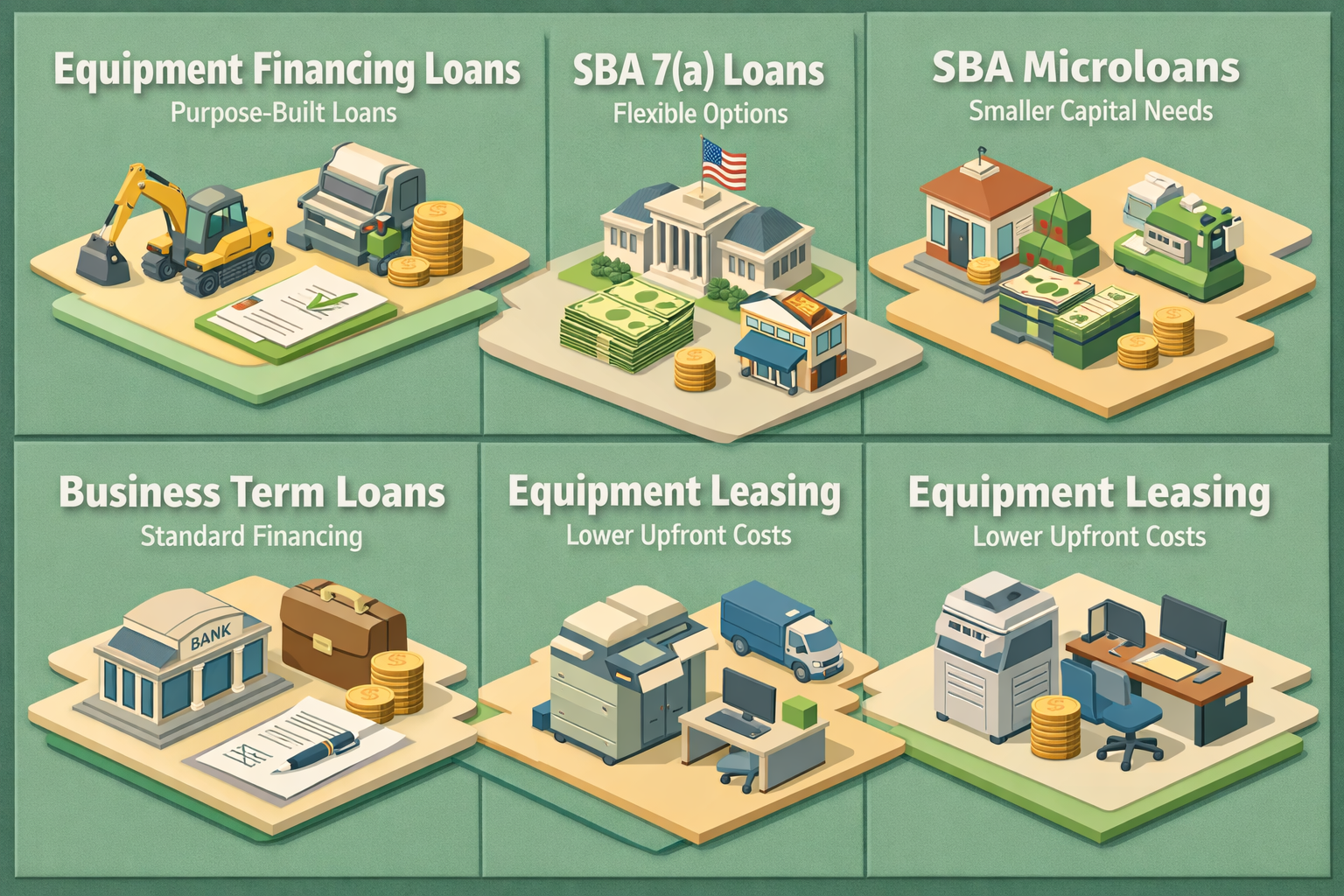
There are several financing paths worth exploring when funding a mobile bakery setup. Each comes with its own set of advantages, eligibility requirements, and cost structures. Here's a breakdown of the most common options available to small business owners in the food sector:
- Equipment Financing Loans: These are purpose-built loans designed to fund the purchase of business equipment. The equipment itself typically serves as collateral, which can make approval somewhat easier even for newer businesses. Repayment terms often align with the useful life of the equipment, which could work well for a durable wood-fired oven.
- SBA 7(a) Loans: The Small Business Administration's 7(a) program is one of the most flexible small business loan options available. It can be used for equipment purchases, working capital, and more. While the application process may take longer, the loan terms are often more favorable than conventional alternatives.
- SBA Microloans: For mobile bakery startups with smaller capital needs — perhaps under $50,000 — SBA Microloans could be a practical fit. These loans are administered through nonprofit intermediaries and may be more accessible to newer businesses or those with limited credit history.
- Business Term Loans: A standard term loan from a bank, credit union, or online lender can also be used to cover equipment costs. These loans typically require stronger credit and established business financials, but they offer predictable repayment schedules.
- Equipment Leasing: Rather than purchasing outright, leasing may allow you to use a wood-fired oven setup with lower upfront costs. At the end of the lease, you may have the option to buy the equipment. This can be useful if you want to preserve working capital in your early months.
Each of these options serves a different type of borrower. Your credit profile, time in business, and revenue history will all influence which path makes the most sense for your situation.
What Lenders Typically Look for in Specialized Bakery Equipment Loans
When you apply for a wood-fired oven equipment loan or any form of mobile bakery financing, lenders will evaluate several key factors. Understanding these criteria ahead of time can help you prepare a more compelling application and potentially improve your approval odds.
Credit Score and Business Credit History
Most lenders will review both your personal credit score and your business credit profile. A stronger credit history typically translates to more favorable loan terms and interest rates. If your credit score needs improvement, it may be worth taking a few months to address any outstanding issues before applying.
Time in Business
Established businesses generally have an easier time qualifying for financing. Many traditional lenders prefer borrowers with at least one to two years of operating history. That said, some online lenders and SBA Microloan programs may work with startups or newer ventures, though terms could differ.
Revenue and Cash Flow Documentation
Lenders want to see that your business generates enough income to service the debt. For a mobile bakery, this might include sales records from farmers markets, catering contracts, event bookings, or online orders. Even if your revenue is seasonal, demonstrating a consistent pattern of income can strengthen your application.
A Solid Business Plan
Especially for newer businesses or those seeking specialized bakery equipment loans, a well-crafted business plan can make a meaningful difference. It should outline your target market, pricing strategy, projected revenue, and how the wood-fired oven will contribute to your business growth. Lenders who may not be familiar with the mobile bakery space will appreciate the clarity.
How to Strengthen Your Application for Mobile Bakery Financing
Securing financing for a mobile food business with specialized equipment is absolutely achievable with the right preparation. Here are some practical steps that may help improve your chances of approval:
- Get an equipment appraisal or quote: Having a formal quote or appraisal from the equipment vendor helps lenders understand the value of what's being financed. For a custom wood-fired oven, this documentation can also address lender concerns about collateral.
- Separate your business finances: If you haven't already, open a dedicated business bank account and establish a business credit profile. This separation demonstrates professionalism and makes it easier for lenders to evaluate your business performance independently.
- Gather your financial documents early: Most lenders will request bank statements, tax returns, profit and loss statements, and potentially a business plan. Having these ready before you start applying can speed up the process significantly.
- Research lenders who work with food businesses: Not every lender is comfortable with mobile food operations. Look for lenders or SBA-approved intermediaries with experience in the food service or mobile business space. They're more likely to understand your revenue model and collateral situation.
- Consider a larger down payment: Offering a meaningful down payment on your equipment can reduce lender risk and may improve your chances of approval, especially if your credit or business history is limited.
Taking these steps before submitting your application shows lenders that you're serious, organized, and financially aware — qualities that can tip the scales in your favor.
Understanding Loan Costs and Repayment for Equipment Financing
Before committing to any financing arrangement, it's important to understand the full cost of borrowing. Interest rates, fees, and repayment terms will all affect your monthly cash flow and long-term profitability.
Interest rates for equipment loans can vary widely depending on the lender, your creditworthiness, and the loan amount. Generally speaking, borrowers with stronger credit and established business histories may qualify for lower rates, while newer businesses or those with weaker credit profiles might face higher costs. It's worth shopping around and comparing offers from multiple lenders rather than accepting the first option you receive.
Loan terms for equipment financing often range from two to seven years, though this can vary. Longer terms typically mean lower monthly payments but more interest paid over time. Shorter terms cost less overall but require higher monthly payments. Finding the right balance for your cash flow is key, especially in the early stages of your mobile bakery operation.
Watch out for additional fees such as origination fees, prepayment penalties, and documentation fees. These can add meaningful cost to a loan and should be factored into your total borrowing calculation. Always review the full loan agreement carefully and don't hesitate to ask lenders to explain any terms you're uncertain about.
Grants and Alternative Funding Sources for Mobile Food Entrepreneurs
Beyond traditional loans, there are other funding avenues that mobile bakery owners might explore to supplement or reduce their financing needs. While these aren't guaranteed solutions, they're worth researching as part of a broader funding strategy.
Small Business Grants
Various federal, state, and local programs offer grants to small businesses, particularly those owned by women, veterans, or minority entrepreneurs. Grants don't require repayment, which makes them highly attractive. The challenge is that they're competitive and often come with specific eligibility requirements. Local economic development organizations and the SBA's website are good starting points for research.
Crowdfunding
Platforms designed for food businesses and creative ventures have helped many entrepreneurs raise startup capital from their communities. A compelling story about your mobile bakery and wood-fired oven concept might resonate well with supporters who want to back local, artisan food businesses.
Community Development Financial Institutions (CDFIs)
CDFIs are mission-driven lenders that often serve small businesses in underserved communities or industries. They may offer more flexible underwriting standards than conventional banks, making them a potentially good fit for mobile food businesses with limited credit history or unconventional collateral.
Combining a small loan with a grant or crowdfunding contribution could reduce the amount you need to borrow, lower your monthly payments, and give your business a more comfortable financial foundation from day one.
●Conclusion
Learning how to secure equipment financing for a mobile bakery with a wood-fired oven requires preparation, research, and a clear understanding of your financing options. From equipment loans and SBA programs to alternative funding sources, there are multiple paths that could help you get your mobile bakery rolling. The key is to approach lenders with strong documentation, a realistic business plan, and a clear picture of how your wood-fired oven investment will drive revenue. Whether you're just starting out or looking to upgrade your existing setup, the right financing solution is likely within reach. At LoanWise, we're here to help small business owners and entrepreneurs like you explore lending options that fit your unique goals — reach out today to start the conversation.