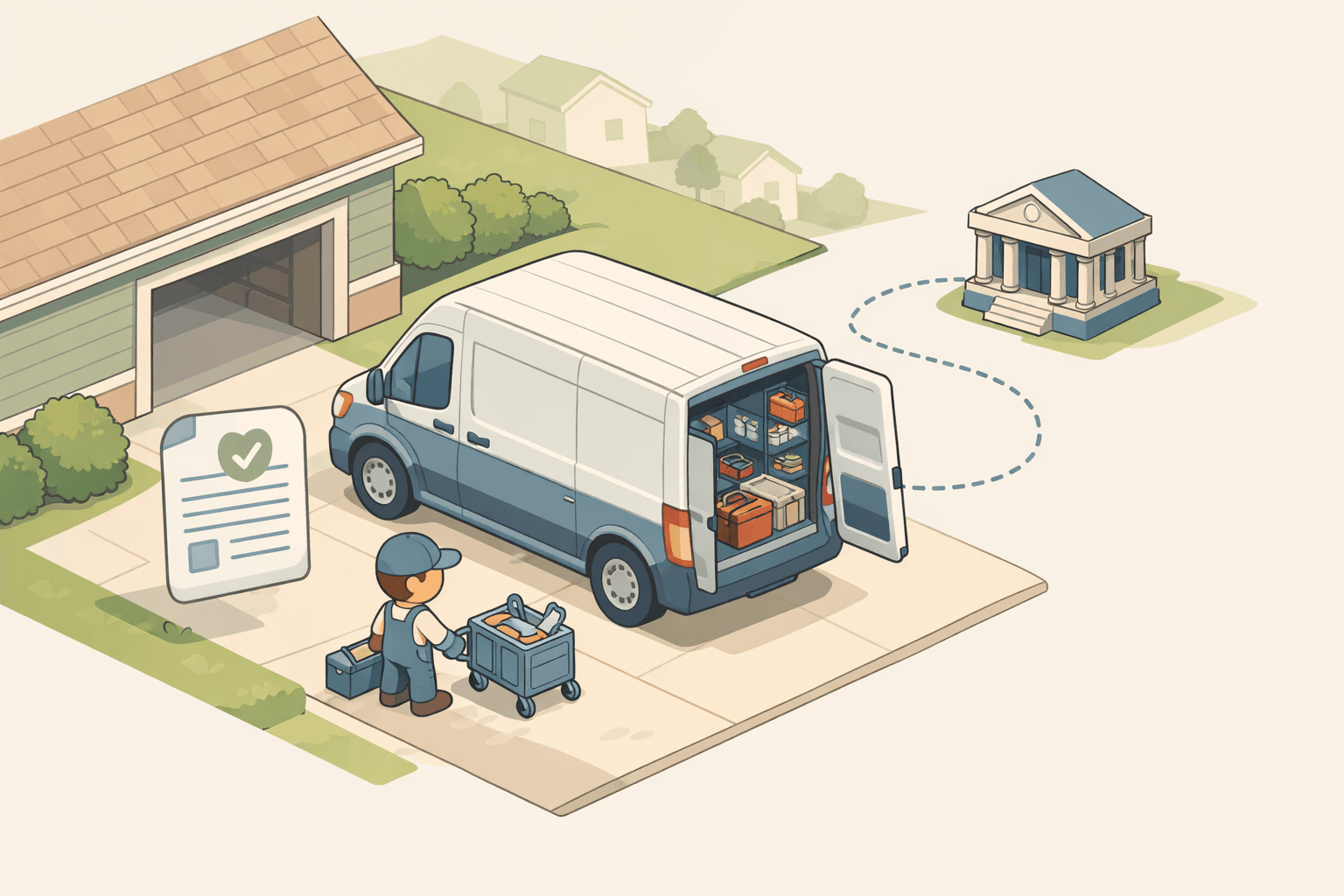
Starting a freelance mobile mechanic business is an exciting move. You get to be your own boss, set your own schedule, and bring your skills directly to customers wherever they are. But before you can turn a wrench for your first paying client, you need one critical piece of equipment: a reliable service van. That van isn't just a vehicle — it's your rolling workshop, your storefront, and your brand all in one. The challenge, of course, is that a well-equipped service van can cost a significant amount of money upfront. That's where understanding your startup loan options for a freelance mobile mechanic needing service van funding becomes absolutely essential. Whether you're a seasoned technician branching out on your own or a skilled entrepreneur entering the auto repair space, this guide walks you through the financing landscape so you can make a smart, confident decision.
Why a Service Van Is the Foundation of Your Mobile Mechanic Business
For a freelance mobile mechanic, the service van isn't optional — it's the core asset that makes the business possible. Unlike a traditional auto repair shop, your van must carry your diagnostic equipment, hand tools, power tools, spare parts inventory, and safety gear. It also needs to project professionalism to every customer you visit.
When you're evaluating van options, you'll likely encounter a range of costs. A used cargo van in good working condition might start around a few thousand dollars, while a newer, fully outfitted professional service van could run well into the tens of thousands. Add the cost of custom shelving, equipment, and a vehicle wrap, and your total startup costs can grow quickly.
This is why many new mobile mechanics turn to business financing rather than paying everything out of pocket. The right loan can help you get a quality van sooner, preserve your cash reserves, and allow you to scale your business from day one. Understanding which loan types are available — and which ones you're most likely to qualify for as a new entrepreneur — is the first real step toward launching successfully.
Common Startup Loan Options for a Freelance Mobile Mechanic Needing Service Van Funding
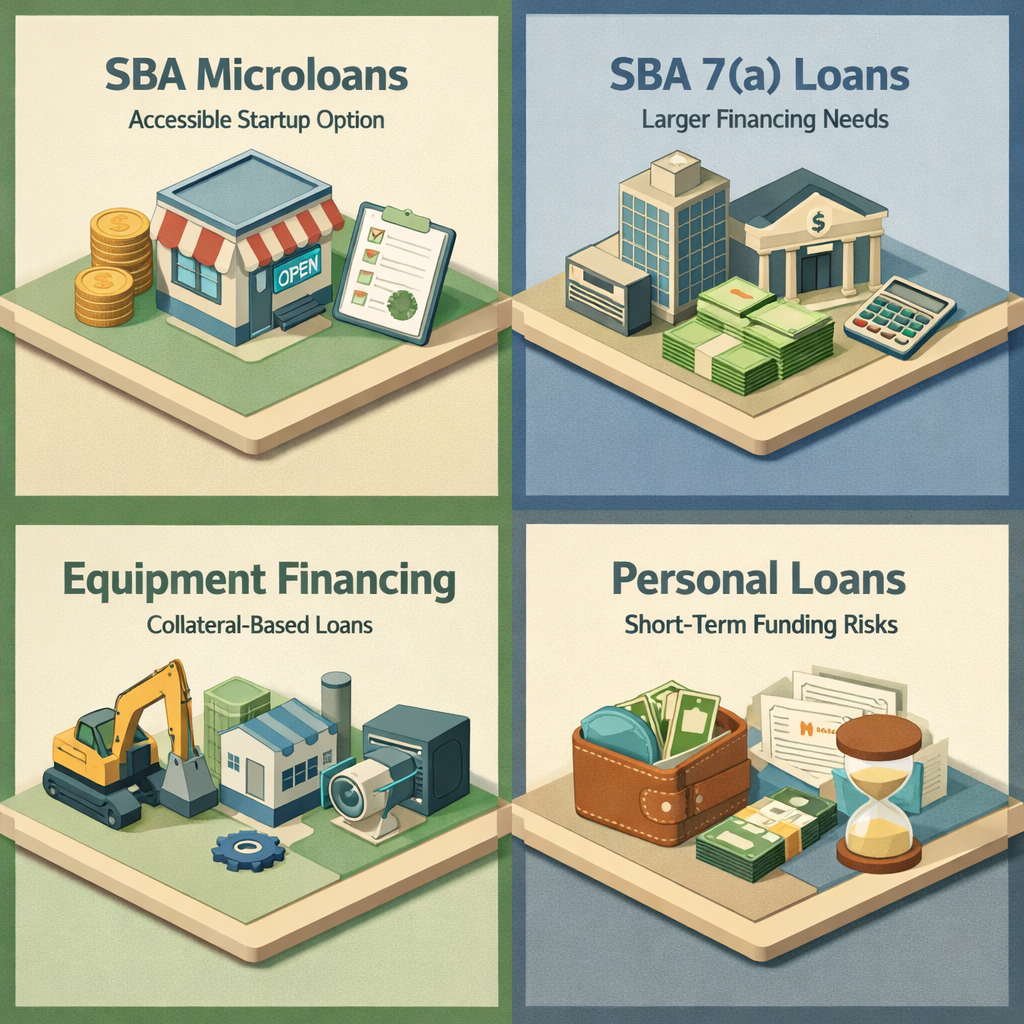
There's no single loan product designed exclusively for mobile mechanics, but several financing programs are well-suited to your situation. Here's a breakdown of the most relevant startup loan options you may want to explore:
SBA Microloans
The Small Business Administration's Microloan program is often considered one of the most accessible options for brand-new entrepreneurs. Through this program, eligible borrowers may receive up to $50,000 through nonprofit intermediary lenders. Microloans are typically designed for startups and small businesses that don't yet have the credit history or revenue track record required by traditional banks. For a freelance mobile mechanic, a microloan could cover the cost of a used van, basic tooling, and initial operating expenses.
Keep in mind that microloan lenders often require a business plan and may expect some form of collateral or personal guarantee. Interest rates and terms vary by lender, but the program is generally structured to support early-stage businesses that might not qualify elsewhere.
SBA 7(a) Loans
If your financing needs are larger — for example, if you want to purchase a newer van and invest in professional-grade equipment — an SBA 7(a) loan might be worth exploring. These loans can go up to $5 million, though most startup borrowers would apply for a fraction of that amount. SBA 7(a) loans are partially guaranteed by the federal government, which makes lenders more willing to work with borrowers who have limited business history.
Qualifying for a 7(a) loan as a startup can be more challenging. Lenders will likely evaluate your personal credit score, any industry experience you bring, and the strength of your business plan. Having a solid plan that outlines your target market, pricing strategy, and projected revenue could meaningfully improve your chances.
Equipment and Asset-Based Financing
Because a service van is a tangible, valuable asset, equipment financing may be one of the most practical routes for a freelance mechanic startup. With this type of loan, the van itself often serves as collateral, which can make it easier to qualify even with limited credit history. Lenders in this space understand the asset value of commercial vehicles and may offer more flexible terms as a result.
Equipment loans typically cover a percentage of the asset's purchase price, and repayment terms are often aligned with the expected useful life of the equipment. This structure may make monthly payments more manageable compared to an unsecured personal or business loan.
Personal Loans for Business Use
Some new entrepreneurs fund early-stage business expenses using personal loans, particularly if they have strong personal credit but haven't yet established a business credit profile. While this can be a workable short-term solution, it does come with some risks. Personal loans generally carry higher interest rates than secured business loans, and using personal credit for business purposes can affect your personal debt-to-income ratio — which matters if you ever plan to apply for a mortgage or other personal financing.
How Your Credit Profile Affects Freelance Mechanic Startup Loan Approval
For startup borrowers, personal credit often plays a larger role than it does for established businesses. Since your new mobile mechanic business doesn't yet have years of revenue or a business credit score, lenders will typically look closely at your personal financial history to assess risk.
Here are some of the factors that may influence your loan eligibility:
- Personal credit score: A higher score generally opens the door to better rates and more loan options. Many SBA and equipment lenders prefer scores in the mid-600s or higher, though some programs may work with lower scores depending on other qualifying factors.
- Debt-to-income ratio: Lenders want to see that your existing debts are manageable relative to your income. If you're currently employed as a mechanic and applying for startup funding, your income history may help demonstrate stability.
- Business plan quality: A well-written business plan that clearly outlines your services, target customers, pricing, and financial projections can make a significant difference, especially with SBA lenders and nonprofit microloan programs.
- Industry experience: Having verifiable experience as a mechanic — whether through employment, certifications, or training — may help lenders feel more confident in your ability to generate revenue from the business.
It's worth checking your credit report before applying for any loan. Correcting errors and paying down existing balances, if possible, could improve your standing and potentially lead to better loan terms.
Building a Business Plan That Supports Your Van Financing Application
Many first-time business borrowers underestimate how important a business plan can be during the loan application process. For startup lenders — especially SBA microloan intermediaries — the business plan is often the primary tool they use to evaluate whether your business idea is viable and whether you're likely to repay the loan.
A strong business plan for a freelance mobile mechanic startup might include the following components:
- Executive summary: A brief overview of your business concept, the services you'll offer, and your target market.
- Market analysis: Research on demand for mobile mechanic services in your area, your competition, and any gaps in the market you plan to fill.
- Services and pricing: A clear description of what services you'll provide — oil changes, brake jobs, diagnostics, etc. — and how you'll price them competitively.
- Startup cost breakdown: An itemized list of what you need to launch, including the van, tools, insurance, licenses, and marketing. This is where your van financing request connects directly to your business goals.
- Revenue projections: Realistic estimates of how many customers you expect to serve per week or month, your average ticket price, and how long it may take to break even.
- Repayment plan: A clear explanation of how loan payments will fit into your projected cash flow.
Taking the time to build this document thoughtfully could genuinely improve your chances of approval and help you start your business on a more organized, strategic foundation.
Alternative Funding Sources Worth Considering for New Mobile Mechanics
If traditional loans aren't immediately accessible — perhaps because you're very early in your credit-building journey or don't yet have a formal business structure — there are some alternative paths that may help you get started or bridge the gap while you build toward conventional financing.
Nonprofit and Community Development Lenders
Community Development Financial Institutions (CDFIs) and local nonprofit lenders often serve entrepreneurs who don't qualify through traditional banks. These organizations may offer smaller loans with more flexible underwriting, and some specifically focus on supporting minority entrepreneurs, veterans, or residents of economically underserved areas. If you fall into any of these categories, it could be worth reaching out to see what programs might be available in your community.
Business Credit Cards
For smaller startup expenses — like initial tool purchases or business registration fees — a business credit card might serve as a useful short-term tool. Some cards offer introductory 0% APR periods that could let you spread costs over several months without interest. However, relying on credit cards for large purchases like a van is generally not advisable due to the high ongoing interest rates once promotional periods end.
Vendor Financing and Dealer Programs
Some commercial van dealerships offer in-house financing or work with lenders who specialize in commercial vehicle loans. These programs may have more flexible qualification criteria than traditional business lenders, particularly if you're purchasing a used vehicle. It's worth asking dealerships directly what financing options they have available for new business buyers.
Savings and Personal Investment
Many small business lenders — especially SBA programs — prefer to see that the borrower has some personal financial stake in the business. Contributing your own savings toward the van purchase, even a portion of the total cost, may improve your loan application and reduce the amount you need to borrow. It also demonstrates to lenders that you're financially committed to the venture's success.
Steps to Take Before Applying for a Freelance Mechanic Startup Loan
Preparation can make a meaningful difference in the outcome of your loan application. Before you submit anything, consider working through the following checklist:
- Register your business: Setting up a formal business structure — such as a sole proprietorship or LLC — may be required by some lenders and can also help protect your personal assets. Check your local and state requirements for mobile mechanic businesses.
- Get your licenses and insurance in order: Most lenders want to see that you're operating legally. A commercial auto insurance policy for your service van funding and any required mechanic or contractor licenses in your area should be in place or at least in progress.
- Open a dedicated business bank account: Separating your business and personal finances makes you look more professional to lenders and simplifies your bookkeeping from day one.
- Research lenders specific to your loan type: Not every lender offers microloans or equipment financing for startups. Spending time identifying lenders who specifically work with new businesses in your industry or loan category can save you time and rejection letters.
- Gather your documentation: Typical documents might include government-issued ID, your business plan, personal tax returns, bank statements, and any professional certifications or licenses.
Taking a methodical approach before you apply not only improves your odds of approval — it also positions you as a prepared, serious borrower, which lenders genuinely appreciate.
●Conclusion
Launching a freelance mobile mechanic business is a genuinely rewarding path for skilled automotive professionals who want to work on their own terms. The service van is the cornerstone of that business, and funding it wisely is one of the most important decisions you'll make as an early-stage entrepreneur. From SBA microloans and equipment financing to community lenders and dealer programs, the startup loan options for a freelance mobile mechanic needing service van funding are more varied than many new business owners realize.
The key is to approach the process with preparation: know your credit profile, build a solid business plan, and research lenders who understand the needs of startup borrowers. At LoanWise, we're here to help small business owners and entrepreneurs navigate the lending landscape with clarity and confidence. Whether you're ready to apply today or still mapping out your path, exploring your options early gives you the best chance of securing the funding you need to hit the road running.