
Starting a freelance mobile dog grooming business is an exciting venture. Pet ownership continues to grow across the country, and demand for convenient, at-home grooming services has never been stronger. But before you can book your first appointment, you'll need a fully equipped, specialized grooming van — and that's where financing comes in. Understanding the startup loan options for a freelance mobile dog grooming business needing a specialized van can make the difference between getting your business off the ground quickly or waiting years to save enough capital. In this guide, we'll walk through the most practical funding paths available to new mobile grooming entrepreneurs, so you can choose the option that fits your situation best.
Why a Specialized Grooming Van Changes Everything
A standard cargo van simply won't cut it for professional mobile dog grooming. A proper grooming van typically needs to be outfitted with a water tank system, a hydraulic or electric grooming table, a dog bathing tub, a high-velocity dryer, cabinetry for grooming tools, and a generator or power hookup. These upgrades can add significant cost on top of the base vehicle price.
Depending on the size of the van and the level of customization, a fully outfitted mobile grooming unit could cost anywhere from $30,000 to over $100,000 when you factor in both the vehicle and the specialized buildout. For most freelance entrepreneurs just starting out, that's not a cost that can be covered from personal savings alone — which is exactly why exploring startup loan mobile dog grooming van financing is so important from day one.
Beyond the van itself, new business owners should also budget for business registration, liability insurance, grooming supplies, marketing, and a few months of operating reserves. Lenders will often want to see that you've thought through these costs, so having a detailed business plan ready is a smart first move before approaching any funding source.
SBA Microloans: A Practical Starting Point for New Entrepreneurs
The U.S. Small Business Administration (SBA) Microloan program is one of the most accessible options for startup borrowers who need a smaller amount of capital. SBA Microloans are designed specifically for newer businesses and can provide up to $50,000 in funding, though the average loan is closer to $13,000. For a freelance groomer who already owns a suitable van and primarily needs funds for the interior buildout, equipment, and working capital, this could be a strong fit.
These loans are issued through SBA-approved nonprofit intermediary lenders, and many of these organizations also offer business counseling and technical assistance — a real bonus for first-time business owners. Interest rates and terms vary by intermediary, but they're generally considered reasonable for startup-stage borrowers. Because these lenders work frequently with underserved entrepreneurs, they may be more flexible on credit requirements than traditional banks, though approval is never guaranteed.
To apply, you'll typically need a solid business plan, basic financial projections, and documentation of any relevant experience — such as grooming certifications or prior employment in the pet care industry. Demonstrating your knowledge of the market can strengthen your application considerably.
Equipment Financing: Putting the Van to Work as Collateral
Equipment financing is one of the most natural fits for a mobile dog grooming startup. With this type of loan, the equipment or vehicle itself serves as collateral, which often makes approval more accessible for borrowers who don't yet have an established business credit profile. Lenders feel more comfortable extending credit when there's a tangible, valuable asset backing the loan.
For a mobile grooming entrepreneur, equipment financing could cover the purchase of the van, the grooming buildout components, or both — depending on how the lender structures the loan. Terms typically range from two to seven years, and interest rates will vary based on your personal credit score, the lender, and the age or condition of the equipment being financed.
One advantage of equipment loans is that they tend to have a more straightforward application process than some other business loan types. Many online lenders and specialty equipment financing companies work with startups, though some may require at least a few months of business history or a minimum credit score. It's worth shopping around and comparing offers, since terms can differ quite a bit from one lender to another.
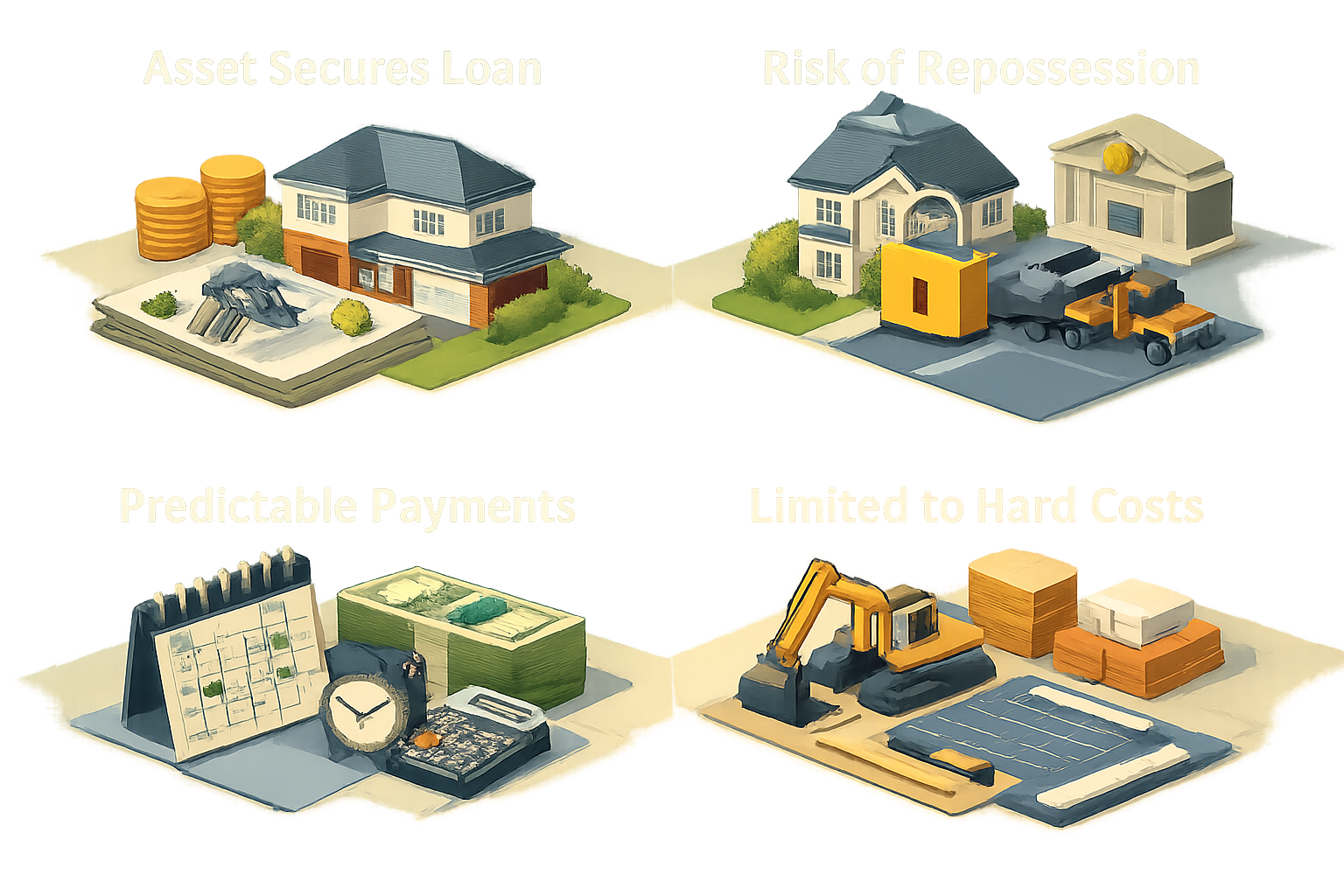
- Pros: The asset secures the loan, which may improve approval odds
- Pros: Fixed monthly payments make budgeting predictable
- Cons: If you default, the lender can repossess the van or equipment
- Cons: May not cover soft costs like insurance or supplies
SBA 7(a) Loans: Broader Coverage for a Growing Business Plan
If you need a larger loan that covers not just the van but also working capital, marketing, and other startup costs, the SBA 7(a) loan program is worth exploring. This is the SBA's most popular and flexible loan program, offering up to $5 million in funding — though startup borrowers would typically apply for much smaller amounts.
SBA 7(a) loans can be used for a wide range of business purposes, including purchasing equipment, buying inventory, covering operating expenses, and even refinancing existing debt in some cases. This flexibility makes it a strong option if you want one loan to handle multiple startup needs at once. Loan terms can extend up to 10 years for working capital loans and longer for real estate or equipment, which can help keep monthly payments manageable for a new business still building its client base.
The trade-off is that SBA 7(a) loans tend to have a more involved application process. Lenders will typically want to review your personal credit history, your business plan, financial projections, and sometimes collateral. As a startup, you may also be asked to provide a personal guarantee, meaning your personal assets could be at risk if the business doesn't perform. That said, for entrepreneurs with strong credit and a well-prepared plan, the SBA 7(a) program can be one of the most affordable borrowing paths available.
Personal Loans and Business Credit Cards as Bridge Financing
When traditional business loans aren't yet accessible — perhaps because you haven't registered your business long enough or your revenue history is limited — personal loans and business credit cards can serve as bridge financing tools. These options rely primarily on your personal creditworthiness rather than your business profile, making them more reachable for day-one startups.
A personal loan from a bank, credit union, or online lender could provide a lump sum that you use toward a down payment on the van or to cover startup equipment costs. Interest rates vary widely depending on your credit score, but borrowers with good-to-excellent credit may find competitive rates. It's important to note that mixing personal and business finances carries risks, including potential complications at tax time, so consulting with an accountant before this route is a wise step.
Business credit cards, on the other hand, are better suited for smaller recurring purchases — grooming supplies, fuel, marketing subscriptions — rather than a large equipment purchase. Some cards offer introductory 0% APR periods that could help you manage cash flow in your first few months. Many also come with rewards programs relevant to business spending. Just be mindful that carrying a large balance beyond any promotional period can result in high interest charges that strain a new business's cash flow.
Grants and Local Small Business Programs Worth Investigating
While grants are less commonly available for for-profit businesses than loans, they're not impossible to find — and unlike loans, they don't need to be repaid. Some local economic development organizations, chambers of commerce, and state small business agencies offer grants or low-interest loan programs targeted at entrepreneurs in specific industries or communities. Women-owned businesses, minority-owned businesses, and veterans may have access to additional dedicated funding pools.
For a freelance mobile dog grooming startup, it's worth spending time researching what's available in your specific city or state. Some communities actively support small, service-based businesses as part of broader economic development goals. Organizations like SCORE — a nonprofit network of volunteer business mentors — can help you identify local resources and prepare your applications at no cost.
Additionally, some pet industry associations or trade groups occasionally offer small business support, scholarships, or low-cost financing resources to members. Joining a professional grooming association early in your startup journey may open doors beyond just funding, including continuing education, client referrals, and industry credibility that can strengthen future loan applications.
How to Strengthen Your Loan Application Before You Apply
Regardless of which funding path you pursue, the strength of your application will play a major role in approval odds and the terms you're offered. Here are some practical steps to take before you submit any loan application for your startup loan options for a freelance mobile dog grooming business needing a specialized van:
- Build or repair your personal credit: Most startup loan options rely heavily on your personal credit score. Aim for a score of at least 650, though higher is always better.
- Create a detailed business plan: Include your target market, pricing structure, projected monthly revenue, startup costs, and a competitive analysis of grooming services in your area.
- Obtain relevant certifications: Grooming certifications from recognized organizations can signal professionalism and reduce perceived lender risk.
- Get quotes in writing: Having documented estimates for the van purchase and buildout shows lenders you've done your homework and know exactly how funds will be used.
- Open a dedicated business bank account: Even before revenue starts, keeping business finances separate demonstrates organization and builds a paper trail that lenders appreciate.
- Reduce existing personal debt: Lowering your debt-to-income ratio before applying can improve both your approval odds and the interest rate you're offered.
Taking these steps may not guarantee approval, but they can meaningfully improve your position as a borrower and help you secure more favorable loan terms when you do apply.
●Conclusion
Launching a freelance mobile dog grooming business is a realistic and rewarding goal — but it does require thoughtful financial planning, especially when a specialized grooming van is central to your operations. The good news is that there are multiple financing paths worth exploring, from SBA Microloans and equipment financing to SBA 7(a) programs and personal credit options. Each comes with its own trade-offs, and the best choice will depend on your credit profile, the total amount you need, and how quickly you want to launch. By preparing a strong business plan, understanding your financing options, and working with knowledgeable lenders, you can put yourself in the best possible position to turn your passion for pets into a thriving business. At LoanWise, we're here to help small business owners and entrepreneurs navigate the lending landscape with confidence — reach out today to explore which options may be right for your startup journey.