
Running a craft brewery is a labor of love — but it's also a business with real financial pressures. If your taproom fills up every fall for Oktoberfest and slows down in February, you already know how unpredictable revenue can be. That's exactly why so many brewery owners explore working capital financing to bridge the gap between busy seasons. Whether you're stocking up on hops and malt before a peak period or trying to cover payroll during a slow stretch, understanding how to get a working capital loan for a seasonal craft brewery could make the difference between staying afloat and falling behind. This guide breaks down what lenders look for, which loan products may fit best, and how to put your best foot forward when applying.
Why Seasonality Creates Cash Flow Challenges for Craft Breweries
Craft breweries often experience dramatic swings in revenue depending on the time of year. Warm-weather months, holiday seasons, and local festivals might drive strong taproom traffic and wholesale orders, while colder or slower months can leave shelves full and bank accounts thin. This is a core challenge tied to working capital loan craft brewery seasonality — the need to manage expenses that don't pause just because customers do.
Operating costs such as rent, utilities, ingredient sourcing, and staff wages continue regardless of sales volume. On top of that, production timelines in brewing can stretch weeks or months ahead of when product actually hits shelves or taps. That means breweries often need to spend money well before they earn it back. Without a financial cushion or access to flexible financing, even a well-run brewery can find itself in a tight spot.
Small business owners in the craft beverage space may also face additional pressures like equipment maintenance, licensing renewals, and distribution contracts — all of which carry costs that don't align neatly with peak revenue periods. Understanding these dynamics is the first step toward choosing the right financing solution.
What Is a Working Capital Loan and How Does It Apply to Breweries
A working capital loan is a short- to medium-term financing product designed to cover a business's day-to-day operational expenses rather than long-term assets like real estate or equipment. For a craft brewery, this type of funding might go toward purchasing raw ingredients in bulk before a busy season, covering payroll during a slow quarter, paying for marketing ahead of a product launch, or managing cash flow between wholesale invoices.
Unlike traditional term loans used to purchase equipment or real estate, working capital loans are typically structured to be repaid within a shorter window — often six months to two years. This makes them particularly well-suited for businesses with predictable seasonal cycles, since the loan can ideally be repaid once peak revenue arrives.
It's worth noting that working capital financing comes in several forms. Business lines of credit, short-term loans, SBA loans, merchant cash advances, and invoice financing are all options that brewery owners might consider depending on their specific cash flow needs and eligibility. Each product carries different terms, costs, and qualification requirements.
Loan Options That May Work Best for Seasonal Craft Brewery Owners
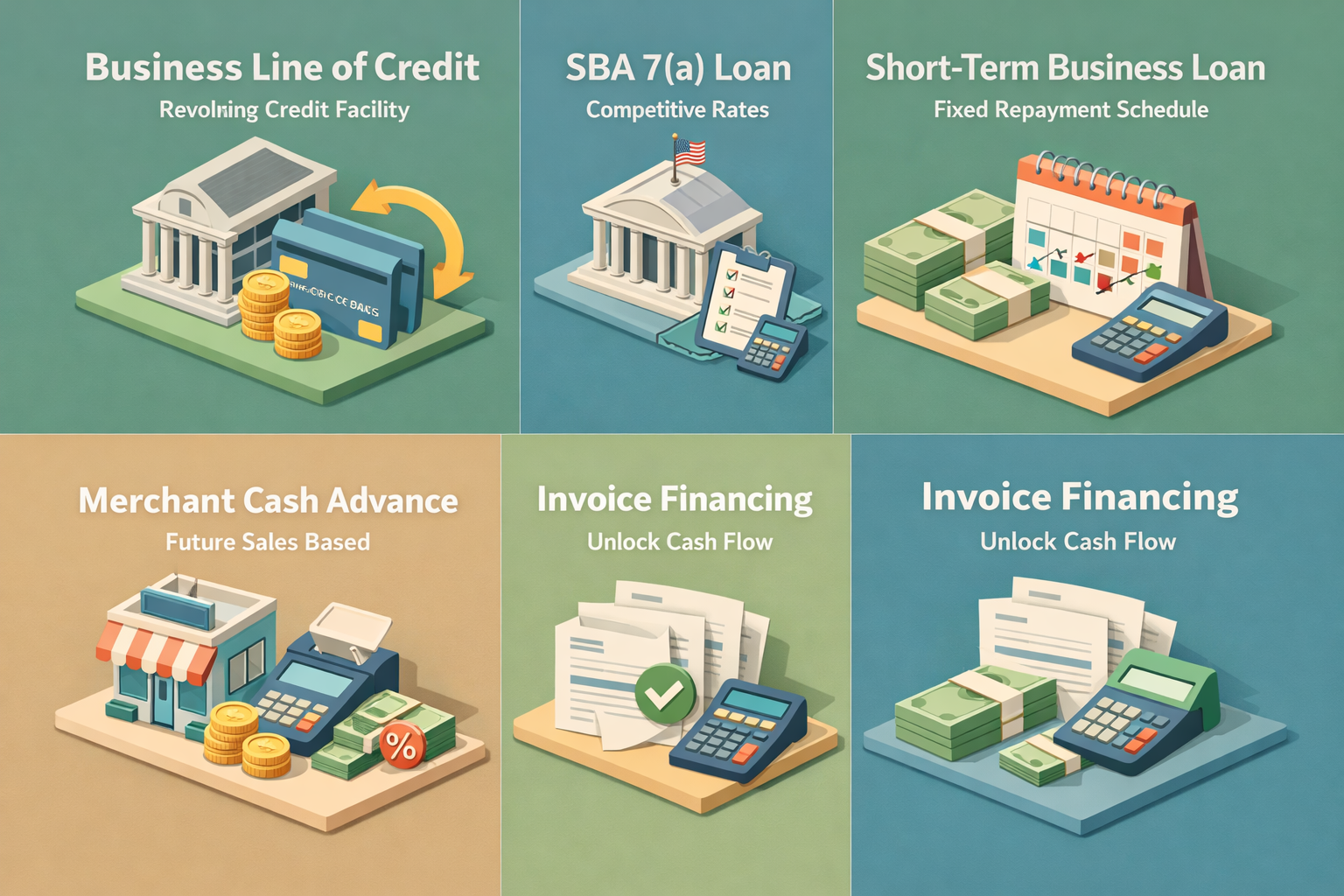
Choosing the right loan product depends largely on your brewery's financial profile and what you need the funds for. Here's a look at some common options worth exploring:
- Business Line of Credit: A revolving credit facility that lets you draw funds as needed and repay them over time. This could be a strong fit for seasonal businesses because you only borrow what you need, when you need it, and interest typically accrues only on the outstanding balance.
- SBA 7(a) Loan: The Small Business Administration's flagship loan program may offer competitive rates and longer repayment terms. Some lenders use SBA 7(a) loans to provide working capital to small business owners, including those in the food and beverage industry. The application process can be more involved, but the terms may be more favorable.
- Short-Term Business Loan: A lump sum loan with a fixed repayment schedule, often six to eighteen months. This might work well if you need a specific amount to cover pre-season inventory purchases and expect revenue to recover by a known date.
- Merchant Cash Advance (MCA): An advance based on future sales, repaid as a percentage of daily or weekly revenue. While accessible and fast, MCAs often carry higher costs and may not be the most economical choice for breweries with the credit profile to qualify for bank financing.
- Invoice Financing: If your brewery sells to distributors or retailers on net terms, invoice financing lets you unlock cash tied up in unpaid invoices. This could smooth cash flow without taking on traditional debt.
Each option has trade-offs. Consulting with a knowledgeable lender or financial advisor who understands the craft beverage industry could help you identify which product aligns best with your goals.
What Lenders Typically Look for When Evaluating Brewery Loan Applications
When you approach a lender about how to get a working capital loan for a seasonal craft brewery, they'll likely evaluate several key factors before making a decision. Understanding what they're looking for can help you prepare a stronger application.
Business Credit and Personal Credit Scores
Most lenders will review both your business credit profile and your personal credit score, especially if your brewery is a smaller operation where personal finances are closely tied to the business. A stronger credit history may open the door to better rates and terms. If your scores need improvement, it may be worth taking time to address outstanding issues before applying.
Time in Business and Revenue History
Lenders generally prefer to work with businesses that have an established operating history. Many require at least one to two years in business, and some may ask for two or more years of tax returns or financial statements. Seasonal revenue patterns should be clearly documented so lenders can see the predictable nature of your cash flow cycle rather than interpreting low-revenue months as instability.
Debt Service Coverage and Cash Flow
Lenders want to know that your brewery can realistically repay the loan. They'll often look at your debt service coverage ratio — a measure of how much cash flow you have available relative to your debt obligations. Demonstrating that your peak season generates enough revenue to cover repayment is a compelling part of your case.
Industry-Specific Considerations
Some lenders may view the craft beverage space as a higher-risk niche due to market competition and perishability of product. Others may specialize in food and beverage lending and have a more nuanced view. Seeking out lenders who have experience with small breweries or hospitality businesses could work in your favor.
How to Prepare Your Application and Financial Documentation
A well-prepared application can meaningfully improve your chances of approval. Here are the documents and details you'll likely want to have ready:
- Business and personal tax returns for the past two to three years
- Year-to-date profit and loss statements and balance sheets
- Bank statements for the past three to six months
- A clear explanation of your seasonal revenue cycle, ideally with month-by-month revenue data showing peak and off-peak periods
- A brief business plan or use-of-funds statement explaining exactly how the loan proceeds will be used and how you plan to repay the loan
- Brewery licenses and permits to confirm you're operating legally
Being transparent about your seasonal patterns is especially important. Lenders who understand your business model are better positioned to structure a loan that works for you. For example, some lenders may be open to deferred payment structures or flexible repayment schedules aligned with your peak season — but only if you clearly communicate your cash flow timeline upfront.
It's also a good idea to shop around. Different lenders — including community banks, credit unions, online lenders, and SBA-approved lenders — may offer meaningfully different terms. Comparing multiple options before committing could save your brewery significant money over the life of the loan.
Smart Strategies to Strengthen Your Borrowing Position
Beyond documentation, there are proactive steps brewery owners can take to improve their odds of qualifying for favorable financing terms.
Build a Business Credit Profile Early
If you haven't already established a separate business credit profile, doing so could make a meaningful difference. Opening a dedicated business checking account, obtaining a business credit card, and ensuring vendors report payment history to business credit bureaus are foundational steps that may improve your creditworthiness over time.
Maintain Clean and Organized Financials
Lenders look favorably on businesses that keep organized records. Using accounting software designed for small businesses can make it easier to generate accurate financial reports quickly — and it signals professionalism and fiscal discipline to potential lenders.
Apply Before You Desperately Need the Money
One of the most common mistakes small business owners make is waiting until cash flow has already dried up before seeking financing. Applying proactively — ideally a few months before your slow season begins — gives you negotiating leverage and more time to compare offers without urgency clouding your judgment.
Consider Collateral Options
Some working capital loans are unsecured, while others may require collateral such as equipment, inventory, or business assets. Understanding what you could offer as collateral, if needed, may expand your financing options and potentially improve your loan terms.
●Conclusion
Seasonal cash flow challenges are a reality for many craft brewery owners, but they don't have to derail your business. Knowing how to get a working capital loan for a seasonal craft brewery puts you in a much stronger position to plan ahead, manage costs, and keep operations running smoothly between peaks. Whether a business line of credit, an SBA loan, or another product turns out to be the right fit, the key is understanding your options, preparing thoroughly, and working with lenders who understand your industry. At LoanWise, we're here to help small business owners and entrepreneurs navigate the lending landscape with confidence. Reach out today to explore working capital solutions tailored to your brewery's unique rhythm.