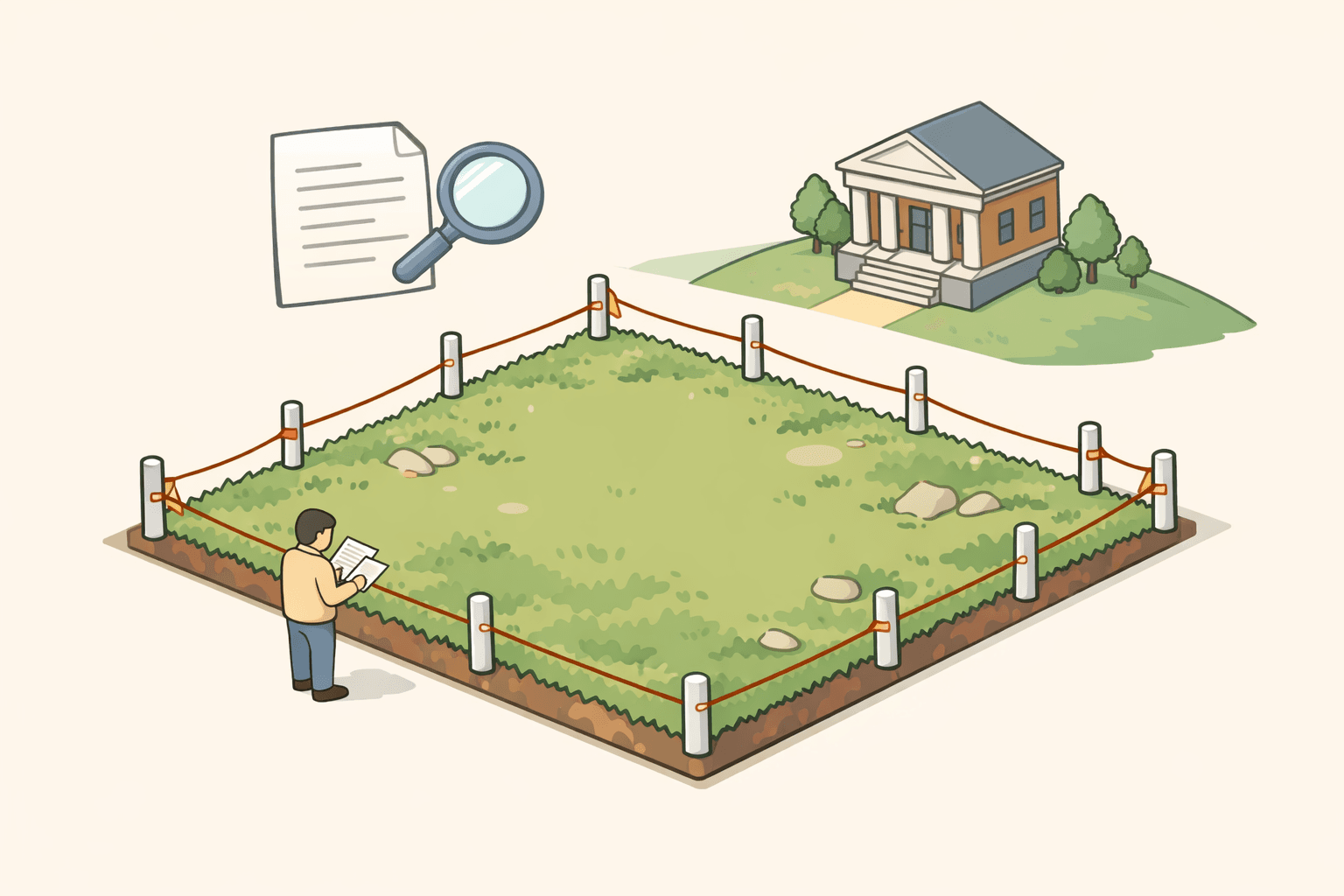
Inheriting a piece of vacant land can feel like a valuable opportunity — but when it comes time to finance improvements or leverage that land through a conventional mortgage, many borrowers are caught off guard by the hurdles involved. The requirements for conventional loan with inherited vacant land and no structures differ significantly from standard home purchase loans, and understanding what lenders expect upfront could save you considerable time and frustration. Whether you're planning to build, sell, or hold the property, this guide walks you through everything you need to know to approach lenders with confidence.
Why Inherited Vacant Land Is a Different Lending Scenario
When most people think of a conventional loan, they picture a home purchase — a property with a foundation, walls, and a roof. Vacant land, especially land with no structures at all, doesn't fit neatly into that model. Traditional conventional loans are designed to be secured by an existing residential dwelling, and without one, lenders face a different kind of collateral risk.
Inherited land adds another layer of complexity. The title may pass through probate, involve multiple heirs, or carry unresolved liens or encumbrances from the original owner's estate. Before any lender will consider financing, the title must be clear and in the borrower's name — not the estate's. This can sometimes take months to resolve, depending on the state and whether a will was in place.
It's also worth understanding that conventional loans backed by Fannie Mae or Freddie Mac typically require the property to be "habitable" or intended for residential use with existing improvements. Raw land with no utilities, no access roads, and no planned development may not qualify at all under standard guidelines. That's why knowing the specific requirements for conventional loan with inherited vacant land and no structures is so important before you begin the application process.
Conventional Loan Eligibility for Inherited Property: The Basics
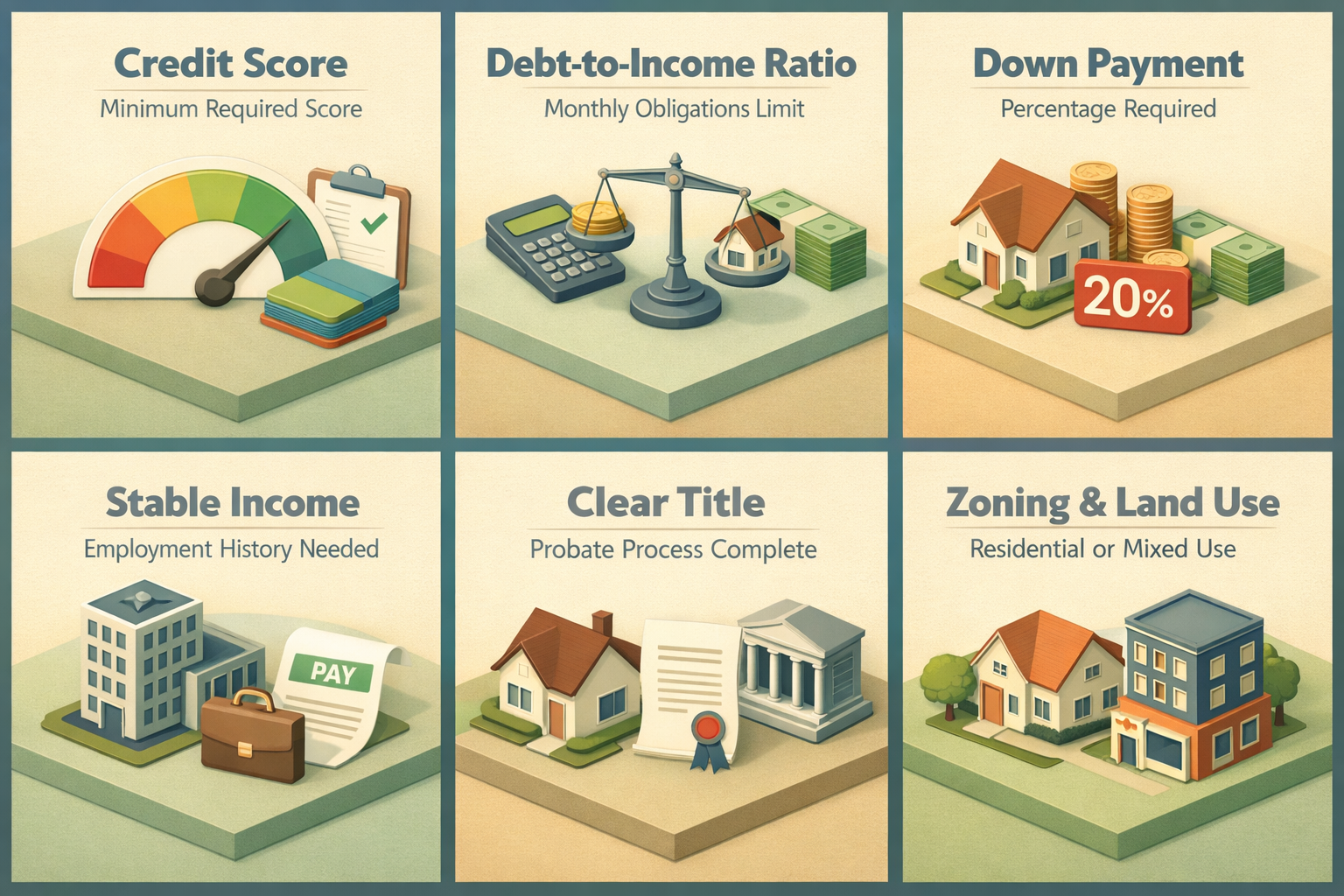
Conventional loan eligibility inherited property generally follows the same borrower-side standards that apply to any mortgage. Lenders will evaluate your credit score, debt-to-income ratio (DTI), employment history, and overall financial profile. However, the property itself must also meet certain standards — and this is where vacant land can become problematic.
Here are the core borrower qualifications you'll typically need to meet:
- Credit score: Most conventional lenders require a minimum credit score of 620, though some may prefer 660 or higher for land-related transactions due to perceived risk.
- Debt-to-income ratio: Your total monthly debt obligations, including the proposed loan payment, should generally stay below 43% to 45% of your gross monthly income.
- Down payment: Standard conventional loans may require as little as 3% to 5% down for primary residences with structures, but land loans often require larger down payments — sometimes 20% to 35% or more.
- Stable income and employment: Lenders want to see consistent income history, typically at least two years of steady employment or self-employment documentation.
- Clear title in your name: Because the land was inherited, you'll need to show that the probate process is complete and title has transferred legally to you.
It's important to note that not all conventional lenders offer land-only loans. Many will decline outright if no dwelling exists on the property. Your best path may depend on whether you're planning to build and can apply for a construction-to-permanent loan or whether you're seeking a lot loan through a community bank or credit union.
Understanding Appraisal and Property Standards for Vacant Land
One of the trickiest parts of financing inherited vacant land is the appraisal. For standard home purchases, appraisers use comparable sales of similar homes in the area. With raw land, the appraisal process relies on comparable land sales, which can be far less plentiful — especially in rural areas or markets where land rarely changes hands.
Lenders will want to see that the land has a reasonable market value and that there's a clear, legitimate use for it. Some of the factors that could affect the appraisal and property eligibility include:
- Zoning and land use: The parcel must be zoned for residential or at least mixed use if you're pursuing a conventional loan tied to future residential development.
- Access and utilities: Land with road access and connections to utilities like water, electricity, and sewer tends to be viewed more favorably. Completely raw land with no infrastructure may be seen as higher risk.
- Lot size and configuration: Standard residential lots are generally easier to finance than irregularly shaped parcels, very large acreage, or land with restrictive easements.
- Environmental concerns: If the land has any history of contamination, flooding issues, or protected status, lenders may require additional environmental assessments before approving financing.
- Marketability: Lenders want to know that if they had to foreclose, the property could be sold reasonably quickly. Land in a desirable location is more appealing to lenders than remote, inaccessible parcels.
If the inherited land doesn't appraise at a value sufficient to support the loan amount, you may need to reconsider the financing amount or explore alternative loan structures altogether.
What Fannie Mae and Freddie Mac Guidelines Say About Land Loans
It's worth being direct here: Fannie Mae and Freddie Mac do not purchase standalone land loans. Their guidelines are built around mortgages secured by residential properties with existing improvements. This means that a conventional loan in the traditional sense — one that follows Fannie or Freddie standards — generally cannot be used to finance vacant land by itself.
However, there are some important nuances. If you're purchasing a lot and plan to build a home on it, you may qualify for a construction-to-permanent loan, which converts into a conventional mortgage once the home is completed. In this case, the land is part of a broader transaction that includes the future dwelling. Many lenders offer this product and it can be a practical path for heirs who've inherited land and want to build.
Additionally, some lenders offer lot loans as portfolio products — meaning the lender keeps the loan on their own books rather than selling it to Fannie or Freddie. Community banks, local credit unions, and some regional lenders are more likely to offer these. These loans may come with shorter terms (5 to 15 years is common), higher interest rates than standard mortgages, and stricter down payment requirements.
Understanding this distinction helps clarify why the requirements for conventional loan with inherited vacant land and no structures often push borrowers toward alternative lending channels rather than a standard conforming mortgage.
Handling the Title and Estate Process Before Applying
If you've recently inherited the land, the first step before speaking with any lender is making sure the property is legally yours. This means completing probate or following your state's simplified transfer procedures if the estate qualifies. Until title is formally transferred and recorded in your name, no lender will be able to process a loan application on the property.
Here are some steps to take to ensure title readiness:
- Work with a probate attorney: If the estate is going through probate, an attorney can help expedite the process and ensure the land transfers cleanly.
- Order a title search: Have a title company conduct a thorough search to identify any liens, back taxes, or claims against the property that need to be resolved.
- Get title insurance: Once title is clear, purchasing an owner's title insurance policy protects you — and eventually your lender — against future claims.
- Resolve co-heir issues: If the land was inherited by multiple family members, all parties will need to agree on how the property is handled. One heir buying out others may be necessary before financing can proceed.
- Update property tax records: Make sure county records reflect you as the new owner and that property taxes are current. Delinquent taxes can be a barrier to financing.
Taking these steps proactively can significantly shorten your timeline once you're ready to approach lenders.
Alternative Financing Options Worth Exploring
Since conventional loans through Fannie Mae or Freddie Mac channels aren't typically available for vacant land, it helps to know what other options exist. Depending on your goals for the inherited property, one of the following might be a better fit:
- Lot or land loans from local lenders: As mentioned, community banks and credit unions sometimes offer portfolio land loans. These are more flexible but often carry higher rates and shorter repayment terms.
- Construction-to-permanent loans: If you plan to build, this product finances both the land and the construction, then converts to a standard mortgage once the home is finished. This is often the most practical path for heirs who want to develop the property.
- Home equity loan or HELOC: If you own another property with sufficient equity, you might be able to borrow against it to finance development or improvements on the inherited land.
- USDA loans: In rural areas, USDA programs may offer assistance for building on land in eligible locations, though these programs have their own specific requirements for conventional loan alternatives.
- Seller financing or private lending: While not applicable to inherited property you already own, private money lenders may provide short-term financing for land improvements or pre-construction costs.
Each option comes with trade-offs in terms of cost, flexibility, and risk. It's worth consulting with a mortgage professional who has experience with land transactions to identify the best path for your specific situation.
Tips for Strengthening Your Application Before You Apply
Even if you're pursuing a non-conventional route, strengthening your financial profile will improve your chances of approval and potentially lead to better loan terms. Here are some practical strategies:
- Improve your credit score: Pay down revolving debt and address any errors on your credit report. Even a modest score improvement could open additional lender options.
- Document your plan for the land: Lenders feel more confident when borrowers have a clear, realistic plan — whether that's building a primary residence, a rental property, or selling after development. A site plan, zoning confirmation, or builder contract can all strengthen your file.
- Save a larger down payment: Because land loans carry more risk, coming in with 25% to 35% down demonstrates commitment and reduces the lender's exposure.
- Lower your DTI: Pay off smaller debts before applying to reduce your overall monthly obligations relative to your income.
- Work with an experienced loan officer: Not all mortgage professionals have handled land or inherited property transactions. Seek out someone familiar with these nuances — they'll know which lenders are most likely to work with your situation.
- Get the land surveyed: A current survey confirms the parcel's boundaries and can uncover encroachments or easements that need to be addressed before closing.
Being well-prepared before you apply shows lenders that you're a serious, organized borrower — which can make a real difference in how your application is received.
●Conclusion
Navigating the requirements for conventional loan with inherited vacant land and no structures is genuinely more complex than a standard home purchase, but it's not impossible with the right preparation. The key is understanding that most traditional conforming loans won't apply here, and that your best opportunities likely lie with portfolio lenders, construction-to-permanent products, or alternative financing strategies. By clearing title, improving your borrower profile, and working with experienced professionals, you give yourself the best possible chance of turning your inherited land into a productive asset. At LoanWise, we're here to help you explore your options and connect with lenders who understand the unique challenges of inherited property financing.