Running a tutoring center comes with unique financial demands. Whether you're hiring seasonal staff, purchasing new learning materials, or expanding to a second location, having access to flexible funding can make a significant difference. A business line of credit is one of the most practical financing tools available to small business owners — and tutoring center operators are no exception. Understanding the requirements for business line of credit for a tutoring center can help you prepare a stronger application and improve your chances of approval. This article walks you through what lenders typically look for, how to get your finances in order, and what steps you can take to position your tutoring business for success.
What Is a Business Line of Credit and Why Tutoring Centers Use It
A business line of credit is a revolving financing arrangement that allows you to borrow up to a set limit, repay what you use, and borrow again as needed. Unlike a traditional term loan, you only pay interest on the funds you actually draw — which makes it a flexible and cost-effective option for managing cash flow.
Tutoring centers often experience seasonal revenue patterns. Enrollment may spike during back-to-school seasons or exam prep periods, then slow during summer or holiday breaks. A line of credit can help bridge those revenue gaps, cover payroll during slower months, or fund marketing campaigns ahead of a busy season.
Beyond cash flow management, tutoring center owners might also use a line of credit to:
- Hire and onboard new tutors quickly when demand rises
- Purchase curriculum materials, software licenses, or digital learning tools
- Cover facility costs such as rent, utilities, or minor renovations
- Handle unexpected expenses without disrupting daily operations
Because a line of credit is revolving, it can serve as a reliable financial safety net — one that grows more valuable the longer you maintain it responsibly.
Core Requirements for Business Line of Credit for a Tutoring Center
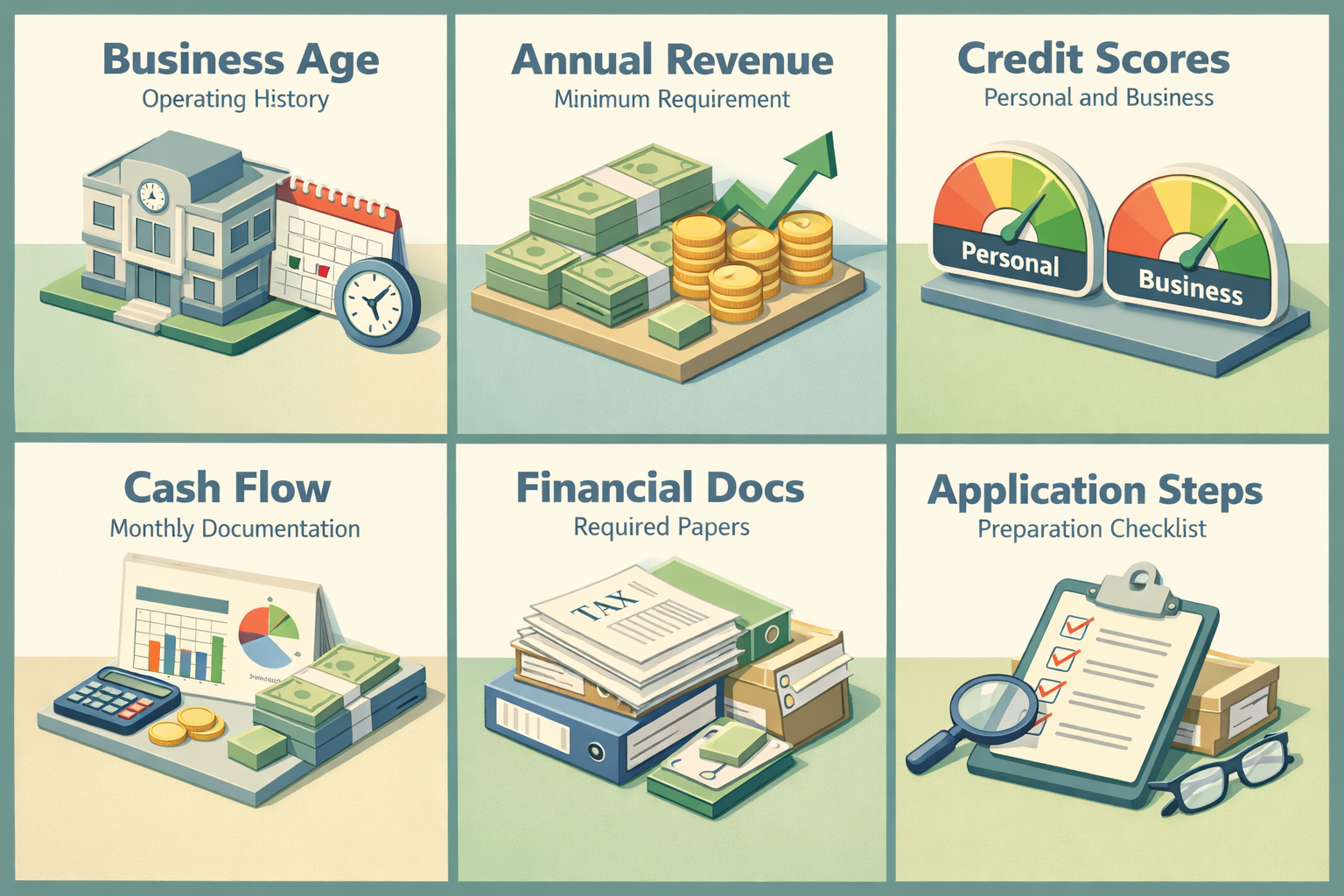
The requirements for business line of credit for a tutoring center generally align with what lenders expect from most small businesses, though some factors may carry more weight depending on your lender type. Here's what you'll typically need to address:
Business Age and Operating History
Most lenders prefer to work with businesses that have been operating for at least one to two years. This history gives lenders confidence that your tutoring center has demonstrated staying power and a stable customer base. Startups or newly opened centers may face more limited options, though some alternative lenders cater specifically to newer businesses.
Annual Revenue Thresholds
Lenders will often set a minimum annual revenue requirement to ensure your tutoring center generates enough income to support repayment. While requirements vary by lender, many traditional banks may look for annual revenues in the range that demonstrates consistent business activity. Alternative or online lenders may have lower thresholds, though they might charge higher interest rates in exchange for that flexibility.
Credit Scores — Business and Personal
Both your personal credit score and your business credit profile may be reviewed during the application process. Strong credit history signals to lenders that you manage debt responsibly. Generally, a personal credit score above 650 may be a reasonable starting benchmark for many lenders, though higher scores could unlock better terms and lower rates. If your business has an established credit profile through a DUNS number or business credit bureau, that information could also strengthen your application.
Cash Flow Documentation
Lenders want to see that your tutoring center generates enough monthly cash flow to service a line of credit. You'll likely be asked to provide bank statements — often three to twelve months' worth — so lenders can evaluate your average monthly deposits and spending patterns. Positive, consistent cash flow is a strong indicator of creditworthiness.
Financial Documents You'll Need to Gather Before Applying
Preparation is one of the most important steps in the application process. Having your financial documents organized and ready to submit can speed up underwriting and demonstrate professionalism to your lender. Here's a general list of what you might need:
- Business bank statements: Typically the past three to twelve months, showing your average monthly revenue and expenses
- Business tax returns: Usually the past one to two years, used to verify reported income
- Profit and loss statements: A current P&L can give lenders a real-time snapshot of your tutoring center's financial health
- Balance sheet: Shows your assets, liabilities, and overall equity position
- Business license and registration: Confirms your tutoring center is legally established and in good standing
- Employer Identification Number (EIN): Required by most lenders for business credit applications
- Articles of incorporation or organization: May be required if your business is structured as an LLC or corporation
Some lenders may also request information about your enrollment numbers, tuition rates, or client contracts — especially if your revenue model is subscription or session-based. The more clearly you can illustrate your revenue streams, the stronger your application may appear.
How Business Structure and Legal Standing Affect Your Approval Odds
The legal structure of your tutoring center can play a role in how lenders evaluate your application. Sole proprietors, LLCs, S-corps, and C-corps may each be treated slightly differently depending on the lender's policies and underwriting criteria.
Operating as a formally registered business entity — such as an LLC — can add credibility to your application. It shows lenders that your tutoring center is treated as a separate legal and financial entity from your personal finances, which is often viewed favorably. It may also help protect your personal assets in the event of a business financial issue.
Additionally, lenders may check whether your business is in good standing with your state, meaning you've filed required annual reports, paid applicable fees, and maintained your registration. Any lapses in good standing could raise red flags during underwriting.
If your tutoring center is a franchise or affiliated with a recognized educational brand, some lenders may view that relationship positively, as it can suggest a more proven operating model and consistent demand for services.
Comparing Lender Types — Banks, Credit Unions, and Online Lenders
Not all lenders evaluate business line of credit applications the same way. Understanding the differences between lender types can help you target the right option for your tutoring center's financial profile.
Traditional Banks
Banks typically offer the most competitive interest rates and the highest credit limits, but they also tend to have the strictest qualification criteria. They may require longer operating history, higher revenue, and excellent credit. The application process can be more time-consuming, but the long-term cost of borrowing may be lower.
Credit Unions
Credit unions are member-owned financial institutions that sometimes offer more flexible underwriting and personalized service compared to large banks. If your tutoring center is located in a community that has a strong local credit union, it may be worth exploring their small business lending programs. Membership requirements will vary.
Online and Alternative Lenders
Online lenders have become increasingly popular among small business owners because they often offer faster approvals and more flexible financing qualification criteria. Some online lenders specialize in working with businesses that have shorter histories or lower revenues. However, this accessibility may come at a cost — interest rates from alternative lenders can be higher, and fee structures may vary significantly. It's important to review all terms carefully before accepting any offer.
Comparing multiple lenders before committing is a smart strategy. Even small differences in interest rate or repayment terms can have a meaningful impact on your tutoring center's cash flow over time.
Steps to Strengthen Your Application Before You Apply
If you're not quite ready to apply — or if you want to improve your chances of landing better terms — there are several proactive steps you can take:
- Build your business credit profile: Open a dedicated business checking account, apply for a business credit card, and make sure vendor accounts report to business credit bureaus. Over time, this builds a credit history separate from your personal finances.
- Reduce existing debt obligations: A lower debt-to-income or debt-service coverage ratio can make your tutoring center appear less risky to lenders. Paying down existing balances before applying may help.
- Improve your personal credit score: Since many lenders still consider personal credit for small business applications, addressing any delinquencies, reducing credit utilization, and disputing errors on your credit report could make a difference.
- Stabilize and document your revenue: If your tutoring center has irregular income, consider implementing subscription-based enrollment packages or multi-session contracts that create more predictable monthly cash flow.
- Work with a financial advisor or business lender: Speaking with a lending professional before you apply can help you understand where you stand and which lenders might be the best fit for your situation.
Taking these steps well in advance of your application — ideally six to twelve months ahead — can significantly improve the quality of your application and the terms you're offered.
●Conclusion
Securing a business line of credit for your tutoring center is an achievable goal when you understand what lenders are looking for and take the time to prepare. The business line of credit tutoring center requirements largely come down to demonstrating financial stability, responsible credit management, and a well-documented business operation. Whether you're a growing tutoring franchise or an independent learning center serving your local community, flexible financing can give you the resources to hire great educators, invest in better tools, and serve more students. At LoanWise, we're here to help small business owners like you navigate the lending landscape with clarity and confidence. Ready to explore your options? Connect with a LoanWise lending specialist today and take the first step toward funding your tutoring center's next chapter.