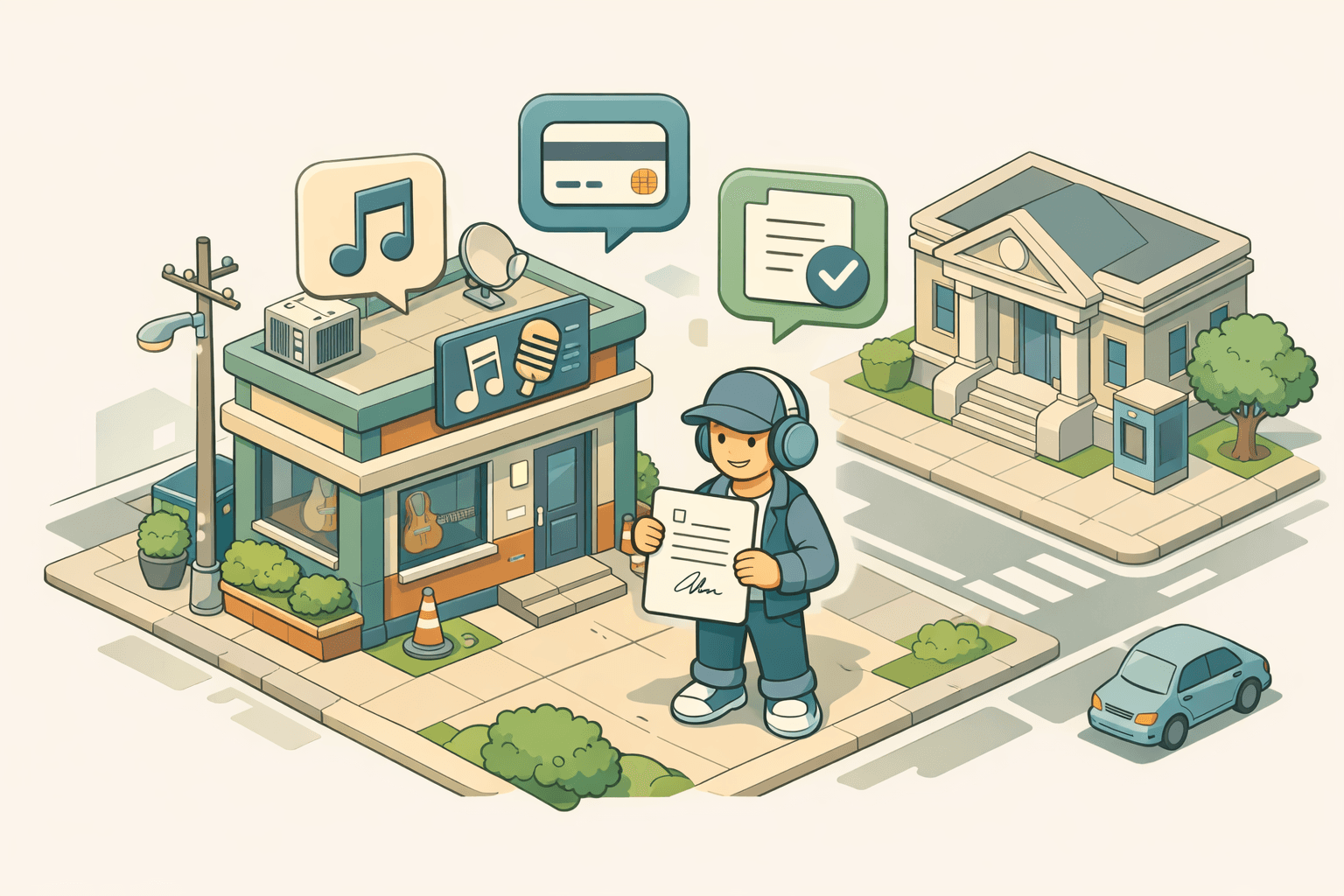
Running a music career as a freelance professional is exciting, but it comes with real financial challenges. Gigs can be seasonal, income may vary month to month, and upfront costs — from booking travel to purchasing equipment — can strain your cash flow. That's where a business line of credit can make a meaningful difference. If you're a freelance musician wondering whether you can qualify for flexible financing, the good news is that it's often possible, especially if you hold performance contracts. This article breaks down the requirements for business line of credit for a freelance musician with performance contracts, so you can walk into a lender conversation with confidence.
Why Freelance Musicians May Benefit from a Business Line of Credit
A business line of credit works differently from a traditional term loan. Instead of receiving a lump sum, you're approved for a maximum credit limit and can draw funds as needed, paying interest only on what you use. For freelance musicians, this kind of flexibility can be especially valuable.
Consider a musician who books a major festival performance three months out. They may need to hire session musicians, purchase new gear, book flights, or promote the show — all before the performance fee arrives. A business line of credit allows them to cover those costs now and repay once the contract pays out. It's a practical financial tool that matches the unpredictable rhythm of a music career.
- Cover gaps between contract payouts: Performance contracts often pay after the event, creating short-term cash flow gaps.
- Fund upfront business expenses: Studio time, equipment, marketing, and travel can be financed flexibly.
- Build business credit history: Responsible use of a credit line may help establish a stronger financial profile over time.
- Scale opportunities quickly: When a booking comes in on short notice, having credit available means you can say yes without scrambling.
Lenders understand that creative professionals have non-traditional income streams. While qualifying may require a bit more documentation than a salaried borrower, it's far from impossible — especially with signed performance contracts in hand.
Core Requirements for Business Line of Credit for a Freelance Musician with Performance Contracts
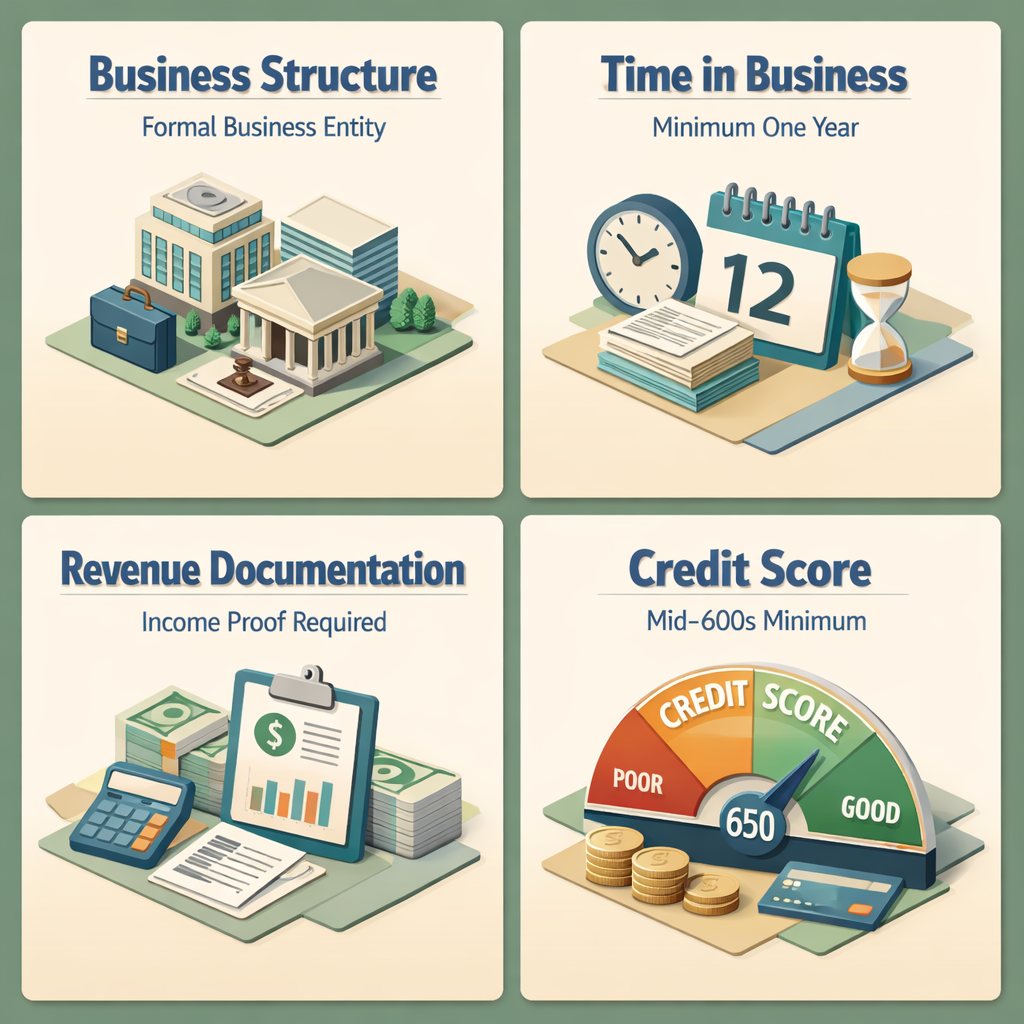
Understanding the requirements for business line of credit for a freelance musician with performance contracts starts with knowing what lenders typically evaluate. While specific criteria can vary by lender, most financial institutions look at several common factors when assessing a self-employed applicant in the creative industry.
Business Structure and Registration
Most lenders prefer — and some require — that your music career operates as a formal business entity. This could be a sole proprietorship, LLC, or S-corporation. Registering your freelance work as a business lends credibility to your application and may make it easier to separate personal and professional finances. Even a simple sole proprietorship filing with your state or local government can help establish you as a legitimate business borrower.
Time in Business
Lenders often want to see that your music business has been operating for at least one to two years. This helps them assess stability and reduces perceived risk. If you're newer to freelancing, some lenders — particularly online or alternative lenders — may have more flexible minimum thresholds, though terms might differ accordingly.
Revenue and Income Documentation
Because freelance musicians don't receive traditional pay stubs, income documentation becomes especially important. Lenders may ask for:
- Two years of personal and business tax returns
- Bank statements (typically the most recent three to twelve months)
- Profit and loss statements prepared by an accountant
- 1099 forms from clients or event organizers
Performance contracts can play a powerful supporting role here. A signed agreement showing a future payment from a venue, agency, or event organizer demonstrates a concrete, verifiable income stream — which lenders may view favorably when evaluating cash flow reliability.
Credit Score Requirements
Your personal credit score is typically a major factor in qualify for a business line of credit, especially if your business is newer or doesn't yet have a separate business credit profile. Many traditional lenders look for a minimum personal credit score in the mid-600s or higher, though some alternative lenders may work with lower scores. Maintaining a healthy credit history — paying bills on time, keeping credit utilization low — can strengthen your application considerably.
How Performance Contracts Strengthen Your Application
One of the most compelling assets a freelance musician can bring to a lending conversation is a signed performance contract. Unlike general statements about expected income, contracts provide documented, verifiable evidence that money is coming in.
Lenders may view performance contracts as a form of accounts receivable — essentially, money owed to your business. Some lenders, particularly those familiar with creative professionals or gig-economy borrowers, may factor contracted future income into their assessment of your ability to repay.
To make the most of your contracts, consider the following:
- Ensure contracts are signed by both parties: A fully executed contract carries more weight than a preliminary agreement or email confirmation.
- Include payment terms: Contracts that clearly state the performance fee, payment date, and payment method are more useful to lenders than vague agreements.
- Show a pattern of regular bookings: A portfolio of multiple contracts over several months demonstrates consistent demand for your services — not just a one-time gig.
- Work with reputable venues or agencies: Contracts from established organizations may lend more credibility than informal private agreements.
If your contracts involve recurring engagements — such as a residency at a venue or a touring agreement — these may be especially persuasive, as they suggest predictable income over time.
Business Banking and Financial Organization Tips for Musicians
Lenders don't just look at your income — they also look at how you manage it. Freelance musicians who treat their music career like a business tend to present stronger applications. A few organizational habits can make a real difference.
Open a Dedicated Business Bank Account
Keeping business income and expenses separate from personal finances is one of the most important steps you can take. A dedicated business checking account makes it easier to track revenue, document expenses, and present clean financial records to lenders. It also reinforces that your music work is a legitimate business operation rather than a hobby.
Track Income and Expenses Consistently
Using accounting software or working with a bookkeeper helps you maintain accurate financial records throughout the year. This makes tax preparation easier and gives you access to clean profit and loss statements — a document lenders often request from self-employed borrowers.
Establish a Business Credit Profile
If you haven't already, consider applying for a business credit card or a vendor account that reports to business credit bureaus. Over time, responsible use of these accounts can help you build a business credit history that operates separately from your personal score — which may open doors to better financing terms in the future.
These steps signal to lenders that you're operating with financial discipline, which can go a long way toward offsetting the perceived risk that sometimes comes with variable income.
Choosing the Right Lender as a Freelance Music Professional
Not all lenders approach self-employed borrowers the same way. Traditional banks may have stricter documentation requirements and prefer longer business histories, while online lenders and community development financial institutions (CDFIs) may offer more flexible underwriting for gig-economy professionals.
Here's a general overview of your options:
- Traditional banks and credit unions: These institutions often offer competitive interest rates and higher credit limits, but they may require more documentation and a stronger credit profile. Building a relationship with a local credit union that understands your community can be especially helpful.
- Online lenders: Platforms that specialize in small business lending may offer faster approvals and more flexible requirements, though rates can be higher. Some are specifically designed for freelancers and self-employed borrowers.
- SBA-backed programs: The U.S. Small Business Administration supports various lending programs that may be accessible to sole proprietors and self-employed individuals, including musicians. An SBA microloan or SBA-backed line of credit could be worth exploring if you meet the criteria.
- CDFIs: These mission-driven lenders often work with underserved borrowers, including creative professionals and entrepreneurs who may not qualify with traditional institutions.
Shopping around and comparing terms — including interest rates, fees, repayment schedules, and draw limits — is always a smart move before committing to any financing product.
Common Challenges and How to Address Them
Even with strong performance contracts and solid financial habits, freelance musicians may encounter some hurdles in the lending process. Being aware of common challenges ahead of time can help you prepare thoughtful responses and documentation.
Irregular Income Patterns
Lenders like predictability, and music income can fluctuate significantly from month to month. To counter this, consider averaging your income over a 12- or 24-month period and presenting that average clearly. Annotating bank statements to explain large deposits or gaps can also help lenders understand the natural rhythm of your work.
Limited Business Credit History
If your music career is relatively new or you've operated without formal business credit, lenders may lean heavily on your personal credit. Focus on maintaining a strong personal credit score while simultaneously building your business credit profile over time.
Informal or Verbal Agreements
If many of your bookings have historically been informal arrangements, now is a good time to shift toward written contracts for all engagements. This not only protects you legally but also creates a paper trail that lenders can evaluate when assessing your business line of credit musician contracts portfolio.
●Conclusion
Qualifying for a business line of credit as a freelance musician is absolutely within reach, especially when you come prepared. The requirements for business line of credit for a freelance musician with performance contracts typically center around demonstrating consistent income, maintaining good credit, operating as a recognized business, and supporting your application with strong documentation — including those all-important signed contracts. By treating your music career with the same financial discipline as any other small business, you position yourself as a credible borrower that lenders can feel confident working with. If you're ready to explore your financing options, LoanWise is here to help you find a path forward that fits the unique demands of your creative career.