
Running a rare coin dealership is a rewarding business, but it comes with a financial challenge that most traditional lenders aren't fully prepared for: inventory that changes in value almost daily. Whether you're acquiring a newly discovered collection, preparing for a major numismatic show, or managing a slow season between auctions, your cash flow rarely follows a predictable pattern. That's why understanding the requirements for a business line of credit for a rare coin dealer with fluctuating inventory is so important. A business line of credit can give you the flexible access to capital you need — but getting approved requires knowing exactly what lenders expect from specialty dealers like you.
Why Rare Coin Dealers Need a Flexible Line of Credit
Unlike a retail shop that stocks predictable, standardized merchandise, a rare coin dealership operates in a world of highly variable asset values. A single Morgan Silver Dollar, a rare gold double eagle, or a key-date Lincoln cent can represent thousands of dollars in inventory — yet its market value may shift based on collector demand, precious metal spot prices, and auction trends.
This kind of specialty dealer financing challenge means that traditional term loans often don't fit the bill. A revolving business line of credit, on the other hand, allows you to draw funds when you need to purchase a collection and repay when sales come through. It's a natural match for the buying-and-selling cycle of numismatic commerce.
Small business owners in the coin industry often find that having a credit facility in place before they need it is critical. Opportunities to purchase estate collections, winning bids at auction, or bulk acquisitions from other dealers can arise without warning. Without pre-approved financing, those opportunities may simply pass you by.
Core Credit and Financial Requirements Lenders Evaluate
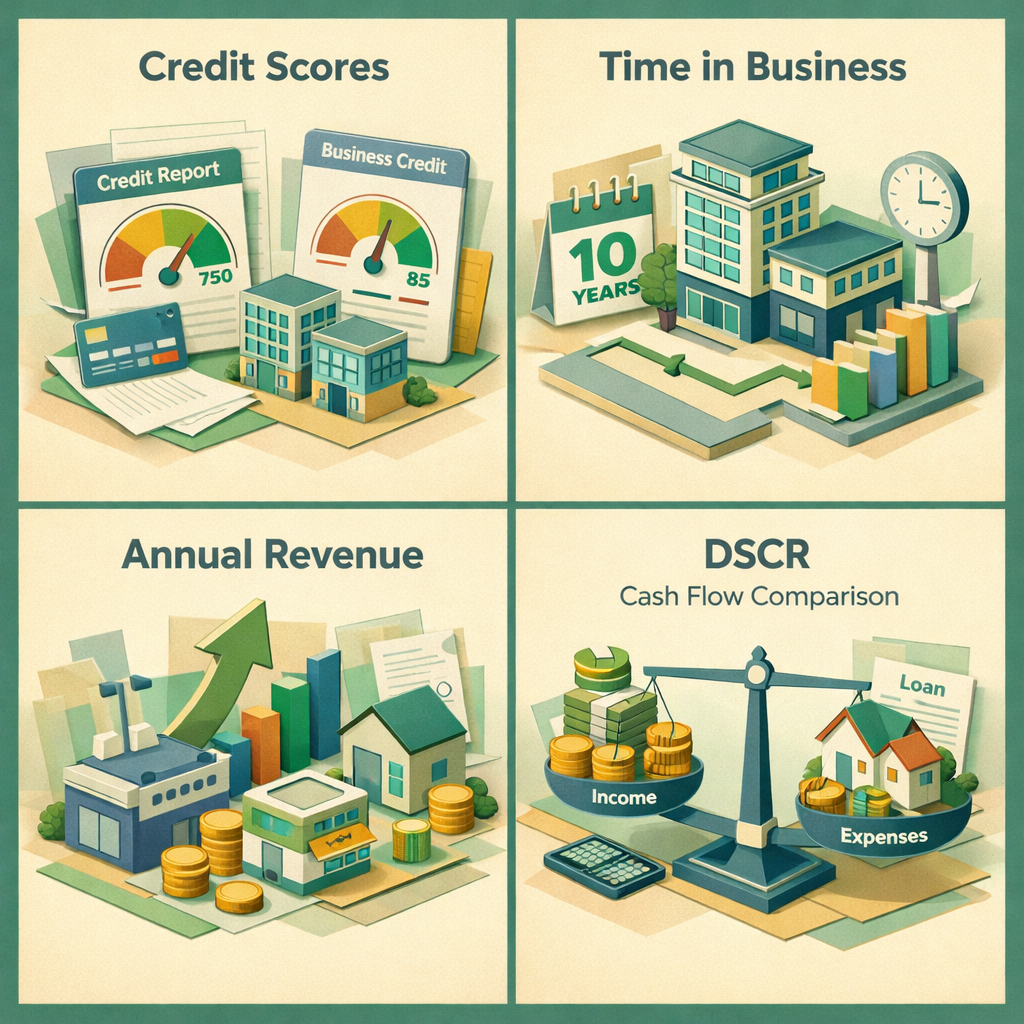
Regardless of your industry, lenders will start by reviewing your foundational financial health. For a rare coin dealer, meeting these baseline requirements is your first step toward approval.
- Personal and business credit scores: Most lenders look for a personal credit score of at least 650 to 680, though stronger scores may unlock better terms. Your business credit profile — including payment history with suppliers and trade accounts — also plays a significant role.
- Time in business: Lenders typically want to see at least one to two years of operating history. Newer dealerships may find it harder to qualify for larger credit lines, though some alternative lenders offer options for businesses with shorter track records.
- Annual revenue: A demonstrated revenue history shows lenders that your business generates consistent income. Many lenders set a minimum annual revenue threshold, which could range from $50,000 to $250,000 or more depending on the institution and credit line size.
- Debt-service coverage ratio (DSCR): This ratio compares your net operating income to your existing debt obligations. Lenders want to see that you have enough cash flow to comfortably repay any new borrowing without straining your business.
It's worth noting that because rare coin dealing is considered a niche industry, some conventional banks may apply stricter scrutiny. Working with a lender who has experience with fluctuating asset line of credit products — or with specialty retail businesses — may improve your chances of approval.
Documentation You'll Likely Need to Prepare
Preparation is one of the most powerful things you can do before applying for financing. Lenders will want to see a clear financial picture of your dealership, and having organized records ready can speed up the process considerably.
- Business and personal tax returns: Typically, lenders request two to three years of both business and personal tax returns. This gives them a view of income trends and any significant fluctuations.
- Profit and loss statements: Year-to-date and prior-year P&L statements help lenders understand your revenue patterns, cost of goods sold, and net income margins.
- Bank statements: Most lenders request three to six months of business bank statements to verify cash flow and identify any patterns of large deposits or withdrawals — common in the coin trade.
- Inventory documentation: This is where rare coin dealers face a unique challenge. Lenders may ask for an inventory schedule or appraisal to understand the nature and value of your assets. Because numismatic items can vary widely in worth and liquidity, lenders may treat your inventory differently than standard retail stock.
- Business licenses and dealer credentials: Membership in professional organizations such as the American Numismatic Association (ANA) or Professional Numismatists Guild (PNG) can add credibility to your application, as it demonstrates adherence to industry standards.
Being transparent about the seasonal and event-driven nature of your revenue — such as spikes around major coin shows — can actually work in your favor if you frame it properly with supporting data.
How Inventory Valuation Affects Your Borrowing Power
One of the most distinctive aspects of the requirements for a business line of credit for a rare coin dealer with fluctuating inventory is how lenders approach inventory as collateral. In standard inventory financing business loan scenarios, lenders may advance a percentage of inventory value — often between 50% and 80% — as the basis for a secured credit line. For rare coins, however, this process is more nuanced.
Lenders may be hesitant to assign full market value to numismatic inventory because:
- Rare coins are illiquid compared to commodities or standard retail goods
- Their value can fluctuate based on collector demand, grading opinions, and precious metal prices
- Appraisal standards vary, and not all lenders have the expertise to assess numismatic items
To address these concerns, consider working with a certified numismatic appraiser who can provide a well-documented valuation report. Some lenders may also focus more on the precious metal content (melt value) of your holdings as a more stable baseline, particularly for gold and silver coins.
If your inventory includes certified coins graded by PCGS or NGC — two of the most recognized third-party grading services in the industry — this can add a layer of credibility and verifiable value to your application. Graded coins with documented population reports may be viewed more favorably than raw, uncertified material.
Choosing the Right Type of Lender for Specialty Dealer Financing
Not every lender is the right fit for a rare coin dealership. Understanding your options can help you target the most promising sources of specialty dealer financing and avoid wasted time on applications that are unlikely to succeed.
Community Banks and Credit Unions
Local community banks and credit unions may be more willing to evaluate your business on its individual merits rather than relying solely on automated underwriting. If you have an established banking relationship and a track record in the community, these institutions may be a strong starting point. A loan officer who knows your business personally can be a valuable advocate.
Online and Alternative Business Lenders
Fintech lenders and online business financing platforms often have more flexible underwriting criteria than traditional banks. They may approve credit lines more quickly and with less stringent collateral requirements. However, the trade-off is typically higher interest rates or fees, so it's important to compare total borrowing costs carefully.
SBA-Backed Lines of Credit
The U.S. Small Business Administration offers programs that can help small business owners access financing with favorable terms. The SBA CAPLine program, for example, is specifically designed to help small businesses meet short-term and cyclical capital needs — which aligns well with the seasonal nature of coin dealing. Approval through SBA channels can take longer, but the terms may be significantly more favorable for qualifying businesses.
Strengthening Your Application as a Rare Coin Dealer
Meeting the minimum requirements for a business line of credit for a rare coin dealer with fluctuating inventory is just the starting point. To improve your chances of approval and secure the most favorable terms, there are several proactive steps you can take.
- Maintain a separate business bank account: Mixing personal and business finances is a red flag for lenders. A dedicated business account shows financial discipline and makes it easier to document business income.
- Build your business credit profile: Apply for a business credit card or trade accounts with suppliers and pay them consistently on time. Over time, this builds a business credit score that can support larger credit line requests.
- Keep detailed sales records: Document every transaction, including buy and sell prices, sources of inventory, and sales channels. This data tells a compelling story about your business model and profitability.
- Reduce existing debt: Before applying, pay down high-balance accounts where possible. A lower debt-to-income ratio signals to lenders that you're a manageable credit risk.
- Work with a business financial advisor or loan broker: A professional who understands niche business lending can help you identify the right lenders, prepare your documentation, and present your case in the most favorable light.
It's also worth remembering that lenders are looking for confidence — not just numbers. A clear, well-organized business plan that explains your market, your sourcing strategy, and your growth goals can go a long way in building trust with an underwriter who may be unfamiliar with the coin industry.
●Conclusion
Securing a business line of credit as a rare coin dealer isn't impossible — but it does require preparation, the right lender relationship, and a clear understanding of how your business model will be evaluated. By addressing inventory valuation proactively, maintaining strong financial records, and targeting lenders who are open to niche businesses, you can position your dealership to access the flexible capital it needs to grow. At LoanWise, we work with small business owners across a wide range of industries to explore financing options that fit their unique circumstances. If you're ready to explore your options, connect with a lending advisor today and take the first step toward a stronger financial foundation for your dealership.