
The esports industry has grown into a multi-billion-dollar global market, and competitive teams are now being recognized as legitimate businesses. Whether you're managing player contracts, paying for training facilities, covering travel expenses, or investing in equipment upgrades, cash flow is critical. That's why many esports entrepreneurs and team owners are exploring a business line of credit for a competitive esports team as a flexible financing tool. But like any business borrower, you'll need to meet specific lender requirements before approval. Understanding what lenders look for can help you prepare, improve your chances, and ultimately secure the funding your team needs to compete at the highest level.
Why Esports Organizations Qualify as Business Borrowers
Not long ago, banks and lenders might have dismissed esports teams as hobbies rather than real businesses. That perception has changed significantly. Today, competitive esports organizations generate revenue through sponsorships, merchandise sales, tournament prize pools, streaming partnerships, and media rights deals. When structured properly, these revenue streams can make an esports team a viable candidate for commercial lending products.
Lenders generally evaluate any borrower — esports or otherwise — based on the financial health and operational legitimacy of the business. If your esports team is registered as a legal business entity, maintains financial records, and generates consistent revenue, you may already meet more of the basic criteria than you'd expect. The key is presenting your organization the way any small business owner would: with documentation, a clear operating history, and a demonstrated ability to repay borrowed funds.
It's also worth noting that lenders may categorize esports organizations under entertainment, media, or sports management industries. Some may be unfamiliar with the esports model, so being prepared to explain your revenue sources clearly could make a significant difference in how your application is received.
Core Requirements for a Business Line of Credit for a Competitive Esports Team
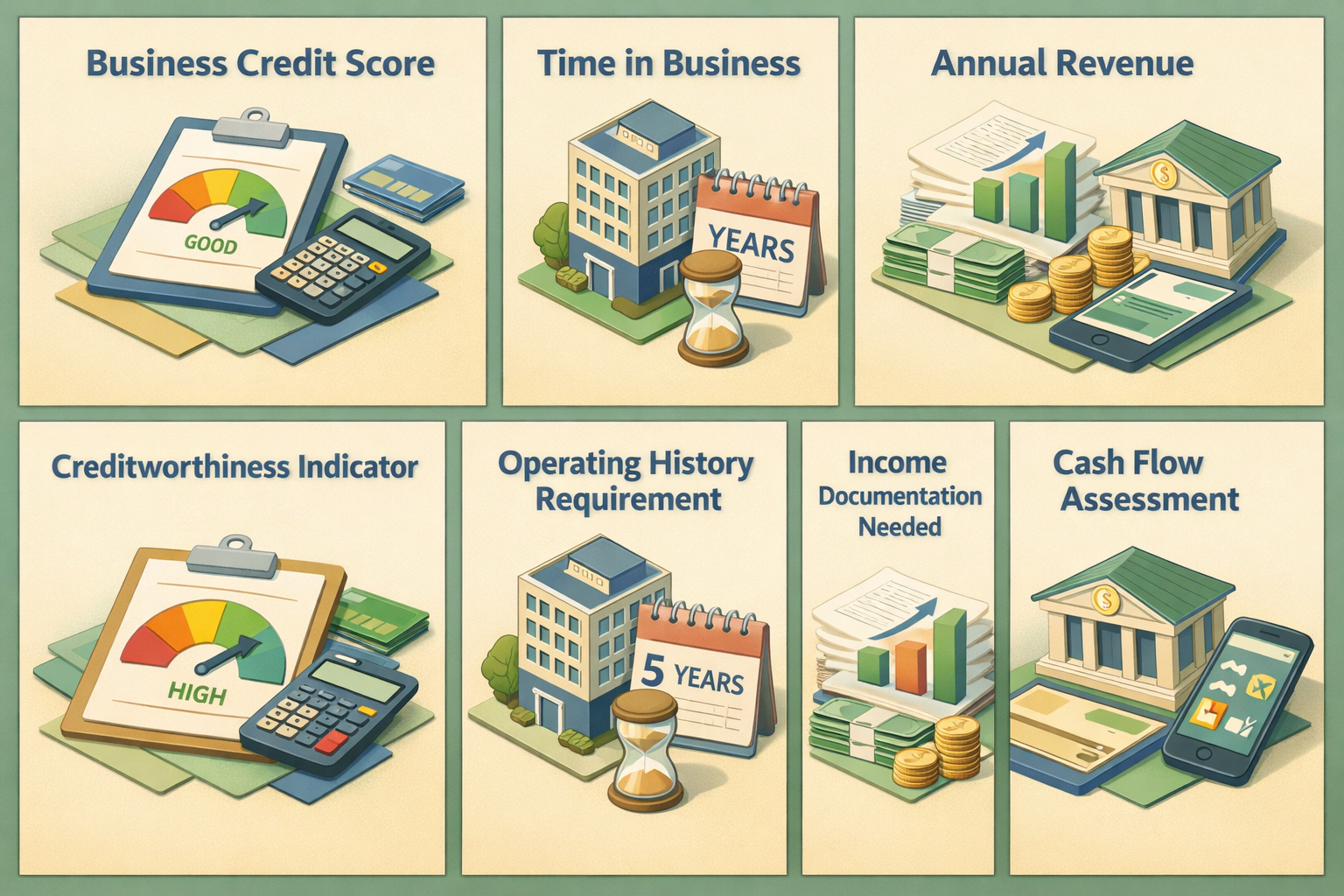
Meeting the requirements for a business line of credit for a competitive esports team involves satisfying several standard lending criteria. While individual lenders may vary in their specific thresholds, the following are the most commonly evaluated factors:
Business Credit Score and Personal Credit History
Most lenders will review both your business credit profile and your personal credit score, especially if your esports organization is relatively new. A stronger credit score — typically above 650 for many online lenders, and potentially higher for traditional banks — can improve your approval odds and help you qualify for better terms. If your business doesn't yet have an established credit profile, lenders may rely more heavily on your personal credit history as a proxy for financial responsibility.
Time in Business
Lenders often prefer borrowers with at least one to two years of operating history. This demonstrates that the business has survived beyond its startup phase and has some track record of generating revenue. Newer esports teams may face more scrutiny or may need to explore alternative lending options, such as online lenders or fintech platforms that are generally more flexible with newer businesses.
Annual Revenue and Cash Flow
Revenue requirements vary widely by lender, but many traditional lenders look for annual revenue of at least $50,000 to $100,000 or more. Online and alternative lenders may have lower thresholds. For an esports team, this revenue could come from sponsorships, tournament earnings, content monetization, merchandise, or licensing agreements. Being able to document these income streams clearly is just as important as the amounts themselves.
Business Bank Account Activity
Lenders frequently review three to six months of business bank statements to assess cash flow patterns. Consistent deposits, low instances of overdrafts, and healthy average daily balances are all favorable signs. Keeping your business finances separate from personal accounts is not just good practice — it can also strengthen your application.
Documentation You'll Need to Prepare Before Applying
Preparation is one of the most important steps any small business owner can take before applying for financing. For an esports team, gathering the right paperwork ahead of time can speed up the process and demonstrate organizational maturity to potential lenders.
- Business formation documents: LLC operating agreement, articles of incorporation, or partnership agreement showing your team is legally registered.
- Employer Identification Number (EIN): Required by most lenders for business credit products.
- Business and personal tax returns: Typically the last one to two years, used to verify reported income.
- Profit and loss statements: A current P&L helps lenders understand your revenue and expenses.
- Business bank statements: Usually the last three to six months, showing cash flow activity.
- Sponsorship agreements and contracts: These can serve as evidence of ongoing revenue commitments.
- Business plan or executive summary: Some lenders, particularly banks, may want to understand your team's business model, competitive strategy, and growth projections.
Having these documents organized and ready can make you appear more prepared and professional, which may positively influence how a lender evaluates your application.
How Lenders Assess Risk in Non-Traditional Industries Like Esports
Esports is still considered a relatively non-traditional industry by many lenders, which means your organization may face additional questions or scrutiny compared to a restaurant or retail business. Understanding how lenders think about risk in your industry can help you address potential concerns proactively.
One key factor is revenue predictability. Tournament winnings, for example, are inherently variable and may not be viewed as reliable recurring income. Sponsorship contracts, on the other hand, often involve multi-month or multi-year commitments that provide more stable, documentable cash flow. If a significant portion of your income comes from predictable sources, highlighting this in your application may help offset concerns about volatility.
Lenders may also look at your team's market presence. Social media followings, streaming viewership numbers, media mentions, and brand partnerships can all serve as informal evidence of your team's legitimacy and earning potential. While these aren't formal underwriting criteria for most lenders, they could play a supporting role in building your case — especially with lenders who specialize in creative or entertainment industries.
Additionally, some lenders may ask about collateral. A business line of credit may be unsecured, but if your team owns equipment, vehicles, or other business assets, mentioning these could add another layer of comfort for hesitant lenders.
Choosing the Right Type of Lender for Your Esports Business
Not all lenders are created equal, and some may be better suited for an esports organization than others. Here's a brief look at the main types of lenders you might consider:
Traditional Banks and Credit Unions
Traditional financial institutions typically offer the most competitive interest rates and the largest credit lines. However, they also tend to have stricter requirements, including longer operating histories, higher revenue thresholds, and more thorough documentation reviews. Credit unions, in particular, might be worth exploring since they're often more community-focused and may be more willing to work with newer or niche businesses.
Online and Fintech Lenders
Online lenders have become increasingly popular among small business owners because of their faster application processes and more flexible eligibility standards. Many fintech platforms can approve a business line of credit within days and may work with businesses that have as little as six months of operating history. The trade-off is that interest rates tend to be higher than those offered by traditional banks.
SBA-Affiliated Programs
The U.S. Small Business Administration (SBA) supports various lending programs that can benefit small business owners, including those in entertainment and creative industries. While SBA loans are typically term loans rather than revolving lines of credit, some SBA-affiliated lenders offer products that could help an esports organization build credit history and financial credibility over time.
Practical Tips for Strengthening Your Application
Even if your esports team currently falls short of some lender thresholds, there are steps you can take to improve your profile before applying. A stronger application means better approval odds and potentially more favorable terms.
- Establish a dedicated business bank account: If you haven't already, open a separate account for your team's finances and funnel all revenue through it consistently.
- Build your business credit profile: Apply for a business credit card or a small vendor trade line and pay balances on time to start generating a business credit history.
- Reduce personal debt: Lowering your personal debt-to-income ratio can strengthen your personal credit application, which many lenders will review alongside your business profile.
- Formalize revenue agreements: Whenever possible, secure sponsorships and partnerships in written contracts to create a paper trail of predictable income.
- Work with an accountant or financial advisor: Having professionally prepared financials can add credibility to your application and help you identify any gaps before a lender does.
- Start small: If you're new to borrowing, applying for a smaller credit line first and repaying it responsibly can help you qualify for larger amounts in the future.
●Conclusion
Securing a business line of credit for a competitive esports team is absolutely achievable with the right preparation and understanding of what lenders expect. While esports may be a newer industry in the world of commercial lending, the fundamental requirements remain consistent: strong credit, verifiable revenue, legitimate business structure, and organized documentation. By treating your esports team with the same financial discipline as any established small business, you position yourself for better approval outcomes and more favorable financing terms. LoanWise is here to help entrepreneurs in every industry navigate the lending landscape with confidence. If you're ready to explore your financing options, connect with a lending specialist today and take the next step toward building a stronger, more competitive organization.