
Running a small artisanal cheese operation is a labor of love. From sourcing quality milk to perfecting your aging process, every detail matters. But when it comes to scaling your business, buying ingredients in bulk, or reaching new markets beyond your local farmers market, financing becomes just as important as the craft itself. Whether you're looking to import specialty cultures, export your products overseas, or simply manage cash flow between production cycles, understanding the options for trade financing for a small artisanal cheese maker could be the key to taking your business to the next level. This guide walks through the most practical and accessible financing paths available to small food producers today.
Why Artisanal Food Producers Face Unique Financing Challenges
Artisanal food businesses, including small-batch cheese makers, often sit in a tricky spot when it comes to traditional lending. They may have seasonal revenue patterns, high upfront production costs, and longer inventory cycles than a typical retail business. Aged cheeses, for example, might not generate revenue for weeks or even months after production begins. That gap between spending and earning creates real cash flow pressure.
On top of that, many small food producers operate as sole proprietorships or small LLCs with limited credit history or collateral. Traditional banks may be hesitant to extend large lines of credit without a strong financial track record. This is especially true for businesses involved in trade finance artisanal food activities — importing specialty ingredients or exporting finished products — where transactions can be complex and involve international parties.
Fortunately, the lending landscape has evolved significantly. There are now multiple financing solutions tailored to the needs of small business producers, entrepreneurs, and specialty goods businesses. Knowing where to look — and which products fit your situation — can make a meaningful difference in your ability to grow sustainably.
SBA Loan Programs That Could Work for Your Cheese Business
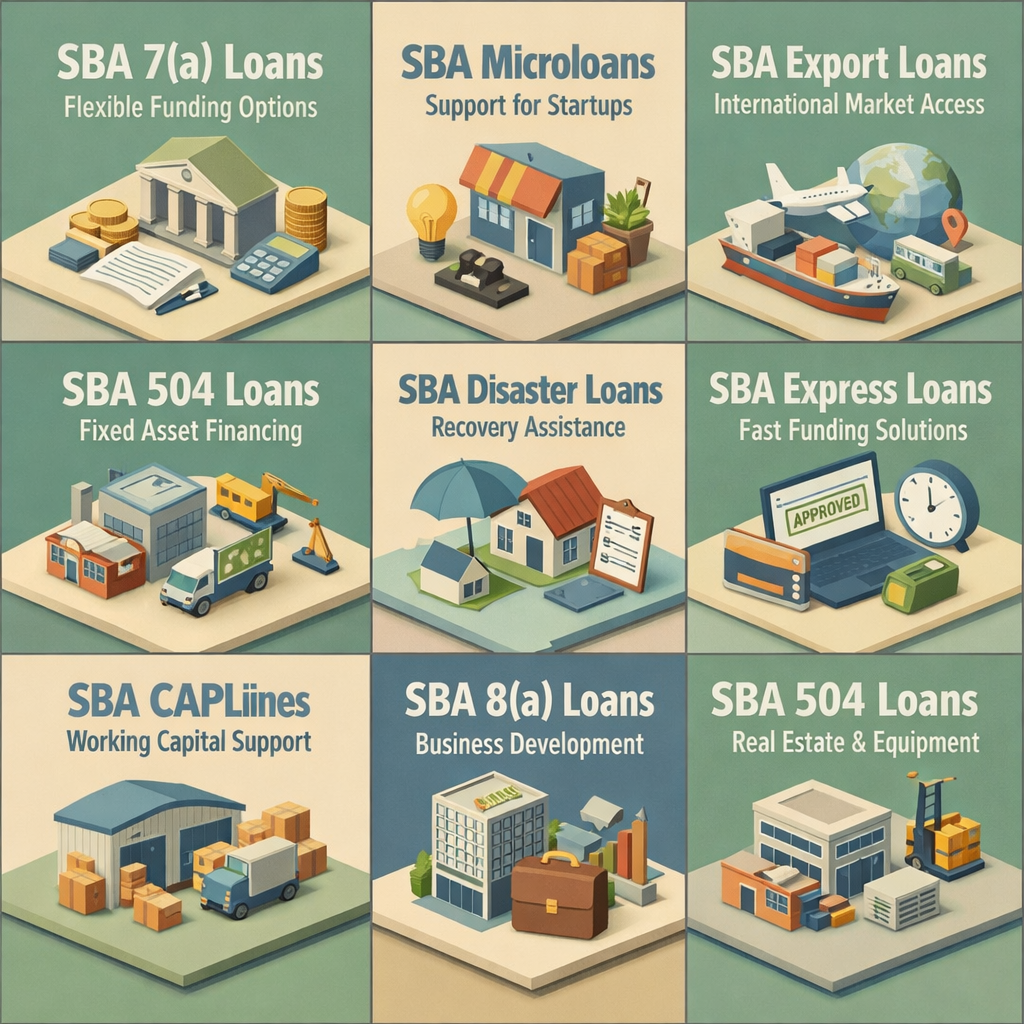
The U.S. Small Business Administration offers several loan programs that may be well-suited to artisanal food producers. These programs are designed to help small businesses access capital they might not qualify for through conventional bank lending alone.
SBA 7(a) Loans for General Business Needs
The SBA 7(a) loan is one of the most flexible options available. It can typically be used for working capital, equipment purchases, inventory, and even refinancing existing business debt. For a cheese maker, this might mean funding a new aging cave, purchasing pasteurization equipment, or covering operating expenses during a slow season. Loan amounts can potentially reach up to $5 million, though smaller amounts are common for micro-businesses.
SBA Microloans for Startups and Smaller Needs
If your cheese business is still in its early stages or you need a smaller amount of capital, SBA Microloans may be worth exploring. These loans are typically offered through nonprofit intermediary lenders and can provide up to $50,000 in funding. They often come with business training and support, which can be especially valuable for entrepreneurs who are new to borrowing. This could be a practical starting point for funding ingredient sourcing or a small import order.
SBA Export Loans for Reaching International Markets
The SBA also offers specialized export financing programs, including the Export Working Capital Program and the International Trade Loan. These products are specifically designed to help small businesses expand into international markets. For a cheese maker looking to export to specialty food importers in Europe or Asia, these programs might provide the working capital needed to fulfill large international orders without straining day-to-day operations.
Trade Finance Tools Designed for Import and Export Activity
Beyond SBA programs, there are several dedicated small business import export loan and trade finance instruments worth understanding. These tools are commonly used in the food and agriculture industry to bridge the gap between placing an order and receiving payment.
Letters of Credit
A letter of credit is a document issued by a bank that guarantees payment to a supplier once certain conditions are met. For a cheese maker importing specialty cultures, rennet, or packaging materials from overseas, a letter of credit could give your foreign supplier confidence that they'll be paid — and give you the ability to negotiate better terms. Banks and some credit unions typically offer this service, though fees may apply.
Trade Credit from Suppliers
Many suppliers — especially in the food industry — offer net-30, net-60, or even net-90 payment terms to established customers. This form of informal trade credit allows you to receive goods before paying for them, effectively giving you a short-term interest-free loan. Building strong supplier relationships and a solid payment history can make this an increasingly accessible option over time.
Export Credit Agencies
Agencies like the Export-Import Bank of the United States (EXIM Bank) exist specifically to support American exporters. They offer working capital guarantees, export credit insurance, and loan guarantees that could help a cheese maker reduce the risk of selling to international buyers who may have longer payment cycles or higher default risk. EXIM programs are often accessible to small and medium-sized businesses, making them a potentially useful resource for artisanal food exporters.
Managing Cash Flow with Lines of Credit and Invoice Financing
For many small food producers, the biggest financial challenge isn't a lack of sales — it's the timing mismatch between when money goes out and when it comes in. A business line of credit or invoice financing arrangement can help smooth out those gaps.
Business Lines of Credit
A revolving line of credit gives your business flexible access to funds up to a set limit. You draw what you need, repay it, and draw again as needed. This can be particularly useful for a cheese maker managing fluctuating milk prices, seasonal ingredient costs, or unexpected equipment repairs. Many banks, credit unions, and online lenders offer business lines of credit, with eligibility typically depending on your credit score, revenue history, and time in business.
Invoice Factoring and Financing
If your cheese business sells to retailers, restaurants, or distributors on credit terms, you may find yourself waiting 30 to 90 days to get paid on invoices you've already fulfilled. Invoice factoring allows you to sell those outstanding invoices to a third-party lender (called a factor) at a slight discount, receiving cash almost immediately. Invoice financing works similarly but treats your invoices as collateral for a short-term loan rather than selling them outright. Both options can be valuable tools for maintaining liquidity during growth phases.
Equipment and Asset-Based Lending for Production Growth
Scaling up an artisanal cheese operation often requires significant investment in physical infrastructure. Cheese vats, cooling systems, vacuum packaging machines, aging racks, and refrigeration units can all represent major capital expenditures. Equipment financing and asset-based lending can make these purchases more manageable.
Equipment Loans and Leasing
Equipment loans allow you to purchase machinery or infrastructure over time, with the equipment itself serving as collateral. This reduces the lender's risk and may make it easier to qualify, even for businesses with limited credit history. Leasing is another option that keeps upfront costs low, though you won't build equity in the equipment over time. Depending on your cash flow situation and long-term plans, either approach might be appropriate.
Asset-Based Lending
Asset-based lending (ABL) uses your business's assets — such as inventory, accounts receivable, or equipment — as collateral for a loan or line of credit. For a cheese producer with substantial aging inventory on hand, ABL could unlock capital that would otherwise be tied up in product sitting on shelves. This type of financing is more common with larger businesses but is increasingly available to smaller food producers through specialty lenders.
Alternative and Online Lenders for Food Producer Financing
The rise of fintech and online lending platforms has opened up new avenues for small business owners who may not qualify for traditional bank loans. These lenders often have more flexible eligibility requirements, faster approval timelines, and streamlined application processes — though they may also charge higher interest rates.
Online term loans, merchant cash advances, and revenue-based financing are all products that small food businesses can explore. Revenue-based financing, in particular, might suit a cheese maker with strong recurring sales, as repayments are typically tied to a percentage of monthly revenue rather than a fixed payment schedule. This can reduce strain during slower months.
It's worth noting that not all online lenders are created equal. Before committing to any financing arrangement, it's important to carefully review the annual percentage rate (APR), repayment terms, prepayment penalties, and any origination fees. Comparing multiple offers is always a smart approach, and working with a financial advisor or lending professional can help you evaluate the true cost of borrowing.
Grants and Community Development Resources Worth Exploring
Beyond loans and credit facilities, there may be non-repayable funding sources available to artisanal food producer financing options. Grants from local agricultural development agencies, state economic development offices, and community development financial institutions (CDFIs) are worth researching. While grant funding is often competitive and limited in scope, it can provide meaningful support for specific projects like equipment upgrades, marketing, or export development.
CDFIs in particular are mission-driven lenders that often serve underrepresented or underbanked small business communities. They may offer more flexible underwriting standards than traditional banks, making them a potentially accessible option for newer or smaller food businesses. Many CDFIs also provide free financial counseling and business development resources alongside their lending products.
Additionally, some agricultural cooperatives and trade associations offer member financing programs or low-cost access to shared equipment and facilities. Joining a local or national artisan cheese producers association could connect you with resources, peer knowledge, and trade financing options you might not find on your own.
●Conclusion
Navigating the options for trade financing for a small artisanal cheese maker may feel overwhelming at first, but the good news is that more tools exist today than ever before. From SBA export programs and letters of credit to invoice factoring and online lenders, there's a financing solution to match nearly every stage of your business's growth. The key is understanding your specific needs — whether that's bridging a cash flow gap, funding a production expansion, or entering an international market — and then matching those needs to the right financial product. At LoanWise, we're here to help small business owners and food producers make informed borrowing decisions. Reach out today to explore which financing path might be the right fit for your artisanal cheese business.