
Running a bespoke perfume creation studio is a deeply creative endeavor, but it's also a real business with real financial demands. From sourcing rare aromatic ingredients to funding custom packaging and managing seasonal inventory, cash flow can be unpredictable. That's why many studio owners explore a business line of credit as a flexible financing tool. But before you apply, it helps to understand exactly what lenders expect. This guide walks through the core requirements for a business line of credit for a bespoke perfume creation studio, so you can approach the process with confidence and clarity.
What a Business Line of Credit Actually Is
A business line of credit works differently from a traditional term loan. Rather than receiving a lump sum upfront, you're approved for a maximum credit limit and can draw funds as needed. You only pay interest on what you actually use, and once you repay, those funds become available again. This revolving structure makes it especially useful for artisanal businesses like a custom perfume studio, where expenses don't always follow a predictable schedule.
For example, you might need to purchase a bulk order of rare oud resin ahead of the holiday season, then repay the draw once client orders come in. A line of credit gives you that kind of flexibility without locking you into rigid repayment terms. It's a practical working capital tool for businesses that experience fluctuating demand or project-based revenue cycles.
Lines of credit can come from traditional banks, credit unions, or online lenders. Each comes with its own eligibility standards, interest rates, and repayment structures. Knowing which type of lender fits your studio's profile is just as important as meeting the baseline requirements.
Why Specialty Craft Businesses Face Unique Lending Challenges
Lenders tend to favor businesses with predictable, recurring revenue. A perfume studio business line of credit application may face additional scrutiny simply because bespoke or artisanal businesses can appear niche or difficult to scale in the eyes of a traditional underwriter. That doesn't mean financing is out of reach — it just means you may need to work a little harder to present your business clearly.
Specialty craft business loans, including lines of credit, often require applicants to demonstrate that their revenue model is sustainable. If your studio relies heavily on one-time custom orders, wedding collections, or seasonal gift sets, lenders will want to see how you manage cash flow between peaks. Showing a track record of consistent revenue over time — even if it fluctuates — can go a long way in building lender confidence.
It's also worth noting that many lenders aren't familiar with the fragrance industry specifically. That means your application may benefit from a brief business summary explaining your revenue streams, client base, and how you differentiate your studio from mass-market alternatives. Clarity and professionalism in your application can compensate for a lender's unfamiliarity with your niche.
Core Credit and Financial Requirements Lenders Typically Look For
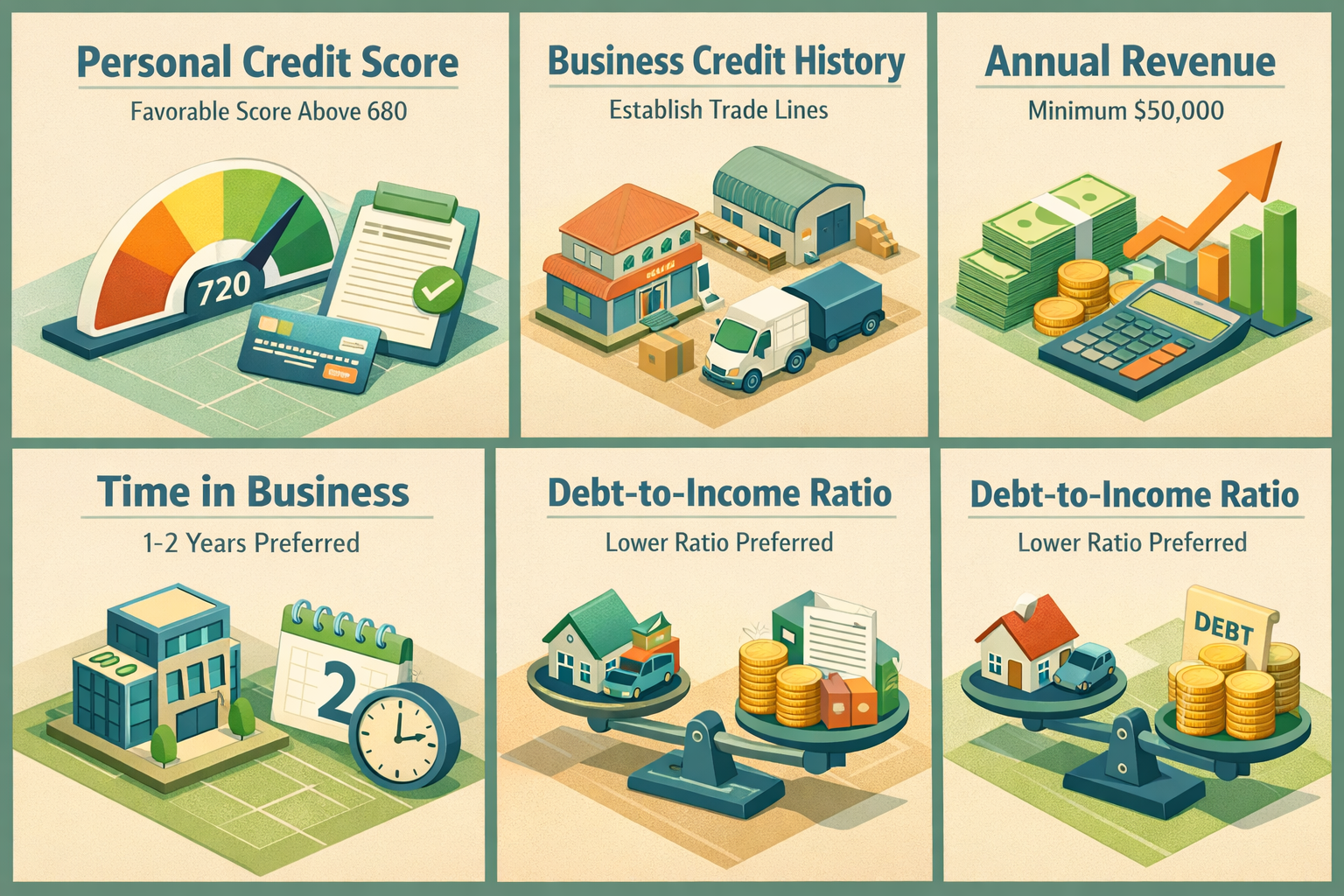
When evaluating the requirements for a business line of credit for a bespoke perfume creation studio, most lenders focus on a few key financial factors. Understanding these benchmarks ahead of time can help you prepare a stronger application.
- Personal Credit Score: Many lenders — especially banks and SBA-affiliated institutions — will review the owner's personal credit score. A score of 680 or above is often considered favorable, though some online lenders may work with scores in the 600s. If your score needs improvement, addressing it before applying could improve your terms.
- Business Credit History: If your studio has been operating for some time, lenders may also review your business credit profile. Establishing trade lines, paying vendors on time, and separating business and personal finances all contribute positively to this profile.
- Annual Revenue: Most lenders set minimum annual revenue thresholds. These can vary widely — from as low as $50,000 for some online lenders to $250,000 or more for traditional banks. Having documented revenue helps demonstrate that your studio can service the line of credit responsibly.
- Time in Business: Lenders typically prefer businesses that have been operating for at least one to two years. Startups may find it more difficult to qualify for a line of credit from a traditional bank, though alternative lenders and microloan programs may offer more accessible options.
- Debt-to-Income Ratio: Lenders will assess your existing debt obligations relative to your income. A lower ratio suggests your business has room to take on and repay additional credit without strain.
Documents You Should Prepare Before Applying for Custom Product Business Financing
One of the most common reasons small business applications are delayed or denied is incomplete documentation. Whether you're pursuing custom product business financing through a bank or an online lender, having your paperwork organized in advance makes the process much smoother.
Here's what you'll likely need to gather:
- Business and personal tax returns from the past two to three years, showing income history and filing consistency
- Bank statements — typically three to six months of business bank statements to verify cash flow patterns
- Profit and loss statement and a current balance sheet, ideally prepared or reviewed by an accountant
- Business license and formation documents, such as your LLC operating agreement or articles of incorporation
- Accounts receivable aging report, if your studio invoices clients for custom orders
- A brief business plan or executive summary, especially useful if your studio is relatively new or if the lender is unfamiliar with the fragrance industry
If your studio sells through an e-commerce platform or point-of-sale system, lenders may also ask for sales reports or platform analytics. These can serve as additional proof of revenue activity, especially if your bank deposits don't tell the full story of your business volume.
Collateral, Personal Guarantees, and What They Mean for Studio Owners
Many business lines of credit — particularly those offered by traditional banks — may require some form of collateral or a personal guarantee. Collateral is an asset the lender can claim if you default on the credit line. For a bespoke perfume studio, this might include business equipment such as your distillation apparatus, blending stations, or even inventory on hand.
A personal guarantee means you, as the business owner, agree to be personally responsible for repaying the debt if the business cannot. This is common for small businesses that don't have substantial business assets. It's worth understanding the implications before signing, particularly if you have personal assets like a home or savings accounts that could be at risk.
Unsecured lines of credit do exist and typically don't require collateral, but they often come with stricter credit requirements and higher interest rates to offset the lender's risk. Online lenders and fintech platforms tend to offer more unsecured options, though their terms vary widely. Comparing multiple offers before committing is always a prudent strategy.
Working Capital for Artisanal Businesses: How to Strengthen Your Application
Improving your eligibility for working capital for artisanal businesses doesn't always require a major overhaul of your finances. Sometimes, small strategic steps taken in the months before you apply can make a meaningful difference.
Consider these practical moves:
- Open a dedicated business bank account if you haven't already. Mixing personal and business finances is a red flag for lenders and complicates your financial records.
- Register your business formally — whether as an LLC, sole proprietorship, or other structure — and obtain an Employer Identification Number (EIN) from the IRS. This establishes your business as a legitimate entity in lenders' eyes.
- Build relationships with vendors who report payment history to business credit bureaus. Consistent on-time payments can help establish a positive business credit profile over time.
- Reduce outstanding debt where possible before applying, as a cleaner balance sheet signals financial responsibility.
- Work with a financial advisor or SCORE mentor who has experience with small artisanal or creative businesses. Their guidance can help you present your studio in the most favorable light.
It's also worth exploring whether your studio qualifies for any SBA microloan programs, which are specifically designed to support small and underserved businesses that may not yet meet traditional bank requirements. These programs often come with lower credit thresholds and technical assistance resources.
Choosing the Right Lender for Your Perfume Studio's Financing Needs
Not every lender is the right fit for every business. When evaluating your options for a specialty craft business loan or line of credit, it's important to consider more than just the interest rate. The lender's experience with small creative businesses, their application process, and the flexibility of their repayment terms all matter.
Traditional banks may offer lower interest rates but often have stricter eligibility requirements and longer approval timelines. Credit unions can be a middle-ground option, sometimes offering more personalized service and competitive rates for established members. Online lenders and fintech platforms may approve applications faster and with more flexible criteria, but their rates can be higher and terms may be shorter.
Community Development Financial Institutions (CDFIs) are another option worth exploring. These mission-driven lenders specifically serve underserved small business communities and may have programs tailored to creative entrepreneurs. They often provide not just funding but also coaching and business development support, which can be invaluable for a growing artisan studio.
Regardless of which lender you choose, always read the full terms of any credit agreement carefully. Pay attention to draw fees, maintenance fees, prepayment penalties, and how the interest rate is structured — whether fixed or variable. Understanding the total cost of the credit line will help you use it strategically without putting unnecessary strain on your studio's cash flow.
●Conclusion
Securing financing as a creative entrepreneur takes preparation, patience, and a clear understanding of what lenders need to see. The requirements for a business line of credit for a bespoke perfume creation studio are not fundamentally different from those for other small businesses — but presenting your studio's unique value and financial story effectively can make a real difference in the outcome. By building your credit profile, organizing your documents, and choosing the right lending partner, you give your studio the financial foundation it needs to grow. At LoanWise, we're here to help small business owners and entrepreneurs navigate their financing options with clarity and confidence. Explore your options today and take the next step toward funding your creative vision.