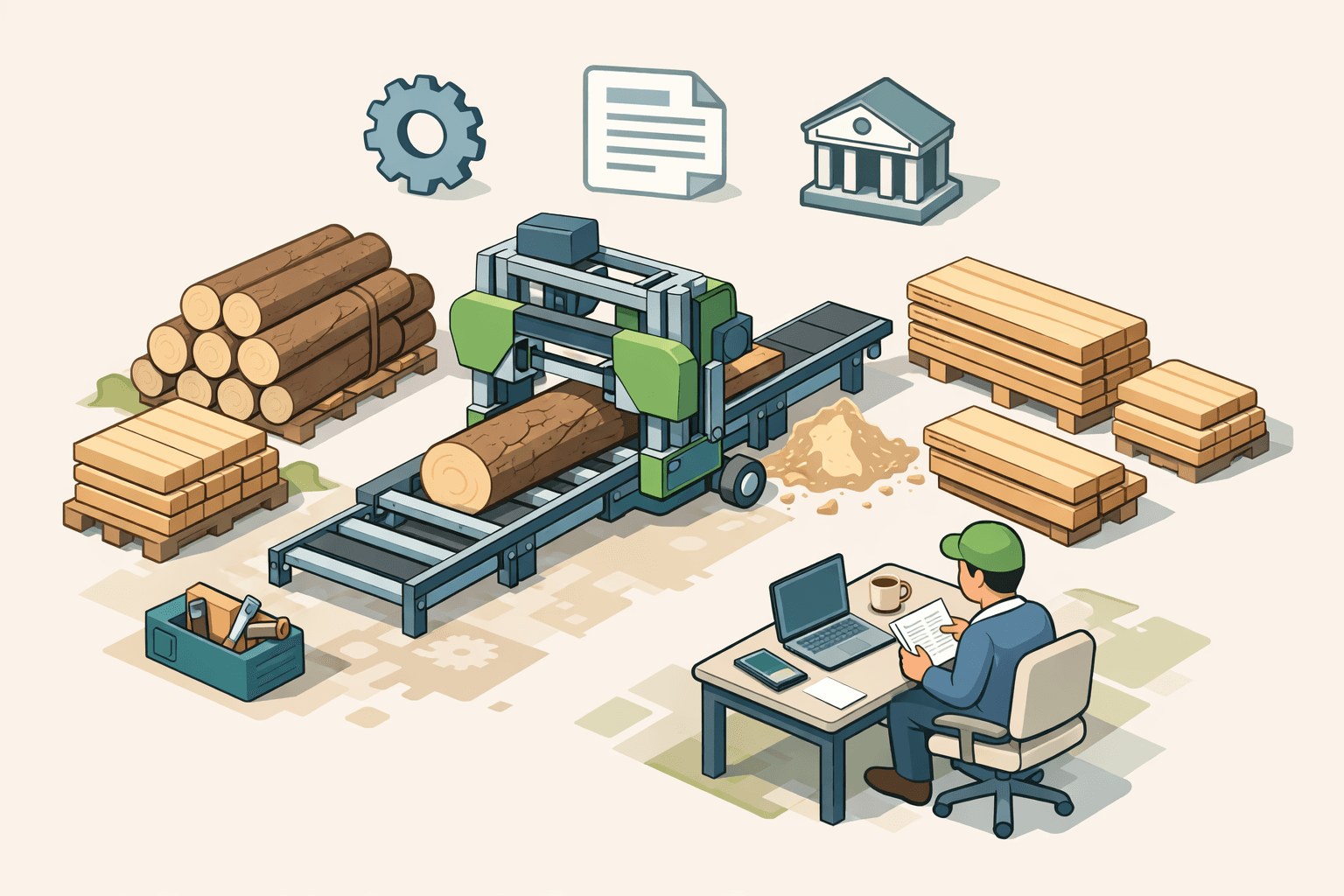
Starting or growing a portable sawmill business takes more than skill and determination — it takes the right equipment. A quality portable sawmill can cost anywhere from a few thousand dollars to well over $50,000, depending on the model and capabilities. For many small business owners and entrepreneurs, that kind of upfront cost isn't easy to cover out of pocket. That's where equipment financing comes in. Understanding how to secure equipment financing for a portable sawmill business could be the difference between staying competitive and falling behind. In this guide, we'll walk you through the key financing options available, what lenders typically look for, and how to put your best foot forward when applying.
What Is Equipment Financing and How Does It Work?
Equipment financing is a type of business loan specifically designed to help companies purchase the tools, machinery, and assets they need to operate. Rather than depleting your working capital, you borrow funds to cover the cost of the equipment and repay the lender over a set period — typically with fixed monthly payments.
One of the key advantages of this financing structure is that the equipment itself often serves as collateral. That means lenders may be more willing to extend credit to newer businesses or borrowers with limited credit history, since they have a tangible asset backing the loan. If you default, the lender may recover the equipment rather than pursue other business assets.
For portable sawmill operators, this is particularly useful. Whether you're looking to purchase a band sawmill, a chainsaw mill setup, or a more advanced hydraulic portable sawmill, lenders who specialize in equipment and asset-based lending understand the value of these machines and how they generate revenue.
- Loan terms typically range from 2 to 7 years depending on the lender and equipment type.
- Down payments may range from 0% to 20%, depending on your credit profile and lender requirements.
- Interest rates vary based on your creditworthiness, business history, and market conditions.
It's worth noting that some lenders also offer equipment leasing as an alternative, which may come with lower monthly payments but doesn't result in ownership at the end of the term. Carefully compare both options before committing.
Types of Financing Options Available to Portable Sawmill Owners
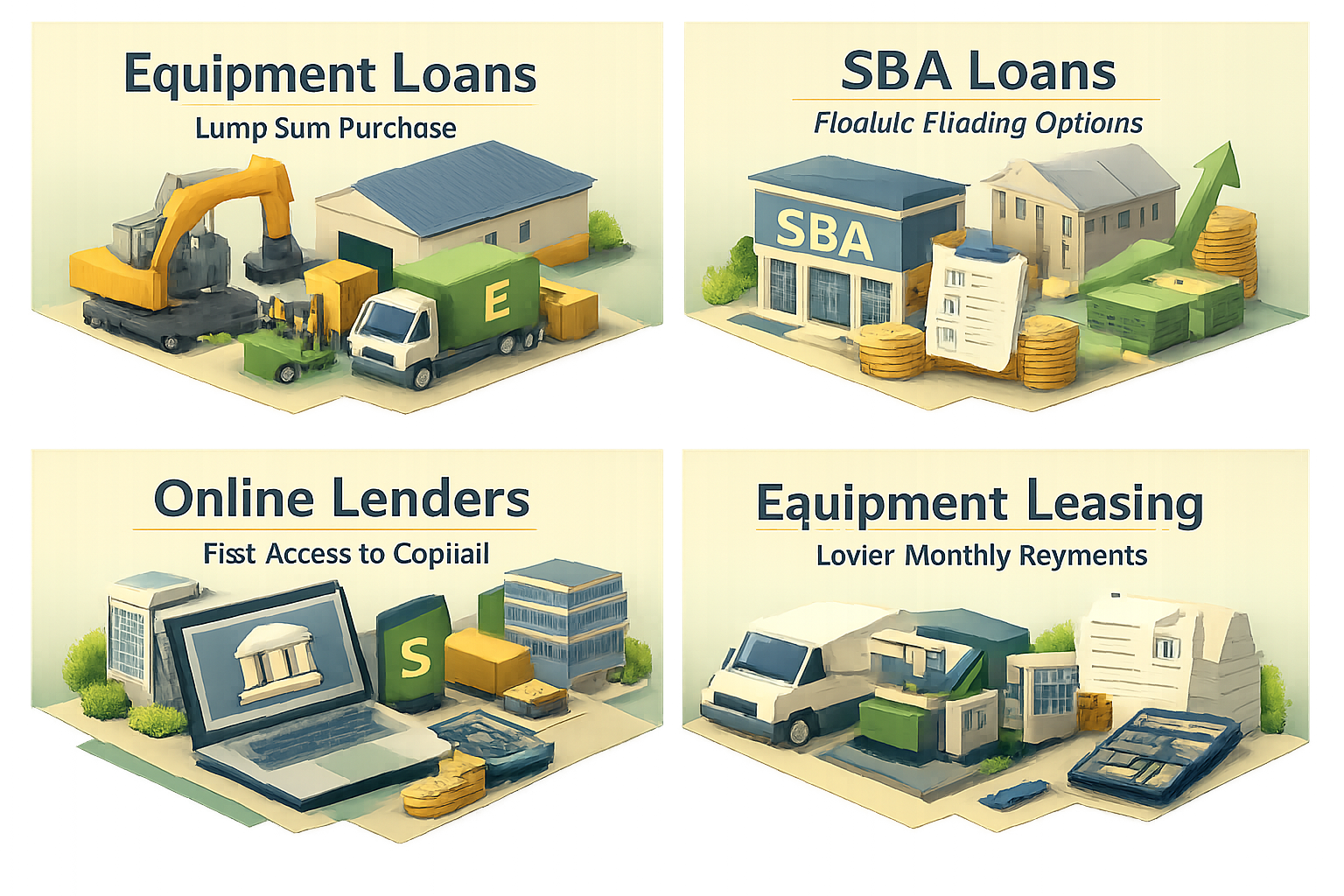
There's no single "best" financing path for every sawmill entrepreneur. The right option often depends on your business stage, credit history, revenue, and how much you need to borrow. Here's a look at the most common routes small business owners pursue.
Traditional Equipment Loans
Offered by banks, credit unions, and online lenders, traditional equipment loans provide a lump sum to purchase the sawmill. You repay the principal plus interest over a fixed term. These loans often come with competitive interest rates for borrowers with strong credit and established business history.
SBA 7(a) and SBA 504 Loans
The U.S. Small Business Administration (SBA) backs several loan programs that small business owners can use to purchase equipment. The SBA 7(a) loan is the most flexible and can be used for equipment, working capital, or business expansion. The SBA 504 loan is specifically designed for major fixed assets like heavy machinery and equipment — making it a strong fit for sawmill purchases.
SBA loans typically offer longer repayment terms and lower down payment requirements compared to conventional loans, which could make them highly attractive for newer entrepreneurs. However, the application process tends to be more involved and may take longer to complete.
Online and Alternative Lenders
For business owners who need faster access to capital or who may not qualify for traditional financing, online lenders and alternative financing options offer equipment loans and leases with streamlined application processes. Approval decisions can sometimes come within 24 to 48 hours, though interest rates may be higher than bank options.
Equipment Leasing
Leasing allows you to use the sawmill without purchasing it outright. Monthly payments are typically lower, and at the end of the lease, you may have the option to buy the equipment at fair market value or a predetermined price. This could be a smart strategy for business owners who want to preserve cash flow or test a particular model before committing to ownership.
What Lenders Look for When Evaluating Your Sawmill Business
Before approving equipment financing for a portable sawmill business, lenders will evaluate several factors to determine your creditworthiness and repayment ability. Understanding these criteria can help you prepare a stronger application.
Personal and Business Credit Scores
Most lenders will review both your personal credit score and your business credit profile. A higher credit score generally leads to better loan terms and lower interest rates. If your credit score is below the lender's threshold, it may still be possible to qualify — especially if the equipment itself provides sufficient collateral — but you might face higher rates or stricter conditions.
Time in Business
Lenders typically prefer borrowers who have been operating for at least one to two years. If you're just starting out, you may need to explore startup-friendly options such as SBA Microloans or lenders who specialize in new business ventures. Having a detailed business plan and financial projections can help compensate for limited operating history.
Annual Revenue and Cash Flow
Your business's ability to generate consistent revenue is a key indicator of repayment capability. Lenders will likely request bank statements, tax returns, and profit-and-loss statements to verify income. For seasonal businesses like portable sawmills — which may experience fluctuating demand — it's important to demonstrate how you manage cash flow throughout the year.
Debt-to-Income Ratio
Lenders also assess how much of your income is already committed to existing debt obligations. A lower debt-to-income ratio signals that you have room in your budget to take on new loan payments without financial strain. Understanding lender expectations around this metric can help you position your application more effectively.
How to Strengthen Your Loan Application Before You Apply
Preparation goes a long way when applying for business financing. Taking the time to organize your documents and improve your financial profile can significantly improve your chances of approval — and may help you secure better loan terms.
- Check your credit reports: Review both your personal and business credit reports for errors before applying. Dispute any inaccuracies that could be dragging down your score.
- Build a solid business plan: A well-structured business plan that outlines your services, target market, pricing strategy, and financial projections shows lenders that you're serious and prepared. Include details about how the sawmill will directly generate revenue.
- Organize your financial documents: Most lenders will request recent bank statements, tax returns (personal and business), profit-and-loss statements, and possibly a balance sheet. Having these ready in advance speeds up the process.
- Know your equipment details: Lenders will want to know the make, model, age, and purchase price of the sawmill. If you're buying used equipment, an appraisal or dealer quote may be helpful.
- Consider a down payment: Offering a down payment — even a modest one — can reduce the lender's risk and may improve your chances of approval or result in a lower interest rate.
It's also worth shopping around. Different lenders have different appetites for risk, and comparing multiple offers helps you find the most favorable terms for your specific situation.
Understanding Loan Costs and What to Watch Out For
When evaluating any financing offer, it's critical to look beyond the monthly payment and understand the full cost of the loan. Here are some key terms and potential costs to be aware of:
Annual Percentage Rate (APR)
The APR reflects the true annual cost of borrowing, including the interest rate and any fees. Comparing APRs across loan offers gives you a more accurate picture of what you'll actually pay over the life of the loan.
Origination Fees
Some lenders charge an origination fee — a one-time cost for processing the loan. This fee is often expressed as a percentage of the loan amount and may be deducted from your funds upfront or rolled into the loan balance.
Prepayment Penalties
If you plan to pay off the loan early, check whether the lender charges a prepayment penalty. Some lenders — particularly in the alternative lending space — may charge a fee if you repay before the term ends, which could offset the savings from early payoff.
Balloon Payments
Certain loan structures include a large balloon payment at the end of the term. Make sure you understand the full repayment schedule before signing any agreement.
Working with a knowledgeable lending advisor can help you navigate the fine print and avoid surprises. Transparency in your lending relationship is essential — don't hesitate to ask questions before committing to any offer.
Tips for Managing Cash Flow After You've Secured Financing
Securing the loan is only the first step. Once you've equipment funded your equipment purchase, managing your finances wisely will help ensure you can meet your loan obligations while continuing to grow the business.
Track Revenue Against Loan Payments
Create a simple budget that maps your expected monthly income from sawmill jobs against your fixed loan payment and other operating expenses. This helps you spot potential shortfalls early and make adjustments before they become problems.
Build a Cash Reserve
It's a smart practice to set aside a portion of revenue each month as a cash buffer. Portable sawmill work can be seasonal or project-based, so having reserves can help you cover loan payments during slower periods without stress.
Explore Additional Revenue Streams
Diversifying your services — such as offering custom lumber milling, on-site cutting services, or selling specialty wood products — can help smooth out income fluctuations and strengthen your overall financial position. A more stable revenue stream may also make it easier to qualify for additional financing in the future if you need to expand your equipment fleet.
Maintain Equipment to Protect Your Collateral
Since your sawmill likely serves as collateral for the loan, keeping it in good working condition is both a practical and financial priority. Routine maintenance reduces the risk of costly breakdowns and protects the asset's value throughout the loan term.
●Conclusion
Learning how to secure equipment financing for a portable sawmill business doesn't have to be overwhelming. With the right preparation, a clear understanding of your financing options, and a lender who understands your industry, you can fund the equipment your business needs and build a solid foundation for long-term success. Whether you're exploring SBA loans, traditional equipment financing, or alternative lending solutions, the key is to compare your options, know what lenders are looking for, and approach the process with confidence. At LoanWise, we're here to help small business owners like you navigate the lending landscape and find the financing solutions that fit your goals. Ready to take the next step? Connect with a LoanWise lending advisor today and explore your equipment financing options.