
If you're a professional dog walker managing a growing roster of clients, you already know that running a service-based business comes with real financial demands. From liability insurance and equipment to marketing and staffing, cash flow gaps can appear quickly — even when business is booming. That's where a business line of credit can make a meaningful difference. But what does it actually take to qualify? Understanding the requirements for a business line of credit for a professional dog walker with multiple clients can help you prepare strategically, approach lenders with confidence, and secure the working capital your pet services business needs to grow.
What a Business Line of Credit Actually Is — and Why Dog Walkers Need One
A business line of credit is a flexible financing tool that lets you borrow up to a set limit, repay it, and borrow again as needed. Unlike a traditional term loan, you only pay interest on what you actually use. This revolving structure makes it particularly well-suited for service-based businesses like professional dog walking, where income can be seasonal and expenses don't always align neatly with revenue.
As a dog walker with multiple clients, you might face situations where several clients pause services during the holidays, yet your insurance premiums, app subscriptions, and vehicle maintenance costs remain constant. A business line of credit can bridge those gaps without forcing you to dip into personal savings or delay important business purchases.
Beyond cash flow management, a line of credit can also fund strategic growth — hiring a part-time walker to handle overflow, expanding your service area, or investing in scheduling software that improves client experience. For small business owners in the pet services space, having access to flexible working capital is often the difference between staying stagnant and scaling sustainably.
Core Eligibility Factors Lenders Evaluate for Pet Service Businesses
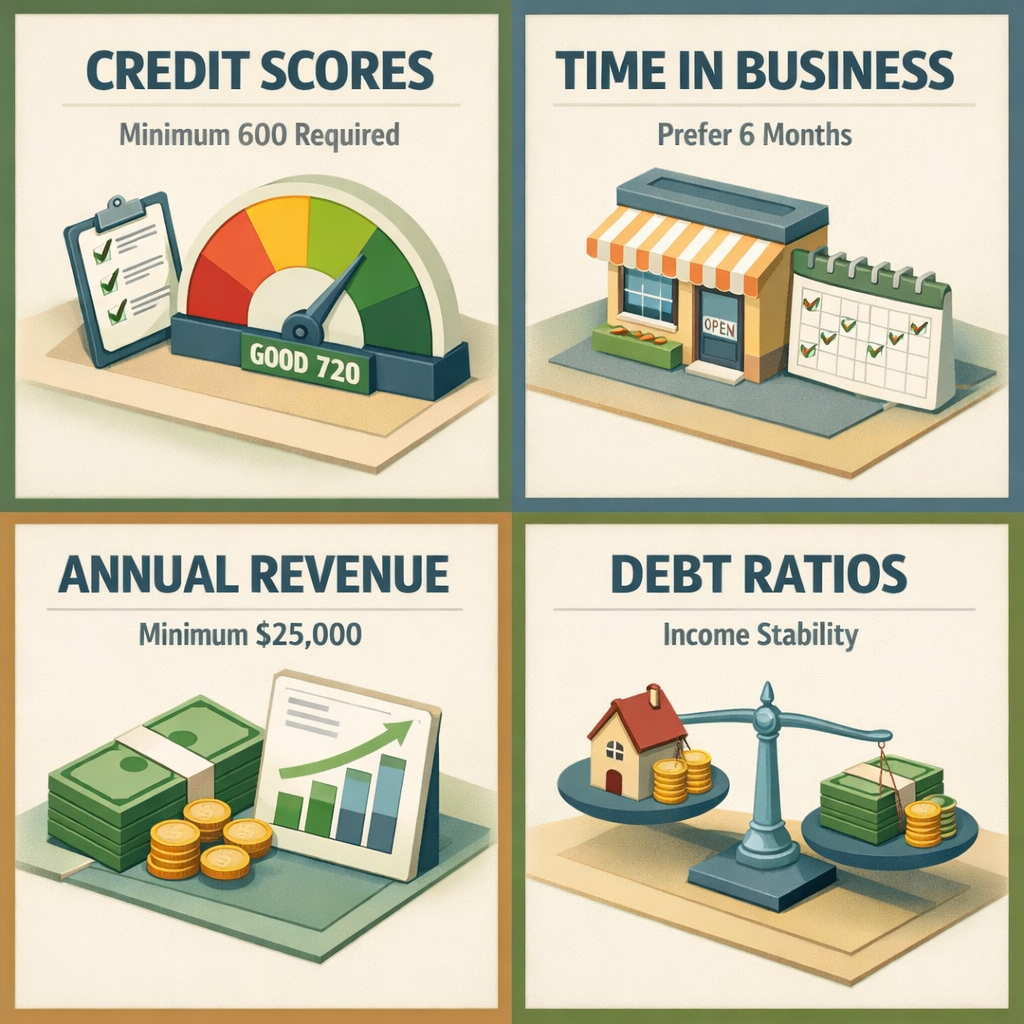
When a lender reviews your application, they're assessing the likelihood that you'll repay what you borrow. For a professional dog walker, this means demonstrating that your business is stable, your finances are organized, and you've built a track record worth trusting. Here are the primary factors most lenders will consider:
- Personal and Business Credit Scores: Most lenders want to see a personal credit score of at least 600 to 650, though higher scores typically unlock better rates and larger credit limits. If you've established a business credit profile through a registered LLC or sole proprietorship with a dedicated EIN, that can strengthen your application further.
- Time in Business: Lenders generally prefer businesses that have been operating for at least six months to one year. If you've been walking dogs professionally for two or more years and can document it, you're in a stronger position.
- Annual Revenue: Many lenders set a minimum annual revenue threshold, which may range from around $25,000 to $50,000 or more, depending on the lender type. Consistent monthly revenue from multiple clients is viewed more favorably than sporadic large payments.
- Debt-to-Income and Cash Flow Ratios: Lenders want to see that your business generates enough income to comfortably cover existing obligations plus new debt payments. Bank statements and profit-and-loss statements help tell this story clearly.
It's worth noting that requirements can vary significantly between traditional banks, credit unions, and online lenders. Online lenders tend to have more flexible criteria, while traditional banks may require stronger financials and longer operating histories.
Documents You'll Likely Need to Gather Before Applying
Preparation is one of the most important steps in the lending process. Having your documents organized before you apply can speed up approval and signal to lenders that you run a professional, well-managed operation. For a professional dog walker applying for a business line of credit for pet services, the following documents are commonly requested:
- Business bank statements (typically the last three to six months) showing consistent deposits from client payments
- Personal and business tax returns for the past one to two years
- Profit and loss statements that break down your income and expenses clearly
- Business formation documents such as your LLC operating agreement, DBA registration, or sole proprietorship documentation
- Proof of business licenses, including any local pet service permits or liability insurance certificates
- A list of current clients or contracts, which may help demonstrate revenue stability and recurring income
Even if you operate as a solo service provider, presenting yourself with organized financials and proper business documentation can meaningfully improve how a lender perceives your application. Many dog walkers underestimate how much professionalism in their paperwork can influence a lending decision.
How Business Structure Affects Your Borrowing Power as a Dog Walker
The legal structure of your dog walking business can have a real impact on your ability to qualify for financing. Sole proprietors can certainly apply for business credit lines, but lenders may view them as higher risk because personal and business finances are often intertwined. Forming an LLC or S-Corp helps separate your business identity from your personal identity, which can make it easier to build a business credit history independently.
If you haven't already opened a dedicated business checking account, doing so is a foundational step. Running all client payments and business expenses through a separate account makes your financials cleaner, easier to document, and more credible in the eyes of a lender.
Additionally, registering with Dun & Bradstreet to establish a DUNS number, or opening a business credit card and paying it consistently, can help you build a business credit profile over time. Lenders offering small business loans for service providers often look at both personal and business credit histories, so building both simultaneously gives you more options when you're ready to apply.
Understanding the Types of Lenders Available to Pet Service Entrepreneurs
Not all lenders are the same, and the right fit for your dog walking business will depend on your financial profile, how quickly you need funds, and how much flexibility you need in repayment. Here's a brief overview of the main lending channels available to small business owners in the pet services space:
- Traditional Banks and Credit Unions: These institutions typically offer the lowest interest rates but come with stricter qualification requirements. They're best suited for dog walkers with two or more years of operating history, strong credit, and solid financials. Credit unions in particular may be more community-oriented and open to working with local service providers.
- Online Lenders: Fintech lenders like those offering revenue-based lines of credit may approve applications more quickly and with fewer documentation requirements. However, interest rates and fees can be considerably higher, so it's important to compare total costs carefully.
- SBA Microloans: The U.S. Small Business Administration offers microloan programs through approved intermediary lenders. These loans — typically up to $50,000 — can be a practical option for newer dog walking businesses that need modest working capital and may not yet qualify for traditional lines of credit.
- Community Development Financial Institutions (CDFIs): CDFIs focus on supporting underserved small business owners and may offer more flexible lending criteria along with business education resources. They could be worth exploring if traditional lenders have been difficult to access.
Comparing multiple lenders before committing is always a smart approach. Even small differences in interest rates, draw fees, or repayment terms can add up significantly over time.
Tips to Strengthen Your Application and Improve Approval Odds
Meeting the baseline requirements for a business line of credit for a professional dog walker with multiple clients is a good start, but there are several steps you can take to make your application stand out. Here are some practical strategies:
- Build your credit before applying: If your personal credit score is below 650, spend a few months paying down existing balances and correcting any errors on your credit report before submitting applications.
- Increase your documented revenue: If you accept cash payments from some clients, consider transitioning to digital invoicing through platforms like Square, QuickBooks, or PayPal. Digital records make it much easier to verify income.
- Write a simple business plan: Some lenders, particularly banks and CDFIs, may ask for a brief overview of your business model, service area, and growth plans. Having a one-page business summary ready can make you appear more prepared and professional.
- Reduce existing debt: If you carry high balances on personal or business credit cards, paying those down before applying can improve your debt-to-income ratio and increase the credit limit a lender might offer.
- Start with a smaller credit limit: Requesting a modest credit line initially — rather than the maximum you think you might need — may improve your approval odds and allow you to demonstrate responsible usage before requesting an increase.
●Conclusion
Securing financing as a professional dog walker is entirely achievable, and understanding what lenders are looking for gives you a real advantage. Whether you're managing five clients or fifty, a business line of credit can provide the financial flexibility to cover slow periods, invest in growth, and run your pet services business with greater confidence. The key is to prepare thoroughly — organize your documents, strengthen your credit profile, choose the right type of lender for your situation, and present your business professionally. If you're ready to explore your financing options, LoanWise is here to help you find the right path forward for your small business journey.