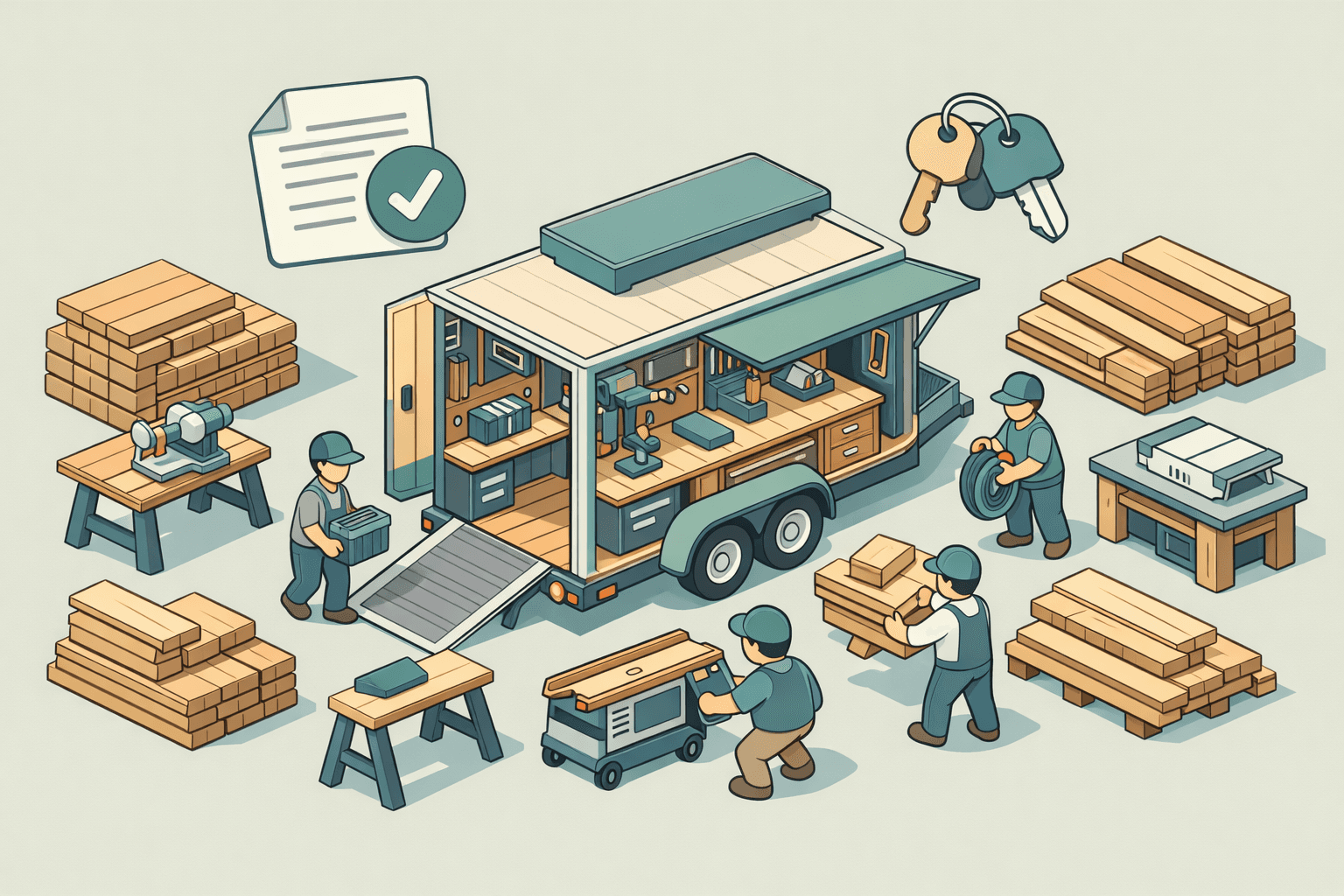
Starting or growing a mobile woodworking shop is an exciting venture, but the cost of professional-grade tools and equipment can be significant. From table saws and planers to custom trailers and dust collection systems, outfitting a mobile operation requires real capital. That's where equipment financing comes in. If you're a small business owner or entrepreneur wondering how to secure equipment financing for a mobile woodworking shop, you're in the right place. This guide walks you through your financing options, what lenders typically look for, and practical steps to improve your chances of approval.
What Makes a Mobile Woodworking Shop Unique as a Business
A mobile woodworking shop isn't your typical brick-and-mortar operation. Instead of a fixed location, you bring craftsmanship directly to customers — whether that's on-site custom builds, furniture repairs, or specialty installations. This business model offers flexibility and lower overhead costs, but it also creates some unique lending considerations.
Because the business is mobile, much of its value is tied directly to the equipment itself. Your trailer, power tools, and specialty machinery aren't just assets — they are your business. Lenders who specialize in equipment financing generally understand this distinction well. The equipment often serves as collateral for the loan, which can make qualification more accessible compared to unsecured business loans.
That said, lenders will still want to understand the nature of your mobile operations. Be prepared to explain how your business generates revenue, who your customers are, and how the equipment you're financing supports that income. A clear business narrative can go a long way when applying for a mobile business equipment loan woodworking product.
Types of Equipment Financing Options Available to Woodworkers
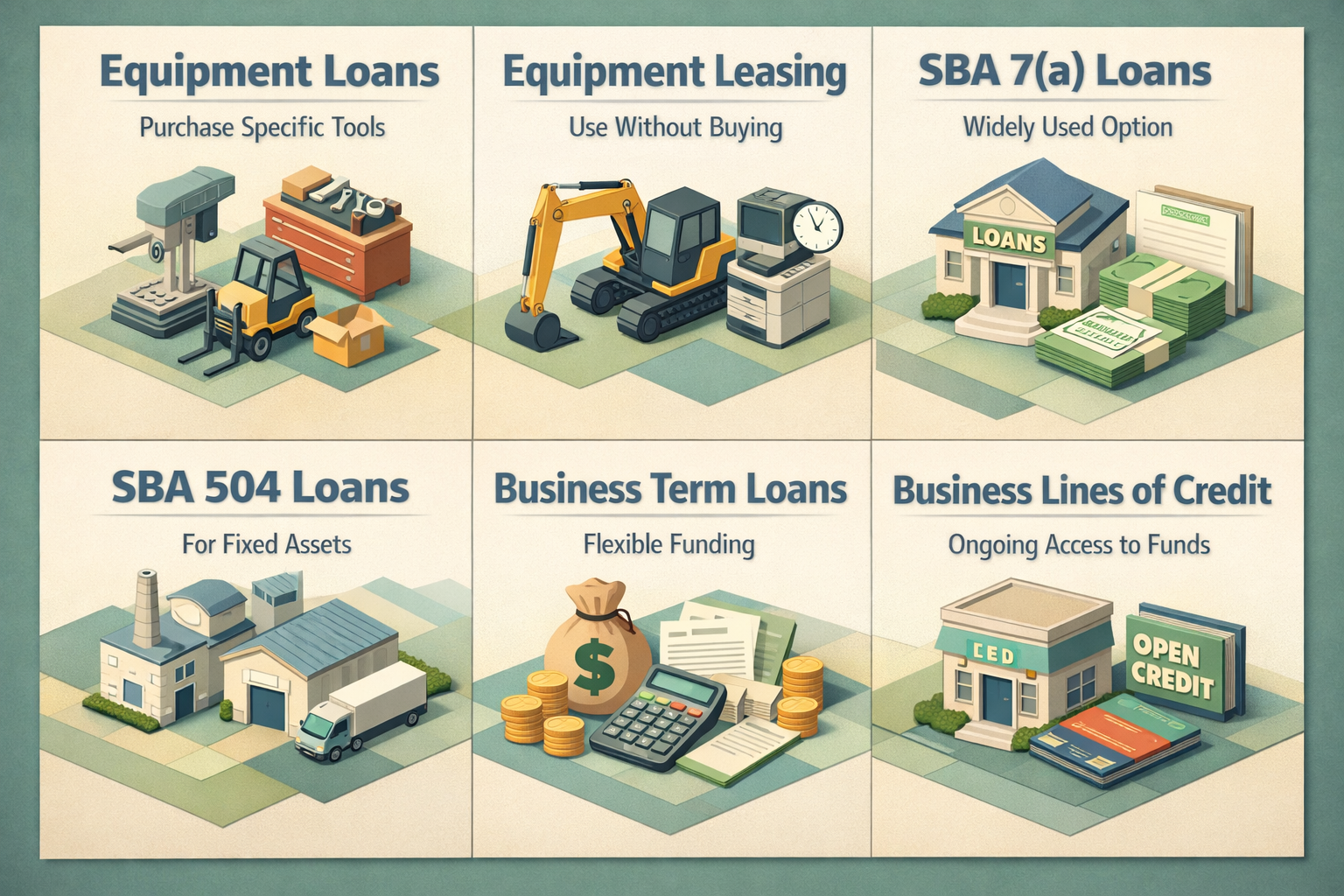
There are several financing structures that may suit a mobile woodworking operation, depending on your goals and financial profile. Understanding the differences can help you choose the right path.
- Equipment Loans: With a traditional equipment loan, the lender provides funds to purchase specific tools or machinery. The equipment typically serves as collateral, which may reduce the lender's risk and could result in more favorable terms. You own the equipment outright once the loan is repaid.
- Equipment Leasing: Leasing allows you to use equipment without purchasing it outright. This option may require lower upfront costs and could be appealing if you expect to upgrade your tools frequently. However, you won't build equity in the equipment over time.
- SBA 7(a) Loans: The Small Business Administration's 7(a) program is a widely used option for small business owners. It can be used for a range of business purposes, including equipment purchases. These loans often come with competitive terms, though the application process may be more involved.
- SBA 504 Loans: The SBA 504 program is specifically designed for the purchase of fixed assets like heavy equipment. If your mobile woodworking setup involves substantial machinery, this program could be worth exploring.
- Business Term Loans: Some entrepreneurs opt for a general business term loan to fund equipment purchases. These loans offer flexibility but may carry higher interest rates than dedicated equipment financing products.
- Business Lines of Credit: A line of credit can give you ongoing access to funds, which may be useful if you're purchasing equipment in stages or need to cover unexpected tool replacements.
Each option comes with its own requirements, costs, and timelines. It's worth speaking with a lender or financial advisor to determine which structure best fits your specific situation.
How Lenders Evaluate Mobile Business Equipment Loan Woodworking Applications
When you apply for a mobile business equipment loan for your woodworking shop, lenders will typically review several key factors to assess your creditworthiness and the viability of the loan. Being aware of these criteria in advance can help you prepare a stronger application.
Business Credit and Personal Credit Scores
Many lenders will review both your personal credit score and your business credit profile, especially for newer businesses. A stronger credit history may open the door to better interest rates and higher loan amounts. If your credit score needs improvement, taking steps to reduce existing debt or resolve any errors on your credit report before applying could make a meaningful difference.
Time in Business
Lenders often prefer businesses that have been operating for at least one to two years, as this demonstrates stability and a track record. If your mobile woodworking shop is brand new, you may need to explore startup-friendly financing options or provide additional documentation to support your application.
Annual Revenue and Cash Flow
Your business's revenue and cash flow are important indicators of your ability to repay the loan. Lenders typically want to see consistent income and manageable existing debt obligations. Having organized financial records — including bank statements, tax returns, and profit-and-loss statements — can help demonstrate your business's financial health.
Equipment Value and Type
Because the equipment often serves as collateral, lenders may assess its value, useful life, and how easily it could be resold if necessary. Professional-grade woodworking equipment generally holds its value reasonably well, which may work in your favor.
Step-by-Step: How to Secure Equipment Financing for a Mobile Woodworking Shop
Knowing how to secure equipment financing for a mobile woodworking shop is more than just filling out a loan application. It's about preparing your business to be seen as a reliable borrower. Here's a practical roadmap to follow.
Step 1 — Define Your Equipment Needs
Start by creating a detailed list of the equipment you need, along with estimated costs. Whether it's a custom-built trailer, a CNC router, or a set of professional hand tools, having a clear scope helps both you and potential lenders understand what the funds will be used for.
Step 2 — Organize Your Financial Documents
Gather your most recent business bank statements, tax returns, profit-and-loss statements, and any existing loan documentation. Lenders typically request at least two years of financial history, though newer businesses may be evaluated on different criteria.
Step 3 — Check and Strengthen Your Credit Profile
Review both your personal and business credit reports for any inaccuracies. If there are errors, dispute them promptly. Pay down any high-balance accounts if possible, and avoid taking on new debt in the months leading up to your application.
Step 4 — Research Lenders Who Work With Mobile or Trade Businesses
Not all lenders are familiar with the mobile woodworking business model. Look for lenders — including community banks, credit unions, online lenders, and SBA-approved institutions — that have experience with trade businesses, contractors, or mobile service operators. Their understanding of your industry could make the process smoother.
Step 5 — Prepare a Business Plan or Summary
Even if it's not formally required, having a concise business summary can strengthen your application. Include details about your services, target customers, revenue model, and how the new equipment will support business growth.
Step 6 — Submit Your Application and Compare Offers
Once you've identified suitable lenders, submit your applications and carefully compare the offers you receive. Pay close attention to the interest rate, repayment term, fees, and any prepayment penalties. Don't feel pressured to accept the first offer — shopping around may reveal better terms.
Tips to Strengthen Your Approval Odds and Loan Terms
Beyond the basic steps, there are several strategies that may help you qualify for better financing terms or improve your overall chances of approval.
- Make a Down Payment if Possible: Some equipment financing arrangements may benefit from a down payment. Putting money down could reduce the loan amount, potentially lower your interest rate, and demonstrate financial commitment to the lender.
- Build Business Credit Proactively: Opening a business credit card, paying vendors on time, and ensuring your business is properly registered can help establish and build your business credit profile over time.
- Work With a Financial Advisor or Loan Broker: A broker who specializes in small business lending may be able to match you with lenders whose programs fit your specific needs, potentially saving you time and improving your options.
- Consider a Co-Signer if Needed: If your credit profile or business history is limited, having a creditworthy co-signer may improve your eligibility for certain loan products.
- Keep Your Books Clean: Maintaining clear, organized financial records throughout the year — not just at tax time — signals professionalism to lenders and makes the application process faster and smoother.
Understanding the Costs and Repayment Structure of Equipment Loans
Before you commit to any financing arrangement, it's important to understand the full cost of borrowing. Equipment loans for small businesses can vary widely in their terms depending on the lender, your credit profile, and the nature of the equipment being financed.
Interest rates on equipment loans may be fixed or variable. Fixed rates provide predictability, which can make budgeting easier for a mobile business with fluctuating seasonal income. Variable rates may start lower but could increase over time, adding uncertainty to your monthly payments.
Repayment terms for equipment financing often align with the expected useful life of the equipment. For woodworking machinery, terms might range from a few years to a decade or more, depending on the equipment's value and the lender's policies. Shorter terms mean higher monthly payments but less total interest paid over the life of the loan. Longer terms reduce monthly payments but increase the overall cost of borrowing.
Be sure to ask lenders about any origination fees, documentation fees, or prepayment penalties before signing. These costs can add up and affect the true cost of your loan. Comparing the annual percentage rate (APR) across different offers — rather than just the stated interest rate — gives you a more accurate picture of what you'll actually pay.
●Conclusion
Securing the right financing for your mobile woodworking shop doesn't have to be overwhelming. By understanding your options, preparing your financial documents, and researching lenders who work with trade and mobile businesses, you can put yourself in a strong position to get the equipment your business needs. Whether you're looking at an SBA loan, a dedicated equipment loan, or a business line of credit, the key is to approach the process with preparation and confidence. At LoanWise, we're here to help small business owners and entrepreneurs like you navigate the lending landscape. Ready to take the next step? Explore your business loan options today and get your mobile woodworking shop fully equipped for success.