
If you run a mobile tailoring business, you already know that the right tools make all the difference. From professional-grade sewing machines to portable pressing stations and fitting mirrors, quality equipment helps you deliver exceptional results wherever your clients are. But acquiring or upgrading that equipment isn't always easy — especially when your revenue fluctuates with the seasons. Wedding season, prom time, and the holidays may bring a surge of orders, while slower months can strain your cash flow. That's exactly why understanding how to secure equipment financing for a mobile tailoring business with seasonal demand is such an important part of running a sustainable operation. This article breaks down your financing options, what lenders typically look for, and smart strategies to improve your approval odds.
Why Equipment Financing Makes Sense for Mobile Tailors
Purchasing equipment outright can drain your working capital fast. For a mobile tailoring business, that capital might be better used for marketing, vehicle maintenance, fabric supplies, or covering slower months. Equipment financing allows you to spread the cost of essential tools over time, often using the equipment itself as collateral. This structure tends to make approval more accessible, even for newer businesses or those with limited credit history.
Equipment loans and leases are two of the most common options. With an equipment loan, you borrow a set amount to purchase the equipment and repay it over a fixed term with interest. At the end of the loan, you own the equipment outright. With an equipment lease, you pay to use the equipment for a defined period, which may offer lower monthly payments and the flexibility to upgrade as technology improves. Both approaches can work well for mobile tailors, depending on your budget, credit profile, and long-term business goals.
The key advantage of equipment financing — compared to unsecured business loans — is that the equipment itself typically serves as collateral. This may reduce the lender's risk, which could translate into more favorable terms for the borrower. It also means you might qualify even if your overall business credit isn't strong yet.
Understanding Seasonal Cash Flow and Its Impact on Loan Approval
Seasonal revenue patterns are one of the biggest challenges mobile tailoring business owners face when applying for financing. Lenders typically want to see stable or growing revenue, and uneven income — even if it averages out well annually — can raise concerns during underwriting. The good news is that seasonal businesses are not automatically disqualified. Many lenders understand cyclical industries and have lending products designed with that reality in mind.
What lenders often look for in a seasonal business application includes:
- Two or more years of tax returns showing consistent annual revenue, even if monthly figures vary
- Bank statements that demonstrate healthy deposits during peak periods and manageable expenses during slow months
- A clear explanation of your seasonal cycle and how you manage off-peak cash flow
- Projected revenue for the upcoming season, backed by client contracts, bookings, or historical data
Preparing a brief seasonal business narrative — a simple written explanation of when your busy and slow seasons occur and why — can help reassure lenders who may not be familiar with the tailoring industry. Transparency often works in your favor when your financials tell a story that numbers alone might not fully capture.
Types of Lenders Offering Mobile Tailoring Business Equipment Loans
Not all lenders approach small business equipment financing the same way. Understanding your options helps you find the best fit for your specific situation as a mobile tailor with fluctuating income.
Traditional Banks and Credit Unions
Banks and credit unions may offer competitive interest rates on equipment loans, but they often have stricter qualification requirements. You'll likely need strong personal credit, established business history, and detailed financial documentation. If you have a relationship with a local bank or credit union, that existing connection could work in your favor during the application process.
Online Business Lenders
Online lenders have expanded access to seasonal business funding for small business owners who might not qualify through traditional channels. These platforms often have faster application processes, more flexible underwriting, and may be more comfortable with non-traditional income patterns. The trade-off is that interest rates can be higher, so it's important to compare terms carefully before committing.
SBA Loan Programs
The U.S. Small Business Administration (SBA) offers several loan programs that may support equipment purchases. SBA microloans, for example, are designed for smaller funding needs and are administered through nonprofit intermediaries. These could be a strong option for mobile tailors who need a modest amount to purchase or upgrade equipment without taking on a large debt obligation. SBA 7(a) loans may also be used for equipment, though the application process can be more involved.
Equipment Financing Companies
Specialty equipment financing companies focus specifically on asset-based lending. Because they specialize in this area, they often have streamlined processes and may be more willing to work with newer businesses or seasonal income structures. Some may also offer vendor financing arrangements if you're purchasing equipment from a specific supplier.
How to Strengthen Your Application Before You Apply
Preparation is one of the most effective tools a small business owner has when approaching a lender. Before you submit a mobile tailoring business equipment loan application, consider taking these steps to improve your position:
- Check your personal and business credit scores. Many small business lenders review both. If your scores need improvement, spending a few months paying down balances and correcting any errors on your credit report can make a meaningful difference.
- Organize your financial documents. Have your most recent tax returns, profit and loss statements, and three to six months of bank statements ready. Lenders may also request a business plan or equipment quote.
- Get a quote for the specific equipment. Knowing exactly what you need and what it costs helps lenders evaluate your request efficiently and shows that you've done your homework.
- Separate your business and personal finances. If you haven't already, open a dedicated business bank account. This makes it much easier for lenders to evaluate your business income separately from personal expenses.
- Demonstrate off-season sustainability. Show how your business manages expenses during slow periods — whether through savings, a line of credit, or reduced operating costs. This reassures lenders that you won't default during a low-revenue month.
It's also worth exploring whether any local small business development centers (SBDCs) or SCORE chapters in your area offer free financial coaching. These organizations can help you review your application materials and identify any gaps before a lender does.
Loan Terms and Costs to Evaluate for Seasonal Business Funding
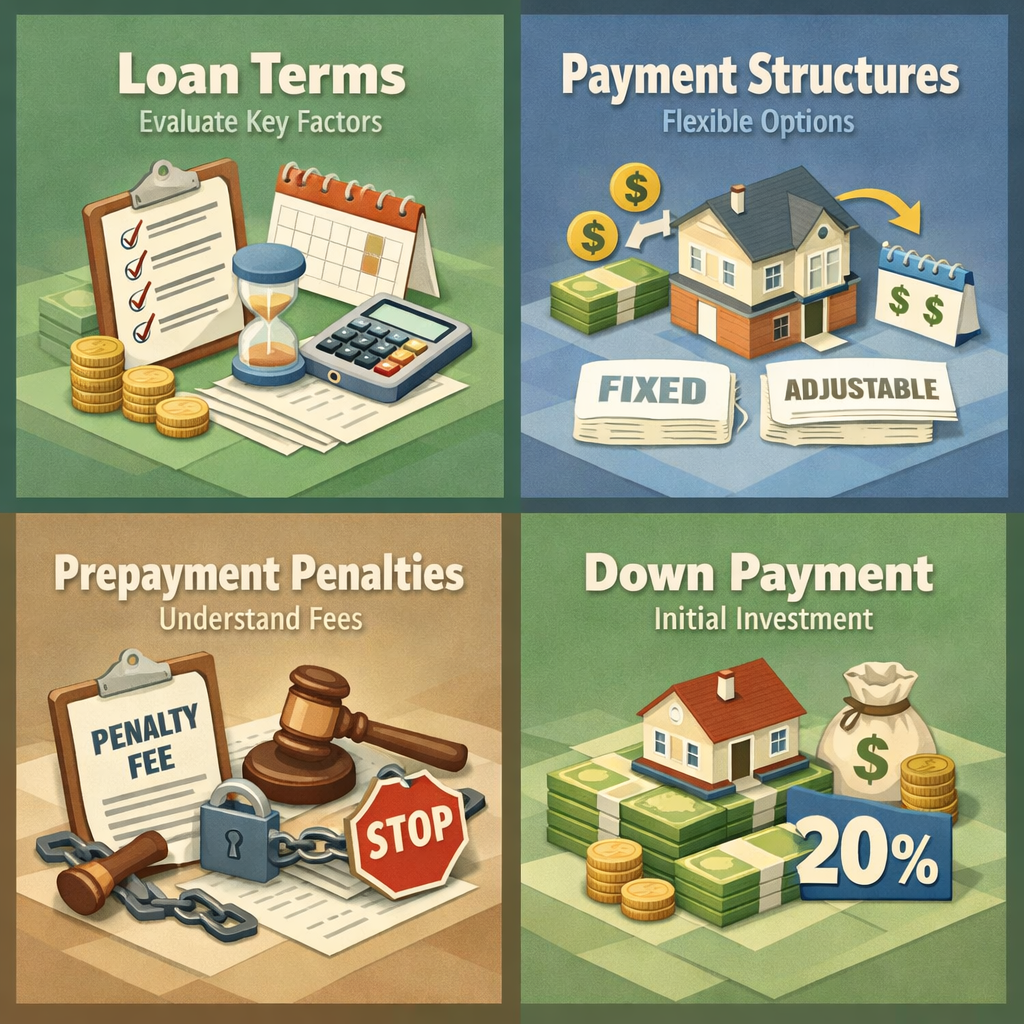
When comparing financing options, it's easy to focus only on the monthly payment. But the full cost of a loan involves several factors that deserve careful attention, particularly for a seasonal business where cash flow is uneven.
Here are the key terms to evaluate:
- Annual Percentage Rate (APR): This reflects the true yearly cost of borrowing, including fees. A lower APR generally means lower total cost over the life of the loan.
- Loan term length: Shorter terms mean higher monthly payments but less interest paid overall. Longer terms spread out payments but may cost more in total interest. For seasonal businesses, a term that aligns with your revenue cycle could be beneficial.
- Prepayment penalties: Some lenders charge a fee if you pay off the loan early. If you plan to use peak-season revenue to pay down your balance faster, look for loans without prepayment penalties.
- Down payment requirements: Equipment loans often require a down payment ranging from 10% to 20%, though this can vary. Having some savings set aside can reduce your borrowing amount and improve your approval odds.
- Flexible payment structures: Some lenders may offer seasonal repayment schedules, where you pay more during high-revenue months and less during slow periods. This structure can be particularly valuable for mobile tailors whose income peaks around specific times of year.
Always read the full loan agreement before signing, and don't hesitate to ask your lender to clarify any terms you don't fully understand.
Practical Tips for Managing Equipment Debt With a Seasonal Income
Securing financing is only part of the equation. Managing that debt responsibly — especially with fluctuating income — requires intentional financial planning. Here are some strategies that may help mobile tailoring entrepreneurs stay on track:
Build a Cash Reserve During Peak Season
When orders are flowing and revenue is strong, resist the temptation to expand spending immediately. Setting aside a portion of peak-season income as a cash buffer can help you cover loan payments during slower months without stress. Even a modest reserve fund can make a significant difference in your financial stability.
Use a Business Line of Credit as a Safety Net
A business line of credit works differently from a term loan — you draw funds as needed and only pay interest on what you use. Establishing a line of credit during a strong revenue period (when approval is easier) gives you a flexible resource to tap if a slow season runs longer than expected. It's not meant to fund equipment purchases directly, but it can help you manage cash flow while your equipment loan payments continue.
Track Equipment ROI
Keep a close eye on whether your new or upgraded equipment is generating the returns you expected. If a new industrial sewing machine allows you to take on more clients or complete orders faster, that increased revenue should ideally outpace the monthly loan cost. Tracking this relationship helps you make smarter decisions about future financing.
Communicate Early With Your Lender
If you anticipate difficulty making a payment during an unusually slow season, reach out to your lender before you miss a payment. Many lenders are willing to discuss short-term accommodations — such as a payment deferral or modified schedule — for borrowers who communicate proactively. Waiting until you're behind often limits your options.
●Conclusion
Learning how to secure equipment financing for a mobile tailoring business with seasonal demand is a meaningful step toward building a more resilient and capable operation. The right equipment helps you serve more clients, deliver better results, and compete in a demanding market — and financing makes that equipment accessible without depleting your working capital all at once. Whether you explore an equipment loan through an online lender, an SBA microloan, or a specialty financing company, the key is preparation. Understand your seasonal cash flow, organize your financial documents, and choose loan terms that reflect the reality of how your business earns revenue throughout the year. At LoanWise, we're here to help small business owners like you navigate the lending landscape with confidence. Explore your financing options today and take the next step toward equipping your business for long-term success.