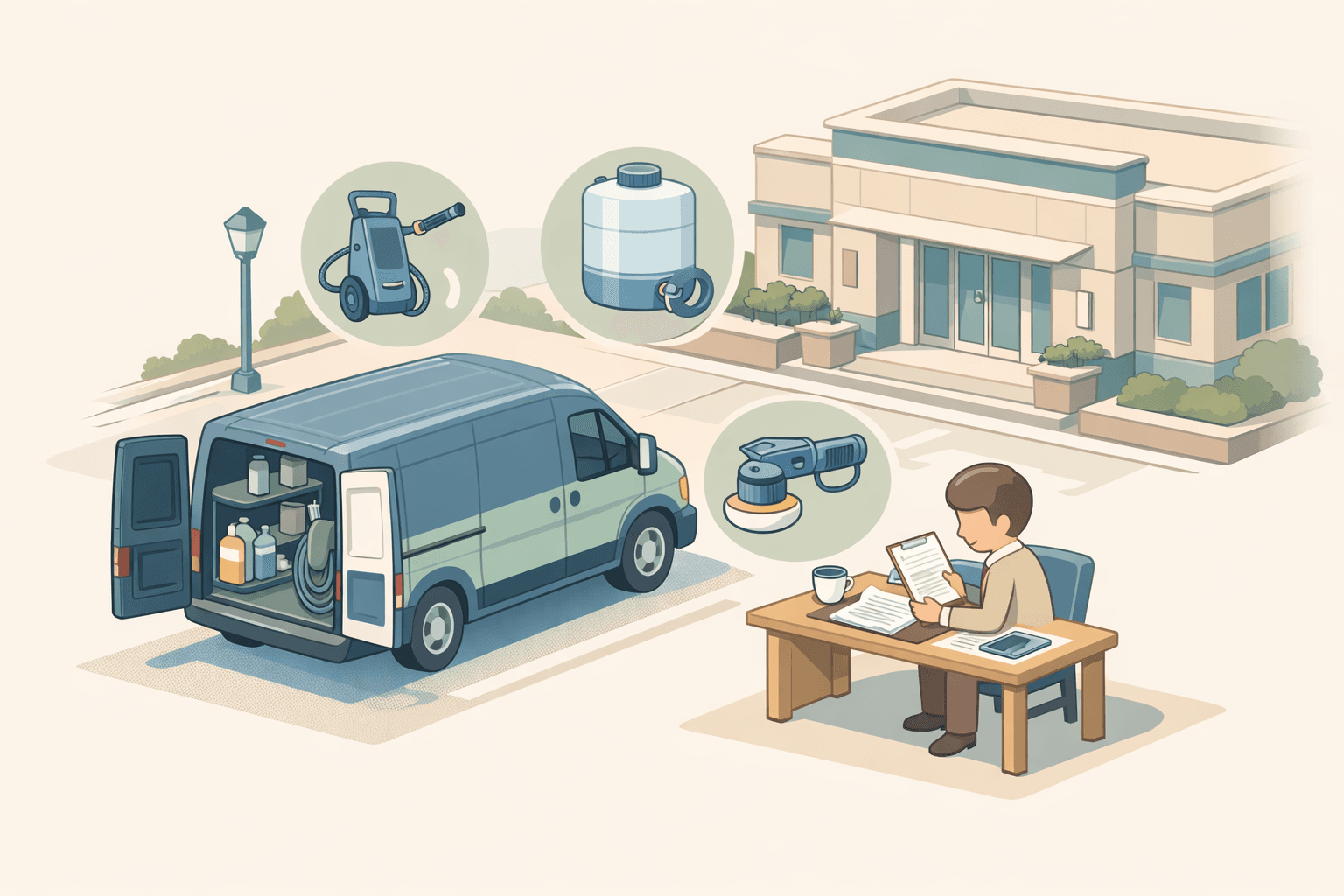
Running a mobile professional detailing service is an exciting entrepreneurial opportunity. You get to be your own boss, set your own schedule, and build a loyal customer base — all without the overhead of a traditional brick-and-mortar shop. But before you can hit the road and start earning, you need the right equipment. High-powered pressure washers, water tanks, polishing machines, commercial-grade vacuums, and a reliable service vehicle don't come cheap. That's where equipment financing comes in. If you've been wondering how to secure equipment financing for a mobile professional detailing service, you're in the right place. This guide walks you through the financing landscape, what lenders look for, and how to put your best foot forward when applying.
Understanding What Equipment Financing Actually Covers
Before diving into the application process, it helps to understand what an equipment loan for detailing business owners typically covers. Equipment financing is a type of business loan designed specifically to help you purchase or lease the tools and assets needed to operate your business. Unlike a general-purpose term loan, the equipment itself often serves as collateral — which can make approval somewhat easier, even for newer business owners.
For a mobile detailing service, eligible purchases under an equipment loan may include:
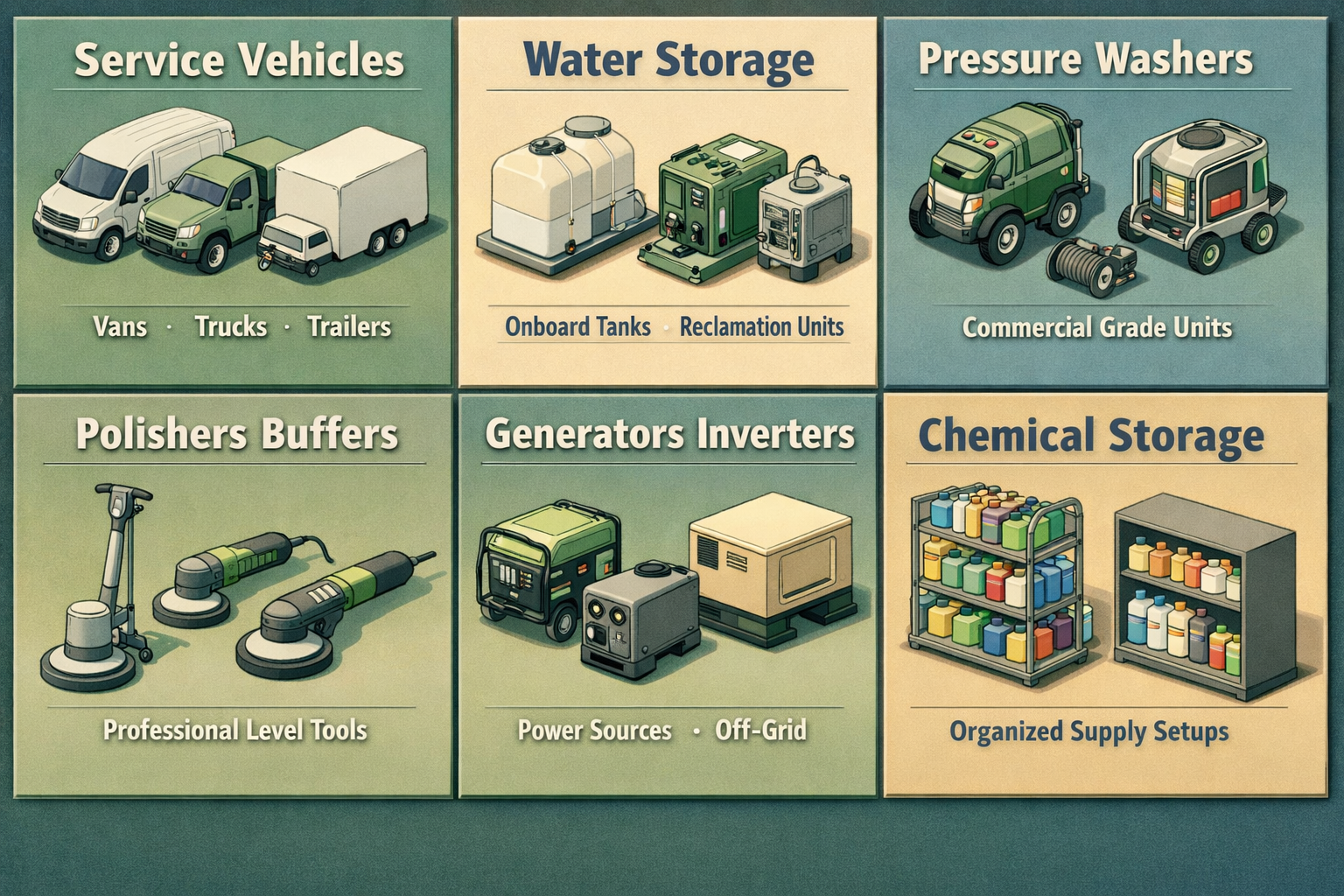
- Service vehicles — vans, trucks, or trailers converted for mobile detailing
- Water storage systems — onboard tanks and reclamation units
- Pressure washers and steam cleaners — commercial-grade units built for daily use
- Polishers, buffers, and extraction machines — professional-level tools for paint correction and interior work
- Generators and inverters — power sources when working off-grid
- Chemical storage and dispensing systems — organized supply setups for efficiency
It's worth noting that financing for mobile service vehicles may fall under a separate commercial auto loan category depending on the lender. Some lenders bundle the vehicle and equipment under a single equipment financing package, while others require separate applications. Always ask your lender upfront about how they categorize mobile business vehicles before you apply.
Exploring Your Loan Options as a Small Business Owner
There's no single path to funding your detailing setup. Small business owners typically have several financing options worth exploring, each with its own trade-offs in terms of cost, flexibility, and qualification requirements.
Traditional Equipment Loans
A traditional equipment loan provides a lump sum to purchase your equipment, which you then repay over a set term — typically ranging from two to seven years. Interest rates and terms vary based on your credit profile, time in business, and the value of the equipment. Because the equipment secures the loan, lenders may be more willing to work with borrowers who have limited business credit history.
SBA 7(a) Loans
The SBA 7(a) loan program is a popular option for small business owners who need larger amounts of capital. These loans are partially guaranteed by the U.S. Small Business Administration, which reduces risk for lenders and may help you access more favorable terms. SBA 7(a) loans can be used for a wide range of business purposes, including equipment purchases, working capital, and vehicle acquisition. However, the application process tends to be more involved and may take longer than other loan types.
SBA Microloans
If you're just starting out or need a smaller amount of capital, an SBA Microloan might be worth considering. These loans go up to $50,000 and are administered through nonprofit intermediary lenders. They're often designed for startups and underserved entrepreneurs, making them a potentially accessible option if your detailing business is in its early stages.
Business Lines of Credit
A business line of credit offers flexible access to funds up to a set limit. You only pay interest on what you draw, making it a useful option for managing ongoing supply costs or handling unexpected equipment repairs. It may not be the best fit for a large one-time equipment purchase, but it can complement a primary equipment loan nicely.
What Lenders Typically Look for Before Approving Your Application
Understanding the lender's perspective is one of the most practical steps you can take when learning how to secure equipment financing for a mobile professional detailing service. While every lender has its own criteria, there are common factors that tend to influence approval decisions for small business borrowers.
Personal and Business Credit Scores
For newer businesses without an established credit history, lenders often rely heavily on the owner's personal credit score. A stronger credit score may help you qualify for better interest rates and higher loan amounts. If your score needs work, it may be worth spending a few months paying down existing balances and correcting any errors on your credit report before applying.
Time in Business
Many traditional lenders prefer to see at least one to two years of operating history. That said, some alternative lenders and SBA Microloan programs are more open to startups. If you're brand new, be prepared to present a detailed business plan that demonstrates your revenue projections, target market, and operational strategy.
Revenue and Cash Flow
Lenders want to feel confident that your business generates enough income to cover loan repayments. Bank statements, tax returns, and profit-and-loss statements are commonly requested documents. If your detailing business is new, a strong personal income history or a co-signer may help strengthen your application.
Down Payment Readiness
Some equipment lenders require a down payment — often in the range of 10% to 20% of the equipment's total cost. Having some cash reserves not only helps with approval but also reduces the amount you need to borrow, which lowers your monthly payment obligation.
Building a Strong Application Package for Your Detailing Business
A well-prepared loan application can make a meaningful difference in both your approval odds and the terms you're offered. Here's what entrepreneurs in the mobile detailing space should typically gather before approaching a lender.
- Business plan — Include your service offerings, target market (residential, commercial, fleet clients), pricing strategy, and financial projections
- Equipment quotes or invoices — Lenders want to know exactly what you're purchasing and its market value
- Personal and business tax returns — Usually two years' worth, if available
- Bank statements — Typically three to six months of business and personal account activity
- Business licenses and registrations — Proof that your business is legally established
- Driver's license and personal identification — Standard for any loan application
If you're applying for financing for mobile service vehicles as part of a broader equipment package, include documentation on the vehicle's intended use, expected mileage, and whether it will be customized for detailing operations. Lenders financing specialized vehicles may want to understand the asset's resale value in the event of default, so presenting a clear picture of the vehicle's purpose and worth is helpful.
Comparing Lenders to Find the Right Fit for Your Mobile Business
Not all lenders approach equipment financing the same way, and shopping around is one of the smartest moves a small business owner can make. Here are the main lender types worth evaluating when seeking an equipment loan for detailing business operations.
Community Banks and Credit Unions
Local financial institutions often have a vested interest in supporting small businesses in their area. They may offer more personalized service and be willing to consider factors beyond just your credit score. If you already have a banking relationship with a local institution, that's worth leveraging.
Online Business Lenders
Online lenders have expanded access to business financing significantly. They often have faster application processes, less paperwork, and may be more flexible with credit requirements. The trade-off is that interest rates can sometimes be higher than those offered by traditional banks, particularly for borrowers with lower credit scores.
SBA-Approved Lenders
If you qualify for an SBA loan, working with an SBA-approved lender gives you access to government-backed terms that may be more favorable than conventional options. Interest rates on SBA loans are regulated to stay within certain limits, which can provide meaningful cost savings over a multi-year repayment period.
Equipment-Specific Finance Companies
Some finance companies specialize exclusively in equipment lending for specific industries. These lenders often have deep familiarity with the equipment's value and utility, which may make them more confident extending financing — even to newer business owners. It's worth searching for lenders who have experience with commercial vehicles, service equipment, or even automotive businesses specifically.
Strategies to Strengthen Your Chances of Approval
Beyond having your documents in order, there are a few proactive strategies that may improve your position as a borrower and help you get funded on favorable terms.
Establish Business Credit Early
Opening a dedicated business bank account, getting a business credit card, and paying vendors on time are foundational steps toward building a business credit profile. The sooner you start, the more history you'll have when you apply for a larger loan. Lenders tend to view established business credit as a sign of financial discipline.
Start Smaller if Needed
If you're having trouble qualifying for a large equipment package, consider starting with a smaller loan for your most essential tools and building your credit history before expanding. Demonstrating that you can manage and repay a modest loan responsibly may open the door to larger financing down the road.
Consider Equipment Leasing as an Alternative
Leasing doesn't give you ownership, but it often requires less capital upfront and may have lower monthly payments. For entrepreneurs who are just launching their mobile detailing service and want to preserve cash flow, leasing some equipment while purchasing key assets outright could be a practical strategy worth discussing with your accountant or financial advisor.
Work with a Business Loan Advisor
Navigating the lending landscape on your own can be time-consuming. Working with an experienced business loan advisor — someone who understands the equipment financing space — may help you identify the right products, prepare a stronger application, and avoid common mistakes that slow down or derail approvals.
●Conclusion
Knowing how to secure equipment financing for a mobile professional detailing service is a real competitive advantage as an entrepreneur. The right financing lets you invest in professional-grade equipment from day one, present your business credibly to clients, and scale without draining your personal savings. Whether you pursue a traditional equipment loan, an SBA program, or an online lender, the key is to prepare thoroughly, understand your options, and apply with a clear picture of your business goals. At LoanWise, we work with small business owners and entrepreneurs who are ready to take the next step. Reach out today to explore equipment financing solutions tailored to your mobile detailing business.