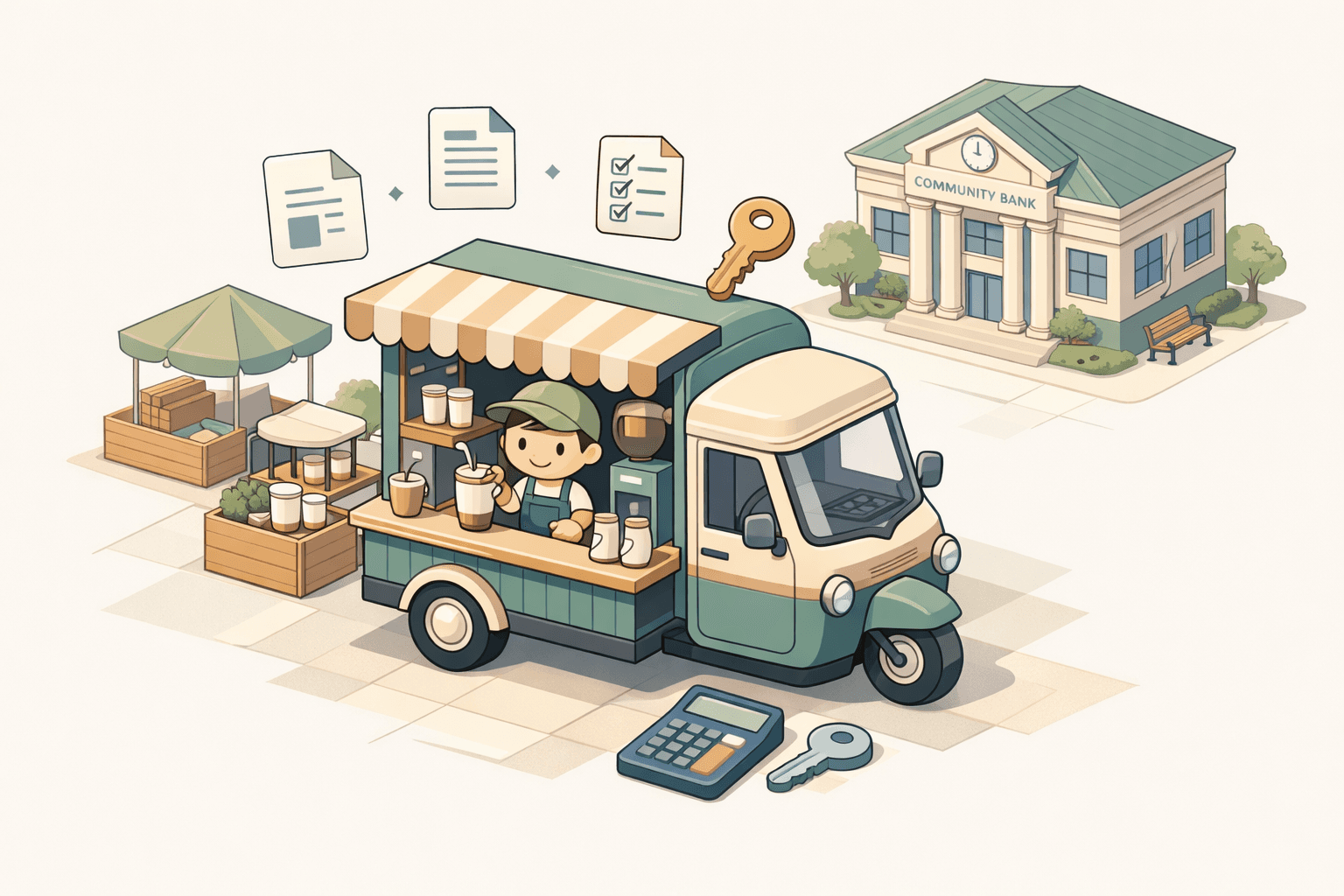
The mobile coffee business is one of the most accessible ways for entrepreneurs to enter the food and beverage industry. With lower startup costs than a traditional café, a coffee cart can be a smart first step toward building a thriving small business. But even a compact mobile setup comes with real equipment costs — espresso machines, grinders, refrigeration units, serving counters, and the cart itself. That's why understanding how to secure equipment financing for a mobile coffee cart is so important before you start shopping for gear. Whether you're launching your first venture or expanding an existing operation, the right mobile business equipment loan can make the difference between getting off the ground quickly or waiting months while you save up capital.
What Equipment Financing Actually Covers for a Mobile Coffee Setup
Before diving into the application process, it helps to know exactly what equipment financing is designed to fund. In general terms, equipment financing is a type of business loan or lease arrangement where the funds are used specifically to purchase or lease physical assets needed to operate a business. For a mobile coffee cart owner, this could cover a wide range of items.
- The cart or trailer itself — including customized builds or pre-fabricated units
- Espresso machines and grinders — commercial-grade equipment that can be costly
- Refrigeration units — necessary for storing milk, cold brew, and perishables
- Point-of-sale systems — tablets, card readers, and cash drawers
- Water filtration and plumbing components — often required for health code compliance
- Generators or power supply equipment — critical for off-grid events and markets
One of the key advantages of equipment financing is that the equipment itself often serves as collateral for the loan. This means lenders may be willing to work with borrowers who don't have extensive credit histories, since the asset secures the debt. That said, lenders will still evaluate your overall financial profile before approving funds.
Types of Mobile Business Equipment Loans Worth Considering
Not all financing options are created equal, and the best mobile business equipment loan for your situation will depend on your credit profile, how long you've been in business, and the total cost of your equipment. Here are some of the most common loan options small business owners typically explore:
Equipment Loans (Direct Purchase)
With a standard equipment loan, you borrow a lump sum to purchase the cart and related gear outright. You repay the loan over a fixed term — often ranging from two to seven years — with interest. At the end of the loan, you own the equipment free and clear. This tends to be a popular choice for entrepreneurs who want to build equity in their assets over time.
Equipment Leasing
Leasing allows you to use equipment without purchasing it. Monthly payments are typically lower than loan payments, which can help with cash flow in the early months of operation. However, you won't own the equipment at the end of the lease unless there's a buyout option included. This could be a practical choice if you want to upgrade your setup as your business grows.
SBA Loans for Equipment Purchases
The U.S. Small Business Administration offers several loan programs that may be used to purchase business equipment. SBA 7(a) loans and SBA microloans are particularly relevant for small business owners and startups. SBA microloans, for example, are designed for smaller financing needs — often up to $50,000 — which may align well with the cost of a mobile coffee cart setup. These loans are typically administered through nonprofit intermediary lenders and may have more flexible qualification requirements for newer businesses.
Business Lines of Credit
A business line of credit gives you access to revolving funds you can draw from as needed. While not strictly an equipment loan, it could help cover the cost of individual items like a POS system or refrigeration unit without taking on a full equipment loan. This option may suit entrepreneurs who are financing a cart in stages.
Key Eligibility Factors Lenders Look for in Equipment Financing Applications
Understanding what lenders evaluate can help you prepare a stronger application. While requirements vary by lender and loan type, there are several common factors that tend to influence approval decisions for equipment financing.
Credit Score
Your personal credit score often plays a significant role, especially if your business is new or doesn't yet have an established credit profile. Many traditional lenders prefer scores above 650, though some alternative lenders and SBA microloan programs may work with lower scores. It's worth checking your credit report before applying so you can address any errors or outstanding issues.
Time in Business
Lenders typically prefer borrowers who have been operating for at least six months to two years. If you're launching a brand-new coffee cart, you may be considered a startup, which can limit some of your options. However, certain lenders specialize in startup equipment financing, so this isn't necessarily a dealbreaker.
Business Revenue and Cash Flow
Even if your cart is new, lenders may ask for financial projections, a business plan, or bank statements to assess your ability to repay the loan. Having a clear and realistic financial plan for your mobile coffee business can strengthen your application considerably.
Down Payment
Some equipment loans may require a down payment — often somewhere in the range of 10% to 20% of the equipment's total cost. Having some capital set aside not only helps with approval but can also reduce the total amount you need to borrow and lower your monthly payments.
How to Secure Equipment Financing for a Mobile Coffee Cart Step by Step
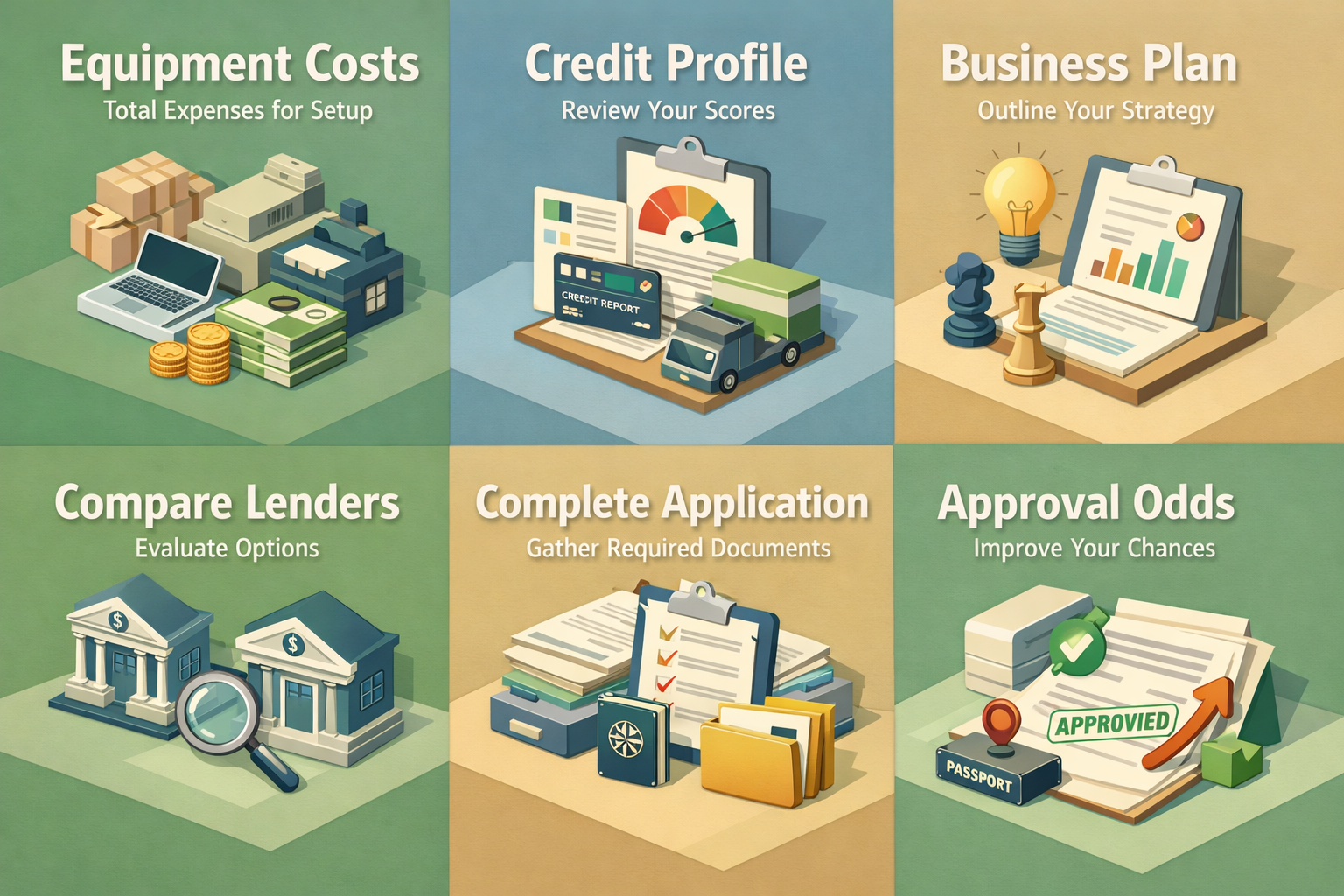
Knowing how to secure equipment financing for a mobile coffee cart comes down to preparation and choosing the right lending path. Here's a practical approach to guide you through the process:
Step 1: Calculate Your Total Equipment Costs
Start by getting detailed quotes for everything you'll need — the cart, all brewing equipment, refrigeration, power supply, and technology. Having a precise number gives lenders confidence that you've done your homework and helps you determine how much financing you actually need.
Step 2: Review Your Credit Profile
Pull your personal and business credit reports. If there are errors, dispute them before applying. If your score needs improvement, consider taking a few months to pay down existing debts or address delinquent accounts before seeking financing.
Step 3: Prepare a Business Plan
A simple but solid business plan can go a long way, especially with SBA lenders or community development financial institutions (CDFIs). Include your target market, pricing strategy, expected monthly revenue, and operating costs. This demonstrates that you're a serious borrower with a viable business model.
Step 4: Compare Lenders and Loan Products
Don't settle for the first offer you receive. Compare rates, terms, fees, and repayment structures across multiple lenders. Online lenders, community banks, credit unions, and SBA-approved lenders all serve small business borrowers — and each may offer different advantages depending on your profile.
Step 5: Submit a Complete Application
Gather all required documentation — tax returns, bank statements, business licenses, equipment quotes, and any financial projections — before submitting. Incomplete applications slow the process and may raise red flags with underwriters.
Where to Find Lenders That Specialize in Small Business Equipment Funding
Finding the right lender is just as important as choosing the right loan product. Small business owners have more financing options today than ever before, and understanding where to look can save a significant amount of time and money.
- Community banks and credit unions — These institutions often have a personal interest in supporting local entrepreneurs and may offer competitive terms for small equipment loans.
- SBA-approved lenders — Many banks and credit unions participate in SBA loan programs. The SBA's lender match tool can help you identify approved lenders in your area.
- Online lenders — Fintech lenders often provide faster approvals and may be more flexible with newer businesses. However, interest rates can sometimes be higher than traditional lenders, so it's important to read the terms carefully.
- CDFIs (Community Development Financial Institutions) — These mission-driven lenders are designed to serve underserved entrepreneurs, including startups and minority-owned businesses. They may offer SBA microloans and other small-dollar financing options.
- Equipment vendors and manufacturers — Some coffee equipment suppliers offer in-house financing or have partnerships with lenders. While convenient, it's still wise to compare these offers against external options.
Regardless of where you apply, always review the annual percentage rate (APR), total repayment amount, and any prepayment penalties before signing an agreement.
Tips to Improve Your Approval Odds and Secure Better Loan Terms
Even if your financial profile isn't perfect, there are practical steps you can take to improve your chances of approval and negotiate more favorable terms on your mobile business equipment loan.
Build a Relationship With Your Bank Early
Opening a dedicated business checking account and keeping it in good standing can make a meaningful impression on lenders. Banks are often more willing to extend credit to customers they already have a relationship with.
Offer Additional Collateral if Needed
If the equipment alone isn't enough to secure the loan, some lenders may accept other business or personal assets as additional collateral. This added security can help unlock better rates or higher loan amounts.
Consider a Co-Signer
For startup entrepreneurs who lack an established credit history, having a creditworthy co-signer on the loan application might improve your eligibility requirements. This is a significant commitment for the co-signer, so it should be approached thoughtfully.
Start Small and Scale Up
If you're struggling to qualify for the full amount you need, consider financing your most essential equipment first and adding other pieces as your business grows and your credit profile strengthens. This phased approach can also reduce your initial debt burden while you're building your customer base.
●Conclusion
Launching a mobile coffee cart is an exciting entrepreneurial move — and securing the right financing doesn't have to be overwhelming. By understanding your equipment financing options, preparing a strong application, and comparing lenders carefully, you put yourself in the best possible position to get your business rolling with confidence. Whether you pursue an SBA microloan, a direct equipment loan, or a lease arrangement, the key is matching the right loan structure to your unique business goals and financial situation. At LoanWise, we're here to help small business owners and entrepreneurs navigate the lending landscape with clarity. Ready to explore your mobile business equipment loan options? Connect with a LoanWise lending specialist today and take the first step toward funding your mobile coffee cart.