
Starting a tutoring center can be one of the most rewarding ventures an entrepreneur takes on. The demand for supplemental education services has grown steadily in recent years, making it a promising market for new business owners. However, like any startup, turning your vision into a fully operational learning center requires funding — and knowing where to find it can make all the difference. Whether you need money for a lease, furniture, staffing, or marketing, understanding the business loan options for a new tutoring center startup is the essential first step on your journey to opening day.
Why Tutoring Center Startups Have Unique Financing Needs
A tutoring center is not quite like a restaurant or a retail shop. Your primary assets are your people, your curriculum, and your learning environment. That means your upfront costs tend to be moderate compared to some industries, but they're still very real. Common startup expenses for a tutoring business might include:
- Commercial lease deposits and first and last month's rent
- Furniture, whiteboards, and classroom supplies
- Educational software and technology such as tablets or learning management systems
- Staffing costs including hiring and training qualified tutors
- Marketing and branding to attract your first students
- Licensing and insurance to operate legally and safely
Because tutoring centers don't carry inventory and may not generate immediate revenue, lenders sometimes view them as higher-risk startups. This is why it's so important to understand which loan products are most accessible to early-stage education businesses — and how to position yourself as a creditworthy borrower from day one.
SBA Loans: A Strong Starting Point for Education Entrepreneurs
When it comes to startup capital for education business ventures, Small Business Administration (SBA) loans are often among the most recommended options. These government-backed loans are designed to help small business owners who may not qualify for conventional bank financing on their own. Because the SBA guarantees a portion of the loan, lenders take on less risk — which typically translates to more favorable terms for borrowers.
SBA 7(a) Loans
The SBA 7(a) loan is the most widely used SBA program and can be a great fit for a new tutoring center. Borrowers may use these funds for working capital, equipment purchases, leasehold improvements, and even refinancing existing debt. Loan amounts can range significantly, and repayment terms are often generous compared to conventional loans, which helps keep monthly payments manageable during those early months of operation.
SBA Microloans
If your tutoring center has more modest startup needs, an SBA Microloan could be worth exploring. These loans offer smaller amounts — typically up to $50,000 — and are administered through nonprofit intermediary lenders. Microloans are often easier to qualify for, which makes them a popular choice among first-time business owners and entrepreneurs in the education sector. Many microloan programs also include mentoring and business development support, which can be invaluable when you're just getting started.
SBA 504 Loans
If you're planning to purchase a building or make significant real estate improvements for your tutoring center, the SBA 504 loan may be worth considering. This program is specifically designed for major fixed assets like real estate and equipment, and it often offers long repayment terms and competitive fixed interest rates.
Term Loans and Lines of Credit for Flexible Startup Funding
Beyond SBA programs, traditional and online lenders offer a variety of products that could help fund a new tutoring center. Two of the most common are term loans and business lines of credit.
Term Loans
A term loan provides a lump sum of money that you repay over a set period with fixed or variable interest. For a tutoring center startup, a term loan could be used to cover your initial buildout, purchase equipment, or bridge the gap between launch and profitability. Term loans from online lenders may be quicker to obtain than SBA loans, though they often come with higher interest rates and shorter repayment windows. It's worth comparing multiple lenders to find the right balance between speed and cost.
Business Lines of Credit
A business line of credit works more like a credit card — you're approved for a maximum amount and you draw from it as needed, only paying interest on what you use. For a tutoring center, this kind of flexibility could be helpful during slow enrollment periods or when unexpected expenses arise. Lines of credit can be particularly useful once your business is up and running and you have a few months of revenue to show lenders.
Alternative Funding Paths Worth Considering
Not every education entrepreneur will qualify for a traditional loan right away — and that's okay. There are several alternative funding strategies that might help you raise the startup capital for your education business while you build your credit history and financial track record.
Grants for Education Businesses
Some local governments, nonprofit organizations, and private foundations offer grants to small businesses in the education sector. Unlike loans, grants don't need to be repaid. Competition can be stiff, but spending time researching available programs in your state or city may uncover worthwhile opportunities. Check with your local Small Business Development Center (SBDC) or Chamber of Commerce for leads.
Crowdfunding and Community Support
Platforms like Kickstarter or GoFundMe for Business have helped entrepreneurs raise early-stage funds without taking on debt. If your tutoring center serves a specific community or fills a clear need, crowdfunding could generate both funding and early brand awareness at the same time.
Personal Savings and Friends or Family
Many startup founders use a combination of personal savings and informal loans from family or friends to get their first business off the ground. While this approach carries its own risks — particularly for personal relationships — it can be a practical bridge while you establish your business financials and pursue formal lending later.
How Lenders Evaluate Tutoring Center Loan Applications
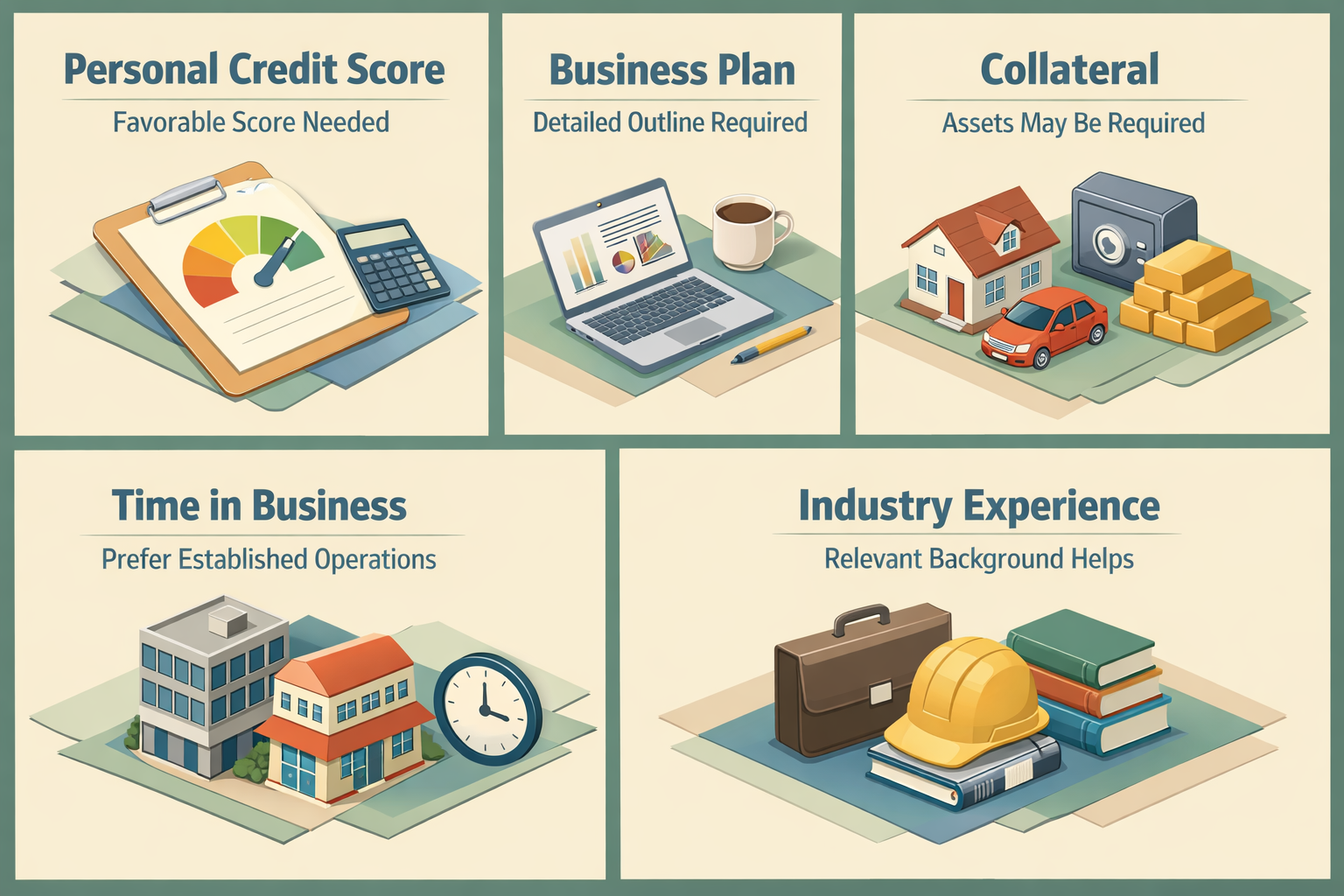
Understanding how lenders think can help you prepare a stronger application. Whether you're applying for an SBA loan or a term loan from an online lender, most financial institutions will look at several key factors when evaluating your request for business loan options for a new tutoring center startup.
- Personal credit score: For startups without an established business credit history, lenders will heavily rely on your personal credit score. A score of 680 or higher is often considered favorable, though requirements vary by lender and loan type.
- Business plan: A detailed, realistic business plan is often required for startup loans. It should outline your target market, pricing structure, projected enrollment, expenses, and revenue forecasts.
- Collateral: Some lenders may require collateral — such as personal assets or business equipment — to secure the loan. SBA loans often have more flexible collateral requirements than conventional bank loans.
- Time in business: This is one of the trickier hurdles for startups. Many lenders prefer businesses that have been operating for at least six months to a year. If you haven't opened yet, focus on lenders that specifically offer startup-friendly products.
- Industry experience: Demonstrating that you have relevant experience in education, tutoring, or business management can strengthen your application and reassure lenders of your ability to succeed.
Building Your Financial Profile Before You Apply
Preparation can be the difference between approval and rejection when applying for a business loan. Here are some practical steps education entrepreneurs can take before submitting any applications:
- Register your business: Form an LLC or corporation and obtain your EIN (Employer Identification Number) from the IRS. This establishes your business as a separate legal entity, which is important for separating personal and business finances.
- Open a dedicated business bank account: Lenders want to see a clear financial picture of your business. A dedicated account makes it easier to track income and expenses and demonstrates organizational credibility.
- Check and improve your credit: Pull your personal credit report and address any errors or outstanding debts before applying. Even small improvements to your score could open up better loan options.
- Gather documentation: Most lenders will ask for personal tax returns, bank statements, a business plan, and financial projections. Having these ready in advance can speed up the application process significantly.
- Consult a Small Business Development Center: SBDCs offer free or low-cost guidance on business planning and loan readiness. A counselor can help you identify the right loan products and refine your application before you submit it.
●Conclusion
Launching a tutoring center is an exciting and meaningful entrepreneurial journey — and the right financing can help you build a strong foundation from day one. From SBA microloans to business lines of credit, there are more business loan options for a new tutoring center startup than many first-time owners realize. The key is to do your homework, prepare your financial profile carefully, and work with lenders who understand the needs of emerging education businesses. At LoanWise, we're here to help small business owners navigate the lending landscape with confidence. Ready to take the next step? Connect with a LoanWise business lending specialist today and explore the funding solutions that fit your goals.