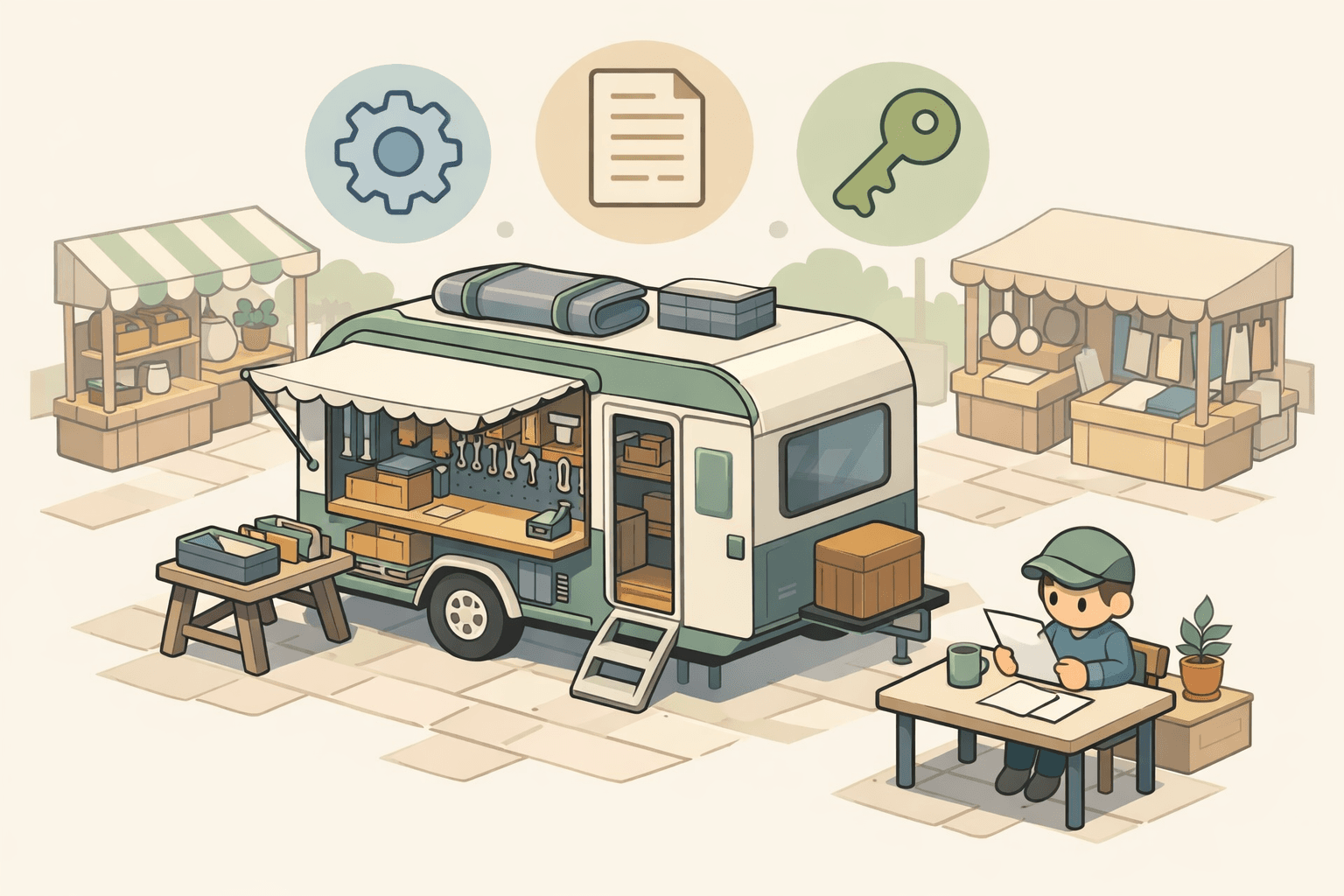
Running a mobile blacksmithing studio is a rewarding venture, but it comes with a distinctive set of financial challenges. Between the cost of portable forges, anvils, trailers, and safety gear, the upfront investment can be substantial. Add in the reality of seasonal demand — with peak activity often tied to craft fairs, festivals, and outdoor markets — and securing traditional financing can feel like an uphill battle. The good news is that lenders today offer a variety of flexible options designed for small business owners in exactly this situation. If you're wondering how to secure equipment financing for a mobile blacksmithing studio with seasonal demand, this guide will walk you through everything you need to know to move forward with confidence.
Understanding Equipment Financing and How It Works for Mobile Trades
Equipment financing is a category of business lending specifically designed to help entrepreneurs purchase or lease the tools, machinery, and assets they need to operate. Unlike a general-purpose business loan, equipment financing is typically secured by the equipment itself, which means the asset acts as collateral. This structure can make approval somewhat more accessible, even for newer businesses or those with limited credit history.
For a mobile blacksmithing operation, the equipment being financed might include a portable propane forge, a heavy-duty trailer or truck, anvils, post vises, blowers, grinding tools, and even a generator. These are tangible, durable assets — which lenders generally view favorably because they retain resale value over time.
There are two primary structures to consider:
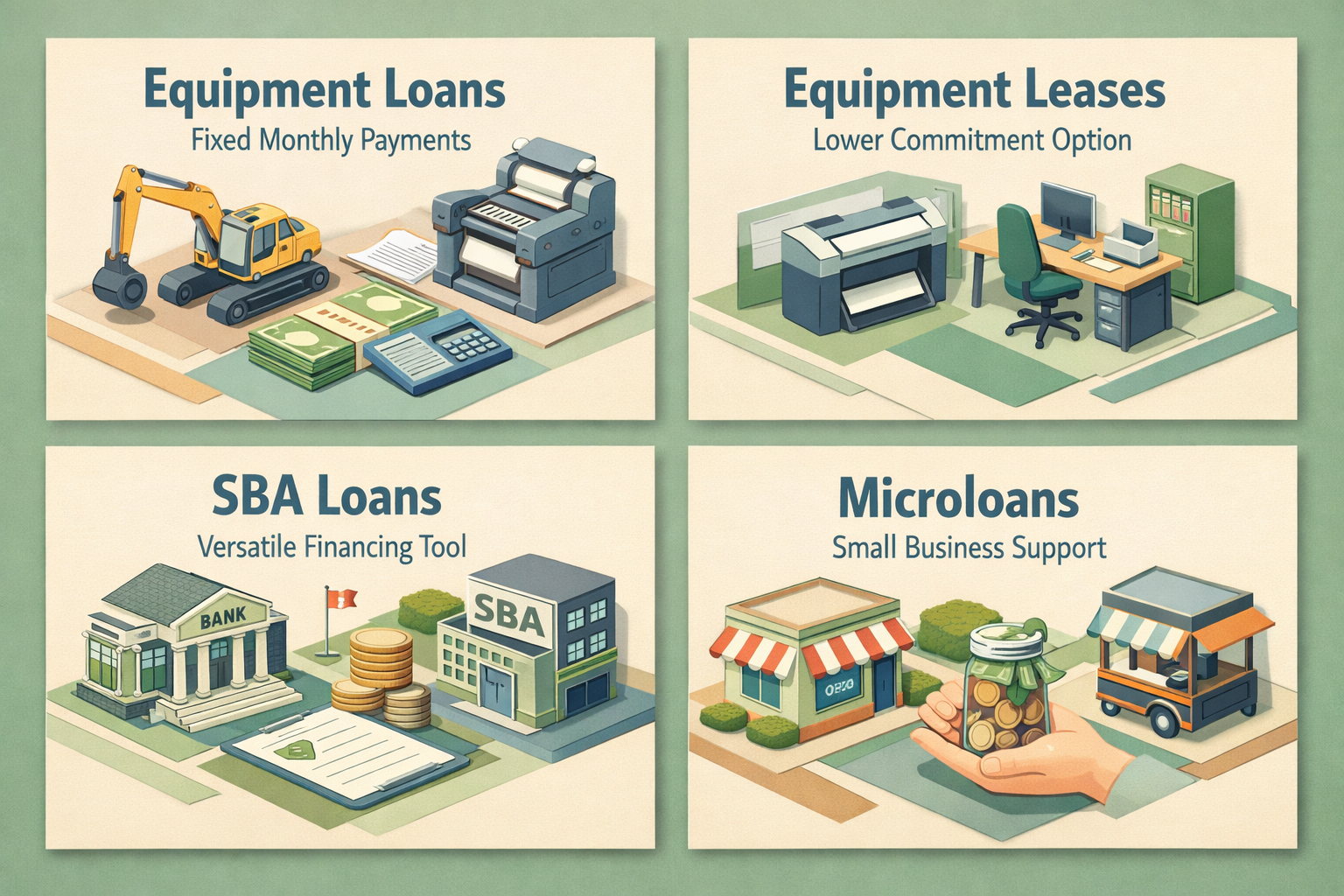
- Equipment loans: You borrow a lump sum to purchase the equipment outright. Once you've repaid the loan, you own the asset free and clear. Monthly payments are fixed, making budgeting more predictable.
- Equipment leases: You make regular payments to use the equipment over a set term. At the end of the lease, you may have the option to purchase, renew, or return it. This can be a lower-commitment entry point for newer studios.
Both options have merit depending on your business stage, cash flow, and long-term goals. A skilled lending advisor can help you compare total cost of ownership across both paths before you commit.
The Seasonal Revenue Challenge and Why Lenders Care About It
One of the most common obstacles that mobile blacksmiths face when applying for equipment financing is demonstrating consistent, reliable income. Lenders evaluate your ability to repay a loan, and seasonal businesses naturally show income that rises and falls throughout the year. This irregular cash flow pattern can raise concerns — but it doesn't automatically disqualify you.
What lenders typically want to see is that your business generates enough total annual revenue to support the loan, even if that revenue isn't evenly spread across every month. They may look at:
- Your trailing 12 to 24 months of bank statements
- Annual tax returns that reflect full-year earnings
- Profit and loss statements showing expense management during slow periods
- Evidence of booked contracts, vendor agreements, or event schedules for future income
It's worth noting that some lenders specialize in seasonal revenue fluctuations and may structure repayment schedules to align with your peak earning periods. Rather than equal monthly payments, these arrangements might allow for lower payments during off-season months and higher payments when business is booming. If you anticipate cash flow gaps in winter or early spring, asking specifically about seasonal payment structures could make a meaningful difference in your day-to-day financial management.
Loan Programs That May Work Well for Mobile Blacksmithing Studios
Not all loan products are created equal, and the right program for your blacksmithing studio will depend on factors like how long you've been in business, your credit profile, and how much capital you need. Here are several options worth exploring:
SBA 7(a) Loans
The Small Business Administration's 7(a) loan program is one of the most versatile financing tools available to small business owners. While not exclusively for equipment, it can be used to fund equipment purchases alongside working capital. SBA loans typically offer competitive interest rates and longer repayment terms, which can help reduce monthly payment pressure. However, the application process may be more involved and time-consuming than other options.
SBA Microloans
If your equipment needs are more modest — perhaps you're outfitting a starter mobile studio — SBA Microloans offer up to $50,000 and are designed for smaller businesses and startups. These loans are administered through nonprofit intermediary lenders who may also provide business counseling, which could be particularly useful if you're newer to the financing process.
Dedicated Equipment Financing Companies
Many private lenders and fintech platforms specialize exclusively in equipment financing. These lenders often move faster than traditional banks and may have more flexibility around credit score requirements. Because the equipment serves as collateral, approval decisions are sometimes more focused on the asset's value than on your full financial profile.
Business Lines of Credit
A business line of credit can complement your equipment financing strategy. Rather than borrowing a fixed sum, you draw funds as needed up to a set limit. This might be useful for covering operational gaps during slow seasons while your equipment loan handles the asset purchase itself.
Building a Strong Application to Improve Your Approval Chances
Whether you're approaching a traditional bank, an online lender, or an SBA-affiliated institution, the quality of your loan application matters enormously. A well-prepared application signals professionalism and financial responsibility — both of which lenders reward.
Here's what you'll typically want to have ready:
- Business plan: Outline your blacksmithing studio's services, target markets (craft events, custom metalwork, renaissance fairs, etc.), revenue model, and growth strategy. A clear plan demonstrates that you understand your business and its potential.
- Financial statements: Provide at least two years of tax returns if available, along with recent bank statements and a current profit and loss statement.
- Equipment quote or invoice: Lenders will want to know exactly what you're financing. A detailed quote from a supplier helps them assess the collateral value and validates your loan amount request.
- Business credit profile: If you've established a business credit profile separate from your personal credit, lenders may review both. Work to keep both profiles in good standing before applying.
- Personal credit score: For small businesses, personal credit often plays a significant role in approval decisions. A score in the mid-600s or above is generally considered workable by many lenders, though stronger scores typically unlock better rates and terms.
It's also worth being upfront about your seasonal revenue pattern rather than trying to obscure it. Lenders who work with mobile and seasonal businesses expect this and can often structure a product accordingly. Transparency builds trust and may actually speed up your approval timeline.
Practical Tips for Managing Equipment Loan Repayments Around Peak Seasons
Securing the loan is only part of the equation. Managing repayment responsibly — especially with fluctuating income — requires intentional planning. Here are a few strategies that many seasonal small business owners find helpful:
- Build a cash reserve during peak months: When revenue is strong in spring and summer, consider setting aside a portion specifically for loan payments during the slower fall and winter months. Even a modest buffer can prevent missed payments that could harm your credit.
- Automate payments where possible: Some lenders offer interest rate discounts for borrowers who enroll in autopay. It also reduces the risk of accidental late payments during busy event seasons when administrative tasks can slip.
- Revisit your loan terms annually: If your business grows faster than expected, refinancing your equipment loan at a lower rate or with better terms may be worth exploring. Conversely, if you're struggling, reach out to your lender proactively — many have hardship or deferment options they don't widely advertise.
- Track equipment depreciation: Staying aware of your equipment's value helps you plan for future financing needs and ensures you're not over-leveraged on aging assets.
- Separate business and personal finances: Maintaining a dedicated business bank account not only simplifies tax preparation but also makes your financial profile cleaner and more legible to future lenders.
How to Strengthen Your Credit Profile Before Applying
If your current credit standing isn't where you'd like it to be, taking a few deliberate steps before submitting your application could improve both your approval odds and the loan terms you're offered. This is especially relevant if you're planning to secure equipment financing for a mobile blacksmithing studio with seasonal demand in the near future but aren't quite ready yet.
Consider the following preparatory steps:
- Review your credit reports: Pull both your personal and business credit reports and look for any errors or discrepancies. Disputing inaccuracies can sometimes result in a meaningful score improvement within a few months.
- Reduce existing debt balances: High credit utilization — particularly on business credit cards — can weigh down your score. Paying down balances before applying may shift your profile in a positive direction.
- Avoid opening new credit accounts unnecessarily: Each hard inquiry on your credit report can temporarily lower your score. Time your applications strategically.
- Establish trade lines: If you don't yet have a business credit history, opening accounts with suppliers who report to business credit bureaus can help build your profile over time.
- Work with a financial advisor or SCORE mentor: Many small business owners find that working with a mentor or advisor helps them identify blind spots in their financial health before approaching lenders.
Even modest improvements to your credit profile can translate to meaningfully better loan terms — particularly when it comes to interest rates over a multi-year repayment period.
●Conclusion
Learning how to secure equipment financing for a mobile blacksmithing studio with seasonal demand doesn't have to be an overwhelming process. By understanding your financing options, preparing a thorough application, and planning strategically around your seasonal income cycle, you can position your business to access the capital it needs to grow. Whether you're eyeing a new forge setup, a purpose-built trailer, or a full studio-on-wheels, the right lending partner can help make it a reality. At LoanWise, we work with small business owners across a wide range of industries to match them with financing solutions that actually fit their lives. Ready to explore your options? Reach out to a LoanWise lending specialist today and take the next step toward building the mobile blacksmithing studio you've envisioned.