
Complete Mortgage for Co-Signers Guide
Real estate investors often explore various financing strategies to expand their portfolios, and utilizing a mortgage for co-signers can be one effective approach. When traditional lending falls short for investment properties, bringing in a co-signer might open doors to better loan terms or approval where it otherwise wouldn't be possible. This comprehensive guide breaks down the essential elements investors need to understand about co-signer arrangements, from basic requirements to long-term implications for all parties involved.
Essential Co-Signer Qualification Requirements
Understanding the essential co-signer qualification requirements is crucial before entering any mortgage arrangement. Lenders typically evaluate co-signers using similar criteria as primary borrowers, though the specific standards may vary by institution and loan type.
- Credit Score Standards: Most lenders require co-signers to maintain credit scores of 620 or higher, though investment property loans might demand scores in the 680-720 range for optimal terms
- Income Verification: Co-signers must demonstrate stable employment history and sufficient income to cover the mortgage payments if the primary borrower defaults
- Debt-to-Income Ratios: Combined debt obligations for both borrower and co-signer typically cannot exceed 43-50% of gross monthly income, depending on the loan program
- Asset Requirements: Lenders often require co-signers to show liquid assets equivalent to several months of mortgage payments as a safety buffer
Co-Signer Financial Responsibilities Overview
Co-signer responsibilities extend far beyond simply signing documents, creating significant financial obligations that could last for decades. These responsibilities affect both personal finances and investment strategies for real estate investors.
- Full Payment Liability: Co-signers become legally responsible for the entire mortgage balance if the primary borrower fails to make payments, regardless of property ownership
- Credit Report Impact: The mortgage appears on the co-signer's credit report and affects their debt-to-income ratio for future loan applications
- Limited Control Rights: Despite financial liability, co-signers typically have no legal ownership rights or decision-making authority over the property
- Long-Term Commitment: Co-signer obligations usually remain in effect for the life of the loan unless specific release conditions are met
Credit Impact Assessment for Co-Signers
How co-signing affects credit is a critical consideration that extends beyond the initial loan approval process. The credit implications can influence future investment opportunities and financial flexibility for years to come.
- Immediate Credit Utilization: The new mortgage debt increases the co-signer's total debt load, potentially affecting credit utilization ratios and future borrowing capacity
- Payment History Consequences: Late payments or defaults by the primary borrower directly impact the co-signer's credit score and payment history
- Future Lending Limitations: The mortgage debt counts against the co-signer's debt-to-income ratio, potentially limiting their ability to secure additional investment property loans
- Positive Credit Building: When payments are made on time, co-signers may benefit from improved credit history and stronger lending relationships
Step-by-Step Application Process Guide
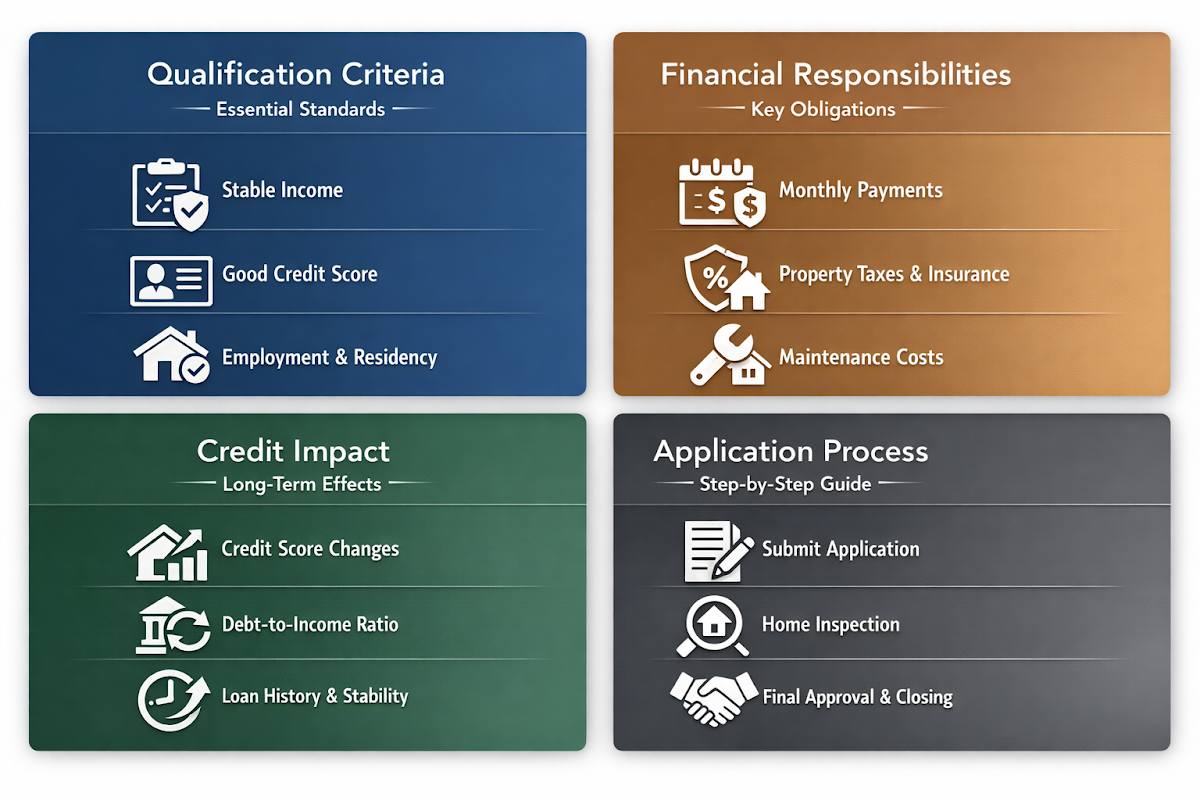
The step-by-step application process for a mortgage with a co-signer guide requires careful coordination between all parties and thorough documentation preparation. Following these steps can help streamline approval and avoid common delays.
- Initial Qualification Review: Both borrower and co-signer complete preliminary financial assessments to determine loan eligibility and optimal loan programs for investment properties
- Document Preparation and Submission: Gather comprehensive financial documentation including tax returns, bank statements, employment verification, and asset documentation for both parties
- Joint Application Submission: Complete the formal mortgage application process with both borrower and co-signer information, ensuring all details are accurate and consistent
- Underwriting and Approval Process: Navigate the lender's review process, responding promptly to requests for additional documentation or clarification from underwriters
- Closing Coordination: Attend the closing process where both parties sign final loan documents and the co-signer's obligations become legally binding
Documentation Requirements for Both Parties
Requirements for mortgage co-signers include extensive documentation that mirrors traditional mortgage applications, often with additional scrutiny given the shared liability structure. Proper preparation can significantly expedite the approval process.
- Income and Employment Verification: Provide recent pay stubs, W-2 forms, tax returns for the past two years, and employment verification letters for both borrower and co-signer
- Asset and Bank Account Documentation: Submit bank statements, investment account records, and proof of down payment funds with clear paper trails for all parties involved
- Credit Authorization and History: Authorize credit checks and provide explanations for any credit issues, late payments, or financial challenges that appear on either party's credit report
- Legal and Property Documentation: Compile property purchase agreements, inspection reports, appraisal documents, and any legal agreements between borrower and co-signer regarding responsibilities
Risk Management Strategies for Investors
Risk management strategies for investors using co-signer arrangements should address both immediate financing needs and long-term portfolio protection. These approaches can help minimize potential conflicts and financial exposure.
- Legal Agreement Development: Create comprehensive written agreements outlining each party's responsibilities, property management roles, and exit strategies before loan closing
- Insurance and Protection Planning: Establish appropriate insurance coverage including life insurance policies that could cover mortgage obligations if something happens to the primary borrower
- Regular Communication Protocols: Implement systematic reporting processes to keep co-signers informed about property performance, rental income, and mortgage payment status
- Exit Strategy Planning: Develop clear refinancing timelines and qualification targets that would allow removal of the co-signer from the loan within a specified timeframe
Key Investment Considerations
Key investment considerations for co-signer mortgage arrangements require balancing immediate financing needs with long-term relationship and financial implications. Success often depends on clear communication, realistic expectations, and proper legal protections for all parties involved. While co-signer arrangements can provide access to investment property financing that might otherwise be unavailable, they also create complex financial relationships that require ongoing management and attention. Investors should carefully weigh these factors against alternative financing options and ensure all parties fully understand their obligations before proceeding.
●Conclusion
Navigating a mortgage for co-signers in real estate investing requires careful planning, clear communication, and thorough understanding of all financial and legal implications. While co-signer arrangements can unlock investment opportunities and improve loan terms, they also create lasting financial relationships that extend well beyond the initial property purchase. Success depends on proper documentation, realistic expectations, and ongoing management of the arrangement throughout the loan term. Investors considering this approach should consult with qualified professionals to ensure all parties are protected and the arrangement supports their long-term investment objectives.