Complete Guide to Mortgage Application Steps
The mortgage application steps for real estate investors have evolved significantly in 2026, particularly for those seeking DSCR loans and investment property financing. Understanding each phase of the mortgage application process timeline can mean the difference between securing favorable terms and missing out on profitable investment opportunities. This comprehensive guide walks through every critical step, helping investors navigate the complexities of how to apply for a mortgage in today's lending environment.
Pre-Application Preparation and Documentation
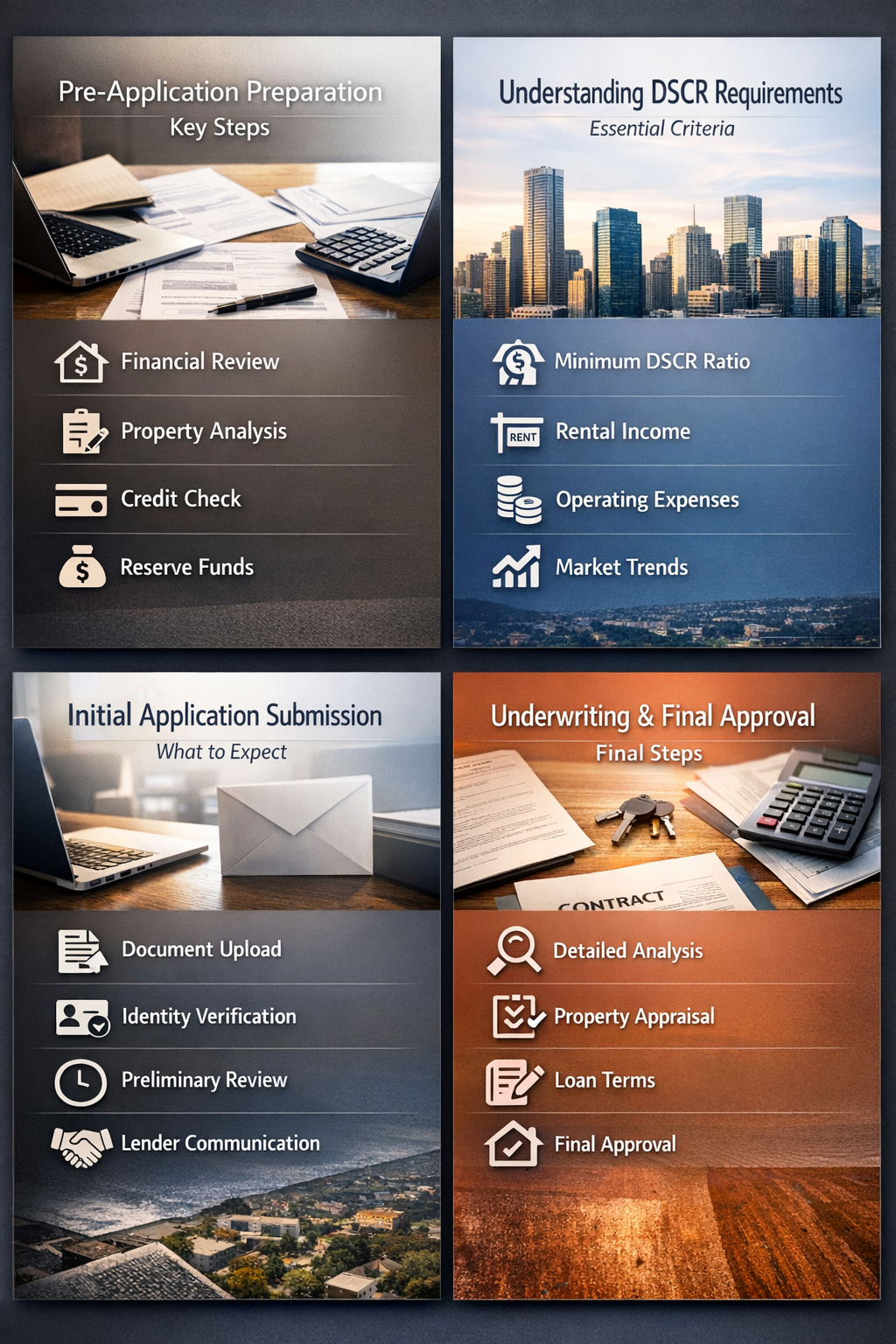
Before diving into the mortgage application steps, successful real estate investors understand that preparation is crucial. The required documents for mortgage applications vary significantly between traditional loans and investor-focused products like DSCR loans.
- Financial Documentation Assembly: Gather bank statements, tax returns, and property income records to demonstrate your investment capacity and cash flow history
- Credit Profile Optimization: Review your credit report and address any discrepancies that could impact your approval timeline or interest rates
- Investment Property Analysis: Compile rental agreements, property appraisals, and cash flow projections that support your DSCR loan application
- Lender Research and Selection: Identify mortgage lenders who specialize in investor products and understand the unique requirements of rental property financing
Understanding DSCR Loan Application Requirements
DSCR loan requirements have become increasingly important for investors in 2026, as these products focus on property income rather than personal income verification. Understanding DSCR loan application requirements helps streamline the mortgage application process timeline.
- Debt Service Coverage Ratio Calculation: Most lenders require a DSCR of 1.0 or higher, meaning the property's rental income covers the mortgage payment
- Credit Score Benchmarks: Minimum credit scores typically range from 620 to 680, though higher scores may secure better interest rates and terms
- Down Payment Requirements: DSCR loans often require 20-25% down payments, depending on the property type and investor experience
- Property Type Considerations: Single-family rentals, multi-family properties, and certain commercial properties may qualify under different DSCR loan guidelines
Initial Application Submission and Review Process
The initial application submission marks a critical phase in the mortgage application steps. What to expect during mortgage application processing includes several automated and manual review stages that determine your preliminary approval status.
- Automated Underwriting Systems: Many lenders use technology to quickly assess creditworthiness and provide initial feedback on loan eligibility
- Property Income Verification: For DSCR loans, lenders focus heavily on rental income documentation and lease agreements rather than employment verification
- Preliminary Approval Timeline: Initial reviews may take 24-48 hours for automated systems, while manual reviews could extend to several business days
- Conditional Approval Conditions: Lenders typically provide a list of additional documentation or clarifications needed to move forward in the process
Property Appraisal and Valuation Phase
The property appraisal and valuation phase represents a crucial step in the mortgage application process timeline, particularly for investment properties where accurate valuations directly impact loan terms and approval decisions.
- Appraisal Ordering and Scheduling: Lenders typically order appraisals within days of initial approval, coordinating with property owners or tenants for access
- Comparable Sales Analysis: Appraisers examine recent sales of similar investment properties in the area to establish fair market value
- Rental Income Assessment: For DSCR loans, appraisers may also evaluate the property's rental income potential as part of the valuation process
- Appraisal Review and Potential Challenges: If the appraised value comes in lower than expected, investors may need to adjust their financing strategy or negotiate with sellers
Underwriting and Final Approval Stages
The underwriting and final approval stages represent the most comprehensive phase of the mortgage application steps, where lenders conduct thorough reviews of all submitted documentation and property details.
- Comprehensive Document Review: Underwriters examine all financial documents, property information, and loan application details for accuracy and completeness
- Risk Assessment and Loan Structuring: Lenders evaluate the overall risk profile of the investment and may adjust loan terms, interest rates, or conditions accordingly
- Final Approval or Counter-Offer: Underwriters either approve the loan as submitted, request additional documentation, or propose modified terms that better align with their risk parameters
- Closing Preparation and Coordination: Once final approval is obtained, lenders coordinate with title companies, attorneys, and other parties to schedule the closing process
●Conclusion
Mastering the mortgage application steps is essential for real estate investors looking to capitalize on opportunities in 2026's evolving lending landscape. From understanding DSCR loan requirements to navigating the complete mortgage application process timeline, each phase requires careful attention and preparation. The shift toward property-income-focused lending products like DSCR loans has created new opportunities for investors, but success depends on understanding what to expect during mortgage application processing and having all required documents for mortgage approval ready from the start. By following this comprehensive guide and working with experienced mortgage lenders who specialize in investment properties, investors can position themselves for successful loan approvals and continued portfolio growth.