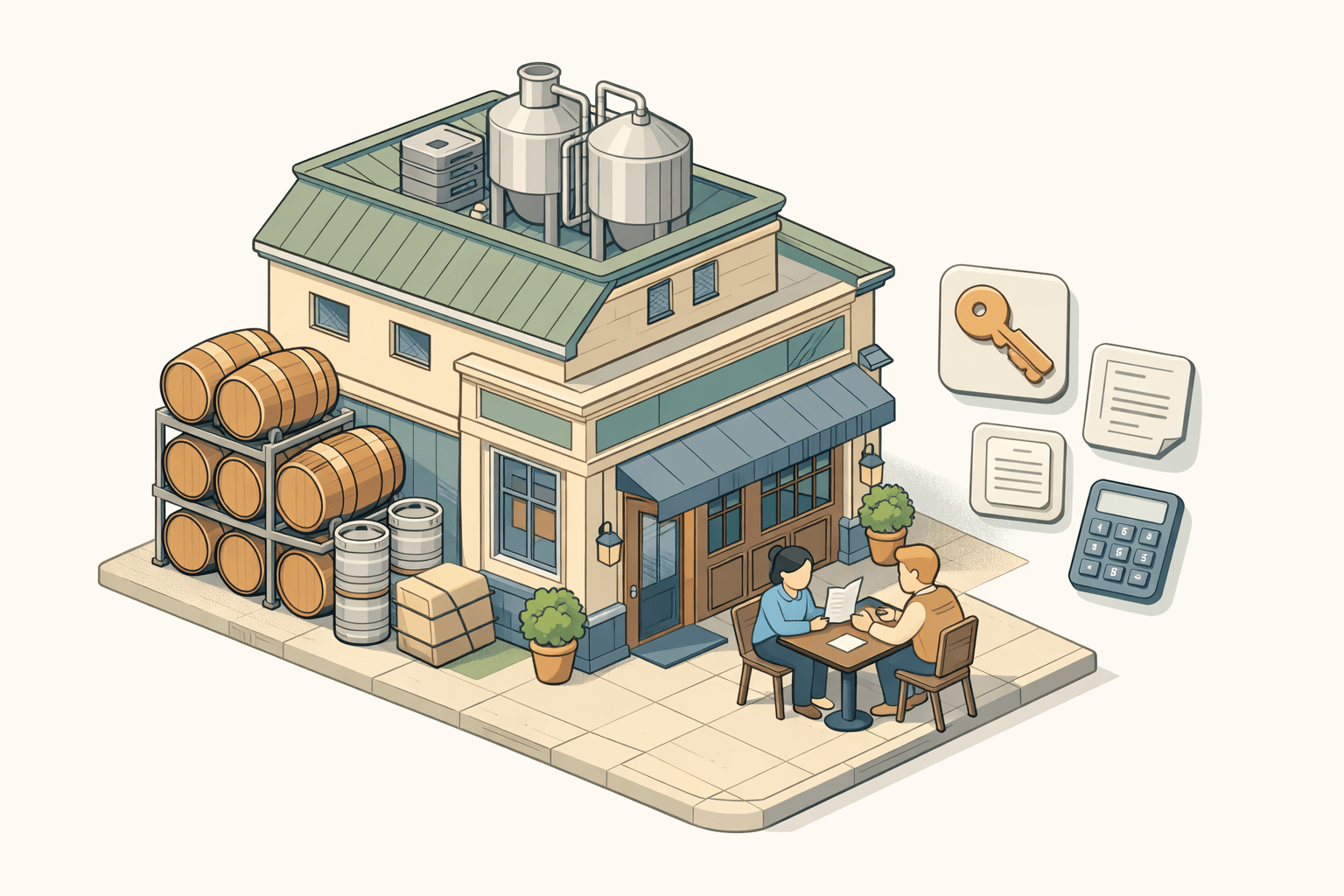
The craft brewing industry has carved out a vibrant and passionate corner of the American small business landscape. For entrepreneurs looking to step into this space, acquiring an existing niche craft brewery can be a smart move — you inherit an established brand, a loyal customer base, and operational infrastructure. But like any business acquisition, it comes with a significant price tag. Understanding your business loan options for acquiring a niche craft brewery is one of the most important steps you can take before signing any agreement. This guide breaks down the financing paths available so you can approach lenders with clarity and confidence.
Why Acquiring an Existing Brewery May Make Financial Sense
Starting a craft brewery from scratch involves enormous upfront costs — licensing, equipment, facility build-out, and brand development can easily run into the hundreds of thousands of dollars before you sell a single pint. Acquiring an existing operation, on the other hand, may offer a more structured path to profitability.
When you purchase an established brewery, you're often buying proven cash flow, existing supplier relationships, trained staff, and a recognizable name in the local community. Lenders tend to view these factors favorably when evaluating a craft brewery acquisition loan application, because the business already has a financial track record they can assess.
That said, niche breweries — those focused on specific styles like sour ales, barrel-aged beers, or regional heritage brews — may carry unique valuation challenges. Their appeal is often tied to a founder's reputation or a hyper-local audience. It's important for prospective buyers to conduct thorough due diligence on revenue trends, lease terms, equipment condition, and any outstanding liabilities before approaching a lender.
SBA 7(a) Loans: A Strong Starting Point for Brewery Buyers
The SBA 7(a) loan program is often the first financing option small business owners explore when making an acquisition, and for good reason. These government-backed loans are designed to help small businesses access capital that might otherwise be difficult to secure through conventional lending alone.
For a craft brewery acquisition, an SBA 7(a) loan could potentially cover a wide range of costs, including the purchase price of the business, working capital needs, equipment upgrades, and even some real estate-related expenses if the facility is part of the deal. Loan amounts may go up to $5 million, and repayment terms can extend up to 10 years for business acquisitions — sometimes longer if commercial real estate is included.
One of the key advantages of the SBA programs is the lower down payment requirement compared to conventional loans, which might range from around 10% to 20% depending on the lender and transaction structure. This can help preserve capital for post-acquisition operations, which is critical in an industry where cash flow timing can be unpredictable.
- Eligible uses: Business acquisition costs, working capital, inventory, equipment, and refinancing existing debt in some cases
- Credit requirements: Lenders typically look for a solid personal credit score, often 680 or higher, though this can vary
- Collateral: SBA lenders generally require available collateral, though the SBA does not decline loans solely due to insufficient collateral
It's worth noting that breweries must meet SBA size standards to qualify. Most craft operations will fall within the definition of a small business, but it's always worth confirming eligibility with a lender familiar with the food and beverage sector.
SBA 504 Loans: When the Deal Includes Real Estate or Major Equipment
If your brewery acquisition involves purchasing the physical building or making significant capital investments in brewing equipment, the SBA 504 loan could be a powerful financing tool. This program is specifically structured to help small businesses finance fixed assets like commercial real estate and large-scale machinery.
The SBA 504 program typically works through a partnership between a Certified Development Company (CDC) and a conventional lender. The structure often looks like this: a private lender may cover around 50% of the project cost, the CDC covers up to 40% backed by an SBA debenture, and the borrower contributes a down payment — often starting around 10%.
For a craft brewery that operates out of a warehouse, taproom, or production facility it owns, this structure can make long-term financing more manageable. Fixed interest rates on the CDC portion provide predictability, which is valuable for entrepreneurs still finding their footing in a new business.
Keep in mind that SBA 504 loans are generally not designed for working capital or inventory — they're meant specifically for long-term asset acquisition. So if your deal involves buying both the business and the building, you may need to consider pairing a 504 loan with another financing vehicle to cover operational needs.
Conventional Term Loans and Their Role in Brewery Acquisitions
Not every craft brewery buyer will qualify for or need an SBA-backed loan. Conventional term loans from banks, credit unions, and alternative lenders can also serve as viable financing solutions, particularly for borrowers with strong credit profiles and substantial assets.
A conventional term loan provides a lump sum that you repay over a fixed period, typically with monthly installments. Interest rates and terms will vary based on the lender, the borrower's financial history, and the details of the acquisition. Because these loans aren't backed by a government guarantee, lenders may apply stricter underwriting standards and require stronger collateral or a larger down payment.
However, conventional loans often come with fewer restrictions than SBA programs. There may be fewer fees, faster processing times, and more flexibility in how funds are used. For buyers who've already assembled a strong financial package — seasoned personal credit, solid business plan, and meaningful industry experience — a conventional term loan might be an efficient path forward.
- Faster funding timelines compared to SBA programs in many cases
- Fewer program restrictions on fund usage
- More negotiable terms depending on lender relationship and borrower profile
Equipment Financing: Addressing the Machinery Side of a Brewery Deal
Brewing is a capital-intensive craft. Fermentation tanks, bright tanks, canning lines, kegging systems, refrigeration units, and boiling kettles can represent a significant portion of a brewery's total asset value. When acquiring a niche craft brewery, you may find that the existing equipment needs replacement, upgrading, or expansion to meet your production goals.
Equipment financing allows small business owners to fund the purchase of specific business assets, using the equipment itself as collateral. This can make it easier to qualify than unsecured financing, and the loan structure is often straightforward — you borrow to buy the equipment and repay over the asset's useful life.
This type of financing is particularly useful when you're acquiring a brewery where the physical infrastructure is older or when you plan to scale production after the purchase. Rather than tying up your working capital or exhausting your primary acquisition loan, equipment financing lets you address capital equipment needs with dedicated funding.
Some lenders specialize in food and beverage equipment lending and may be more familiar with brewery-specific assets, which could make the appraisal and approval process smoother.
Building Your Borrower Profile: What Lenders Look For

Whether you're pursuing SBA financing or a conventional loan, lenders will evaluate your application through a consistent set of criteria. Understanding what they're looking for — and preparing accordingly — can meaningfully improve your chances of approval when seeking business loan options for acquiring a niche craft brewery.
Personal and Business Credit
Your personal credit score plays a significant role, especially for smaller acquisitions where personal guarantees are common. Many lenders look for a score in the mid-600s at minimum, though stronger scores tend to unlock better rates and terms. If the brewery has been operating as a business entity with its own financial history, that record will also be reviewed.
Industry Experience and Management Capacity
Lenders want to see that you're capable of running the business you're buying. If you have a background in brewing, hospitality, food service, or business management, document it thoroughly. A well-articulated business plan that demonstrates how you'll sustain or grow the brewery's performance post-acquisition can make a strong impression.
Business Cash Flow and Revenue History
For an acquisition loan, the target business's financials are just as important as your own. Lenders will likely want to see at least two to three years of the brewery's tax returns, profit and loss statements, and balance sheets. Strong, consistent cash flow from the existing business can significantly strengthen your loan application.
Down Payment and Equity Contribution
Expect to contribute some portion of the acquisition price from your own funds. The exact amount varies by loan type and lender, but having skin in the game signals commitment and reduces lender risk. Larger down payments may also lead to more favorable interest rates or terms.
Putting It All Together: Structuring Your Brewery Acquisition Financing
Many brewery acquisitions don't rely on a single financing source. Instead, buyers often piece together a combination of loan products tailored to different parts of the transaction. For example, an SBA 7(a) loan might cover the business loan options and working capital, while an equipment loan addresses a planned upgrade to the canning line, and a seller note — where the seller finances a portion of the purchase price directly — fills any remaining gap.
This layered approach can make a complex deal more manageable and allow you to match each financing tool to its most appropriate use. A commercial lender or SBA-preferred lender with experience in business acquisitions can help you model different structures to find what works best for your specific situation.
It's also wise to work with a business attorney and an accountant who understand the nuances of brewery acquisitions — from licensing transfers and ABC compliance to inventory valuation and lease assignment. These professionals can help you avoid costly missteps and ensure your financing structure aligns with your legal and tax obligations.
If you're serious about buying a craft brewery, starting the financing conversation early is key. Lenders appreciate well-prepared borrowers, and arriving with organized financials, a clear business plan, and a realistic understanding of the deal gives you a competitive edge in any lending conversation.
●Conclusion
Acquiring a niche craft brewery is an exciting entrepreneurial pursuit — one that blends passion for a craft with the discipline of running a small business. The good news is that there are meaningful financing options available to qualified buyers. From SBA 7(a) and 504 programs to conventional term loans and equipment financing, understanding the full landscape of business loan options for acquiring a niche craft brewery puts you in a stronger position to make your vision a reality. At LoanWise, we're here to help you navigate every step of that journey — from evaluating your borrower profile to connecting with lenders who understand your industry. Reach out today to explore what financing solutions might be right for your brewery acquisition.