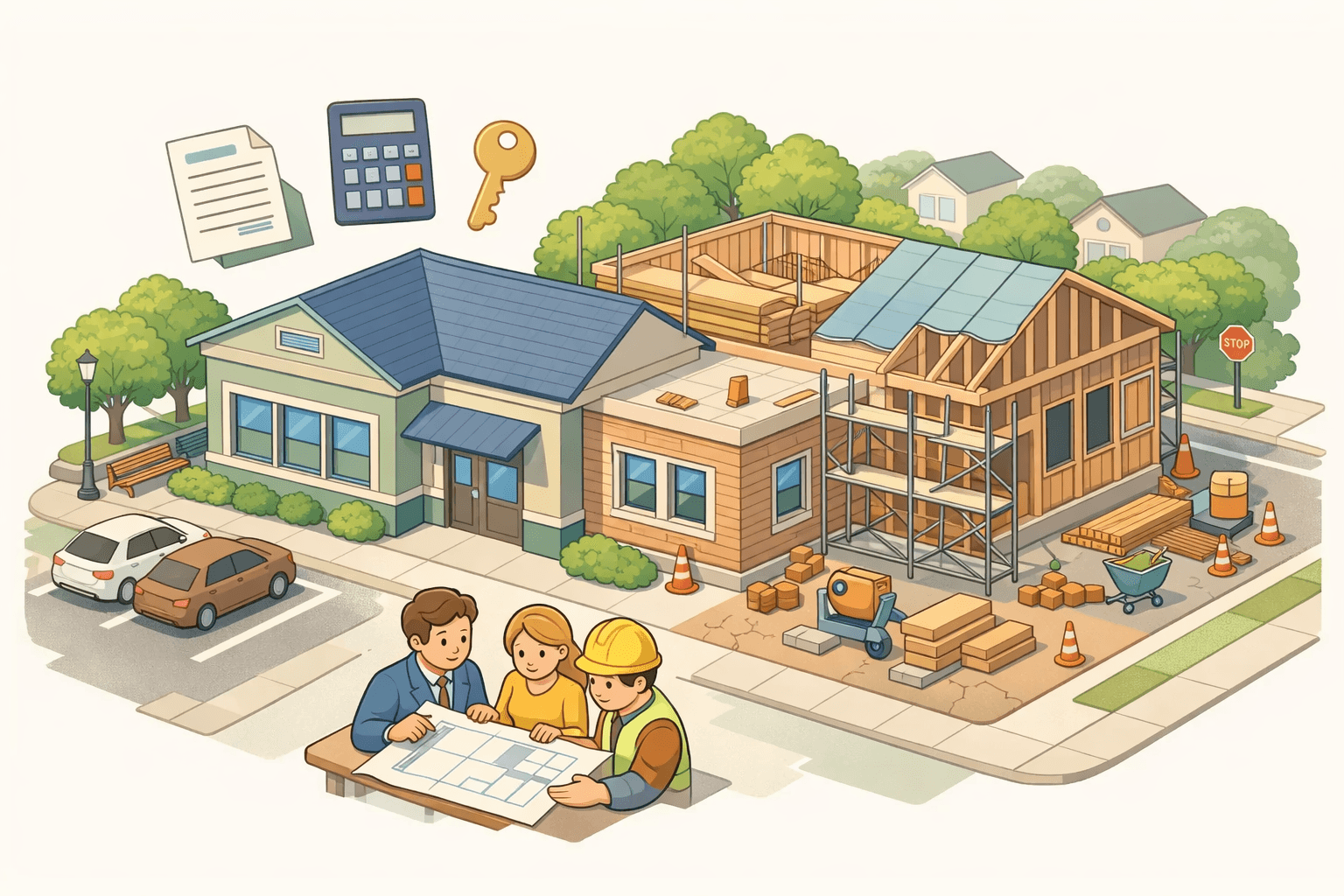
Running a successful tutoring center is a rewarding achievement — but what happens when demand starts outpacing your current space or staff? Whether you're looking to open a second location, hire more instructors, upgrade your technology, or renovate your existing classroom setup, expansion takes capital. The good news is that there are several business loan options for a tutoring center expansion that can help you move from vision to reality. This guide walks you through the most relevant financing paths available to education-focused small business owners and entrepreneurs, so you can make a confident, informed decision about funding your next chapter of growth.
Why Tutoring Centers Often Need External Financing to Grow
Tutoring centers, like most service-based small businesses, tend to operate on relatively tight margins. Revenue is often tied directly to enrollment numbers, session frequency, and the number of qualified instructors on staff. When business is good and demand is rising, it can be tempting to reinvest profits directly — but organic growth alone may not be fast enough to keep up with a growing student base or a competitive local market.
That's where business financing comes in. External funding allows tutoring center owners to act quickly on opportunities: securing a larger retail or commercial space before a competitor does, purchasing new educational software or hardware, or launching a marketing campaign to attract students in a new neighborhood. Rather than waiting years to accumulate enough savings, a well-structured loan can compress that timeline significantly.
It's also worth noting that lenders tend to view education-based businesses favorably, particularly when they demonstrate stable enrollment, consistent revenue, and clear community value. That said, approval still depends heavily on your personal credit history, time in business, and financial documentation — so preparation matters.
SBA Loans: A Strong Starting Point for Education Business Owners
For many small business owners, SBA loans represent one of the most attractive financing options available. These loans are partially guaranteed by the U.S. Small Business Administration, which reduces the risk for lenders and often results in more favorable terms for borrowers — including lower interest rates and longer repayment periods compared to conventional business loans.
SBA 7(a) Loans
The SBA 7(a) loan is the most widely used SBA program and could be an excellent fit for tutoring center expansion. Borrowers may use these funds for a wide range of purposes, including leasing or purchasing commercial space, buying equipment, refinancing existing debt, or covering working capital needs. Loan amounts can go up to $5 million, and repayment terms may extend up to 10 years for working capital or up to 25 years for real estate-related purposes.
SBA 504 Loans
If your expansion involves purchasing a building or making major property improvements, the SBA 504 loan might be worth exploring. This program is specifically designed for the acquisition of fixed assets like real estate and heavy equipment. It typically involves a partnership between a Certified Development Company (CDC), a conventional lender, and the borrower — with the borrower generally contributing a down payment of around 10%. This structure can make large commercial real estate purchases more accessible for smaller businesses.
SBA Microloans
For tutoring centers at an earlier stage of growth or those with more modest funding needs, SBA Microloans offer up to $50,000 and are often distributed through nonprofit intermediary lenders. These can be a good fit for covering costs like curriculum materials, furniture, signage, or minor renovations. There are several SBA programs worth comparing to find the best fit for your funding needs.
Term Loans and How They Can Fund Major Expansion Milestones
A conventional term loan from a bank, credit union, or online lender is another solid option when exploring tutoring center expansion loan options. With a term loan, you receive a lump sum upfront and repay it over a set period with either fixed or variable interest. This predictability makes budgeting easier, which is especially helpful for service businesses with seasonal fluctuations in enrollment.
Term loans are well-suited for one-time, defined expansion expenses — such as building out a new tutoring location, purchasing a block of new computers or tablets, or funding a staff training initiative. Repayment terms and interest rates will vary depending on your creditworthiness, the lender's policies, and whether the loan is secured or unsecured.
Online lenders may offer faster approval timelines than traditional banks, which could be valuable if you need to move quickly on a lease or equipment purchase. However, faster access may come with higher interest rates, so it's important to compare total loan costs carefully before committing.
Lines of Credit: Flexible Funding for Ongoing Operational Needs
Not every expansion expense arrives all at once. Sometimes, growth looks more like a series of smaller investments over several months — hiring a new instructor here, purchasing updated assessment tools there, or gradually furnishing a new classroom space. In situations like these, a business line of credit can offer more practical flexibility than a lump-sum term loan.
A line of credit works similarly to a credit card: you're approved for a maximum credit limit, and you draw funds as needed. You only pay interest on what you actually use, which can make it a cost-effective solution for managing cash flow during periods of active growth. Once you repay what you've drawn, the funds become available again.
This revolving structure makes lines of credit particularly useful for tutoring centers that experience seasonal enrollment patterns — for example, ramping up in the summer or before standardized testing seasons. Having a credit line in place means you can respond to demand quickly without disrupting your day-to-day operations.
Equipment Financing and Asset-Based Lending for EdTech Investments
Modern tutoring centers increasingly rely on technology — from interactive whiteboards and student management software to online tutoring platforms and assessment tools. If a significant portion of your expansion involves upgrading or expanding your technology infrastructure, equipment financing may be worth considering as a standalone option.
With equipment financing, the equipment itself typically serves as collateral for the loan, which can make approval easier even if your overall credit profile isn't perfect. Lenders may be willing to finance up to 100% of the equipment's value in some cases, though terms will vary. This type of financing is often structured with repayment aligned to the expected useful life of the equipment.
Asset-based lending is a broader category that uses business assets — such as accounts receivable or inventory — as collateral. While tutoring centers may not carry physical inventory in the traditional sense, those operating on a billing or contract basis with schools or school districts might have receivables that could support this type of arrangement. It's worth discussing with a lender whether your business model qualifies.
What Lenders Typically Look for When Evaluating Your Application
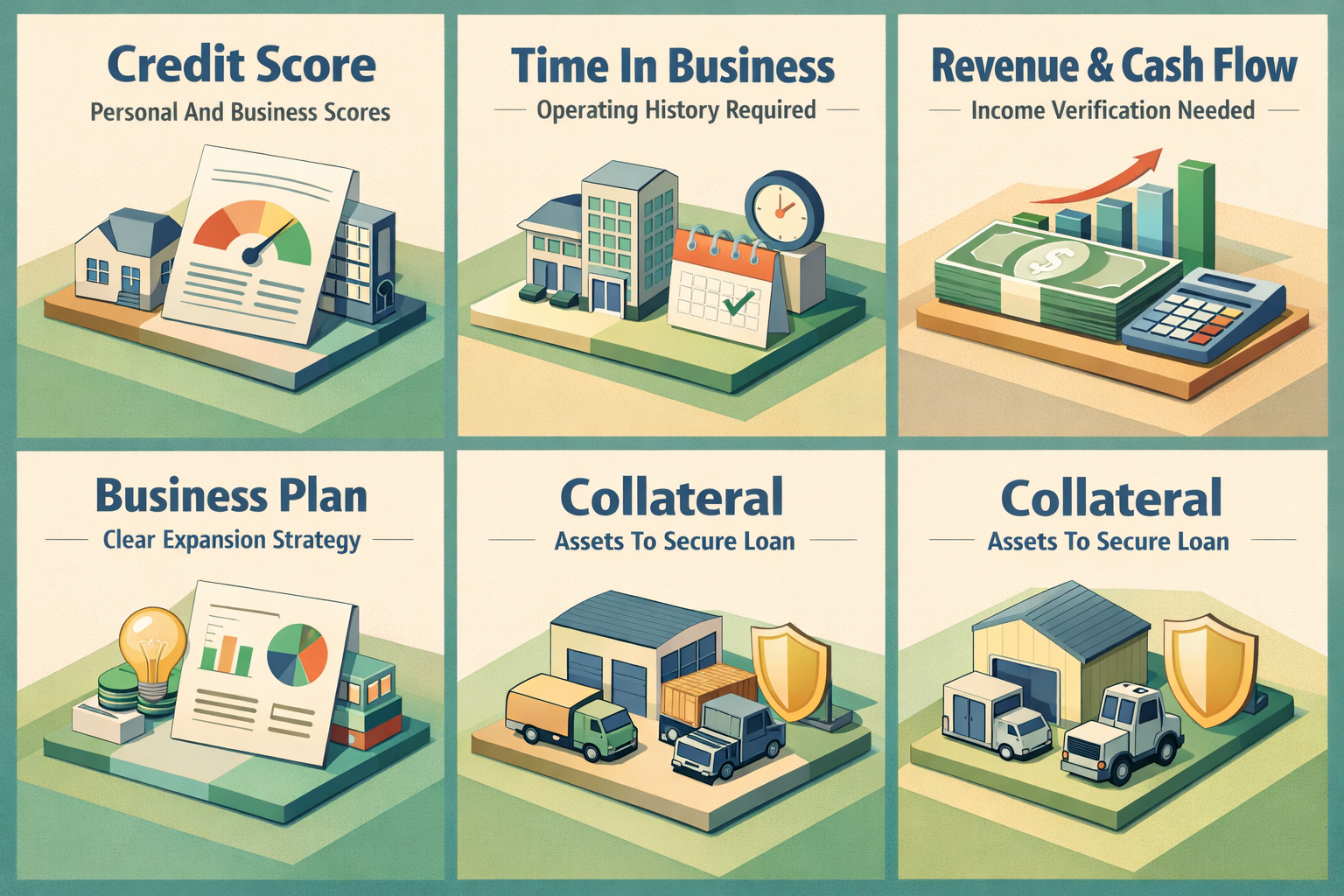
Understanding what lenders are looking for can significantly improve your chances of approval when pursuing business loan options for a tutoring center expansion. While specific criteria vary by lender and loan type, there are common factors that most commercial lenders tend to evaluate.
- Credit score: Both your personal and business credit scores may be reviewed. A stronger credit profile generally unlocks better rates and terms.
- Time in business: Many lenders prefer to see at least one to two years of operating history, though some programs may work with newer businesses.
- Revenue and cash flow: Lenders want to confirm that your business generates enough income to comfortably cover loan repayments. Bank statements, profit and loss statements, and tax returns are commonly requested.
- Business plan: A clear expansion plan — including projected enrollment growth, location details, and how the funds will be used — can strengthen your application considerably.
- Collateral: Some loans require collateral, such as real estate, equipment, or other business assets. Others may be unsecured but come with stricter credit requirements.
Taking time to organize your financial documents and articulate your expansion goals clearly before approaching a lender can make the application process smoother and more productive.
Tips for Choosing the Right Loan Structure for Your Growth Goals
With several loan types available, it can feel overwhelming to decide which one is the best fit. The right choice depends on your specific expansion goals, your current financial standing, and how quickly you need the funds. Here are a few practical considerations to help guide your decision.
- Define the purpose first: Are you purchasing property, buying equipment, hiring staff, or covering general operating costs? Different loan types are better suited to different uses.
- Assess your timeline: If you need capital quickly, an online term loan or line of credit may be faster to access than an SBA loan, which can have a longer approval process.
- Compare total costs: Look beyond the interest rate. Factor in origination fees, prepayment penalties, and any other charges to get a true picture of what the loan will cost.
- Think about repayment flexibility: Choose a repayment structure that aligns with your revenue cycles. If enrollment dips in summer, for example, a loan with seasonal payment flexibility could be beneficial.
- Consult a financial advisor or lending specialist: If you're unsure which path is right for you, working with an experienced lending professional can save time and potentially improve your outcome.
Taking a strategic approach to financing — rather than simply choosing the first available option — could make a meaningful difference in the long-term financial health of your tutoring center.
●Conclusion
Expanding a tutoring center is an exciting milestone, and the right financing can make the difference between slow, uncertain growth and a confident, well-resourced leap forward. From SBA loan programs to flexible lines of credit and equipment financing, there are meaningful tutoring center expansion loan options available for business owners who take the time to explore them. The key is understanding your specific needs, preparing your financial documentation carefully, and working with a lender who understands the education sector. At LoanWise, we're here to help small business owners like you find the right path to funding. Ready to explore your options? Connect with a LoanWise lending specialist today and take the first step toward your expansion goals.