Running a freelance photography business takes more than creative talent. It takes reliable, high-performing equipment — and that gear doesn't come cheap. Whether you're eyeing a new mirrorless camera body, a professional lighting setup, or drone technology for aerial shoots, the cost of staying competitive can add up fast. That's where understanding the right business loan options for a freelance photographer needing equipment upgrades becomes essential. Fortunately, there are several financing paths that may be a strong fit for self-employed creatives like you. This guide walks through the most relevant options so you can make an informed decision for your business.
Why Freelance Photographers Often Need Financing for Gear
Photography equipment depreciates quickly, and technology evolves at a rapid pace. A camera body that was cutting-edge three years ago may now be outpaced by newer models offering better low-light performance, faster autofocus, or higher resolution. For freelancers working weddings, commercial shoots, or editorial assignments, falling behind on gear could mean losing clients to competitors who deliver sharper, more polished results.
At the same time, most freelance photographers operate as sole proprietors or single-member LLCs, which means they typically don't have the corporate cash reserves that larger studios might rely on. This creates a real funding gap — especially when a major opportunity requires a gear upgrade that costs several thousand dollars or more.
The good news is that small business lenders increasingly recognize self-employed professionals as legitimate borrowers. With the right preparation and an understanding of your financing options, securing funding for equipment upgrades is more achievable than many freelancers realize.
Equipment Financing: A Natural Fit for Photographers Upgrading Their Gear
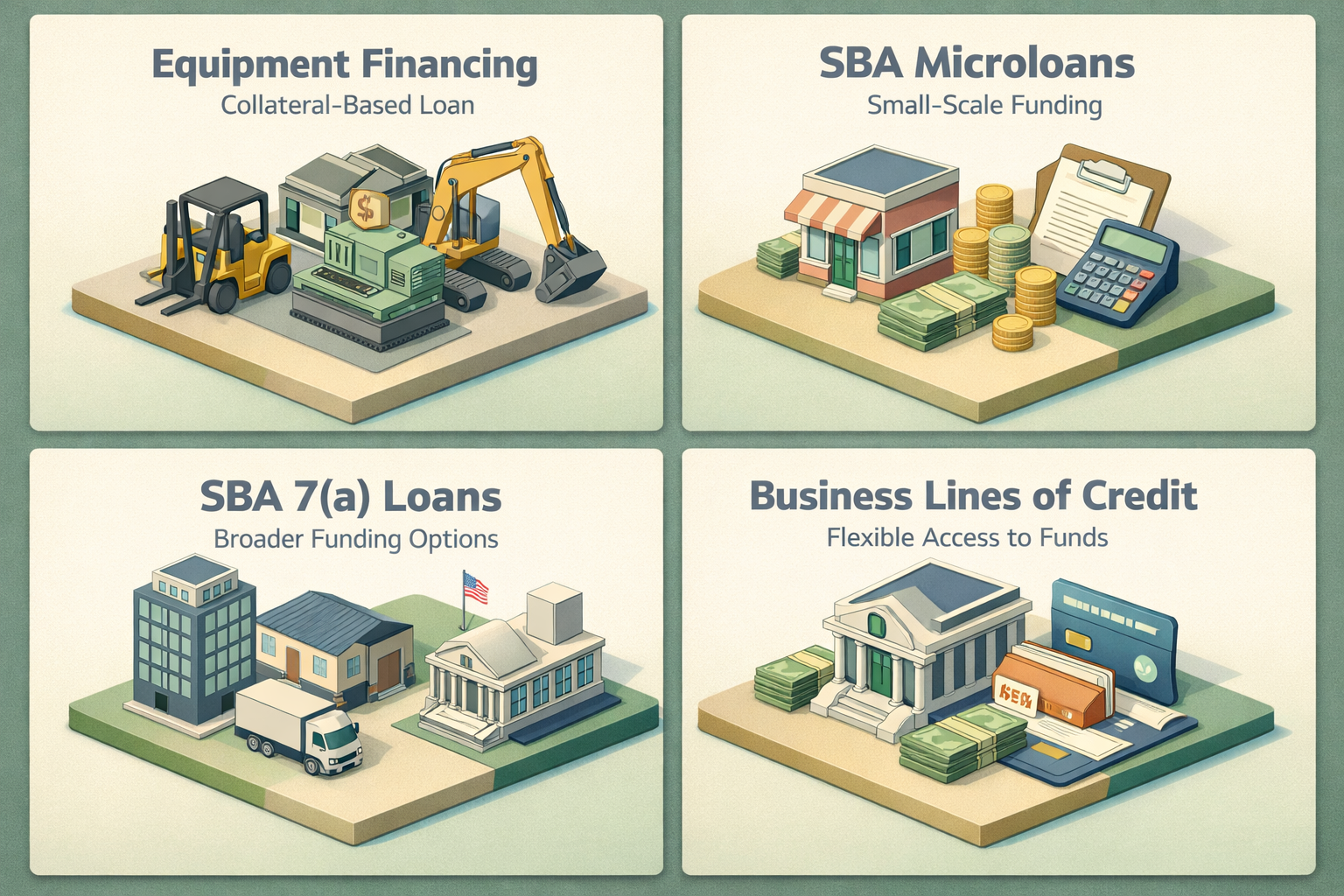
One of the most straightforward freelance photographer equipment loan upgrades solutions is dedicated equipment financing. With this type of loan, the equipment itself typically serves as collateral, which may make it easier to qualify compared to unsecured business loans. Lenders understand the tangible value of the asset being purchased, and that often translates to more favorable approval terms for borrowers who might otherwise struggle to qualify.
Here's how equipment financing generally works:
- Loan amount: Typically covers up to 100% of the equipment purchase price, though some lenders may require a small down payment.
- Repayment terms: Terms often range from one to five years, depending on the expected useful life of the equipment.
- Interest rates: Rates vary based on creditworthiness, business history, and the type of equipment. Borrowers with stronger credit profiles may secure more competitive rates.
- Collateral: The equipment itself usually secures the loan, which may reduce or eliminate the need for additional collateral.
For a freelance photographer, this could mean financing a professional camera kit, studio lighting, editing workstations, or even specialized lenses — all without draining your working capital. It's worth comparing multiple lenders to find terms that align with your cash flow and repayment capacity.
SBA Microloans: Small-Scale Funding With Big Potential for Creative Entrepreneurs
The U.S. Small Business Administration (SBA) offers a microloan program specifically designed for small and startup businesses that need smaller amounts of capital. SBA Microloans can provide up to $50,000, though the average loan amount tends to be significantly lower. For many freelance photographers, this range may be more than sufficient to cover a meaningful equipment upgrade.
SBA Microloans are issued through nonprofit intermediary lenders, and they often come with added benefits like business counseling and technical assistance — resources that could help a freelance photographer strengthen their business model, not just their gear closet.
To qualify, you'll typically need to demonstrate:
- A clear business purpose for the funds
- Reasonable creditworthiness (though requirements may be more flexible than traditional loans)
- Some form of collateral or personal guarantee, depending on the lender
- A basic business plan or description of how the loan will be used
Because SBA Microloans are administered through community-based organizations, they may be particularly accessible to self-employed individuals who don't yet have a lengthy business credit history. If you're just building your freelance photography brand, this could be a strong starting point.
SBA 7(a) Loans: A Broader Option for Established Freelance Businesses
If your equipment needs are more extensive — or if you're looking to finance upgrades alongside other business expenses like studio rental, software subscriptions, or marketing — an SBA 7(a) loan might be worth exploring. The SBA 7(a) program is the agency's most widely used loan program and can provide funding up to $5 million, though most small borrowers request far less.
SBA loans are issued by approved private lenders but partially guaranteed by the SBA, which encourages lenders to work with borrowers who might not qualify for conventional bank loans. Key features include:
- Flexible use of funds: Proceeds can typically cover equipment, working capital, and other business expenses.
- Longer repayment terms: Equipment purchases may be financed over up to 10 years.
- Competitive interest rates: Rates are subject to SBA maximums, which may make them more affordable than some alternative lenders.
The trade-off is that SBA loans often require more documentation and a longer approval process compared to online lenders. Freelancers will likely need to provide tax returns, bank statements, and a business plan. However, for photographers running an established business with consistent income, the terms may well be worth the effort.
Business Lines of Credit: Flexible Funding for Ongoing Equipment Needs
Photography equipment needs don't always arrive in one predictable lump sum. You might need a new lens this quarter, an upgraded flash system next quarter, and editing software the following year. A business line of credit offers the kind of revolving, flexible access to funds that fits this pattern well.
With a business line of credit, you're approved for a maximum credit limit, and you draw only what you need — paying interest only on the amount you use. Once you repay what you've borrowed, those funds become available again. This makes it a practical tool for freelancers managing irregular income and unpredictable upgrade timelines.
Things to keep in mind with a business line of credit:
- Qualification requirements vary widely by lender, and some may require at least one to two years in business.
- Credit limits for newer businesses may be modest initially but can grow over time with responsible use.
- Interest rates on unsecured lines of credit may be higher than equipment-specific loans, so it's worth comparing total borrowing costs.
For a freelance photographer who prefers flexibility over a fixed loan structure, a line of credit could serve as a smart financial tool — particularly when paired with disciplined repayment habits.
What Lenders Typically Look for When Evaluating Self-Employed Borrowers
One of the most common concerns among freelance photographers exploring financing is whether lenders will take their self-employed income seriously. The reality is that most business lenders do evaluate self-employed applicants — but they may use different documentation than a traditional W-2 employee would provide.
Here's what you'll likely need to prepare:
- Two years of personal and business tax returns: These are often the primary income verification tool for self-employed borrowers.
- Bank statements: Three to twelve months of business bank statements can help demonstrate consistent revenue and cash flow.
- Business license or registration documents: Proof that your photography business is a legitimate, operating entity.
- Credit score: Both personal and business credit scores may be reviewed. A stronger score generally opens the door to better terms.
- Profit and loss statement: Some lenders request a current P&L to get a real-time snapshot of your business finances.
If your income fluctuates seasonally — as it often does in photography, with busier wedding and holiday seasons — be prepared to explain those patterns. Lenders who work regularly with self-employed borrowers tend to understand income variability better than those who primarily serve salaried employees.
Tips to Strengthen Your Loan Application as a Freelance Photographer
Exploring business loan options for a freelance photographer needing equipment upgrades is just the first step. Putting yourself in the best possible position to get approved — and to secure favorable terms — takes a bit of preparation. Here are some practical strategies that may improve your chances:
- Separate your business and personal finances: Open a dedicated business bank account if you haven't already. This makes it easier to document your business income and expenses clearly.
- Build or improve your credit profile: Pay existing debts on time, reduce credit utilization, and avoid opening multiple new accounts right before applying for a loan.
- Quantify the return on your investment: Lenders respond well to borrowers who can articulate how an equipment upgrade will generate more income. Be specific — if a new camera system allows you to take on commercial clients at higher rates, say so.
- Gather documentation in advance: Having your tax returns, bank statements, and business documents ready can speed up the approval process considerably.
- Shop multiple lenders: Rates, terms, and qualification requirements vary significantly. Comparing offers from banks, credit unions, SBA-approved lenders, and online lenders gives you the best chance of finding the right fit.
It's also worth considering whether leasing certain equipment — rather than purchasing it outright — might make more financial sense for items that become outdated quickly. In some cases, leasing may preserve cash flow better than a loan, though you won't own the asset at the end of the term.
●Conclusion
Upgrading your photography equipment is an investment in your craft and your business growth. Whether you pursue equipment financing, an SBA Microloan, an SBA 7(a) loan, or a business line of credit, there are real and accessible paths available for self-employed photographers. The key is understanding which option aligns best with your financial situation, your credit profile, and your business goals. Take time to compare lenders, prepare your documentation, and present a clear case for how the upgrade will strengthen your business. With the right approach, financing your next gear upgrade doesn't have to feel out of reach — it can be a smart, strategic move toward building the photography business you've always envisioned. Ready to explore your options? LoanWise can help you connect with the right lending resources for your unique situation.