Starting or growing a small business often comes down to one critical factor: access to capital. For many entrepreneurs and small business owners, traditional bank loans can feel out of reach — requiring extensive credit history, significant collateral, or years of financial records. That's where the SBA Microloan program steps in as a practical, accessible alternative. Designed specifically for small businesses and nonprofit childcare centers, SBA Microloans may offer the funding boost your business needs without the barriers that often come with conventional lending. In this guide, we'll break down everything you need to know about SBA Microloans — from how they work to who qualifies and how to get started.
Understanding the SBA Microloan Program
The SBA Microloan program is administered by the U.S. Small Business Administration and provides small, short-term loans to small business owners, startups, and nonprofit childcare organizations. Unlike larger SBA loan products such as the SBA 7(a) or SBA 504, microloans are designed to serve borrowers who may need modest funding and who might not yet qualify for more traditional financing options.
Through this program, the SBA lends funds to specially designated intermediary lenders — typically nonprofit community-based organizations — who then distribute those funds directly to eligible small businesses. This structure allows intermediary lenders to take a more flexible and community-focused approach to underwriting, which can be especially beneficial for borrowers with limited credit history or newer businesses without a long financial track record.
It's worth noting that each intermediary lender sets its own lending requirements, interest rates, and loan terms within SBA guidelines. This means that eligibility criteria and the overall borrower experience may vary depending on which intermediary you work with in your area.
How Much Can You Borrow With an SBA Microloan?
One of the defining features of the SBA Microloan program is its loan size. Borrowers can receive up to $50,000, though the average microloan is considerably smaller — often reported to be around $13,000, according to SBA program data. This makes microloans particularly well-suited for small-scale funding needs rather than large capital projects.
Loan terms can extend up to six years, and interest rates typically fall between 8% and 13%, though the exact rate will depend on your intermediary lender and your individual borrower profile. While these rates may appear higher than some conventional bank loans, they're often competitive given the flexible qualification standards and the support services that many intermediary lenders provide alongside their financing.
For small business owners who only need a few thousand dollars to cover an immediate need — like purchasing initial inventory, upgrading equipment, or covering early operating expenses — the microloan program offers a focused, right-sized solution that doesn't require taking on more debt than necessary.
What Can SBA Microloan Funds Be Used For?
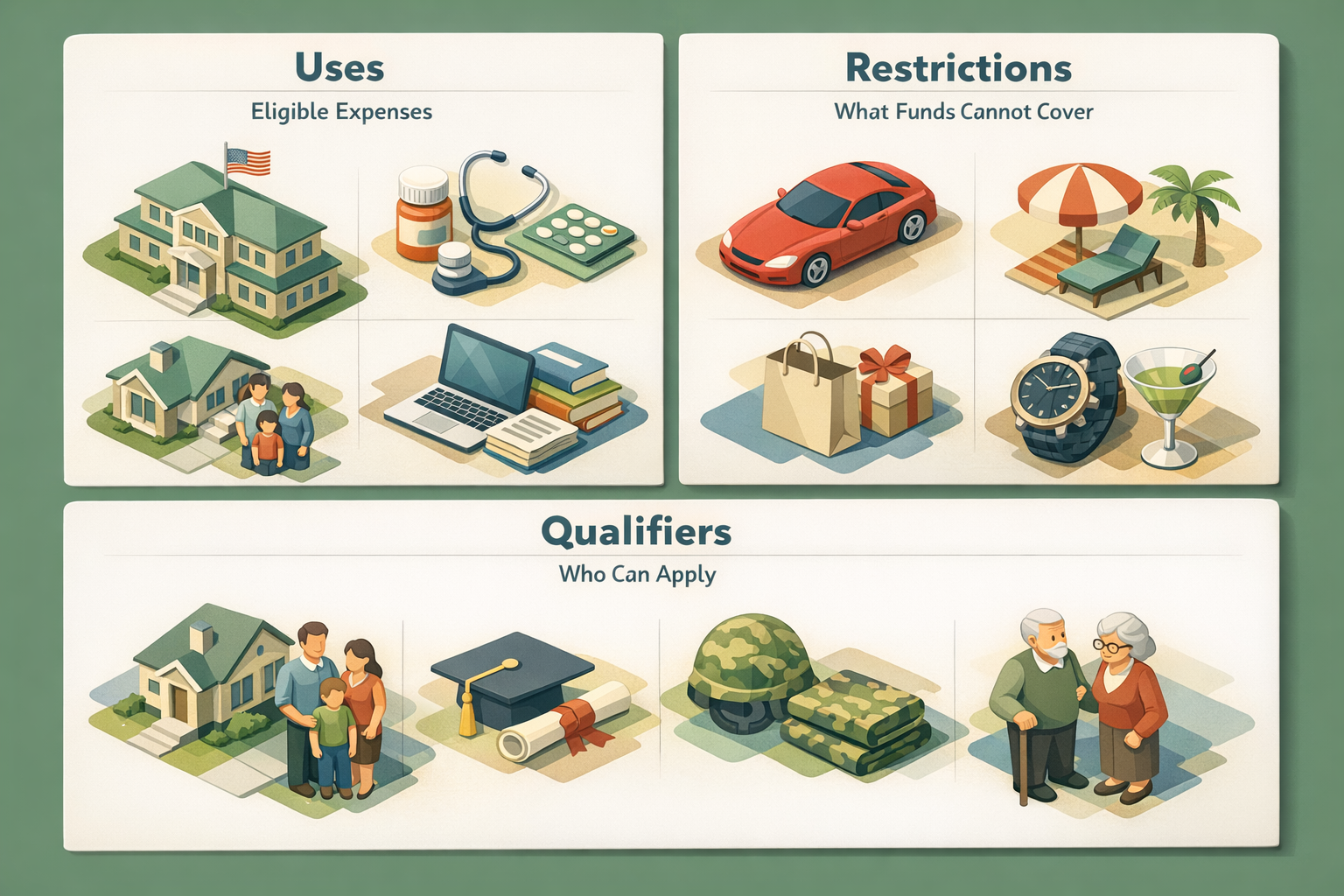
SBA Microloans are relatively flexible when it comes to how funds can be used, which makes them attractive for a wide range of business situations. According to SBA guidelines, eligible uses of microloan funds typically include:
- Working capital — covering day-to-day operational expenses such as payroll, rent, and utilities
- Inventory or supplies — stocking up on goods needed to serve customers
- Furniture or fixtures — outfitting a retail location or office space
- Machinery and equipment — purchasing tools or technology needed to operate the business
However, there are restrictions to be aware of. SBA Microloan funds cannot be used to pay off existing debt or to purchase real estate. If either of those is your primary goal, you may want to explore other SBA loan programs or alternative business financing products that are better suited to those purposes.
Understanding what your funds can and cannot cover before you apply helps set realistic expectations and ensures you're choosing the right financing vehicle for your specific business needs.
Who Typically Qualifies for an SBA Microloan?
One of the greatest strengths of the SBA Microloan program is its accessibility. While specific eligibility requirements are set by individual intermediary lenders, the program is generally designed to serve borrowers who might struggle to qualify through conventional lending channels. This includes:
- Startup businesses with little to no operating history
- Entrepreneurs from underserved communities, including women, minorities, veterans, and low-income individuals
- Small business owners with limited or imperfect credit
- Nonprofit childcare centers seeking operational funding
Because intermediary lenders are nonprofit organizations deeply rooted in their communities, they often take a more holistic view of a borrower's potential rather than relying solely on credit scores or collateral. Some lenders may consider factors such as your business plan, your character, your industry experience, and your commitment to repayment when making lending decisions.
That said, most intermediary lenders will still require some form of collateral and a personal guarantee. Borrowers should also be prepared to demonstrate a basic ability to repay the loan, even if their financial history isn't perfect. Reaching out to your local SBA district office or an approved intermediary can help you understand exactly what's expected in your region.
The Application Process: What Small Business Owners Should Expect
Applying for an SBA Microloan is different from applying for a traditional bank loan. Since the program is administered through intermediary lenders rather than directly through the SBA, your first step is to find an approved intermediary in your area. The SBA maintains a directory of these lenders, organized by state, which you can access through the SBA's official website.
Once you've identified an intermediary, the application process may include:
- Submitting a completed loan application with your personal and business information
- Providing a detailed business plan, especially for startups
- Sharing financial statements or projections depending on your business stage
- Demonstrating your intended use of funds
- Agreeing to any required business training or technical assistance offered by the lender
Many intermediary lenders offer business development support, mentoring, and financial education as part of their programs — sometimes as a condition of the loan. While this might sound like an added requirement, it can actually be one of the most valuable aspects of the microloan experience, particularly for first-time business owners looking to build sustainable operations.
Processing times can vary by lender and borrower circumstances, so it's wise to start the process well in advance of when you actually need the funds.
SBA Microloans Versus Other Small Business Financing Options
Understanding where the SBA Microloan fits within the broader landscape of small business financing can help you make a more informed borrowing decision. Here's a quick comparison of how it stacks up against other common options:
- SBA 7(a) Loans: These offer much larger loan amounts — up to $5 million — and are better suited for established businesses with strong financials. The qualification bar is generally higher than for microloans.
- SBA 504 Loans: Designed primarily for commercial real estate and major equipment purchases, these loans aren't a fit for working capital or inventory needs.
- Business Lines of Credit: A revolving line of credit offers flexibility for ongoing cash flow needs but typically requires a more established credit profile and business history.
- Merchant Cash Advances: While fast and accessible, these tend to carry very high effective costs and should generally be considered a last resort.
- Microloans from alternative lenders: Non-SBA microloans exist but may carry higher rates and fewer borrower protections than SBA-backed products.
For many early-stage entrepreneurs and small business owners who need modest funding with manageable terms and community support, the SBA Microloan program often represents one of the most borrower-friendly options available.
●Conclusion
The SBA Microloan program exists precisely because small businesses matter — and because not every entrepreneur fits the mold of a traditional bank borrower. Whether you're launching a new venture, expanding a side hustle into a full-time business, or simply need a cash flow bridge during a challenging stretch, microloans offer a structured, supportive path to funding. The key is to do your research, connect with an approved intermediary lender in your area, and go into the process with a clear plan for how you'll use and repay the funds. At LoanWise, we're committed to helping small business owners and entrepreneurs navigate their financing options with confidence. If you're exploring your borrowing options, consider speaking with a lending expert who can help match you with the right program for your unique situation.