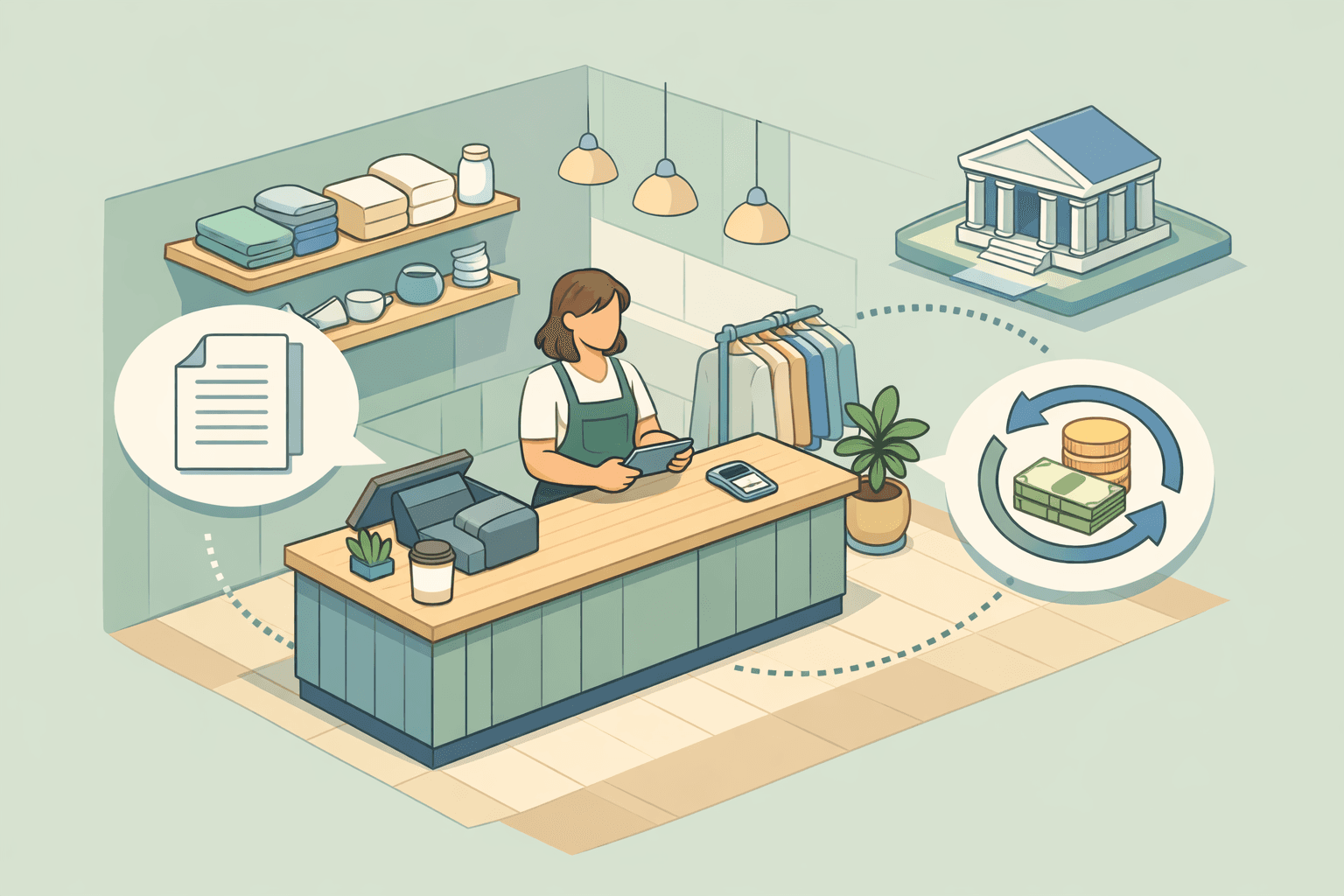
Running a small business means dealing with unpredictable cash flow, unexpected expenses, and growth opportunities that don't always come at the most convenient times. That's where a business line of credit can make a real difference. Unlike a traditional term loan that delivers a lump sum upfront, a business line of credit gives you access to a revolving pool of funds you can draw from as needed — and only pay interest on what you actually use. For small business owners, entrepreneurs, and commercial borrowers, understanding how this financing tool works could be the key to staying agile, managing operations, and seizing growth opportunities without being caught off guard.
Understanding the Basics of a Business Line of Credit
A business line of credit is a flexible financing arrangement between a lender and a business. The lender approves a maximum credit limit, and the borrower can draw funds up to that limit at any time during the draw period. Once you repay what you've borrowed, those funds typically become available again — which is why it's often described as a revolving credit facility.
Think of it like a financial safety net that's always there when you need it. Whether you're covering payroll during a slow season, purchasing inventory ahead of a busy quarter, or handling an unexpected equipment repair, a business line of credit gives you the flexibility to respond quickly without waiting weeks for loan approval.
There are two main types to know about:
- Secured business lines of credit: Backed by collateral such as inventory, accounts receivable, or other business assets. These often come with higher credit limits and potentially lower interest rates.
- Unsecured business lines of credit: No collateral required, but lenders typically require stronger credit profiles and business financials to compensate for the added risk.
It's worth noting that terms, limits, and eligibility requirements can vary significantly from one lender to the next, so it's always a good idea to compare options carefully.
How the Draw and Repayment Process Works
One of the most appealing features of a business line of credit is how straightforward the draw and repayment process can be. Once your credit line is approved and opened, you can typically access funds through a business checking account, a dedicated card, or an online portal — depending on the lender's platform.
Here's a simplified example of how it might work in practice:
- Your business is approved for a $75,000 line of credit.
- You draw $20,000 to cover a supplier invoice.
- You only pay interest on that $20,000, not the full $75,000.
- As you repay the $20,000, it becomes available to draw again.
Repayment structures can vary. Some lenders require monthly interest-only payments during the draw period, while others may require minimum principal payments as well. It's important to review the repayment terms before committing, as fees and interest rate structures can differ — some lines carry variable rates tied to benchmark rates like the prime rate, while others may offer fixed rates.
Most business lines of credit also have a defined draw period — often one to five years — after which the account may be closed, renewed, or converted to a term loan depending on the lender's policy.
Who Typically Qualifies for This Type of Financing
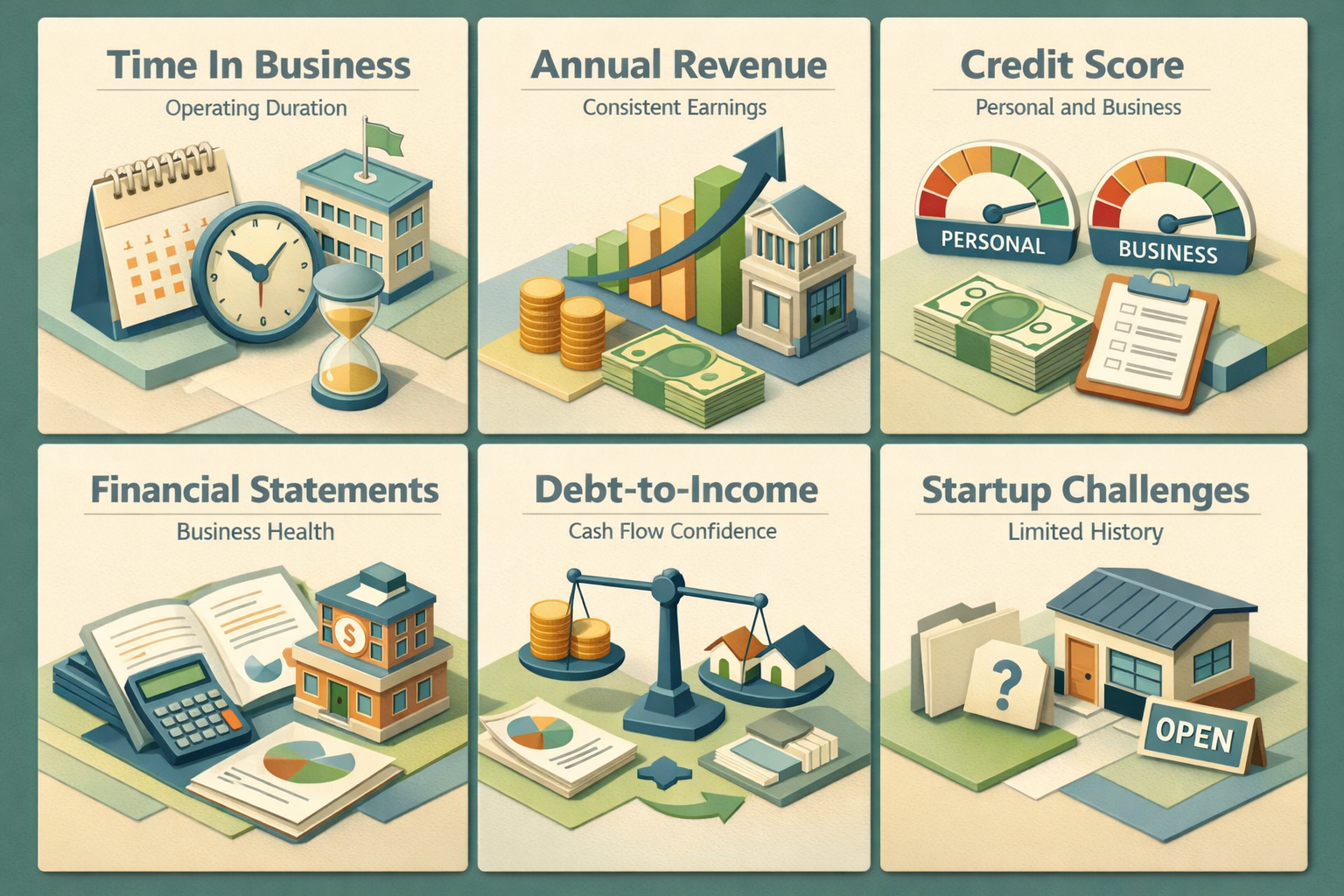
Lenders evaluate several key factors when determining whether a business qualifies for a line of credit. While requirements vary, most lenders tend to look at a combination of the following:
- Time in business: Many lenders prefer businesses that have been operating for at least one to two years, though some may consider newer ventures with strong financials or personal credit.
- Annual revenue: Lenders often want to see consistent, verifiable revenue. Minimum thresholds can range widely, so it's worth checking with individual lenders.
- Credit score: Both personal and business credit scores may be reviewed. A stronger credit profile generally improves your chances of approval and may result in more favorable terms.
- Financial statements: Bank statements, profit and loss statements, and tax returns are commonly requested to assess overall business health.
- Debt-to-income or debt-service coverage: Lenders want confidence that your business generates enough cash flow to comfortably service new debt.
It's also worth mentioning that startups or businesses with limited credit history may find it more challenging to qualify for traditional lines of credit. In those cases, alternative lenders or SBA-backed programs might offer more accessible pathways — though these options often come with different cost structures.
Smart Ways Small Business Owners Use a Business Line of Credit
A business line of credit is one of the most versatile financing tools available to entrepreneurs. When used strategically, it can support both day-to-day operations and longer-term growth goals. Here are some of the most common — and effective — ways business owners put it to work:
- Managing seasonal cash flow gaps: Businesses with seasonal revenue cycles, such as retailers or contractors, often use a credit line to bridge the gap between slow and busy periods without disrupting operations.
- Purchasing inventory: When a supplier offers a bulk discount or a popular product is in demand, quick access to credit can make the difference between capturing or missing an opportunity.
- Covering short-term payroll needs: If a major invoice hasn't cleared but payroll is due, a credit line can prevent staffing disruptions and maintain team morale.
- Handling unexpected expenses: Equipment breakdowns, emergency repairs, or sudden regulatory compliance costs can arise without warning. Having a credit line ready means you're not scrambling.
- Building business credit: Responsibly using and repaying a credit line can help establish or strengthen your business credit profile over time, which may improve access to financing in the future.
The key is to use a business line of credit for short-term, self-liquidating needs rather than long-term capital investments. For major asset purchases or real estate acquisitions, a term loan or SBA loan may be more appropriate.
Costs, Fees, and Interest Rate Considerations
Like any financing product, a business line of credit comes with costs that borrowers should understand before signing an agreement. Interest rates are the most obvious expense, but there are often additional fees to be aware of:
- Draw fees: Some lenders charge a small fee each time you draw from the line.
- Annual or maintenance fees: A flat fee may be charged each year to keep the credit line open, even if you don't use it.
- Origination fees: A one-time fee charged when the credit line is first established.
- Inactivity fees: If the credit line goes unused for an extended period, some lenders may charge a fee.
- Prepayment penalties: Less common but worth checking — some lenders may charge a fee if you close the line or pay it down too quickly.
Interest rates on business lines of credit can be either fixed or variable. Variable rates are often tied to benchmark rates and can fluctuate over time, which means your borrowing costs could rise in a higher interest rate environment. When comparing lenders, it's helpful to look at the annual percentage rate (APR) rather than just the stated interest rate, as the APR captures both interest and fees in a single figure for easier comparison.
Online lenders and fintech platforms may offer faster approval but sometimes at higher rates compared to traditional banks or credit unions. SBA-guaranteed credit lines, where available, may offer more competitive terms for qualifying businesses.
How a Business Line of Credit Compares to Other Financing Options
It's helpful to understand how a business line of credit stacks up against other common financing tools so you can choose the right fit for your situation.
- Term loans: Deliver a lump sum upfront with fixed monthly payments over a set period. Better suited for defined, large-scale investments like equipment purchases or commercial real estate. Less flexible than a revolving credit line.
- SBA loans: Government-backed programs like the SBA 7(a) may offer favorable terms and lower rates, but the application process can be more involved and time-consuming.
- Business credit cards: Offer revolving credit similar to a line of credit but typically with higher interest rates and lower credit limits. More suitable for everyday small purchases and expense tracking.
- Invoice financing: Allows businesses to borrow against outstanding invoices, which can be useful for managing accounts receivable gaps — but it's a more specialized tool.
- Merchant cash advances: Provide quick access to capital but often come with high factor rates, making them one of the more expensive short-term options available.
A business line of credit often sits in a sweet spot for many small businesses — offering flexibility similar to a credit card but with higher limits and often lower rates, while remaining more accessible than a traditional term loan for short-term needs.
●Conclusion
A business line of credit can be a powerful asset in any entrepreneur's financial toolkit. When used thoughtfully, it provides the flexibility to manage cash flow, respond to opportunities, and keep operations running smoothly — without the rigidity of a traditional loan. That said, it's important to approach this type of financing with a clear strategy. Draw only what you need, repay promptly, and understand the full cost structure before committing to any agreement.
Whether you're a seasoned business owner looking to optimize your working capital or a newer entrepreneur exploring your financing options for the first time, it's worth taking the time to compare lenders, review terms carefully, and consider speaking with a financial advisor or lending specialist who understands your industry and goals. At LoanWise, we're here to help you navigate the lending landscape with confidence — so you can focus on what matters most: growing your business.